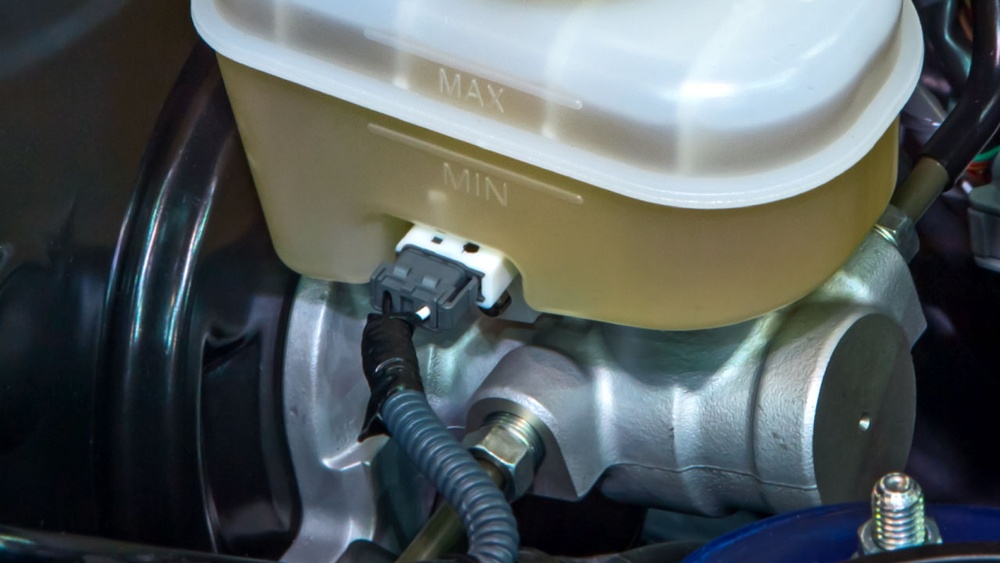

Have you ever wondered what happens if engine oil is overfilled in your car? It might seem like adding extra oil is a good idea to keep your engine safe, but too much oil can actually cause serious problems.
Overfilling your engine oil can lead to costly damage and affect your car’s performance in ways you might not expect. If you want to protect your vehicle and avoid unexpected repairs, it’s important to understand exactly what overfilling does to your engine.
Keep reading, and you’ll learn the hidden risks and how to fix them before they become a headache.

Credit: www.youtube.com
Causes Of Oil Overfill
Engine oil overfill happens more often than you think. It can damage your engine and reduce its life. Knowing the causes helps avoid this problem. Most causes come from simple mistakes during oil changes or checking levels.
Understanding these causes keeps your engine safe and running smoothly. Let’s explore the main reasons for oil overfill.
Common Mistakes During Oil Change
Many people add too much oil during an oil change. They do not measure carefully or guess the amount needed. Using a funnel without checking the level can lead to overfill. Cleaning spills only after filling does not prevent overfill. Simple errors like these cause oil to go beyond the safe limit.
Misreading Dipstick Levels
Reading the dipstick wrong is a common cause. Some check the oil when the engine is hot or not on level ground. This gives wrong readings. Others wipe the dipstick and immediately check, missing the real level. Misinterpretation of marks also leads to overfilling. Knowing how to read the dipstick properly avoids this.
Using Incorrect Oil Quantity
Every vehicle needs a specific oil amount. Using more than recommended causes overfill. Sometimes, people use a higher quantity from old habits or wrong information. Also, using oil with wrong density affects the total volume. Always follow the manufacturer’s guide for the correct quantity.
Effects On Engine Performance
Overfilling engine oil can cause serious problems in engine performance. The engine relies on the right amount of oil to work smoothly. Too much oil creates pressure and affects how parts move inside the engine. This leads to poor performance and possible damage.
Increased Engine Pressure
Extra oil raises the pressure inside the engine. This pressure can damage seals and gaskets. Oil leaks may start, causing further issues. High pressure also stresses engine parts. The engine might not run as quietly or smoothly.
Foaming And Aeration Of Oil
Too much oil causes it to foam and mix with air. This foamy oil cannot lubricate engine parts well. Air bubbles reduce oil’s ability to protect the engine. This leads to more friction and heat inside the engine.
Reduced Lubrication Efficiency
Overfilled oil lowers how well the engine is lubricated. Moving parts do not get enough smooth oil. This causes more wear and tear on the engine. Over time, the engine may lose power and efficiency.
Potential Engine Damage
Overfilling engine oil can cause serious damage to your vehicle’s engine. Too much oil creates pressure inside the engine. This pressure affects many engine parts and reduces its performance. Understanding the potential damage helps avoid costly repairs.
Damage To Seals And Gaskets
Excess oil puts extra pressure on seals and gaskets. These parts keep oil inside the engine. High pressure can make seals and gaskets crack or break. Once damaged, oil starts leaking out. This leads to engine problems and expensive repairs.
Oil Leaks And Smoke Emission
Too much oil causes leaks from the engine. Leaked oil can drip onto hot engine parts. This causes smoke and a burning smell. Smoke from burning oil also pollutes the air. It signals the engine is not working properly.
Catalytic Converter Issues
Extra oil can enter the exhaust system. This harms the catalytic converter. A damaged converter reduces engine efficiency. It also raises harmful emissions. Repairing or replacing the catalytic converter costs a lot.
Credit: www.reddit.com
How To Check Oil Level Accurately
Checking the engine oil level accurately is important for your car’s health. Too much oil can cause problems, and too little can harm the engine. Knowing how to check the oil level right helps avoid these issues. Follow simple steps to get a correct reading every time.
Using The Dipstick Correctly
First, open the car hood and find the dipstick. It usually has a bright handle for easy spotting. Pull the dipstick out completely and wipe it clean with a cloth. Then, reinsert it fully into the tube. Pull it out again and look at the oil level on the stick. The oil should be between the two marks or holes. If it is above the top mark, the oil is overfilled.
Optimal Conditions For Checking
Check the oil when the engine is cool or has been off for a few minutes. Park the car on level ground to get an even reading. Avoid checking right after driving hard, as hot oil moves around and can give a false level. Morning checks before starting the car work best for accuracy.
Interpreting Oil Level Readings
Look carefully at the oil’s position on the dipstick. If the oil is below the lower mark, add oil slowly and recheck. If the oil is above the upper mark, the engine has too much oil. Too much oil can cause foaming and damage engine parts. Aim to keep the oil level in the safe range for best engine performance.
Steps To Fix Overfilled Oil
Fixing overfilled engine oil is important to keep your car running smoothly. Too much oil can cause serious engine problems. Acting quickly can save your engine from damage. Here are simple steps to remove the extra oil safely.
Draining Excess Oil Safely
Start by parking your car on a flat surface. Let the engine cool down completely. Locate the oil drain plug under the car. Use a wrench to loosen the plug carefully. Let some oil drain out slowly. Check the oil level with the dipstick often. Tighten the drain plug once the level is correct. Dispose of the old oil properly at a recycling center.
Using Oil Extractors
An oil extractor pumps out oil through the dipstick tube. Insert the extractor tube into the dipstick hole. Turn on the extractor to remove excess oil. This method is clean and avoids spills. Check the oil level regularly while extracting. Stop once the oil reaches the right level. Oil extractors are useful for quick fixes without a lift.
When To Seek Professional Help
Choose a mechanic if you feel unsure or lack tools. Professionals can check if overfilling caused damage. They have the right tools to drain oil safely. A mechanic can also inspect the engine for leaks. Avoid risks by getting expert help if needed. Your car’s health is worth the extra care.
Preventing Oil Overfill
Preventing oil overfill is key to keeping your engine safe and efficient. Too much oil causes pressure build-up, leaks, and engine damage. Taking simple steps stops overfilling and saves costly repairs.
Following Manufacturer Guidelines
Always check the owner’s manual for oil capacity. Each engine has a specific oil amount. Use the recommended type and grade of oil. This ensures proper lubrication and engine health.
Regular Maintenance Tips
Check oil levels often using the dipstick. Do this when the engine is cool and on level ground. Change the oil and filter on schedule. Clean oil helps the engine run smoothly and prevents buildup.
Choosing The Right Oil Quantity
Pour oil slowly and measure carefully. Add small amounts and recheck the level. Avoid guessing or rushing the process. Using the correct amount protects engine parts and avoids overpressure.

Credit: shieldoils.com
Frequently Asked Questions
What Are The Risks Of Overfilling Engine Oil?
Overfilling engine oil can cause increased pressure inside the engine. This may lead to oil leaks, seal damage, and poor engine performance. Excess oil can also cause foaming, reducing lubrication and increasing wear on engine parts.
How Does Too Much Oil Affect Engine Performance?
Too much oil can cause the crankshaft to splash through oil, creating foam. Foamy oil reduces lubrication, leading to engine overheating and increased friction. This can cause engine parts to wear out faster and reduce overall efficiency.
Can Overfilled Oil Damage Engine Seals?
Yes, overfilled oil increases pressure inside the engine, which can damage seals and gaskets. Damaged seals may cause oil leaks and contamination. This can lead to costly repairs and potential engine failure if not addressed promptly.
How To Fix Engine Oil Overfill Safely?
To fix oil overfill, drain the excess oil using the drain plug or oil extractor. Avoid running the engine until the oil level is correct. Checking the oil dipstick regularly helps maintain the proper oil level and prevents damage.
Conclusion
Overfilling engine oil can cause serious problems for your car. It may lead to leaks, smoke, or engine damage. Too much oil makes the engine work harder. Check oil levels carefully and keep them within the right range. Regular maintenance helps your engine run smoothly and last longer.
Avoid costly repairs by adding only the correct oil amount. Stay safe on the road with proper oil care. Simple steps protect your car’s engine every day.