
Regular washing, waxing, paint protection film, and covered parking prevent sun damage effectively.
As an automotive care specialist with years of hands-on detailing and protective coating experience, I’ll walk you through practical, proven strategies for how to protect car paint from sun. This guide explains causes, early signs, easy routines, long-term solutions, and product choices so you can keep your finish vibrant and durable. Read on for clear steps you can use today to defend your car against UV and heat damage.
Why the sun harms car paint
Sunlight contains ultraviolet (UV) radiation and heat. UV breaks down the clear coat and paint polymers. Heat accelerates oxidation and color fading.
The clear coat protects the paint, but it wears over time. Once the clear coat degrades, color loss, chalking, and peeling can follow. Knowing why matters when you decide how to protect car paint from sun.
Common factors that speed damage include prolonged exposure, pollutants, bird droppings, and poor maintenance. Addressing these keeps the clear coat intact longer and prevents costly repainting.
Signs of sun-damaged paint to watch for
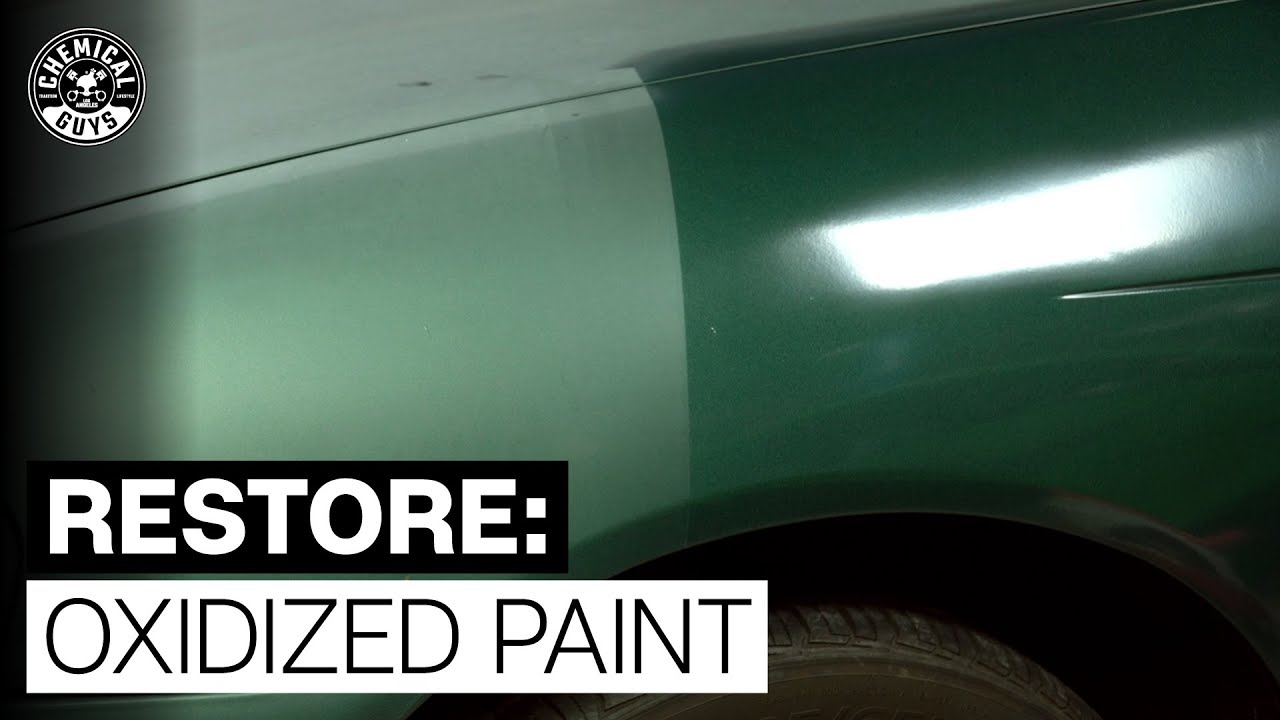
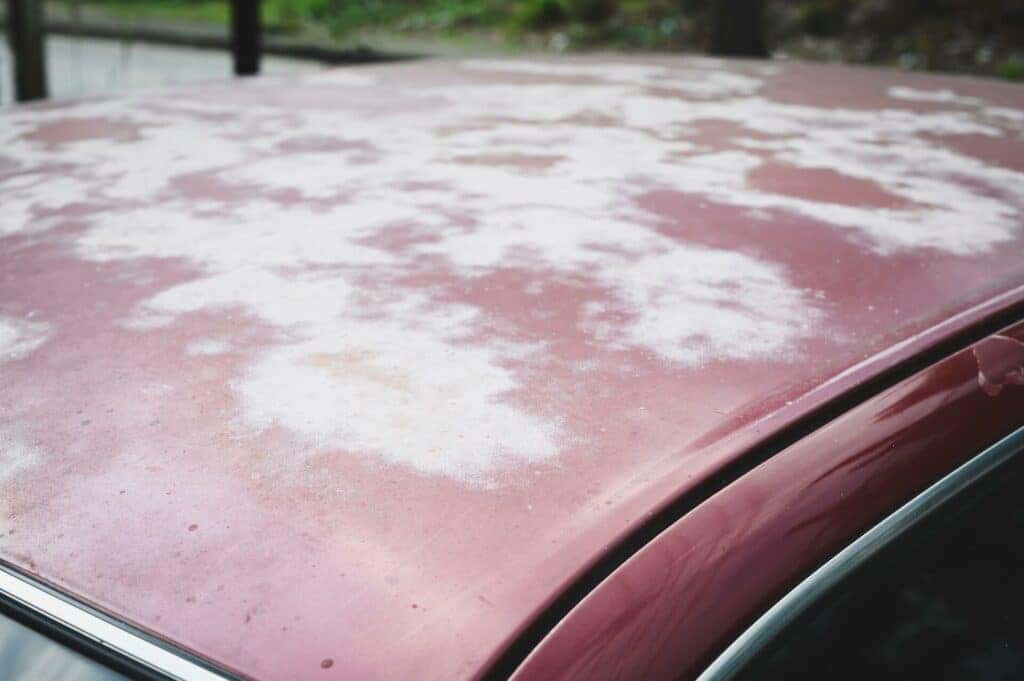
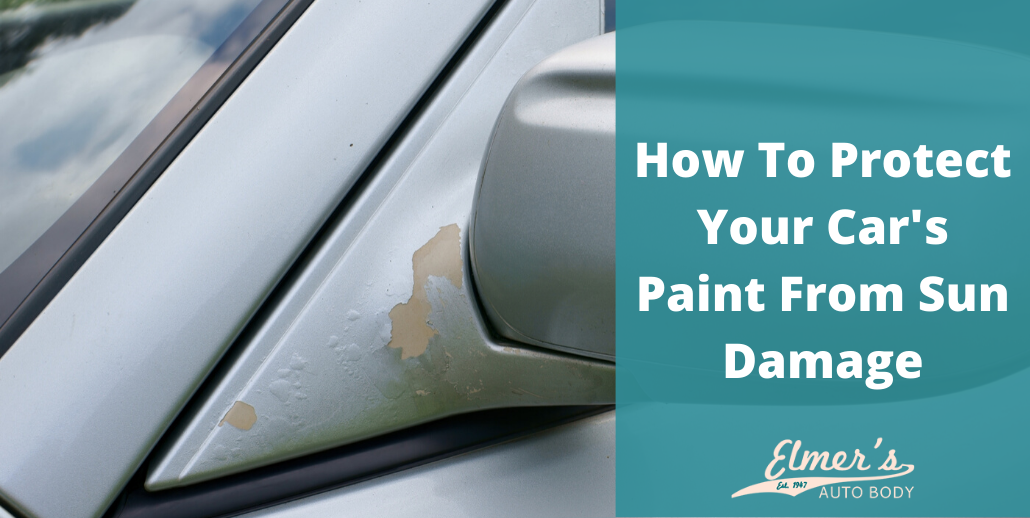
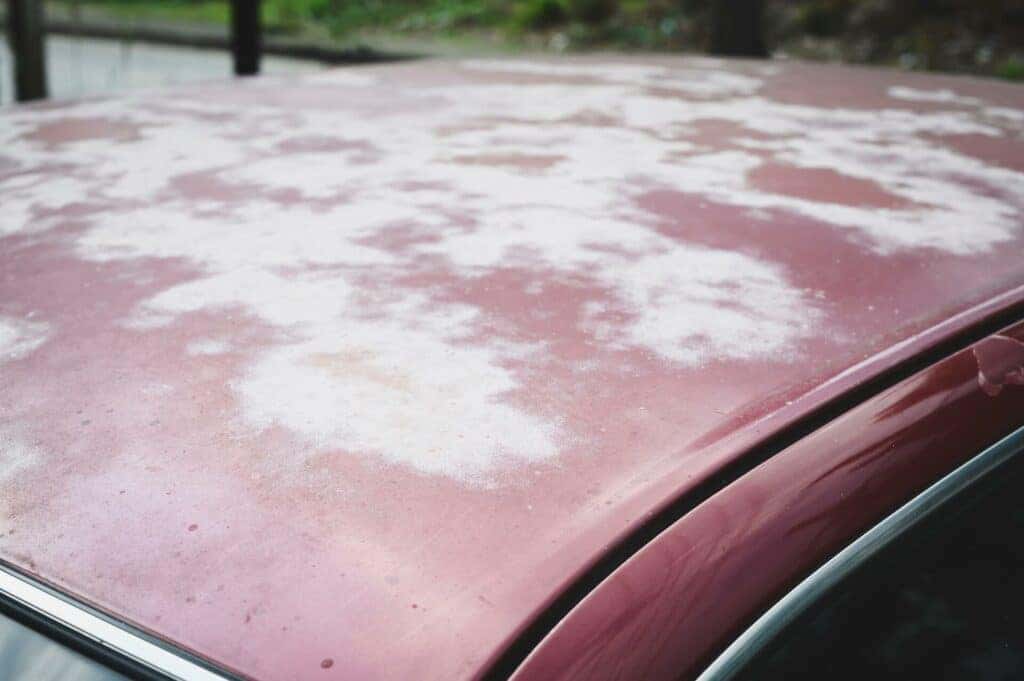
Faded color across large panels often shows sun damage. Clear coat haze or a chalky texture means oxidation is present. Paint that flakes or peels exposes the base layer and needs repair.
Other signs include water spots that don’t rinse off and premature dullness after cleaning. Catching these early helps you act fast when learning how to protect car paint from sun.
Proven methods: how to protect car paint from sun
Below are the most effective tactics, ranked by impact and longevity.
- Parking in shade or indoors
Short description: Shade reduces direct UV and heat. A garage is best; covered parking is a good alternative. - Use a high-quality car cover
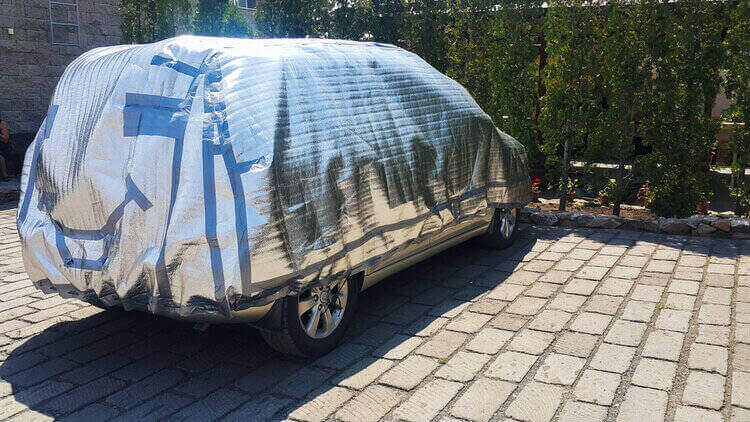
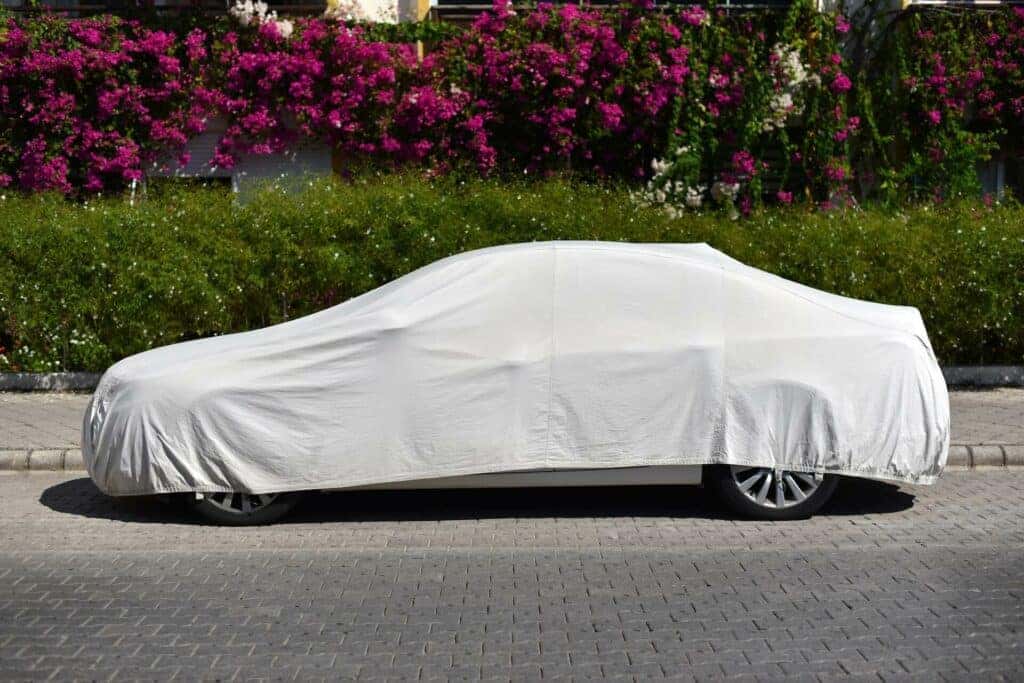
Short description: Breathable covers block UV while preventing moisture traps. Choose one sized for your model. - Regular washing and maintenance
Short description: Remove contaminants that speed UV damage. Gentle soap and quick drying prevent etching. - Apply wax every 2–3 months
Short description: Wax adds a sacrificial layer that blocks UV. It is affordable and easy to reapply. - Invest in ceramic coating
Short description: Ceramic coatings add durable hydrophobic and UV-resistant layers. They last months to years. - Paint protection film (PPF)
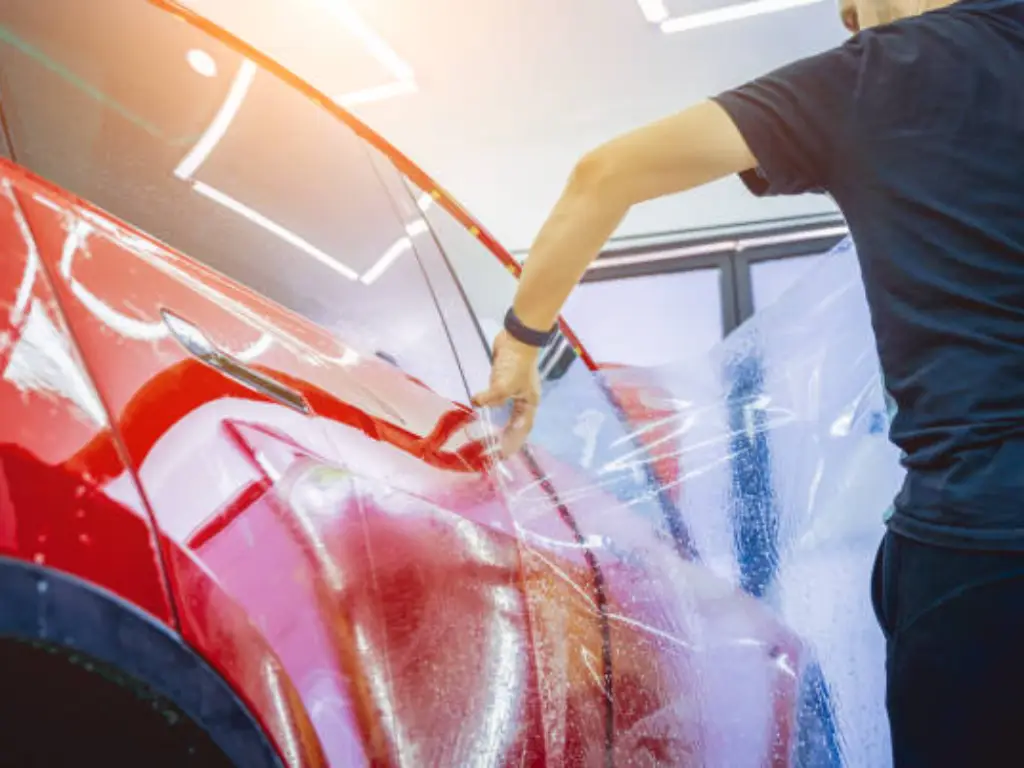
Short description: PPF provides heavy-duty physical and UV defense for vulnerable panels. It is the most protective barrier. - Use a paint sealant
Short description: Synthetic sealants last longer than wax and increase UV resistance. They often last 6–12 months. - Clear coat restoration
Short description: Professional polishing and re-clear-coating restores protection to damaged paint. This is a corrective step. - Window tint and dashboard covers
Short description: Reduces cabin heat and indirect UV that can affect interior and some exterior trim. - Avoid parking under trees with sap and bird activity
Short description: Organic fallout speeds clear coat breakdown and can stain if left untreated.
Choosing the right mix depends on your budget, vehicle age, and how long you want protection to last. For most drivers, combining shade, monthly washes, quarterly wax or sealant, and a ceramic coating or PPF for front panels is the best plan for how to protect car paint from sun.
Quick PAA-style questions
#### Does waxing protect against sun damage?
Yes. Wax sits on top of the clear coat and offers a temporary UV barrier. It also helps reflect heat and water.
Are ceramic coatings better than wax for sun protection?
Yes. Ceramic coatings bond to the paint and offer longer-lasting UV protection than wax. They are more durable but cost more.
Step-by-step routine to protect paint from sun
Follow this simple schedule to protect paint without huge time investment.
- Weekly: Inspect and rinse off bird droppings, sap, and tree residue.
- Biweekly: Wash with car-specific shampoo and a soft mitt. Dry thoroughly.
- Every 2–3 months: Apply paste or liquid wax, or use a spray sealant for quick protection.
- Every 1–3 years: Reapply ceramic coating or inspect PPF for wear.
- Always: Park in shade, use a cover if no shelter is available, and avoid long-term outdoor storage.
This routine balances effort and results. When you follow these steps, learning how to protect car paint from sun becomes easy and routine.

DIY vs professional protection: pros and cons
DIY options are affordable and let you maintain control. Wax, sealants, and consumer ceramic kits are cost-effective. They require regular reapplication and correct technique.
Professional services offer longer life and better finishes. Professional ceramic coatings and PPF installations are more costly but last years. They ensure correct prep, bonding, and warranty coverage.
If you drive daily and park outside, professional protection often pays off. If you use your car occasionally and park in a garage, DIY wax and sealants may be enough to protect your paint from sun.
Common mistakes and how to avoid them
- Using dish soap or household cleaners
Short description: These strip protective wax and accelerate UV damage. Use car shampoo instead. - Applying wax on a hot surface
Short description: Heat prevents proper bonding and leaves streaks. Work in shade and cool panels. - Skipping decontamination before coating
Short description: Polishing over contaminants reduces coating life. Clay bar or iron remover first. - Choosing cheap covers
Short description: Low-quality covers trap moisture and cause micro-abrasion. Invest in breathable, soft fabric. - Ignoring edges and seams
Short description: UV exposure at edges can flake first. Protect these areas with added sealant or film.
Avoid these errors to improve results and make your protection last longer. Correct technique matters for how to protect car paint from sun.

Materials and product checklist
These items cover basic to advanced protection needs.
- pH-neutral car shampoo
- Microfiber wash mitts and drying towels
- Clay bar kit or iron fallout remover
- Quality paste wax and spray sealant
- Consumer-grade ceramic coating kit or professional service
- Paint protection film for bumpers and hood
- Breathable car cover and sunshade
- Soft applicator pads and polishing pads
- UV-resistant dashboard and trim protectant
Having the right tools reduces the chance of mistakes. Use brand-backed products designed for auto paint to avoid damage.

Personal experience and lessons learned
I once detailed a daily-driver coupe that sat outside year-round. The owner used cheap wipes and skipped waxing. After two summers, the roof showed chalkiness and paint loss. We restored it with clay, polish, and a professional ceramic coating. The result lasted three years with biannual maintenance.
What I learned:
- Prevention beats restoration. Regular care keeps costs down.
- Start simple: weekly rinse, monthly wash, quarterly wax.
- Invest in PPF or a pro coating for high-impact areas.
- Test products on a small panel first to avoid surprises.
These lessons guide my advice on how to protect car paint from sun. Small habits matter most.
Frequently Asked Questions of how to protect car paint from sun
What is the fastest way to protect paint from the sun?
Park in shade or use a car cover immediately. Washing and applying a quick spray sealant helps until a longer solution is applied.
How often should I wax my car for sun protection?
Wax every 2–3 months for reliable protection. Use synthetic sealants for longer intervals of 6–12 months.
Can I use household wax or car wax only?
Use products made for automotive paint. Household waxes and cleaners can harm the clear coat and strip protection.
Does ceramic coating stop sun damage completely?
No coating stops sun damage completely, but ceramic coatings significantly slow UV degradation and make maintenance easier. They reduce fading and water spotting.
Is paint protection film worth the cost?
Yes for high-impact areas like hood, bumper, and mirrors. PPF provides top-tier physical and UV defense and reduces long-term repainting costs.
Conclusion
Protecting your vehicle starts with simple habits: shade, proper washing, and regular protective layers. Combine daily prevention with periodic professional options like ceramic coatings or PPF for the best long-term defense. Start today by inspecting your parking and scheduling a wash and wax cycle. Share your experience in the comments or subscribe for more practical car care tips.