
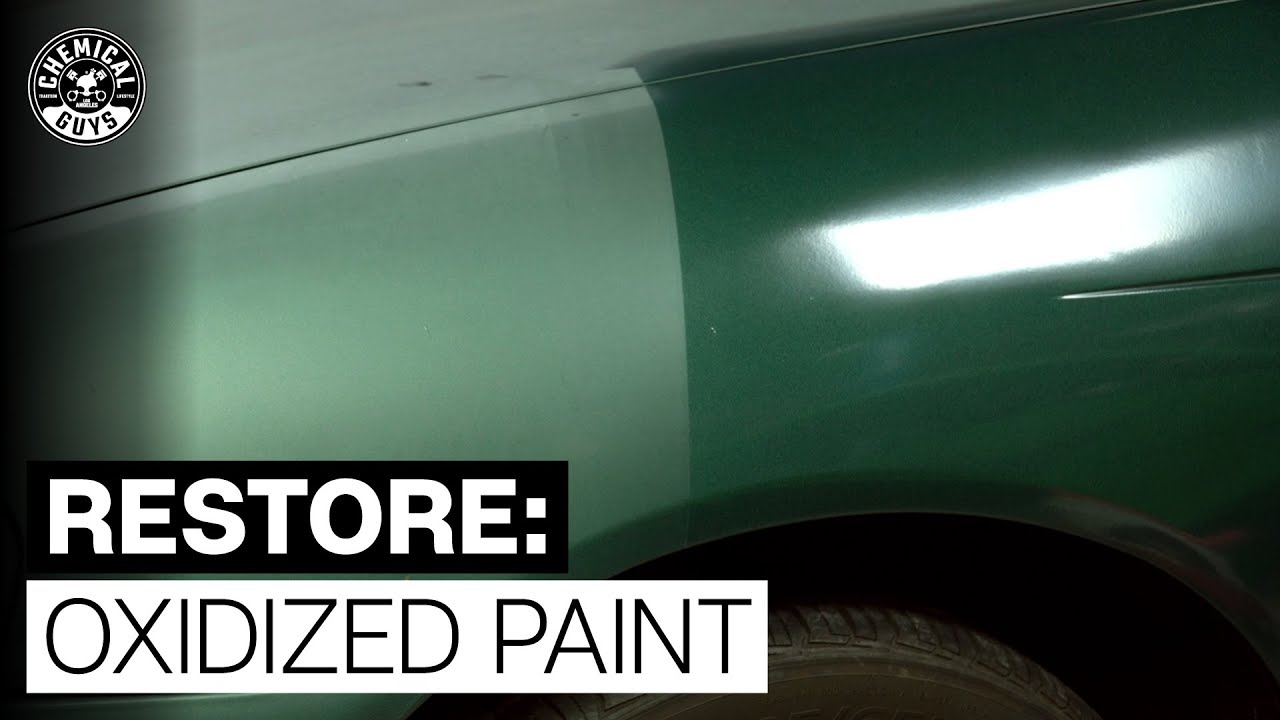
Use polish or compound with a microfiber pad or buffer to safely restore faded paint.
I have worked on cars for years and helped restore dozens of faded finishes. In this guide I explain how to remove oxidation from car paint step by step. I cover causes, tools, safe methods, and limits. You will learn both DIY and pro options so you can pick the right approach for your car.
Understanding oxidation: what it is and why it happens
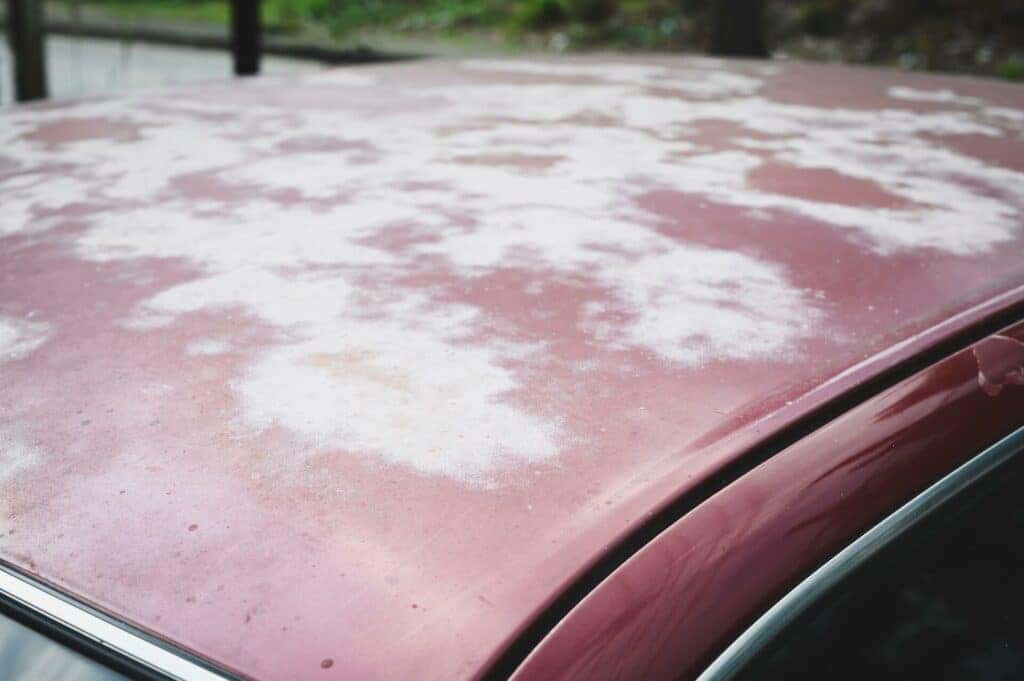
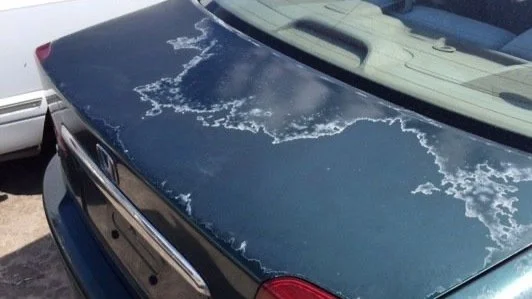
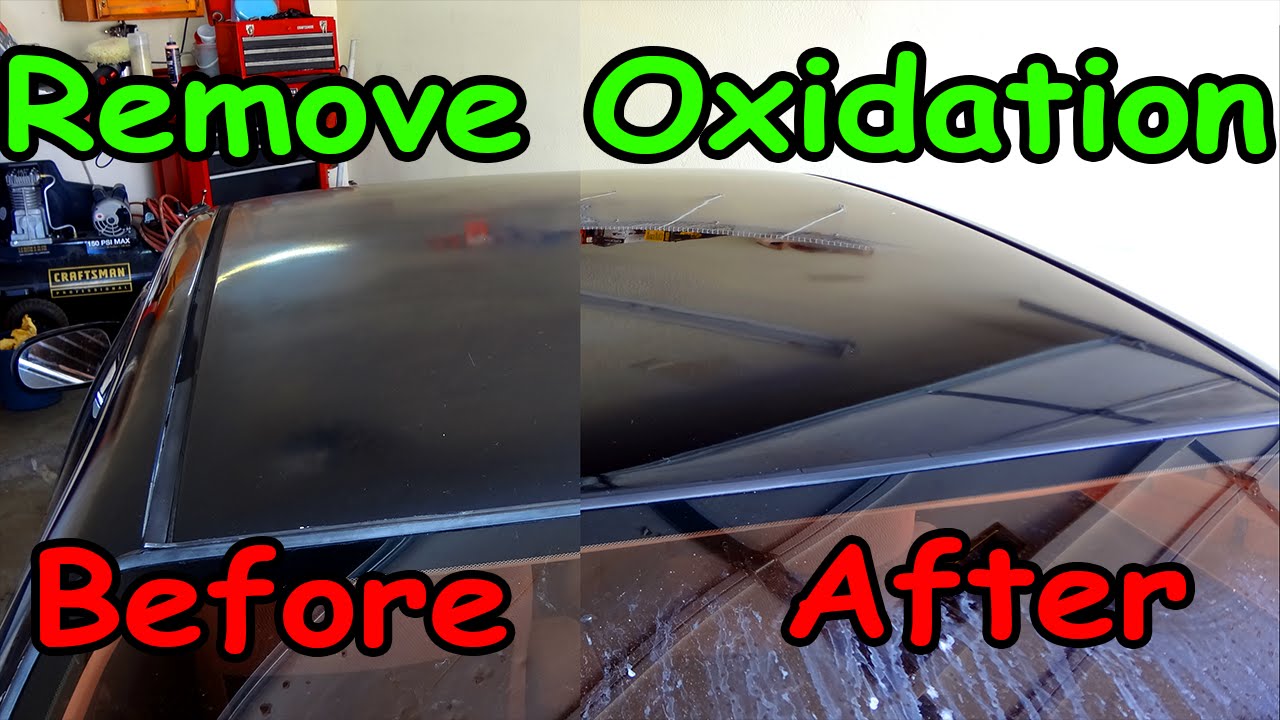
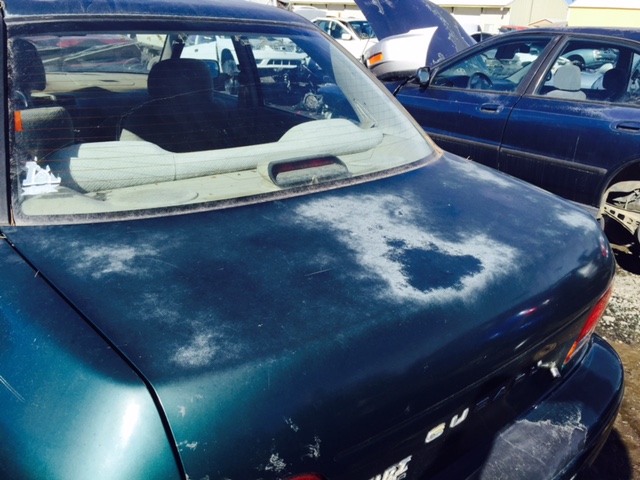
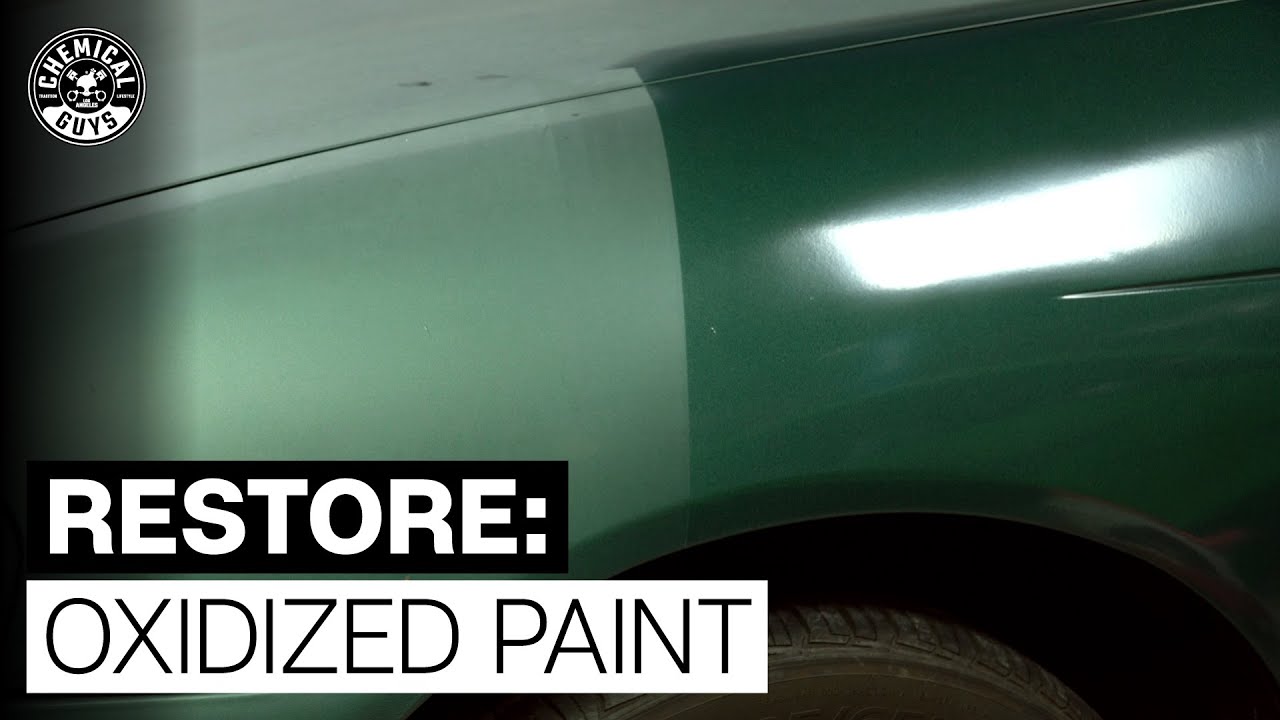
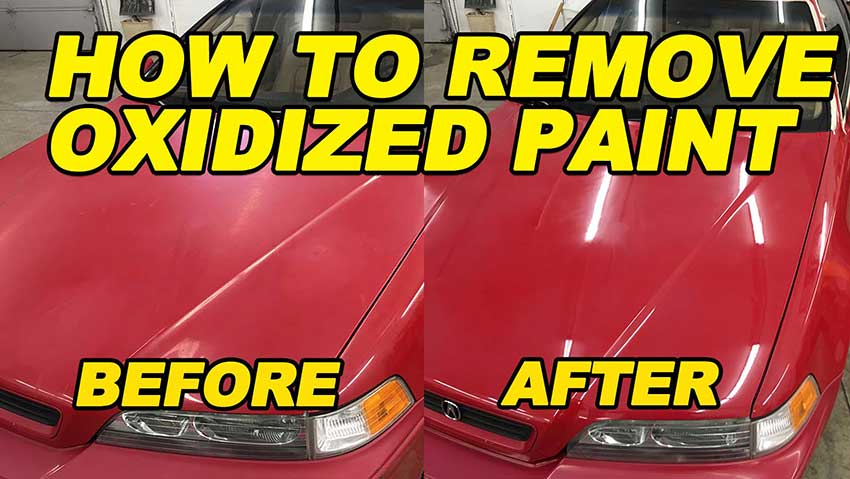
Oxidation is the breakdown of paint caused by long exposure to sun, heat, and air. UV rays strip oils from clearcoat and paint. The finish looks chalky, dull, and faded. Oxidation can range from light hazing to deep clearcoat failure.
Causes of oxidation
- Prolonged sun and UV exposure that degrades binders.
- Environmental contaminants such as acid rain, salt, and pollution.
- Lack of protection, like missing wax or sealant.
- Old paint layers and poor-quality factory finishes.
Signs you are seeing oxidation
- Chalky, powdery feel when you rub with a cloth.
- Color loss, washed-out shine, and rough texture.
- Paint that won’t shine even after washing.
When oxidation is repairable
- Surface oxidation and light clearcoat hazing are fixable.
- Deep oxidation that has gone into the base coat or metal may not be reversible.
Source: youtube.com
Tools and materials you need
Use quality tools to get consistent results. Below is a practical list that covers most jobs.
Essentials for how to remove oxidation from car paint
- Microfiber towels for wiping and buffing.
- Automotive soap and a wash mitt for cleaning.
- Clay bar kit to remove embedded grime.
- Polishing compound for medium oxidation.
- Rubbing compound for heavy oxidation or clearcoat leveling.
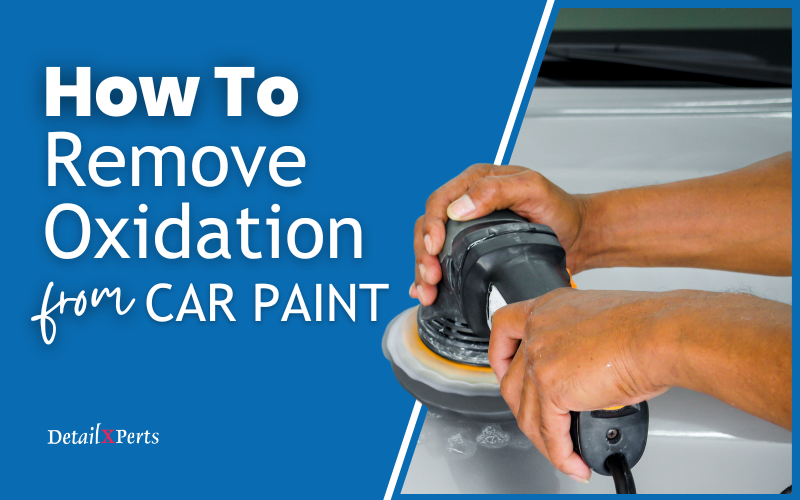
- Dual-action (DA) polisher or rotary buffer for efficiency.
- Foam and microfiber pads sized to your polisher.
- Carnauba wax, paint sealant, or ceramic coating for protection.
- Safety gear: gloves, eye protection, and a mask if using strong compounds.
Optional helpful items
- Masking tape to protect trim and edges.
- Paint depth gauge for thin paint checks.
- Small detailing brushes for crevices.

Source: youtube.com
Step-by-step guide: how to remove oxidation from car paint
Follow these steps to remove oxidation from car paint in a safe order.
-
Wash the car
1.1 Rinse and use automotive soap.
1.2 Remove loose dirt and contaminants.
1.3 Dry with a clean microfiber towel. -
Decontaminate with a clay bar
2.1 Lubricate with clay lube.
2.2 Glide the clay to remove bonded contaminants.
2.3 Wipe the area clean. -
Assess the oxidation level
3.1 Light oxidation: dull finish, no deep scratches.
3.2 Moderate oxidation: visible chalking and loss of gloss.
3.3 Severe oxidation: clearcoat failure or paint flaking. -
Choose the right product
4.1 Use a fine polish for light oxidation.
4.2 Use a medium polishing compound for moderate oxidation.
4.3 Use a rubbing compound and careful machine work for severe oxidation. -
Test a small area
5.1 Work a hidden spot such as inside wheel arch.
5.2 Check results and paint thickness.
5.3 Adjust pad, speed, or product if needed. -
Machine polishing technique
6.1 Start with a clean pad and small product amount.
6.2 Set DA polisher to low speed.
6.3 Work in 2×2 foot sections.
6.4 Use overlapping passes with light to moderate pressure.
6.5 Wipe residue and inspect.
6.6 Repeat if needed with a finer polish. -
Hand-polishing option
7.1 Apply product to a foam pad or cloth.
7.2 Use small circular motions and steady pressure.
7.3 This is slower but safer for beginners. -
Finish and protect
8.1 Clean the work area with isopropyl alcohol if needed.
8.2 Apply wax or sealant to restore shine.
8.3 Consider a ceramic coating for long-term protection.
Safety tips when you remove oxidation from car paint
- Avoid high heat from aggressive polishing on thin paint.
- Keep the polisher moving to prevent burn marks.
- Use PPE when using solvents or compounds.
Source: oxideoff.com
Professional methods and when to seek help
Professional detailers offer services that go beyond DIY fixes. They have gear and training to handle deep oxidation and clearcoat repair. A paint correction with compound, machine polish, and multiple stages can restore shine. Professionals can also measure paint depth and recommend repainting when needed.
When to hire a pro
- When you see clearcoat flaking or base coat showing through.
- When paint depth is thin and you risk sanding through.
- For large vehicles or full-panel correction needs.
Source: youtube.com
Preventing future oxidation
Prevention extends paint life and reduces how often you must remove oxidation from car paint. Simple steps keep finishes healthy and shiny.
Routine habits
- Wash regularly to remove contaminants.
- Apply wax or sealant every 3 months.
- Park in shade or use a cover when possible.
- Use ceramic coatings for longer-term protection.
Seasonal care
- Remove road salt promptly in winter.
- Re-wax after heavy rain or cleaning.
Source: detailxperts.com
Troubleshooting and common limitations
Not all oxidation can be fully removed. Know the limits before you begin.
What you cannot fix easily
- Paint that has flaked away needs repainting.
- Rusted metal under the paint requires bodywork.
- Very thin factory paint may not tolerate aggressive polishing.
Common problems and fixes
- Swirl marks from poor technique: follow with finer polish.
- Burn spots from a hot pad: stop immediately and assess.
- Uneven gloss: rework in small sections and adjust pressure or pad.
Realistic expectations help you decide whether to restore or respray. If your goal is smooth, glossy paint, removal of oxidation from car paint often achieves that. If the clearcoat is failing, repainting may be the best step.

Personal experience and pro tips
I have spent seasons restoring estate cars and daily drivers. One car had severe rooftop oxidation. I used clay, two-stage machine polishing, and a ceramic finish. The result looked years younger and lasted many months.
Lessons learned
- Always test a small area first.
- Use the least abrasive product that works.
- Replace pads that are clogged or torn.
Mistakes to avoid
- Using a rotary buffer without experience can burn paint.
- Skipping claying leaves contaminants that interfere with polishing.
- Overworking thin spots can remove paint.
Pro tip
- Work in the shade for steady results.
- Keep a log of products and settings that worked on each car.
Source: ericthecarguy.com
Quick PAA-style questions
Can I remove oxidation from car paint with toothpaste?
Toothpaste has mild abrasives and can help very light oxidation. It is not ideal for larger areas and can be slow and uneven.
How long does it take to remove oxidation from car paint?
Small sections may take 15–60 minutes. A whole car can take several hours to a full day depending on severity.
Will oxidation come back after polishing?
Yes, oxidation can return without protection. Regular waxing or a ceramic coating slows re-oxidation.
Frequently Asked Questions of how to remove oxidation from car paint
What is the easiest way to remove oxidation from car paint?
The easiest way is to wash, clay, and use a mild polish with a microfiber pad. For larger jobs, a DA polisher speeds the work and delivers consistent results.
Can I use rubbing compound on clear coat?
Yes, but use it cautiously. Rubbing compound is abrasive and can thin the clear coat if overused.
Is oxidation the same as rust?
No. Oxidation is the breakdown of the paint and clearcoat. Rust affects metal and needs different repair steps.
How often should I polish to prevent oxidation?
Polishing every 6–12 months as needed, followed by waxing, helps prevent oxidation. Avoid over-polishing to keep paint thickness.
Can oxidation be removed without a polisher?
Yes. Hand polishes and compounds work for small or light jobs. A polisher is faster and more uniform for bigger jobs.
Will professional detailing stop oxidation forever?
No. Professional work restores and protects the finish but sunlight and environment will eventually cause new oxidation without upkeep.
How do I know if my paint needs repainting?
If the clearcoat is lifting, flaking, or missing in patches, repainting is likely needed. Measure paint depth and consult a pro for a final decision.
Are ceramic coatings worth it to prevent oxidation?
Ceramic coatings add strong protection and slow oxidation. They require proper prep and occasional maintenance to last.
Conclusion
Removing oxidation from car paint restores color and protects value. Start by cleaning, claying, and testing products in a small area. Use the least abrasive method that works and protect the finish afterward with wax or coating. If the clearcoat is failing or you feel unsure, consult a professional. Take action now: pick one small panel and try the test procedure, then decide whether to continue or seek help. Leave a comment about your results or subscribe for step-by-step video guides.