
To stop rust on a car, you must clean affected areas, remove oxidation, and apply protective sealant coatings.
Watching a beloved vehicle succumb to corrosion is every car owner's nightmare. Throughout my years of maintaining vintage imports and daily drivers, I have learned that rust is a persistent enemy that never sleeps. It starts as a microscopic imperfection in your paint and, if left unchecked, can compromise your vehicle's structural integrity. Understanding how to stop rust on a car is not just about aesthetics; it is about preserving the value and safety of your investment. In this guide, I will share the professional techniques I use to halt oxidation in its tracks and keep your chassis looking factory-fresh.

Identifying and Assessing Corrosion
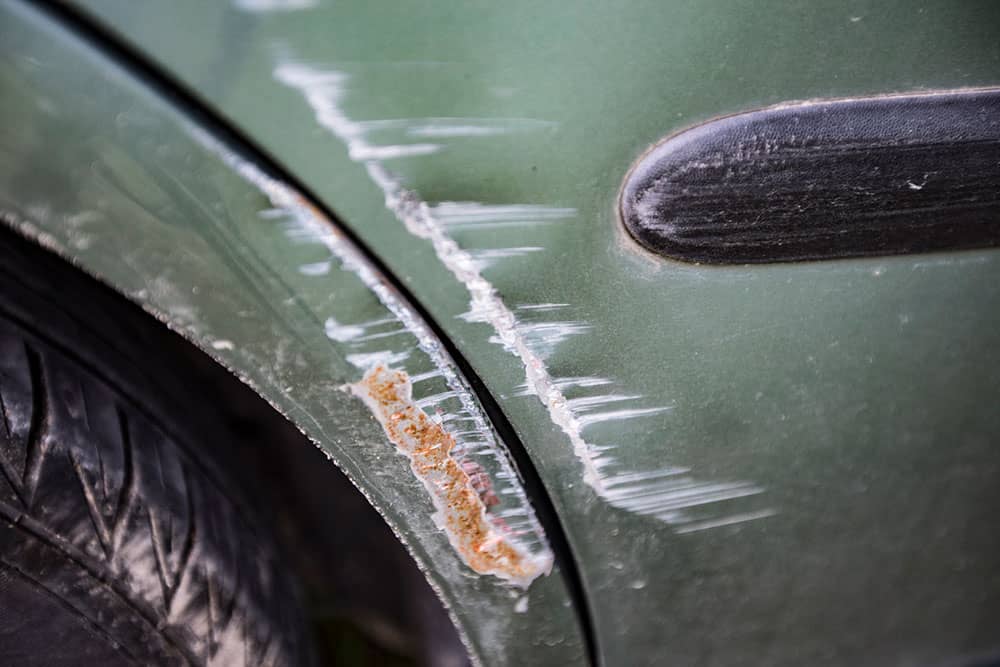
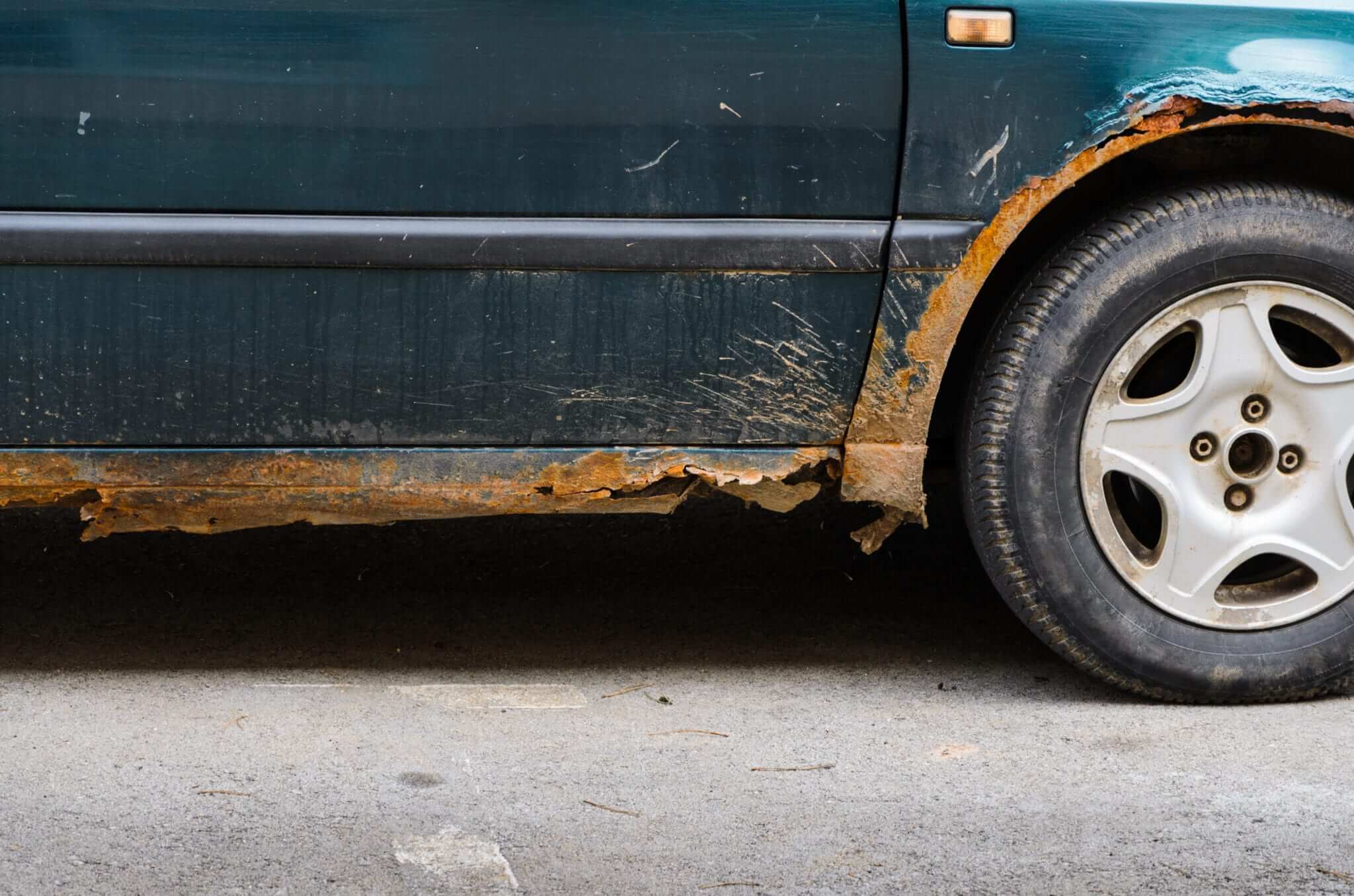
Rust occurs when iron in the steel reacts with oxygen and moisture. This chemical process, known as oxidation, creates a brittle layer that eats through your body panels. I always start by inspecting the lower door edges, wheel wells, and rocker panels, as these areas collect road salt and debris. If you notice bubbling paint, that is a clear signal that rust is already growing underneath the surface. Taking early action is the best way to prevent a minor surface issue from turning into a hole that requires metal patching.
Professional Steps to Remove Surface Rust
When I encounter surface-level rust, I rely on a systematic approach to ensure the metal is fully protected. First, you must sand the area down to the bare, shiny metal using fine-grit sandpaper or a wire wheel. Once the corrosion is gone, cleaning the surface with a high-quality wax and grease remover is vital for proper adhesion. After the area is clean, applying a rust-converting primer is the most effective way to neutralize any remaining microscopic rust particles. Finally, color-match your paint and apply a high-quality clear coat to seal the repair from the elements.

Preventive Maintenance Strategies
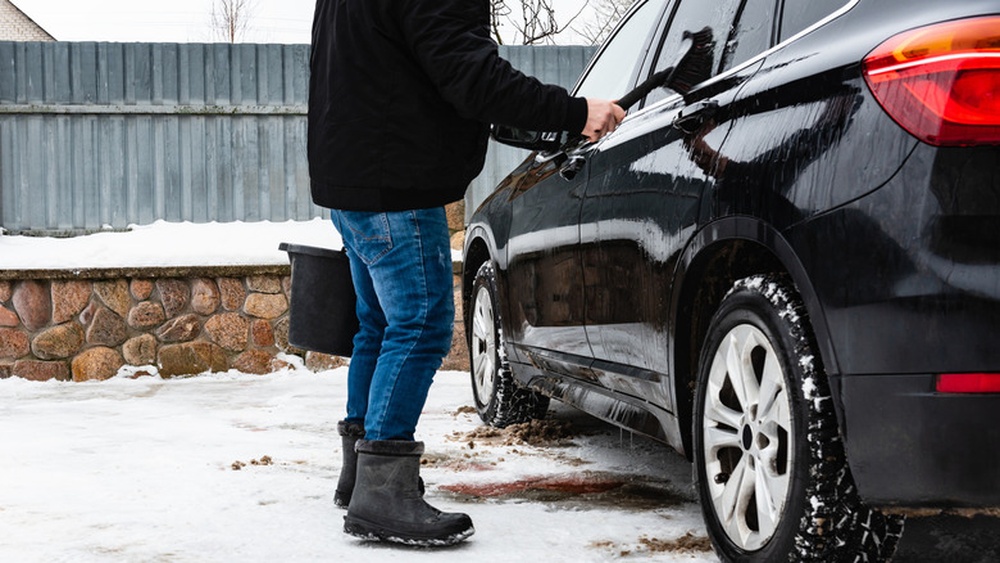
Stopping rust on a car requires a consistent proactive routine rather than reactive repairs. During winter months, I make sure to visit a car wash that offers an undercarriage spray at least once a week. Removing road salt is critical because salt acts as a catalyst that accelerates the oxidation process significantly. Applying a ceramic coating or a high-quality car wax to your paint provides a sacrificial barrier against moisture and environmental pollutants. I also recommend checking your interior floor mats; damp carpet is a leading cause of rust from the inside out.

Choosing the Right Rust Inhibitors
The market is flooded with products, but choosing the right one makes a massive difference in long-term results. For hard-to-reach areas like the inside of door panels or frame rails, I prefer using oil-based cavity waxes. These sprays crawl into tight crevices and displace moisture, effectively killing rust where it hides. For exposed undercarriage components, a thick, rubberized undercoating provides physical protection against rock chips and road debris. Always read the manufacturer instructions carefully, as some products require specific temperature ranges to cure correctly.

Frequently Asked Questions
Can I fix deep rust holes with just paint?
No, you cannot fix deep rust holes with paint because the metal is structurally compromised. You must cut out the affected metal, weld in a patch panel, and properly finish the surface to ensure safety.
How often should I apply rust protection?
Most professional rust-proofing treatments should be reapplied every one to two years depending on your climate. If you live in a region with heavy snowfall and road salt, consider an annual inspection.
Does washing my car in winter really help?
Yes, washing your car during winter is essential because it removes corrosive salt and grime from the paint and frame. Make sure to rinse the undercarriage thoroughly to flush out accumulated debris.
What is the best way to stop rust on a classic car?
For classic vehicles, keep them in a climate-controlled garage to maintain low humidity levels. Using a dehumidifier in your storage area is an excellent way to prevent rust from forming during long periods of inactivity.
Can WD-40 be used to stop rust?
While WD-40 can displace water and provide a temporary barrier, it is not a permanent solution for rust prevention. Use dedicated automotive-grade rust inhibitors that are designed to withstand road conditions and heat.
Conclusion
Mastering how to stop rust on a car is a rewarding skill that extends the lifespan of your vehicle and saves you thousands in body shop repairs. By staying vigilant, addressing small spots immediately, and keeping your undercarriage clean, you can effectively keep the corrosive forces of nature at bay. Remember that consistency is the true secret to success in automotive preservation. Take the time this weekend to inspect your car for early signs of oxidation and start protecting your investment today. Feel free to reach out with your own success stories or leave a comment below if you have questions about specific products.