
To clean leather car seats effectively, use a pH-neutral leather cleaner, a soft-bristled brush, and a microfiber cloth regularly.
Maintaining the interior of your vehicle is about more than just aesthetics; it is about preserving the structural integrity of your investment. Having spent years detailing high-end luxury vehicles, I have learned that leather is essentially skin that requires consistent hydration and gentle care to prevent cracking and fading. Learning how to clean leather car seats correctly can extend the lifespan of your upholstery by years. By following this guide, you will gain the professional insights necessary to keep your cabin looking showroom fresh while avoiding common mistakes that can permanently damage delicate materials.
Why Proper Leather Maintenance Matters
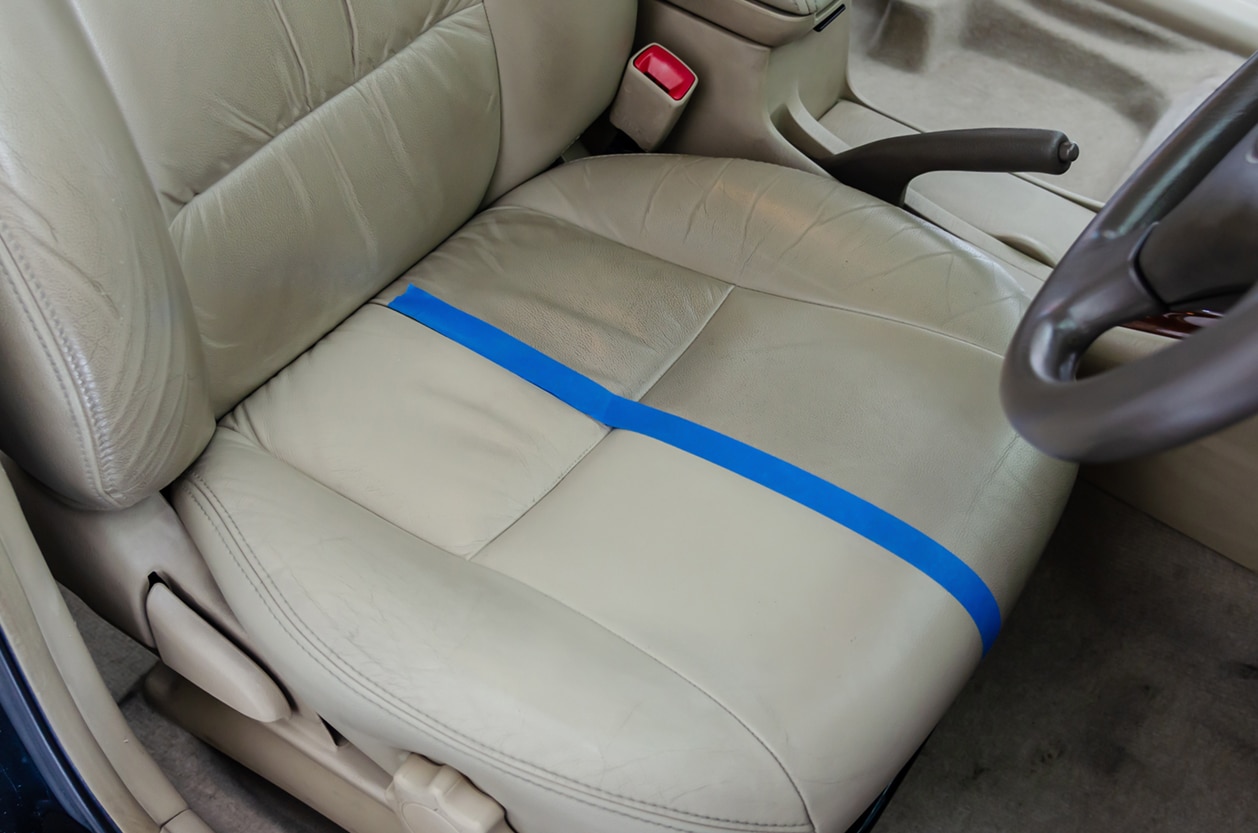
Leather is a porous, natural material that breathes. When you neglect to clean your seats, dust, body oils, and UV rays work together to strip away the protective oils inherent in the hide. This process eventually leads to unsightly cracks and a stiff texture. Once leather begins to peel or crack, restoration becomes significantly more expensive. Understanding how to clean leather car seats is the first line of defense against the inevitable wear and tear of daily driving.
From my personal experience, the most common error beginners make is using harsh household cleaners. Many people assume that if a spray cleans a kitchen counter, it is safe for a luxury vehicle. In reality, these chemicals often have a high pH level that can strip the factory finish and cause rapid dehydration. Always prioritize products specifically designed for automotive leather to ensure the pH balance remains safe for the material.
:max_bytes(150000):strip_icc()/how-to-clean-leather-car-seats-5204366-07-7bd9d1ef3e474a24ae1cdbf932a789e2.JPG)
Tools You Need for the Job
Before you begin, gather the right supplies to ensure you do not inadvertently scratch the surface. A professional kit for learning how to clean leather car seats should include the following items.
- A dedicated, pH-neutral leather cleaner that is safe for automotive use.
- A soft-bristled interior cleaning brush to agitate the cleaner without damaging the grain.
- Several clean, dry microfiber cloths to lift away the dirt.
- A high-quality leather conditioner to restore moisture after the cleaning process.
Using a soft brush is crucial because it reaches deep into the textured grain of the leather where dirt hides. A cloth alone often smears grime around rather than lifting it out of the crevices.
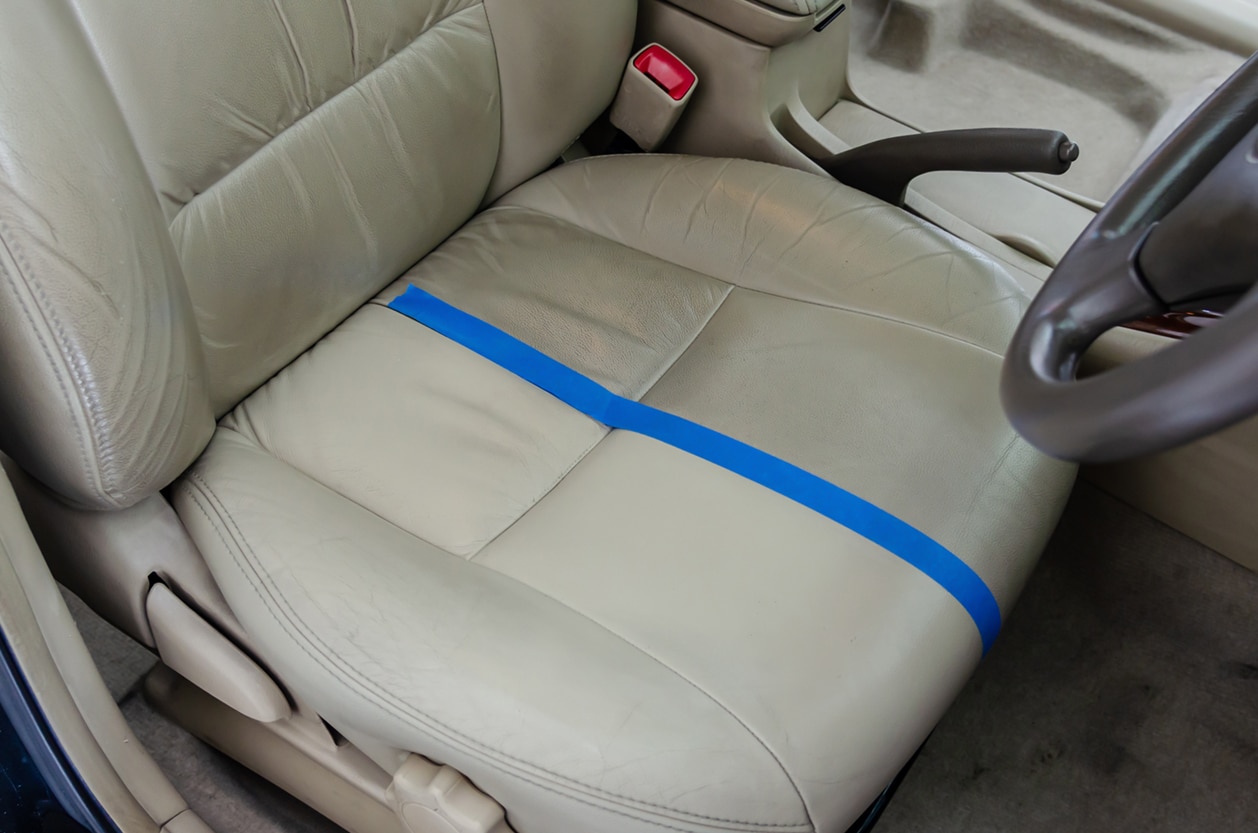
Step by Step Process for Cleaning
Start by vacuuming the seats thoroughly using a soft brush attachment. This step is vital because loose dirt and sand particles act like sandpaper if they are dragged across the leather during the wet cleaning phase. Once the surface is clear, follow these instructions to clean leather car seats with precision.
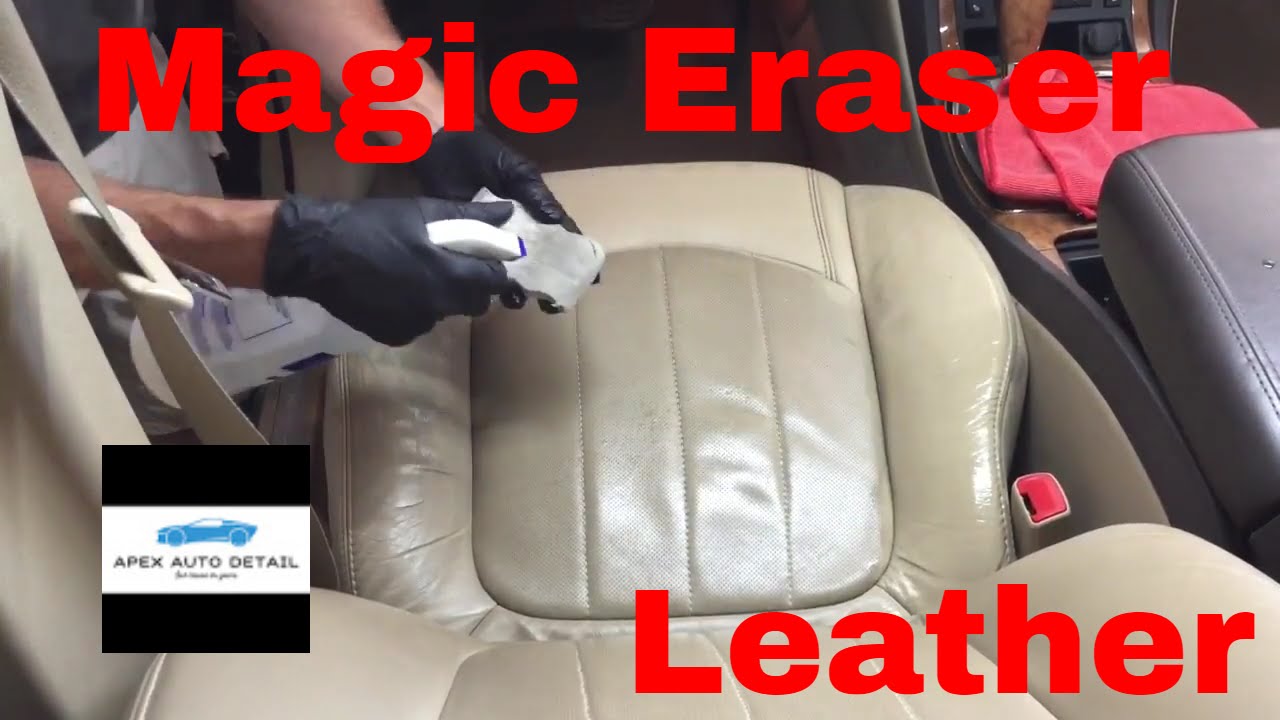
- Spray a small amount of leather cleaner onto your brush or directly onto the seat surface. Do not soak the leather, as excess liquid can seep into the stitching.
- Gently scrub the leather in a circular motion. You should see the cleaner begin to lift the dirt from the pores.
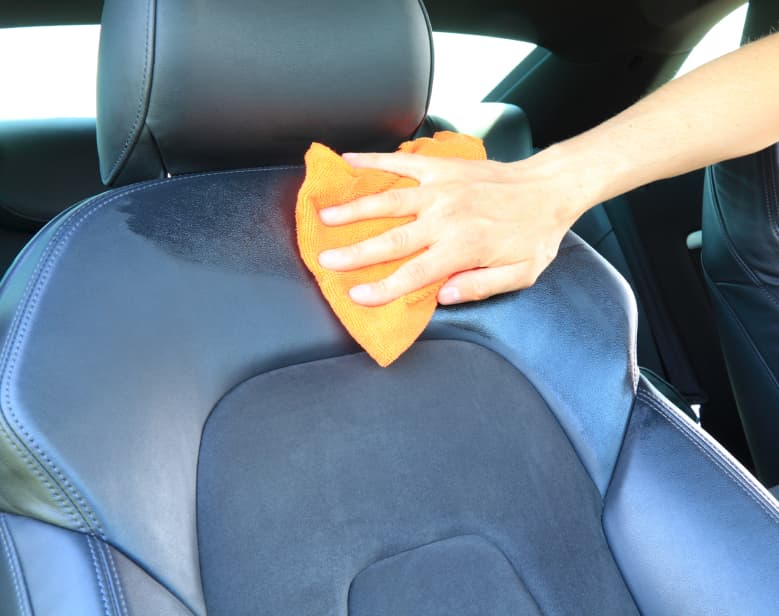
- Immediately wipe away the residue with a clean, dry microfiber cloth. If you let the cleaner dry on the surface, it may leave streaks.
- Inspect the area for any remaining spots. If you see stubborn stains, repeat the process with gentle pressure rather than aggressive force.
- Apply a light layer of leather conditioner once the seat is completely dry. Use a soft applicator pad to work the conditioner into the surface, then buff it off with a clean cloth.
I recall a time I worked on a neglected vintage interior; the leather was nearly gray from dirt buildup. By working in small sections and letting the conditioner set for a few minutes before buffing, I was able to restore the deep, rich color of the hide. Patience is always more effective than scrubbing harder.
Frequently Asked Questions of how to clean leather car seats
How often should I clean my leather car seats?
You should aim to perform a light cleaning every three months to prevent dirt buildup. If you live in a hot or sunny climate, consider conditioning them more frequently to prevent drying.
Can I use baby wipes to clean leather seats?
You should avoid using baby wipes because they often contain alcohol or perfumes that can dry out and damage the leather finish over time. Stick to pH-neutral cleaners specifically formulated for automotive use to ensure long-term safety.
What should I do if I spill a liquid on my leather seats?
Blot the spill immediately with a clean, absorbent microfiber cloth to soak up as much liquid as possible. Do not rub the spill, as this can push the liquid deeper into the stitching or pores of the leather.
How do I remove deep stains from light colored leather?
Use a specialized leather cleaner and a soft brush to gently agitate the stained area in a circular motion. If the stain persists, a professional leather cleaning kit with a specialized stain remover may be necessary to avoid damaging the dye.
Is it necessary to condition the leather every time I clean it?
Yes, conditioning is essential because the cleaning process removes the protective oils along with the dirt. Applying a conditioner restores the suppleness of the leather and creates a barrier against future UV damage and cracking.
Conclusion
Mastering how to clean leather car seats is a simple yet rewarding task that pays dividends in both comfort and resale value. By utilizing the correct pH-neutral products and maintaining a routine of regular cleaning and conditioning, you keep your interior looking as luxurious as the day it left the factory. Remember that consistency is far more effective than an occasional deep, aggressive cleaning. Start your maintenance routine today and take pride in a clean, healthy, and long-lasting car interior. If you found these tips helpful, feel free to share this guide with other car enthusiasts or leave a comment below about your own detailing experiences.