
Safely jump starting a dead car battery involves connecting a charged battery to a dead one with jumper cables following specific steps. There are few feelings more frustrating than turning the key only to be met with silence or a weak click – a telltale sign of a dead car battery. Knowing how to jump start a dead car battery isn't just a useful skill; it's an essential piece of automotive literacy that can save you time, stress, and money. As someone who has spent years navigating various vehicle predicaments, I understand the anxiety a dead battery can cause, and I’m here to guide you through the process with confidence and clarity.
Understanding a Dead Car Battery: Causes and Signs
A dead car battery is essentially a battery that no longer holds sufficient electrical charge to power your vehicle's starter motor and ignition system. It’s a common issue, and understanding why it happens is the first step in knowing how to jump start a dead car battery effectively and prevent recurrence.
Several factors can lead to a battery’s demise:
- Lights or Accessories Left On: This is perhaps the most common culprit. Forgetting to turn off your headlights, interior dome light, or even leaving a phone charger plugged in can slowly drain the battery overnight.
- Extreme Temperatures: Both extreme cold and extreme heat can significantly reduce a battery's capacity and lifespan. Cold weather thickens engine oil, requiring more power to crank the engine, while heat accelerates internal chemical reactions, leading to faster degradation.
- Faulty Alternator: The alternator is responsible for charging the battery while the engine is running. If it fails, the battery won't recharge, eventually leading to a complete discharge.
- Old Battery: Car batteries typically last 3-5 years. As they age, their ability to hold a charge diminishes due to internal wear and tear.
- Infrequent Use: Cars that sit for extended periods can slowly lose charge, especially if there are parasitic drains from onboard electronics.
Recognizing the signs of a dead battery is crucial:
- No Crank or Slow Crank: When you turn the key, the engine either makes no sound at all, or it struggles to turn over very slowly.
- Dim or Non-Existent Lights: Headlights, interior lights, and the dashboard lights will be very dim or won't turn on at all.
- Clicking Sound: A rapid clicking sound when you try to start the car often indicates that the starter motor isn't receiving enough power.
Knowing these signs will quickly confirm your suspicion that you need to learn how to jump start a dead car battery.
What causes a car battery to die?
A car battery commonly dies from leaving lights or accessories on, extreme weather, a faulty alternator that fails to recharge it, or simply from old age and infrequent use.
Essential Tools for a Successful Jump Start
Before you attempt to jump start a dead car battery, gathering the right tools is paramount for safety and success. Having these items readily available in your vehicle can turn a stressful situation into a manageable one.
Here’s what you’ll need:
- Jumper Cables: This is the most critical item. Look for heavy-gauge cables (4-gauge or 6-gauge are ideal) as they can carry more current. Longer cables (16-20 feet) offer more flexibility when positioning vehicles. Cheap, thin cables can overheat or simply not provide enough juice.
- A Donor Vehicle with a Charged Battery (or a Portable Jump Starter): You’ll need another car with a functioning battery, or for ultimate convenience, a portable jump starter. I personally carry a portable jump starter in my trunk; it's a lifesaver when no other car is around and makes the process of how to jump start a dead car battery even simpler.
- Safety Gear:
- Gloves: Protect your hands from dirt, grime, and potential acid splashes.
- Safety Glasses: Crucial for protecting your eyes from sparks or battery acid, especially if there’s a risk of the battery off-gassing.
- Flashlight (Optional but Recommended): If you're dealing with a dead battery at night or in a dimly lit area, a flashlight makes identifying terminals and connections much easier.
- Basic Tools (Optional): Sometimes battery terminals can be corroded or loose, requiring a wrench to clean or tighten them.
Ensuring you have these tools not only prepares you for the task of how to jump start a dead car battery but also minimizes risks and maximizes efficiency.
Step-by-Step Guide: How to Jump Start a Dead Car Battery Safely
Successfully jump starting a dead car battery requires careful attention to detail and following a specific sequence to ensure safety for both vehicles and individuals. Having performed this countless times, I can attest that precision prevents problems.
Here’s the step-by-step process:
-
Preparation and Safety First:
- Position the donor vehicle (the one with the charged battery) so its front end is close to the front end of the disabled vehicle, but not touching. This allows the jumper cables to reach both batteries comfortably.
- Ensure both cars are in Park (automatic) or Neutral (manual) and turn off their engines.
- Turn off all electrical accessories in both vehicles (lights, radio, air conditioning) to prevent electrical surges.
- Engage the parking brakes on both cars.
- Put on your safety glasses and gloves.
- Inspect both batteries for any cracks, leaks, or severe corrosion. If you notice any damage or a strong sulfur smell from the dead battery, do NOT attempt to jump start it. Call for professional assistance instead.
-
Connect the Jumper Cables:
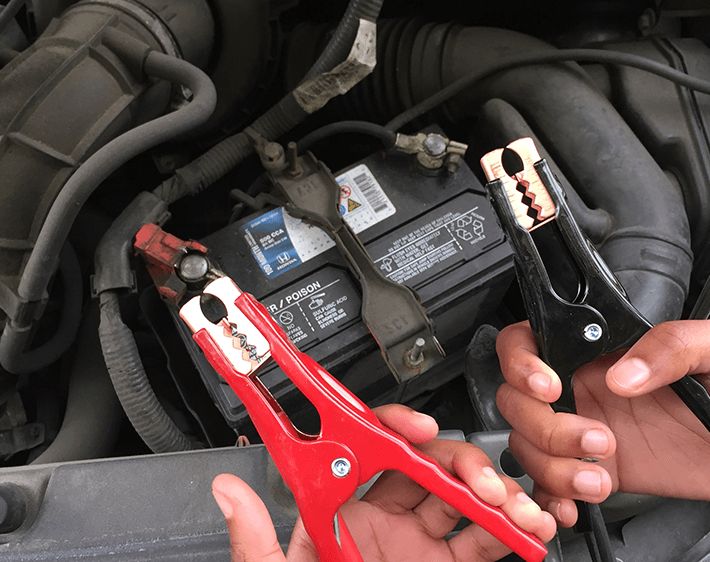
- Locate the positive (+) and negative (-) terminals on both batteries. The positive terminal is usually larger and marked with a plus sign, often covered by a red cap. The negative terminal is marked with a minus sign, typically black.
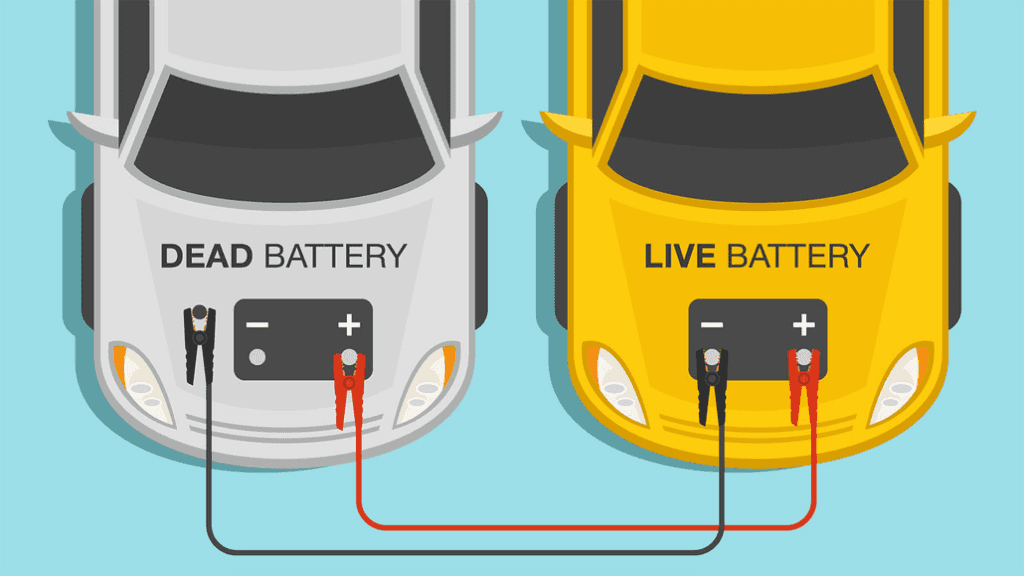
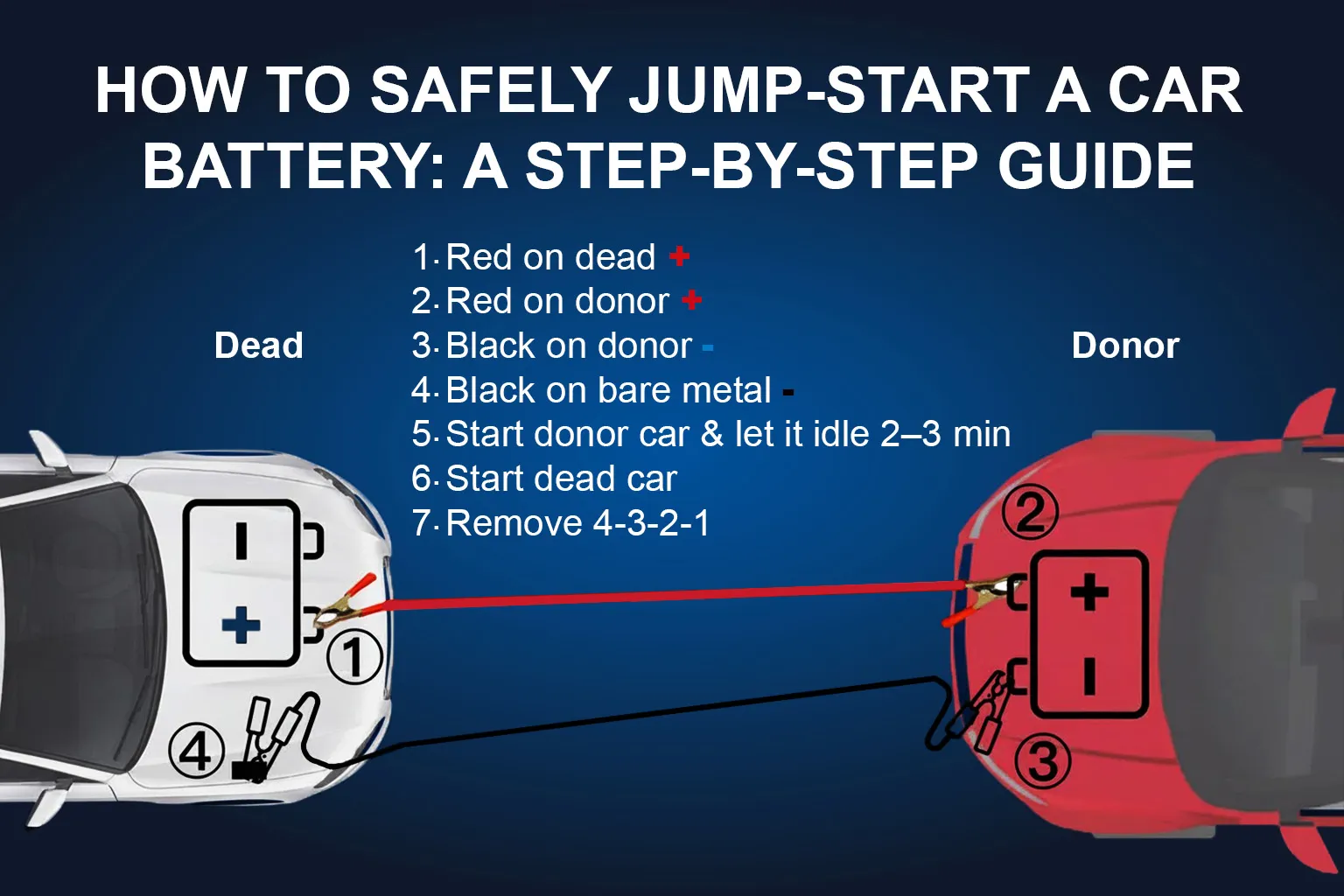
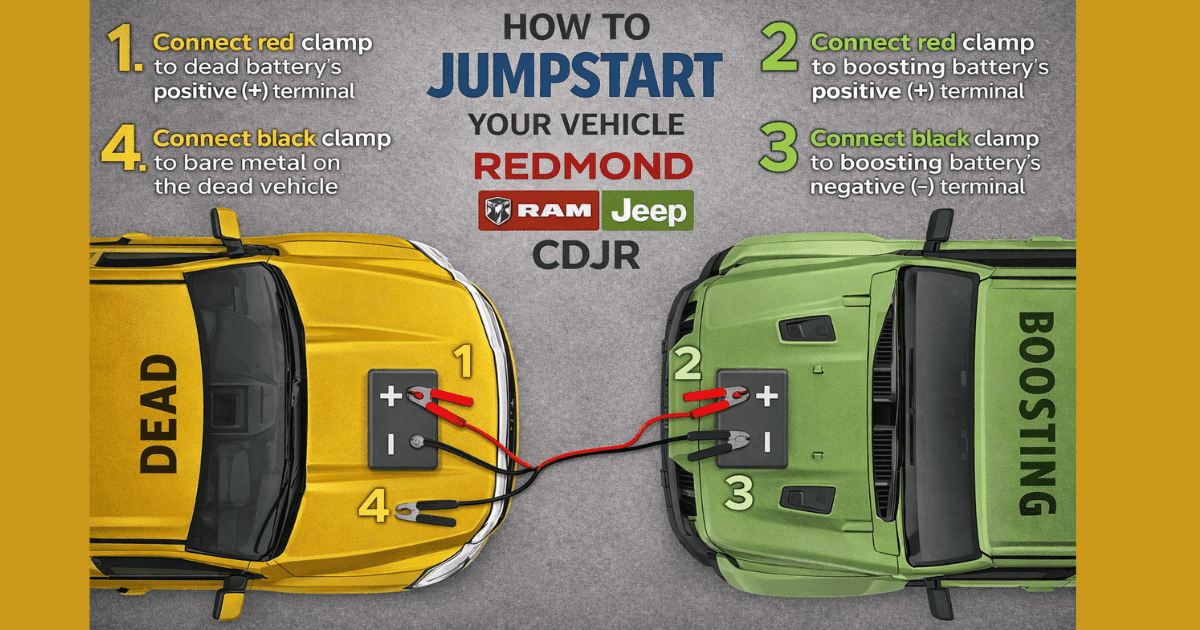
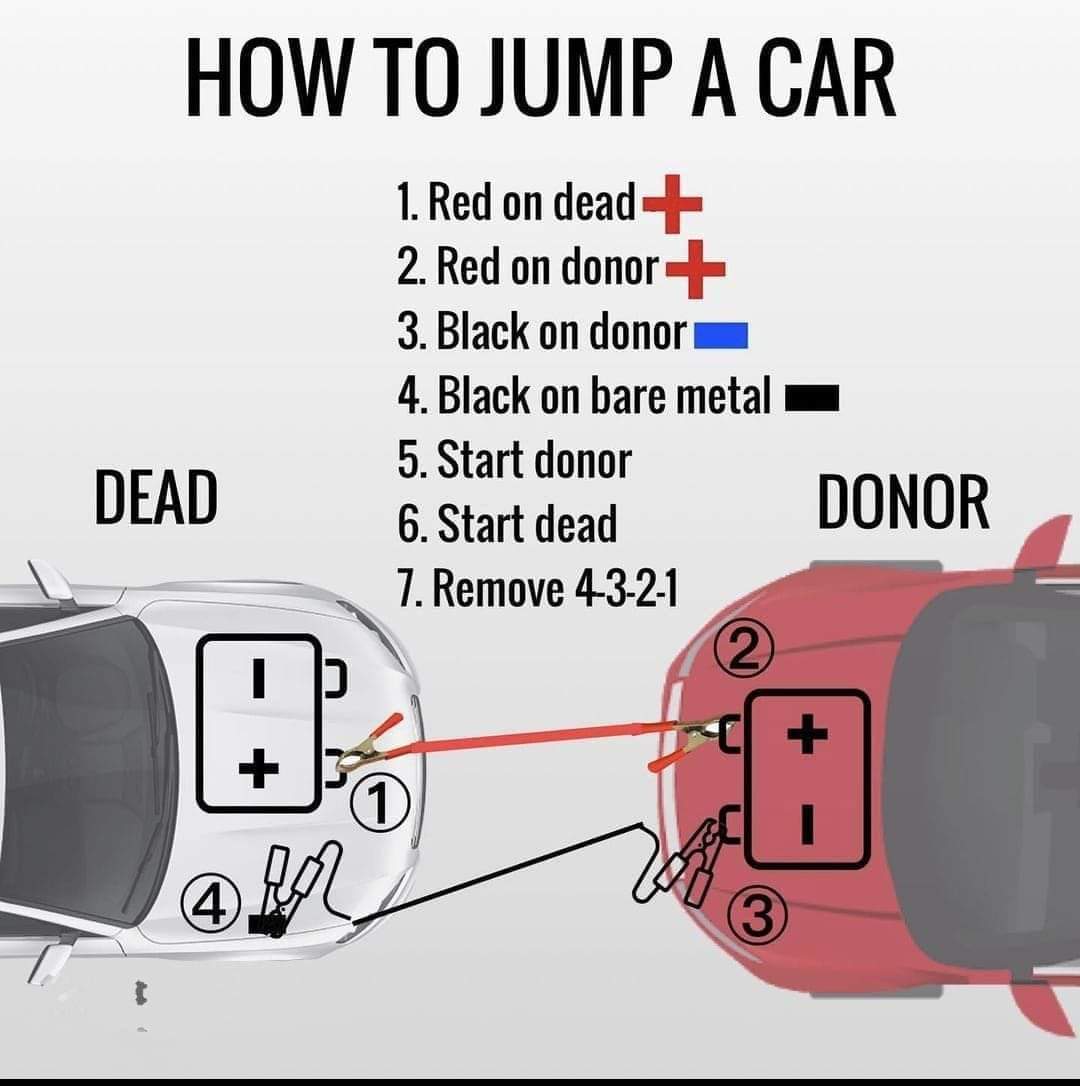
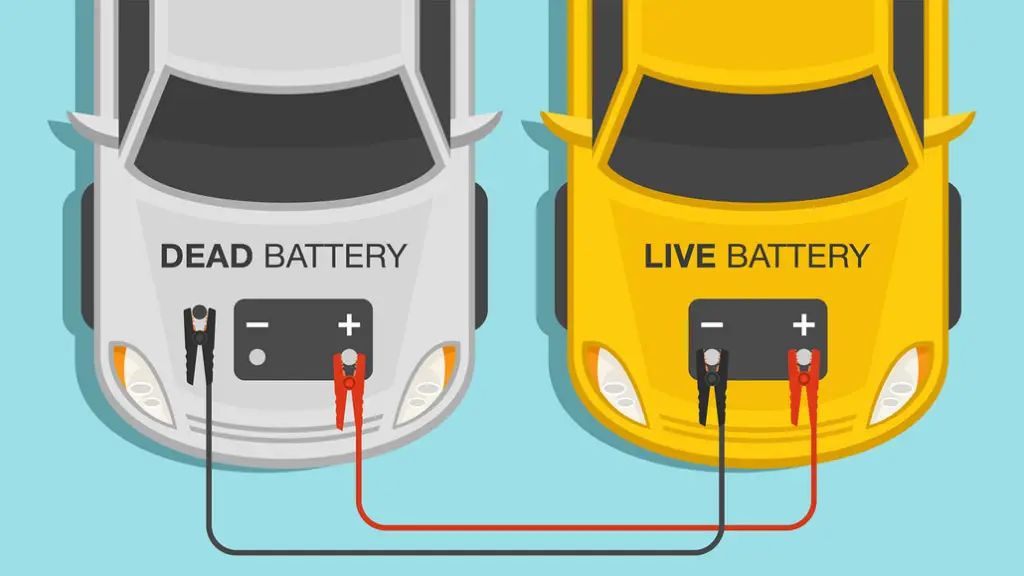
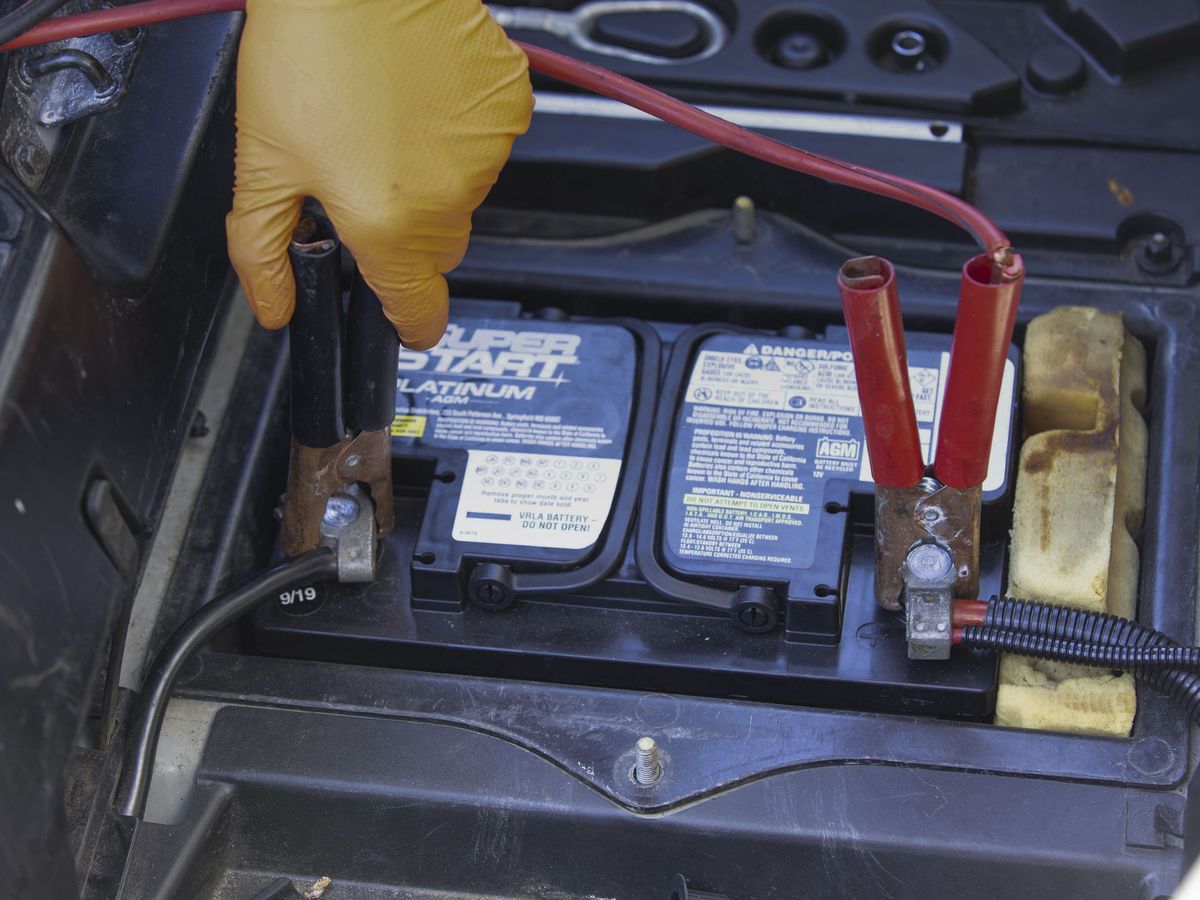
- Connect the red positive (+) clamp to the positive (+) terminal of the dead battery.
- Connect the other end of the red positive (+) clamp to the positive (+) terminal of the donor battery.
- Connect the black negative (-) clamp to the negative (-) terminal of the donor battery.
- Connect the remaining black negative (-) clamp to an unpainted metal surface on the engine block or frame of the dead car, away from the battery and moving parts. This creates a safe ground and helps prevent sparks near the battery, which could ignite hydrogen gas. Avoid connecting it directly to the negative terminal of the dead battery.
-
Start the Donor Vehicle:
- Once all cables are securely connected, start the engine of the donor vehicle.
- Let it run for 5-10 minutes to allow its alternator to charge the dead battery slightly. This gives the dead battery a small boost before attempting to start the disabled car.
-
Attempt to Start the Dead Vehicle:
- After the charging period, try starting the engine of the dead car.
- If it starts, let both cars run for several minutes (at least 15-20 minutes) to allow the newly started car’s alternator to further charge its battery.
- If it doesn't start after a couple of tries, wait a few more minutes with the donor car running, then try again. If it still doesn't start, there might be a deeper issue than just a dead battery, such as a faulty starter or alternator.
-
Disconnect the Jumper Cables (in reverse order):
- Turn off the engine of the donor vehicle first.
- Carefully remove the black negative (-) clamp from the unpainted metal surface of the now-started car.
- Remove the black negative (-) clamp from the negative terminal of the donor battery.
- Remove the red positive (+) clamp from the positive terminal of the donor battery.
- Finally, remove the red positive (+) clamp from the positive terminal of the now-started car.
- Ensure the clamps don't touch each other or any metal surfaces on the cars while disconnecting.
I remember one chilly morning when a friend called me, desperate, because his car wouldn't start before an important meeting. He had connected the negative clamp of the dead car directly to its battery. When I arrived, I showed him how to jump start a dead car battery correctly by connecting the negative clamp to the engine block for safety. His car started right up, and he was amazed at the difference such a small detail made. It truly highlights the importance of following the steps precisely.
What is the correct order to connect jumper cables?
Connect the red positive clamp to the dead battery's positive terminal, then the other red clamp to the donor battery's positive terminal. Next, connect the black negative clamp to the donor battery's negative terminal, and finally, the remaining black clamp to an unpainted metal surface on the dead car's engine block or frame.
Troubleshooting Common Jump Start Issues
Even when you know how to jump start a dead car battery, sometimes things don't go as planned. It’s frustrating when your car still won't start after following all the steps. Don't panic; several common issues can prevent a successful jump start.
Here's how to troubleshoot:
- No Click or Slow Crank After Jump:
- Check Cable Connections: Ensure all four clamps are securely attached and making good contact. Corroded terminals can impede current flow, so try wiggling the clamps slightly or cleaning the terminals if possible.
- Allow More Charging Time: If the dead battery was severely depleted, it might need more time to receive a sufficient charge from the donor vehicle. Let the donor car run for an additional 10-15 minutes before trying again.
- Is the Donor Car's Battery Strong Enough? Sometimes, the donor battery itself might not be robust enough to provide the necessary power, especially if it's an older or smaller battery.
- Rapid Clicking, No Start:
- This usually indicates that the starter motor is still not getting enough power. Recheck all connections, ensuring they are firm and clean.
- The battery might be too far gone to accept a jump, or the issue could be with the starter motor itself.
- Car Starts, But Dies Immediately After Cables Are Removed:
- This is a strong indicator of a faulty alternator. The battery isn't recharging while the engine is running. The car is essentially running on the donor battery's power, and once disconnected, it loses its power source.
- In this scenario, a jump start is only a temporary fix. You'll need to drive the car directly to a mechanic or arrange for a tow.
- Smoke or Burning Smell:
- Immediately disconnect the cables in reverse order. This could indicate a short circuit, severely damaged battery, or an issue with the electrical system. Do not reattempt.
When troubleshooting, always prioritize safety. If you've tried all the steps on how to jump start a dead car battery and it still won't budge, or if you suspect a more serious mechanical issue like a bad starter or alternator, it's time to call a professional roadside assistance service or a mechanic. Pushing a car to start beyond its limits can cause more damage.
My car won't start after a jump, what now?
If your car still won't start after a jump, recheck all cable connections for looseness or corrosion, allow more charging time, or consider if the donor battery is strong enough. Persistent failure might indicate a faulty starter, alternator, or a battery too dead to recover, requiring professional assistance.
Maintaining Your Car Battery to Prevent Future Jump Starts
Knowing how to jump start a dead car battery is a valuable skill, but preventing the need for one is even better. Regular maintenance and mindful driving habits can significantly extend your battery's life and save you from inconvenient breakdowns.
Here are some key tips for battery longevity:
- Regular Battery Checks:
- Clean Terminals: Periodically inspect your battery terminals for corrosion (a fuzzy, white, or blue-green buildup). This buildup can prevent a good electrical connection. You can clean it with a wire brush and a mixture of baking soda and water.
- Check for Tight Connections: Ensure the cable clamps on the battery terminals are tight and secure. Loose connections can lead to poor charging and starting issues.
- Inspect the Battery Case: Look for any cracks, bulges, or leaks in the battery case, which can indicate internal damage or overcharging.
- Monitor Fluid Levels (for maintainable batteries): Some older or heavy-duty batteries have removable caps where you can check and top off the electrolyte fluid with distilled water. Most modern batteries are "maintenance-free" and sealed, so this step won't apply.
- Mind Your Driving Habits:
- Avoid Short Trips: Frequent short drives (less than 20 minutes) don't give your alternator enough time to fully recharge the battery, especially after starting.
- Regular Longer Drives: Aim for at least one longer drive (30+ minutes) each week to ensure the battery gets a complete charge.
- Turn Off Accessories: Always remember to turn off headlights, interior lights, and unplug phone chargers or other accessories when you leave your car.
- Use a Battery Tender for Infrequent Use: If you have a car that sits for extended periods (weeks or months), invest in a "trickle charger" or "battery maintainer." These devices keep the battery at an optimal charge without overcharging, preventing deep discharge.
- Test Your Battery Regularly: Many auto parts stores offer free battery testing services. This can help you gauge your battery's health and predict when it might need replacement before it completely dies.
- Know When to Replace It: Batteries typically last 3-5 years. If your battery is nearing this age, or if you notice your car struggling to start more often, it might be time for a proactive replacement to avoid needing to jump start a dead car battery repeatedly.
By integrating these maintenance practices into your routine, you can significantly reduce the chances of encountering a dead car battery and keep your vehicle reliably on the road.
Frequently Asked Questions
Can I jump start a car with a bad alternator?
Yes, you can jump start a car with a bad alternator, but it will only provide a temporary solution. The car might start and run for a short while, but because the alternator isn't recharging the battery, the car will eventually die again once the limited charge in the battery is depleted.
How long should I leave jumper cables connected?
After successfully jump starting a dead car battery, you should leave the jumper cables connected for about 5-10 minutes while both cars run. This allows the dead battery to receive a bit of a charge from the donor vehicle before you attempt to drive away.
Is it safe to jump start a hybrid car?
Jump starting a hybrid car requires caution. While most hybrid vehicles have a conventional 12-volt battery that can be jump-started, it's often located in the trunk or under the rear seat, not under the hood, and specific connection points might be designated. Always consult your owner's manual for precise instructions to avoid damaging the hybrid system.
What if I connect jumper cables incorrectly?
Connecting jumper cables incorrectly, especially reversing polarity (positive to negative), can be dangerous. It can cause sparks, potentially damage the electrical systems of both vehicles, and even lead to battery explosion. Always double-check the positive and negative terminals before connecting.
How do I know if my car battery is truly dead or just discharged?
A discharged battery will often accept a jump start and hold a charge afterward, especially if the cause was something simple like lights left on. A truly dead battery, however, often won't hold a charge even after a jump, or it may not accept a jump at all, indicating internal damage or an inability to generate power.
Conclusion
Mastering how to jump start a dead car battery is a fundamental skill for any driver, offering immediate relief in a common and inconvenient situation. By understanding the causes of battery failure, assembling the right tools, and diligently following the step-by-step procedure, you empower yourself to tackle this challenge safely and effectively. Remember, proper connection and disconnection are paramount for avoiding damage and ensuring personal safety. While knowing how to jump start a dead car battery is crucial, proactive maintenance through regular checks, mindful driving habits, and timely replacements will significantly extend your battery's life and minimize the need for emergency jump starts. Don't wait for a breakdown to learn this vital lesson; take control of your vehicle's reliability today. Keep those cables handy, maintain your battery, and drive with confidence. What are your personal tips for battery maintenance, or a memorable jump-start story? Share your experiences in the comments below!