

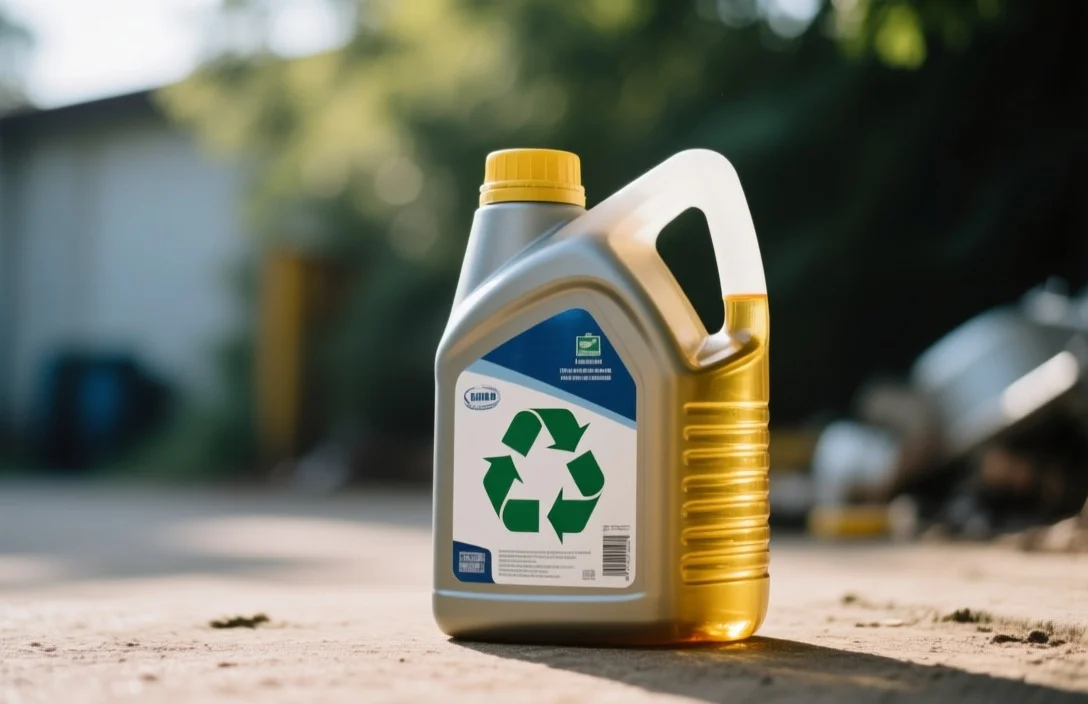
Every gallon of used engine oil contains thousands of milligrams of heavy metals and petroleum residues, yet more than 40 % of U.S. drivers still pour it down the drain or toss it in the trash. This guide outlines the exact process of turning that hazardous liquid into a recyclable resource, from gathering the oil to locating the right drop‑off point. Follow these steps to keep pollutants out of waterways and avoid fines.
Used engine oil can be recycled at most auto parts stores, service centers, and municipal hazardous‑waste sites; just bring the oil in a sealed, labeled container, and most facilities will accept up to 5 gal per drop‑off without charge.
Key Takeaways
- Collect safely. Use a sturdy, leak‑proof container and label it “Used Engine Oil” before transport.
- Filter first. Removing metal chips and sludge extends the life of the recycling process.
- Know your drop‑off. Major chains such as AutoZone and O Reilly accept oil free of charge.
- Avoid contamination. Never mix oil with gasoline, coolant, or antifreeze.
- Use local resources. Municipal hazardous‑waste sites often provide free collection days.
- Recycle other fluids. Transmission and brake fluids follow similar drop‑off rules.
How to Recycle Used Engine Oil Safely
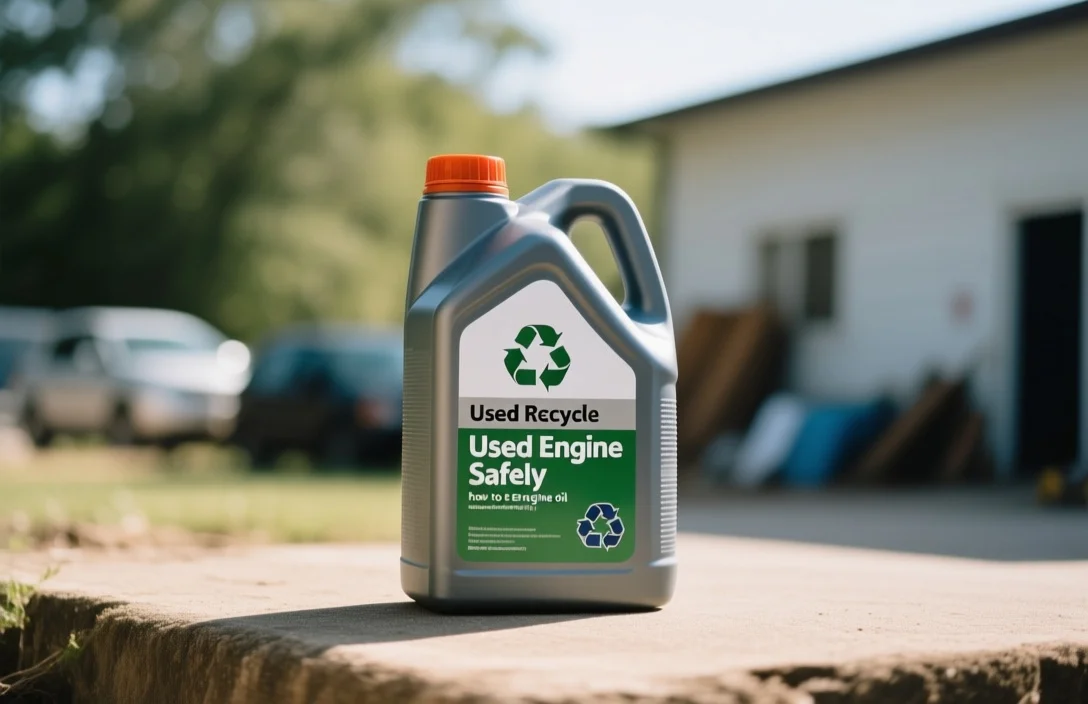
Cool the oil completely before handling to prevent warping plastic containers and increasing spill risks. Strain the fluid through a fine‑mesh screen to catch metal shavings and carbon particles that could damage recycling equipment. Seal the container tightly, label it clearly, and transport it to an approved recycling location within 30 days of collection. When you arrive, staff will typically inspect the container for leaks and verify that the oil is not mixed with other chemicals. If it passes, the oil moves to a re‑refining facility where it is cleaned, filtered, and blended into new lubricants, saving up to 30 % of the energy needed to produce fresh oil.
Containers and Tools for Collecting Used Oil
A 5‑gallon HDPE jug with a screw‑on lid is the industry standard for collecting used oil. This high‑density polyethylene material resists chemical corrosion and won’t crack under temperature changes. For smaller jobs, a 1‑gallon metal can with a tight‑fit lid works well, but line the interior with a disposable bag to simplify cleanup. A wide‑mouth funnel reduces splashing when pouring from the engine drain pan, and disposable gloves protect your skin from oil‑borne contaminants. Keep a spill‑containment pad nearby; a single sheet can soak up up to 2 quarts of oil and prevent it from seeping into concrete or soil.
- 5‑gallon HDPE jug – chemical‑resistant, reusable, accepted at most facilities.
- 1‑gallon metal can – compact, ideal for occasional changes, must be lined.
- Wide‑mouth funnel – minimizes splash, fits most drain plugs.
- Disposable gloves – prevent skin contact with hazardous fluids.
- Spill‑containment pad – absorbs accidental leaks, easy to dispose of.
Local Auto Parts Stores and Service Centers
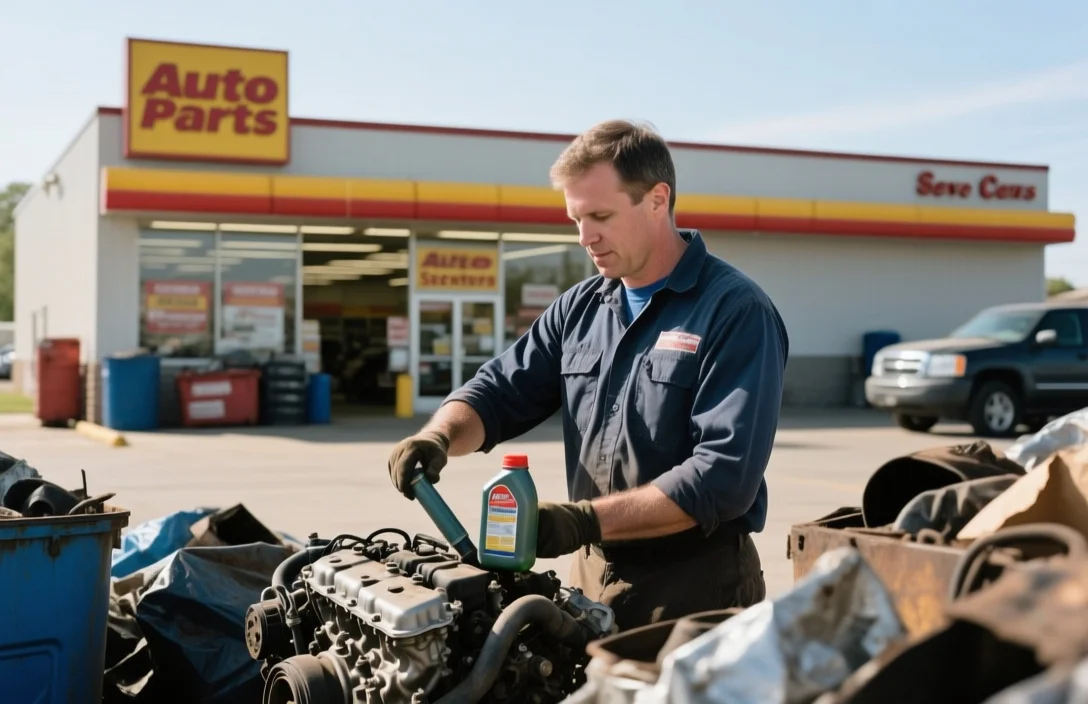
AutoZone, O Reilly Auto Parts, and Advance Auto Parts all accept used engine oil for free at their in-store recycling bins. Most locations limit drop-offs to 5 gallons per customer per day, though policies vary by state. Some stores even offer a small discount on oil filters when you bring in used oil, encouraging repeat recycling. If your local store does not display an oil‑recycling bin, ask a staff member; many locations have hidden containers that are not advertised. When you arrive, place the sealed container in the designated bin and hand the staff the label. They will usually confirm the oil’s condition and give you a receipt, which can be useful for tax‑deduction records if you claim a charitable contribution for environmental work.
| Retailer | Max Volume per Visit | Fee | Typical Hours for Drop‑off |
|---|---|---|---|
| AutoZone | 5 gal | Free | 8 am - 9 pm (Mon‑Sat) |
| O Reilly Auto Parts | 5 gal | Free | 7 am - 8 pm (Mon‑Sat) |
| Advance Auto Parts | 5 gal | Free | 9 am - 7 pm (Mon‑Sat) |
Hazardous Waste Collection Sites in Your City
Municipal hazardous‑waste sites offer a safe alternative when auto parts stores are unavailable or when you have larger quantities. Most U.S. cities host quarterly collection days where residents can drop off used oil, antifreeze, and other automotive fluids without paying a fee. These sites are equipped with sealed drums and filtration systems that keep contaminants from entering the municipal water supply. To locate the nearest hazardous‑waste site, visit your city’s solid‑waste department website or call the waste‑management hotline. Many departments publish a calendar of collection events, and some even offer curbside pickup for bulk oil containers if you schedule a service request. When you bring oil to a hazardous‑waste site, staff will inspect the container for leaks, verify that the oil is not mixed with other chemicals, and then transfer it to a bulk storage tank for later transport to a re‑refining plant.
Improper disposal can result in hefty fines – up to $5,000 per violation in some states – so using a certified collection site protects both the environment and your wallet.
Environmental Hazards of Improper Oil Disposal
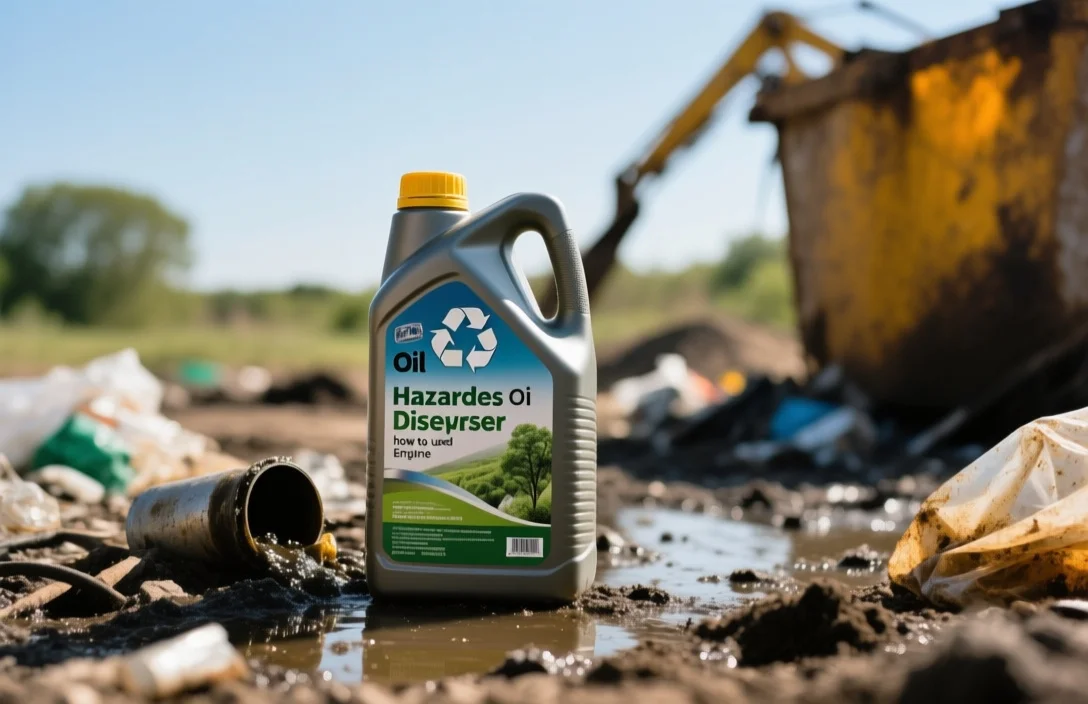
Pouring used engine oil down a drain or onto the ground introduces toxic compounds that can persist in soil and water for decades. A single gallon of oil can coat up to 250 gallons of water, creating a slick that blocks oxygen exchange and harms aquatic life. Heavy metals such as lead, cadmium, and chromium leach into groundwater, posing long‑term health risks for communities that rely on well water. When oil reaches the sewage system, it can clog pipes and interfere with wastewater treatment processes, leading to increased operating costs for municipalities.
Recycling Transmission Fluid and Brake Fluid
Transmission fluid and brake fluid follow the same recycling pathways as engine oil, but they require separate handling because of their distinct chemical compositions. Both fluids are accepted at most auto parts stores and hazardous‑waste sites, provided they are not mixed with water, gasoline, or engine oil. Use a clean, labeled container for each fluid type; mixing them can render the entire batch unrecyclable. Transmission fluid often contains additives that can be reclaimed and reused in new transmission systems, while brake fluid – typically glycol‑based – can be distilled and purified for reuse in brake assemblies. When you bring these fluids to a recycling center, staff will test the sample for contamination and then route it to a specialized re‑refining line. Because brake fluid is hygroscopic, any water absorption reduces its effectiveness, so aim to recycle it within 60 days of collection.
FAQ
How much used engine oil can I bring to an auto parts store?
You can typically bring up to 5 gallons per visit to major retailers such as AutoZone, O Reilly, and Advance Auto Parts, and they accept it free of charge.
Can I mix used engine oil with transmission fluid for recycling?
Do not mix fluids. Recycling facilities require separate containers for each type; mixed fluids are often rejected because they compromise the re‑refining process.
What is the best container for storing used oil at home?
A 5‑gallon HDPE jug with a screw‑on lid is the safest choice; it resists chemical corrosion, is reusable, and is accepted at virtually all recycling locations.
How often do municipal hazardous‑waste sites hold oil‑collection events?
Most cities schedule quarterly collection days, though some offer monthly curbside pickup for larger volumes; check your local solid‑waste department for exact dates.
Are there penalties for illegally dumping used engine oil?
Yes, violations can result in fines up to $5,000 per incident in many states, plus potential environmental cleanup costs if contamination occurs.
Recycling used engine oil is a straightforward habit that protects the environment, saves energy, and keeps you compliant with local regulations. Gather the oil, filter it, seal it in a proper container, and deliver it to a nearby auto parts store or municipal hazardous‑waste site. Your next step: locate the nearest drop‑off point today and turn that dirty gallon into a clean, reusable resource.