

Car interiors degrade fastest due to UV radiation, moisture, and abrasive debris that wear down materials over time. Protecting your cabin requires a combination of physical barriers and chemical sealants to prevent permanent stains and structural cracking. Most owners wait until a spill happens or a crack appears, but proactive maintenance preserves the resale value of the vehicle.
Car interior protection is the process of applying UV blockers, hydrophobic coatings, and physical guards to prevent material degradation. Effective protection involves using a UV-rated protectant on the dashboard every 3 months, treating leather with a pH-balanced conditioner twice a year, and using weather-proof floor liners to block 99% of liquid and dirt from reaching the primary carpet.
Key Takeaways
- UV protection. Apply a non-greasy UV blocker to the dashboard every 90 days to prevent plastic warping.
- Leather care. Condition leather seats every 6 months to keep the hide supple and prevent surface cracking.
- Fabric barriers. Use a hydrophobic fabric spray on seats to create a bead-effect that stops liquids from soaking in.
- Floor management. Install deep-dish rubber floor mats to trap mud and salt before they reach the carpet.
- Product choice. Select water-based cleaners over solvent-based ones to avoid stripping the factory finish from plastics.
- Consistency. Schedule a full interior detail twice a year to remove embedded grit that acts like sandpaper on surfaces.
Car Interior Protection Strategies for Long-Term Durability

Long-term durability depends on managing the three biggest enemies of a car cabin: heat, friction, and moisture. Heat causes the volatile organic compounds in plastics to outgas, leading to that “old car smell” and eventual brittleness. Friction occurs when tiny particles of sand and dirt get trapped in fabric or leather, acting as an abrasive that wears down the material every time you slide into the seat.
Moisture is the most immediate threat, as it leads to mold, mildew, and permanent staining. A strategy that focuses on prevention rather than correction is always cheaper. Instead of paying for a professional steam clean every few months, investing in a few high-quality barriers and a consistent maintenance schedule keeps the interior in factory condition.
For example, parking in a garage or using a high-quality windshield sunshade can reduce cabin temperatures by 20 to 40 degrees on a hot summer day. This simple habit significantly slows the rate of degradation for every single material in the car, from the headliner to the door panels.
A durable protection plan follows a specific hierarchy of needs:
- Physical Barriers. Sunshades, seat covers, and floor liners provide the first line of defense.
- Chemical Shields. UV protectants and fabric guards create a molecular layer that repels contaminants.
- Regular Maintenance. Vacuuming and wiping down surfaces prevents the buildup of abrasive grit.
- Deep Conditioning. Periodic treatments for leather and vinyl keep the materials flexible.
Protecting Leather Seats from Cracking and Fading
Leather is a porous organic material that loses its natural oils when exposed to heat and sunlight. When these oils evaporate, the leather shrinks and becomes brittle, which leads to the small “spider-web” cracks often seen on driver-side seats. Fading occurs when UV rays break down the dyes in the leather, leaving the seats looking patchy or gray.
The best way to prevent this is by using a pH-balanced leather conditioner. Avoid products containing silicone or petroleum distillates, as these can create a greasy film that actually attracts more dirt and may cause the leather to crack faster over time. Look for water-based conditioners that soak into the grain rather than sitting on top of it.
In practice, you should clean the leather with a dedicated leather cleaner first to remove surface oils and grime. If you apply conditioner over a dirty seat, you are simply sealing the dirt into the pores of the leather. Once clean, apply the conditioner with a microfiber applicator, let it dwell for a few minutes, and buff away the excess.
Consider these specific leather protection steps:
- Vacuum thoroughly. Use a soft brush attachment to remove sand from the seams.
- Clean with a pH-neutral cleaner. This removes body oils without stripping the leather.
- Apply a UV-protectant conditioner. This restores moisture and blocks sun damage.
- Avoid harsh chemicals. Never use all-purpose cleaners or dish soap on leather.
Fabric and Upholstery Stain Prevention Methods
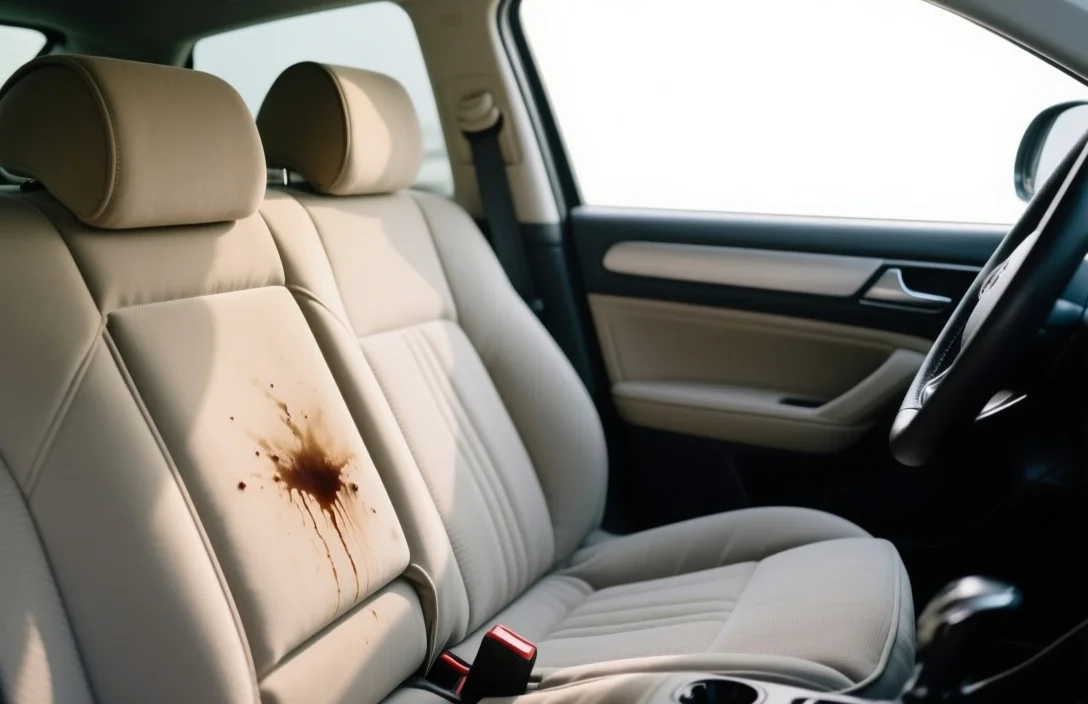
Fabric seats act like sponges, pulling liquids and odors deep into the foam cushioning. Once a liquid penetrates the surface, it carries dirt and bacteria into the padding, making it nearly impossible to remove without a professional extractor. Preventing this requires a hydrophobic barrier that changes the surface tension of the fabric.
Fabric protectors, often based on fluoropolymers, create an invisible shield that causes liquids to bead up on the surface rather than soaking in. This gives you a window of several minutes to blot a spill with a paper towel before it becomes a permanent stain. These treatments are most effective when applied to a perfectly clean surface.
For instance, if you have children or pets, applying a fabric guard every six months is a necessity. Even if you don’t have frequent spills, the guard prevents dust and allergens from embedding themselves in the weave, which keeps the cabin air cleaner.
Effective fabric maintenance involves these tools and techniques:
- Hydrophobic Sprays. These create the “beading” effect that prevents liquid penetration.
- Microfiber Cloths. Use these for blotting spills; never scrub a stain, as scrubbing pushes the liquid deeper.
- Enzymatic Cleaners. Keep these on hand for organic spills (like milk or coffee) to break down the proteins.
- Handheld Vacuums. Regular vacuuming prevents dirt from being ground into the fabric fibers.
Dashboard and Plastic Surface UV Shielding
The dashboard is the most exposed part of the interior and takes the brunt of the sun’s radiation. Over time, UV rays break down the polymers in the plastic and vinyl, leading to discoloration, “chalking” (a white powdery residue), and eventually deep cracks. This is especially common in regions with high sun exposure or in cars with large panoramic sunroofs.
To shield these surfaces, use a dedicated UV protectant that offers a matte or satin finish. Avoid “high gloss” protectants, as these often contain oils that create a glare on the windshield, which can be a safety hazard. A quality UV shield acts like sunscreen for your car, absorbing the radiation before it hits the plastic.
For example, applying a protectant to the top of the dash, the door caps, and the center console every three months creates a sacrificial layer. When you wipe the dash down between treatments, you are removing a tiny bit of that protectant along with the dust, which is why regular re-application is necessary.
When choosing a plastic protectant, compare these characteristics:
| Feature | Matte/Satin Finish | High Gloss Finish |
|---|---|---|
| Glare | Low – Safe for driving | High – Can reflect on glass |
| Dust Attraction | Low | High – Tends to be “tacky” |
| UV Protection | Usually high | Varies by brand |
| Appearance | Factory look | “Wet” look |
Cleaning Floor Mats to Prevent Carpet Damage
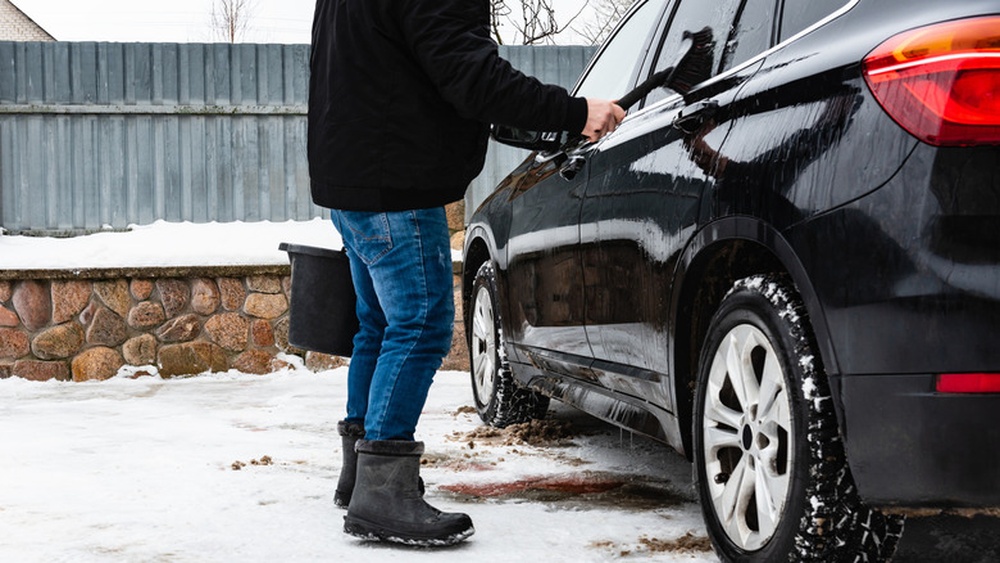
Floor mats are designed to be sacrificial, but if they are not maintained, they simply transfer dirt and moisture to the primary carpet. Salt and brine from winter roads are particularly destructive, as they can chemically burn the carpet fibers and create permanent rust spots on the metal floor pan beneath.
The most effective protection is the use of deep-dish rubber or TPE (Thermoplastic Elastomer) liners. Unlike carpet mats, these provide a physical wall that prevents liquids from spilling over the sides. If you prefer the look of carpet, use a waterproof under-mat or a heavy-duty rubber mat during the winter months.
In practice, you should shake out your mats every time you vacuum the car. For rubber mats, a pressure washer and a stiff brush are the best tools to remove embedded mud. For carpet mats, a vacuum followed by a light scrubbing with a fabric cleaner will prevent the “matting” effect where fibers become permanently flattened.
Follow this routine for floor maintenance:
- Daily. Shake out mats to remove loose debris.
- Weekly. Vacuum the mats and the areas around them to prevent grit migration.
- Monthly. Deep clean rubber mats with soap and water.
- Seasonally. Treat the main carpet with a fabric protector to repel spills.
Choosing Between Ceramic Coatings and Interior Sealants
Ceramic coatings and interior sealants both provide protection, but they differ in longevity and application. An interior sealant is typically a spray or wipe-on product that lasts a few weeks to a few months. It provides a decent layer of UV protection and makes the surface easier to clean, but it wears off quickly with use.
Ceramic coatings for interiors are based on SiO2 (silicon dioxide) and create a semi-permanent bond with the surface. These coatings are significantly more durable, often lasting a year or more. They provide superior hydrophobic properties, meaning liquids bead off the surface almost instantly, and they offer a harder shield against scratches and wear.
For instance, if you have a high-traffic vehicle like a family SUV, a ceramic coating on the center console and door armrests is a smart investment. These areas see the most friction and spills, and the hardness of a ceramic coating prevents the “shiny” look that occurs when matte plastic becomes worn down.
The choice depends on your goals and budget:
- Best for casual users. Interior sealants are best for those who enjoy a quick monthly maintenance routine and don’t want to spend a lot of money upfront.
- Best for long-term value. Ceramic coatings are best for new car owners or those selling their car in a few years who want maximum protection with minimal upkeep.
- Best for high-wear areas. Use a ceramic coating on the console and a sealant on the rest of the cabin.
FAQ
How often should I condition my leather seats?
You should condition leather seats every 6 months. In extremely hot or dry climates, increasing this to every 3 months prevents the leather from drying out and cracking. Always clean the surface first to ensure the conditioner can penetrate the pores.
Can I use a UV protectant on my steering wheel?
It is best to avoid heavy protectants on the steering wheel because they can make the surface slippery, which is a safety risk. If you want to protect the wheel, use a matte-finish product and buff it thoroughly with a clean microfiber towel to remove all residue.
Do seat covers actually protect the interior?
Yes, seat covers provide a physical barrier against spills, pet hair, and friction. However, ensure they are breathable; some cheap vinyl covers can trap heat and moisture against the original seat, which may lead to mold or premature wear of the factory fabric.
What is the best way to remove a fresh spill from fabric?
The most important rule is to blot, not scrub. Use a clean paper towel or microfiber cloth to press down firmly and soak up the liquid. Scrubbing pushes the spill deeper into the foam and can fray the fabric fibers, making the stain permanent.
Are rubber floor mats better than carpet mats?
Rubber mats are superior for protection, especially in wet or snowy climates, because they are waterproof and easy to clean. Carpet mats are better for comfort and aesthetics, but they trap moisture and odors, which can lead to mildew if not dried properly.