
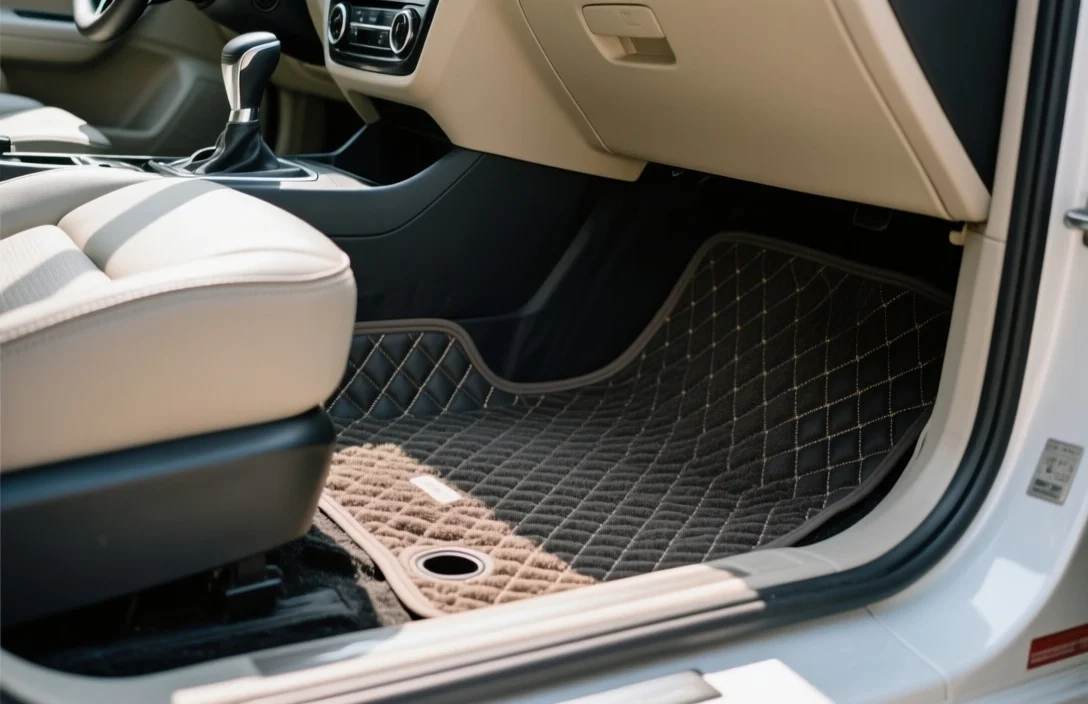
You should replace car floor mats the moment they no longer stay in their intended position or show structural compromise that interferes with pedal operation. Worn-out mats do more than look unsightly; they represent a documented safety risk that can lead to unintended acceleration or braking delays. Knowing when to swap them out keeps your interior clean and, more importantly, ensures your vehicle remains safe to operate during daily commutes.
Replace your car floor mats immediately if the backing loses its grip, the material develops holes near the pedal box, or the mat consistently shifts under your feet while driving. Any mat that slides forward and prevents the brake or accelerator from reaching its full range of motion is a critical safety failure that requires an immediate change.
Key Takeaways
- Prioritize pedal clearance. Any mat that slides toward the pedals represents a significant risk of interfering with your ability to stop.
- Check for structural integrity. Replace mats immediately if you notice holes, cracks, or thinning areas near the heel rest position.
- Test the retention clips. If your vehicle has factory mounting posts, ensure the mat snaps into place securely every single time.
- Monitor for moisture buildup. Persistent dampness under the mat suggests the barrier is breached and likely hiding mold or rust.
- Replace when cleaning fails. If deep scrubbing and odor treatments do not remove embedded grime or mildew, the material is likely saturated.
When should you replace car floor mats due to wear?
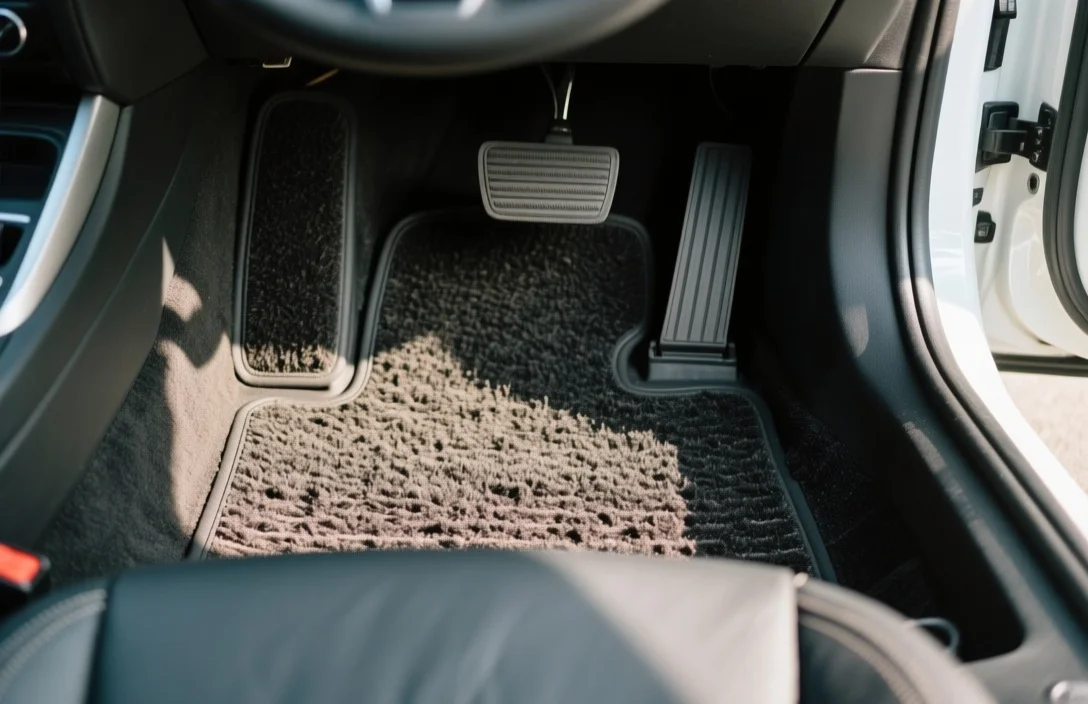
Replace your floor mats when the heel pad area wears thin enough to expose the vehicle carpet underneath. High-traffic areas, specifically where your right heel rests while operating the gas and brake, endure constant friction that eventually breaks down rubber and carpet fibers. Once this structural barrier wears through, water, salt, and debris bypass the mat and begin damaging the vehicle floor pan directly.
For most daily drivers, mats reach their natural end of life between three and five years of regular use. If you drive in climates with heavy snow or frequent rain, you may notice degradation much faster due to the corrosive nature of road salt and trapped moisture. You should inspect the underside of your mats quarterly to confirm the gripping material remains intact and has not turned brittle or smooth.
Signs of damage that compromise pedal safety
Check for physical damage that changes the shape or thickness of the mat near the pedal box. A mat that has curled edges or a buckled center can catch the bottom of your shoe or snag on the pedal arm itself. Even a minor obstruction can prevent a pedal from returning to its neutral position, which creates a dangerous situation during emergency stops.
Inspect the edges of your mats for fraying or peeling layers, as these loose pieces are common culprits for pedal interference. If the mat no longer lays flat against the floor of the vehicle, it is time to retire it. Never attempt to “fix” a curled mat with adhesive or heavy tape, as these materials rarely hold up to the heat of a car interior and can create new, sticky hazards.
Identifying safety hazards caused by mat slippage
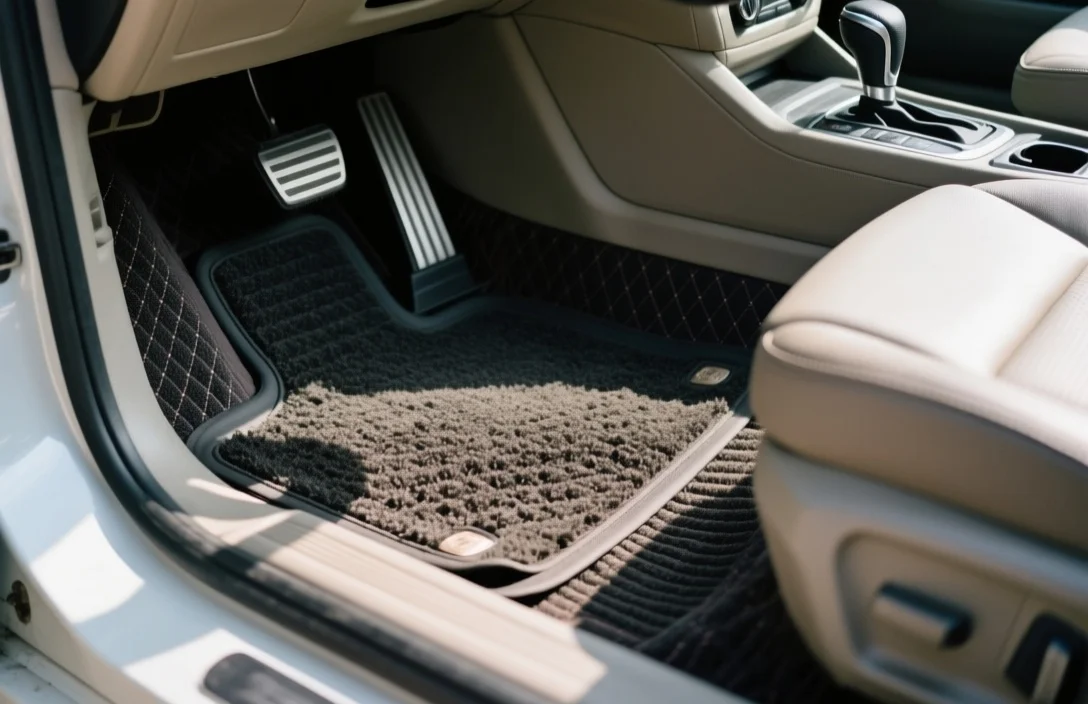
Test your floor mats by giving them a firm tug forward after installation to ensure they do not move. Modern vehicles include retention clips or posts specifically designed to lock the mat into place, preventing it from migrating toward the pedals while you drive. If these clips are broken, or if the mat lacks a compatible hole for the post, you must stop using the mat until you can secure it properly.
In vehicles lacking factory retention systems, the hazard is even higher. Universal-fit mats often rely on “nibs” or a rubberized backing to stay put, but these features lose effectiveness as they age and collect dust. If your mat consistently drifts out of place after a short trip, it is no longer safe to use, regardless of how clean or new the top surface appears.
Comparing rubber and carpet mat durability
Rubber mats offer superior protection against liquid spills and heavy debris, while carpet mats provide a more aesthetic look with limited moisture resistance. Rubber options act as a tray, containing slush and mud within their grooves until you can empty them. Carpet mats absorb moisture, which makes them comfortable but significantly increases the drying time and risk of mildew.
| Mat Material | Best For | Primary Weakness |
|---|---|---|
| Rubber/TPE | Winter, mud, heavy traffic | Can become slippery when wet |
| Carpet/Fabric | Dry climates, aesthetic appeal | Holds odors and moisture |
| All-Weather Hybrid | Daily commuting | Higher cost than basic mats |
Choose rubber or thermoplastic elastomer (TPE) mats if you live in an area with distinct seasons or frequently transport pets. These materials are nearly indestructible compared to fabric, though they can lose their “grip” over time as the base material hardens. Carpet mats are suitable for fair-weather drivers, provided you have a regular vacuuming schedule to prevent abrasive dirt from grinding into the fibers.
Assessing water damage and mold growth in mats
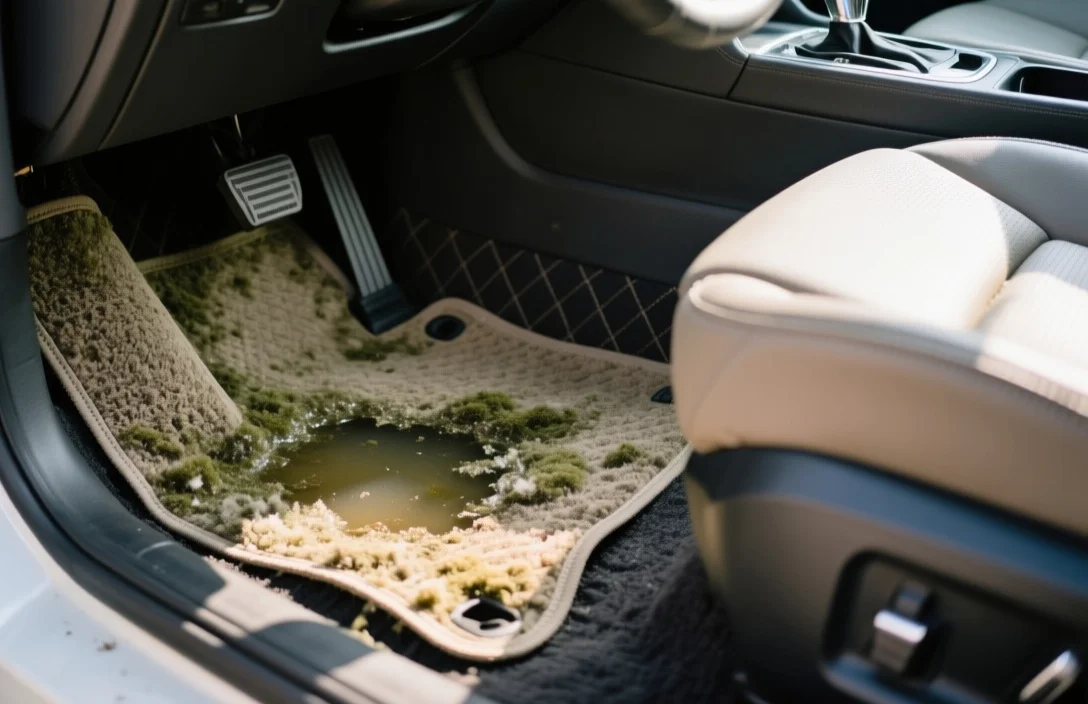
Look for signs of white, powdery residue or a musty odor emanating from your footwells, as these are primary indicators of trapped moisture. If your mats feel heavy or remain damp to the touch long after a rainy day, they are likely failing to act as a proper moisture barrier. Once mold spores take hold in the fibers of a carpet mat or the underside of a rubber mat, they are notoriously difficult to eradicate completely.
Check the actual vehicle floor underneath the mat during your next cleaning session. If the carpet underneath the mat is stained or feels damp, your mats are failing their primary job of protecting the interior. You must dry the floor thoroughly and replace the mats to prevent long-term damage like floor pan rust or electrical issues caused by water seepage.
Determining when deep cleaning is no longer effective
Retire your mats if they remain stained, discolored, or smelly after a thorough cleaning with an appropriate automotive detergent. While a pressure washer can remove surface dirt, it cannot reverse the physical breakdown of rubber or the permanent compression of carpet fibers. If you find yourself scrubbing the same area repeatedly with no change in the result, the material itself has reached its limit.
Consider the cost of specialized cleaning agents and the time spent on deep cleaning against the price of a new set of mats. Often, the effort required to restore a heavily soiled or degraded mat exceeds the cost of a replacement. If the backing is shedding or the material is cracking, cleaning will not solve the underlying structural failure and you should prioritize a replacement.
Selecting the right replacement mats for your vehicle
Prioritize “laser-fit” or vehicle-specific floor mats over universal-cut options to ensure the best coverage and safety. Vehicle-specific mats are designed to follow the exact contours of your floor pan, which maximizes the protected area and prevents the mat from bunching up near the door sill or pedal box. Check your vehicle owner’s manual for any specific recommendations regarding mat thickness or material compatibility.
When shopping, verify that the replacement set includes compatible retention holes that align perfectly with your car’s factory mounting posts. Avoid “trim-to-fit” mats unless you are confident in your ability to cut them without compromising the integrity of the edge seal. Always double-check the manufacturer’s fitment guide using your car’s exact make, model, and year to avoid the frustration of returning ill-fitting products.
FAQ
Can I just use tape to keep my floor mats from sliding?
No, you should never use tape or adhesives to hold a floor mat in place. These materials break down in extreme car temperatures and can create a sticky residue that interferes with pedal operation or creates a permanent hazard. Always use the factory retention clips or replace the mat if it no longer stays secure.
How often should I clean my car floor mats?
You should vacuum your mats at least once a month to remove abrasive dirt and debris. If you live in a snowy or muddy climate, wash rubber mats with soap and water every two weeks to prevent salt buildup, which can degrade the material and cause premature cracking.
Are universal floor mats safe for my car?
Universal mats are often less safe than vehicle-specific mats because they rarely match the exact floor contours of your car. They are more likely to bunch up, slide toward the pedals, or interfere with seat movement. If you choose universal mats, ensure they are trimmed correctly and stay firmly in place during a test drive.
Does the material of the floor mat affect safety?
Yes, the material choice impacts safety through its ability to stay in place and provide traction. Rubber mats can become extremely slippery when wet, while worn-out carpet mats can fray and snag on your shoes. Regardless of material, the most important safety factor is that the mat remains anchored to the floor at all times.
When is it too late to save my floor mats?
It is too late to save your mats if they have visible holes, cracked backing, or persistent mold growth. Once the structural integrity is compromised or the material becomes a health risk due to mold, cleaning will not restore the safety or protection of the product. At this stage, replacing them is the only way to protect your vehicle’s interior.