
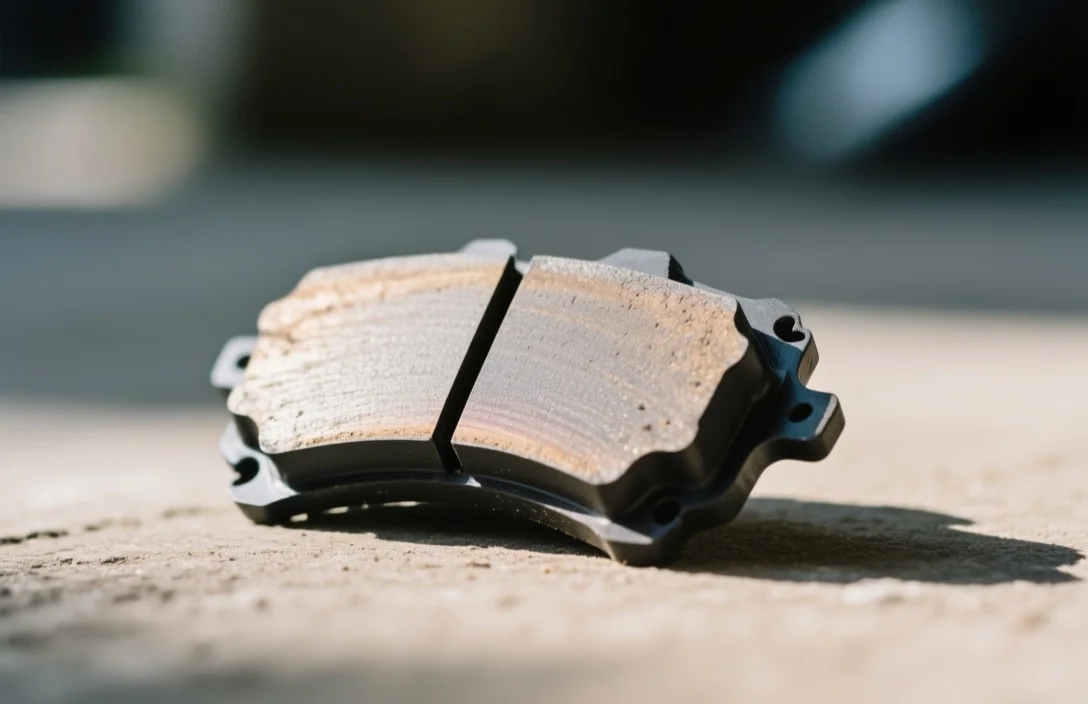
Brake pads are the most frequently replaced safety component on your vehicle, wearing down every time you bring your car to a stop. Most drivers find their pads last between 30,000 and 70,000 miles, but your specific experience depends heavily on your commute, vehicle weight, and driving habits. Understanding these variables helps you move from reactive repairs to proactive maintenance, saving you money and keeping your stopping power reliable over the long term.
Most brake pads require replacement when the friction material reaches a thickness of 1/8-inch or less. While highway drivers can often push pads toward the 80,000-mile mark, those living in dense urban environments may see them wear out in as little as 20,000 miles due to constant stop-and-go traffic.
Key Takeaways
- Standard lifespan range. Most brake pads last between 30,000 and 70,000 miles before requiring a replacement.
- Front-wheel bias. Front brake pads typically wear out faster because 60-70% of braking force shifts forward during deceleration.
- Urban driving impact. City traffic significantly reduces pad life compared to consistent highway cruising.
- Critical thickness threshold. You should replace your pads once the friction material wears down to approximately 1/8-inch.
- Material differences matter. Ceramic pads generally offer the longest lifespan, while organic pads wear down the fastest.
- Inspection schedule. Check your brake pad thickness during every tire rotation to catch uneven wear early.
How Long Do Brake Pads Last for Different Vehicles
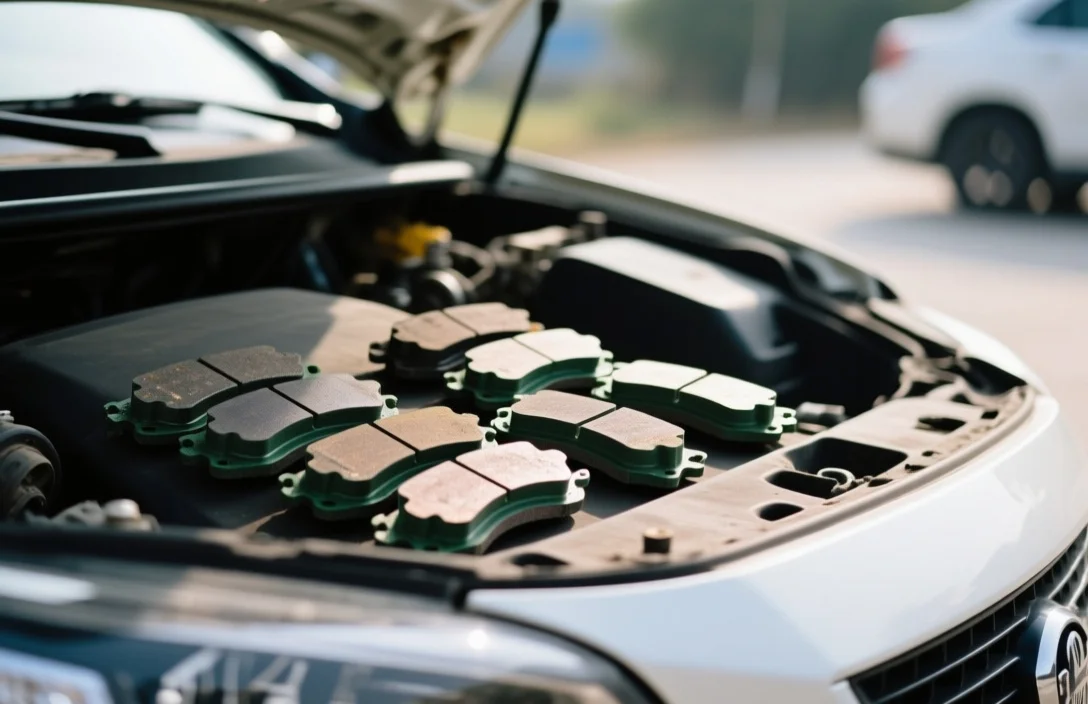
The lifespan of your brake pads is rarely consistent across different vehicle types because each model is engineered for specific weight classes and performance profiles. A lightweight sedan puts far less stress on its braking system than a heavy-duty truck or a performance SUV. Because brake pads function by converting kinetic energy into heat, the mass of the vehicle dictates how much friction the pads must generate to bring the car to a halt.
Front-wheel-drive sedans often see their front pads wear out significantly faster than the rears, as the front axle handles the majority of the stopping workload. In contrast, larger vehicles like trucks or SUVs often use larger, more robust pads designed to handle higher heat loads, but their heavier curb weight can offset those gains. If you drive a vehicle with a high towing capacity, you should expect to replace your pads more frequently, especially if you regularly haul heavy loads without using a trailer-integrated braking system.
Driving Style and Weather Impact on Lifespan
Aggressive driving is the single fastest way to shorten the life of your brake pads. If your habit involves rapid acceleration followed by late, hard braking, you are forcing the pads to dissipate massive amounts of energy in a very short window. This creates excessive heat, which causes the friction material to break down prematurely and can even lead to glazing, where the surface of the pad becomes smooth and loses its bite.
Environmental factors play an equally large role in how long your components survive. Drivers in mountainous regions rely on their brakes to maintain speed during long descents, leading to sustained heat buildup that accelerates wear. Conversely, coastal drivers or those in regions with heavy road salt usage often face issues with rust and corrosion on the brake hardware. If the slider pins or calipers seize due to corrosion, the brake pad may drag against the rotor, causing it to wear down to the metal backing plate long before its expected mileage interval.
Vehicle Weight and Load on Pads
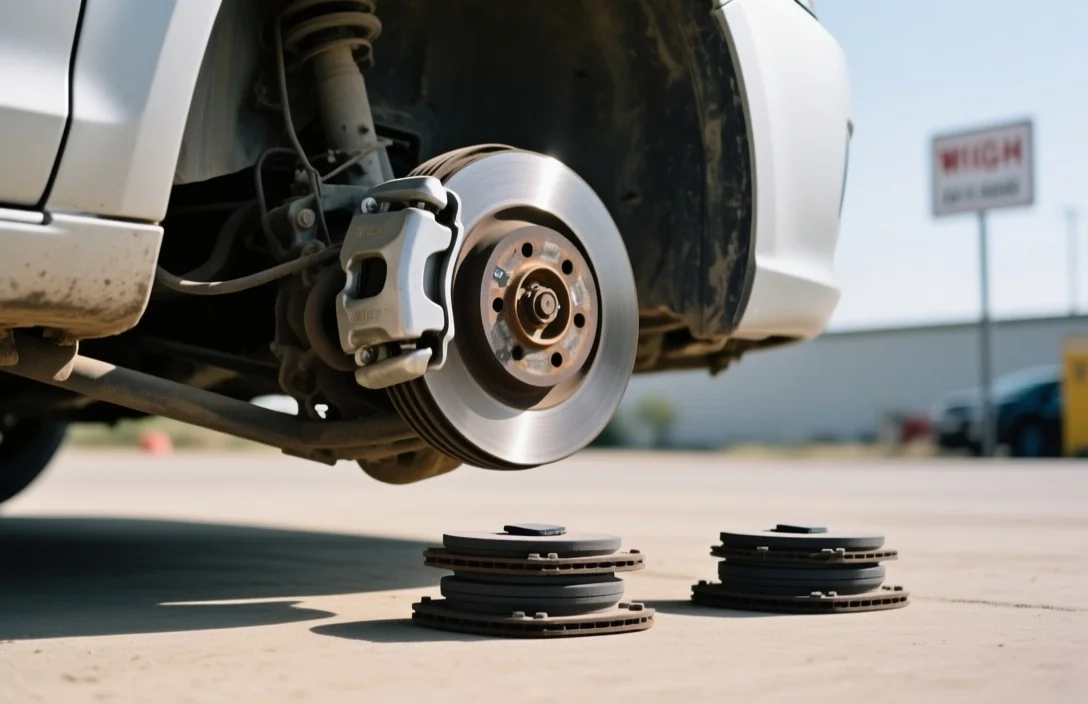
Heavier vehicles require more friction to stop, which translates directly into faster pad degradation. A fully loaded cargo van or an SUV carrying a family and luggage carries significant momentum that the braking system must counteract. Every time you add weight to your vehicle, the brake pads must work harder, generating more heat and friction to achieve the same deceleration rate as a lighter car.
For those who frequently carry heavy loads, the wear pattern is often more pronounced on the front axle. This is because the weight transfer during braking increases the downward force on the front tires, requiring the front calipers to clamp down with more intensity. If you notice your vehicle feels sluggish to stop or requires more pedal pressure than usual, it may be a sign that the added weight of your daily routine is pushing your current brake setup beyond its ideal performance range.
Signs Your Brake Pads Are Worn Out
The most obvious sign of worn brake pads is a high-pitched squealing or metallic grinding noise when you apply the brakes. Many modern pads include a small metal tab designed to scrape against the rotor once the friction material reaches a dangerously low level, serving as an audible warning that you have about 1/8-inch of pad left. If you ignore this warning, the noise will eventually shift from a squeal to a deep, harsh grinding sound, which indicates the metal backing plate is cutting into the rotor.
Beyond noise, pay attention to the feel of your brake pedal during everyday stops. A pedal that feels soft, spongy, or sinks toward the floorboard can indicate that the pads are too thin or that the hydraulic system is struggling. You might also notice the vehicle pulling to one side during braking, which often points to uneven pad wear or a caliper that is sticking on one side of the car. If you feel a vibration or pulsation through the pedal when you slow down, your rotors may be warped from excessive heat, a common secondary issue when pads are left on the vehicle for too long.
Types of Brake Pads for Different Driving Needs
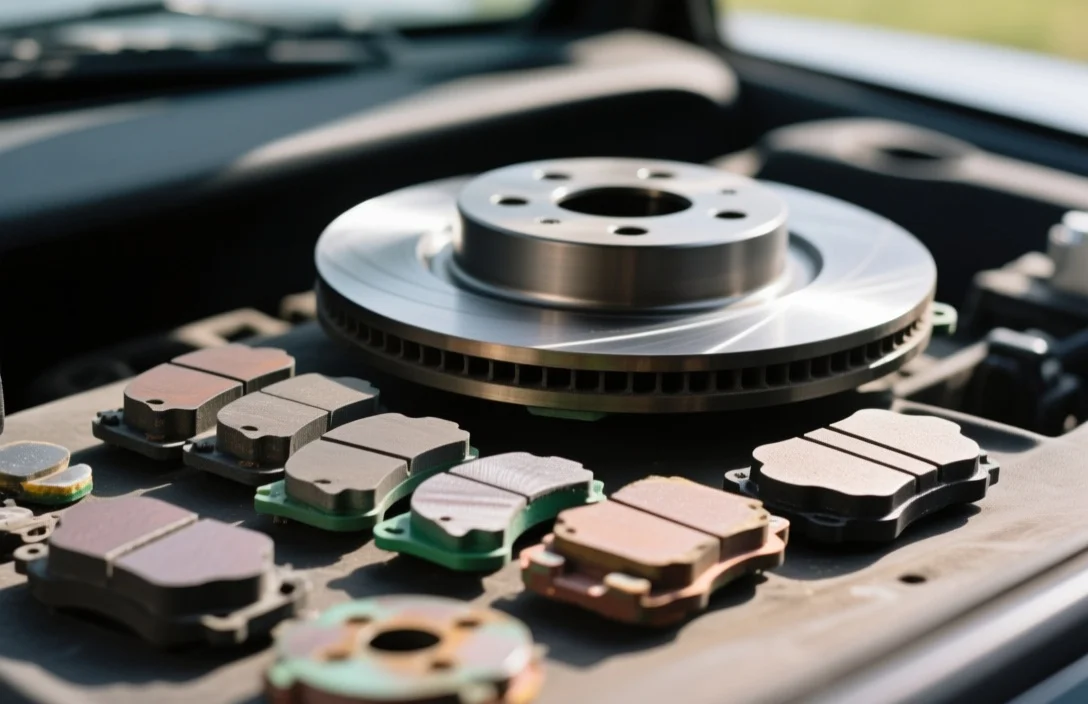
Choosing the right brake pad material is a trade-off between stopping power, noise, and longevity. Organic brake pads are the most common and affordable option, typically found on base-model commuter cars. They are quiet and gentle on rotors, but they wear down faster than other materials and can fade if they get too hot during heavy use.
Semi-metallic pads represent a middle ground, offering better heat dissipation and durability than organic options. They are a popular choice for trucks and performance vehicles, though they can be slightly noisier and may cause more dust on your wheels. Ceramic pads are the premium choice, favored for their long lifespan, low dust production, and quiet operation. While they cost more upfront, they are often the most cost-effective choice for drivers who want to minimize the frequency of shop visits and keep their wheels clean.
| Pad Material | Longevity | Cost | Best For |
|---|---|---|---|
| Organic | Low | Low | Light city driving |
| Semi-Metallic | Medium | Moderate | Trucks and towing |
| Ceramic | High | High | Daily commuters / Luxury |
How Long Do Brake Rotors Last Compared to Pads
Brake rotors are designed to be more durable than the pads that clamp onto them, often lasting through two or even three full sets of brake pads. Under normal driving conditions, a set of rotors can last between 60,000 and 100,000 miles. However, this is not a hard rule, as the rotor surface must remain smooth and flat to provide proper braking performance.
If you let your brake pads wear down until the backing plate touches the rotor, you will likely score the metal surface, which destroys the rotor prematurely. Heat is another major enemy of the rotor. If you drive aggressively or live in a hilly area, the thermal stress can cause the metal to warp or develop hot spots. When this happens, you will feel a distinct pulsing in the brake pedal, and the only professional fix is usually to replace the rotors entirely, as resurfacing them is often not worth the cost or may not be possible due to thickness limitations.
When to Replace Brake Pads and Rotors Together
Replacing your brake pads and rotors at the same time is standard practice in many professional shops to ensure the best possible performance. When you install new pads, they need a smooth, flat surface to “bed in” correctly. If you put new pads on an old, grooved, or warped rotor, the pads will wear unevenly, lose contact area, and potentially squeal or vibrate from the very first day.
You should always replace them together if your current rotors have reached their minimum thickness specification or show signs of deep scoring. Even if the rotors look acceptable, many technicians recommend a “pad slap” only if the rotors are in perfect condition. In practice, if you have reached the point where you are changing your pads, it is usually the most efficient time to inspect the rotors for thickness and finish. If they are even slightly compromised, replacing both ensures your braking system remains balanced, quiet, and reliable for the next 40,000 to 60,000 miles.
FAQ
How do I know if my brake pads are low without taking the wheel off?
You can often see the brake pads by looking through the gaps in your wheel spokes. Use a flashlight to inspect the outer pad; if the material is thinner than 1/8-inch, it is time to replace them. Many vehicles also have a built-in sensor that triggers a dashboard warning light when the pads reach a critical wear point.
Is it normal for my brakes to squeal after they are replaced?
New brake pads sometimes squeal during the first few hundred miles while they “bed in” or seat themselves against the rotor surface. This is usually temporary and should disappear as the pads wear slightly and conform to the rotor. If the noise persists after 500 miles, have your mechanic check for improper installation or a lack of brake grease on the contact points.
Can I replace the brake pads myself to save money?
Replacing brake pads is a standard DIY task if you have the right tools, including a jack, jack stands, and a brake caliper piston tool. You must be comfortable working with safety-critical systems, as an error here can lead to brake failure. If you are not confident in your mechanical skills, a professional shop is the safer choice.
Do rear brake pads wear out faster than front pads?
No, front brake pads almost always wear out faster because they handle about 60-70% of the vehicle’s braking force. Rear pads typically last 1.5 to 2 times longer than the front set. If your rear pads are wearing out faster than your front pads, it may indicate a stuck caliper or a problem with the parking brake mechanism.
How much does it cost to replace brake pads?
The cost varies based on your vehicle make and the quality of the pads you choose. You can expect to pay between $150 and $350 per axle for parts and labor at a typical repair shop. Ceramic pads will generally sit at the higher end of that range, while standard organic or semi-metallic pads are more budget-friendly.
Regular brake maintenance is the best way to avoid the expensive repair bills that come with ignoring worn components. If you hear a squeal or feel a change in your pedal travel, perform a quick visual inspection or schedule a professional check-up immediately to ensure your vehicle remains safe on the road.