
The best tires for my car balance safety, grip, comfort, and value.
You press the brake on a wet street, and your car slides more than you like. Your tires are worn, loud, and the light drizzle feels risky. I have been there, and I know how fast tire choices can get confusing—sizes, speed ratings, UTQG, warranties, and endless brands. This guide cuts through that noise and helps you find the best tires for my car with clear, simple advice. I’ll explain how to pick the right size, when to buy a pair or a full set, and what to expect from budget all-season performance options. I’ll also show you who these featured tires fit best and why.
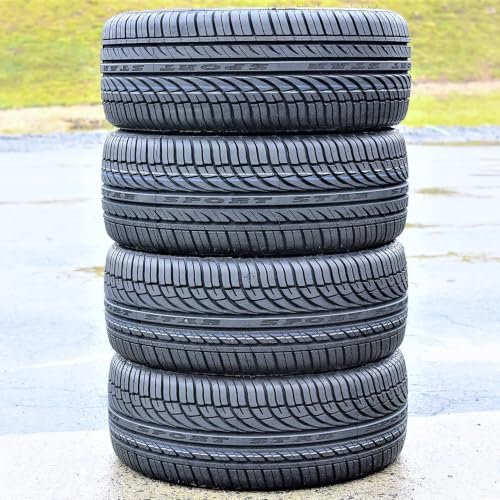
Fullway HP108 205/55R16 All-Season (4-Pack)

The Fullway HP108 in 205/55R16 is a popular budget all-season performance pick. This size fits many compact and midsize sedans, like the Honda Civic, Toyota Corolla, Volkswagen Jetta, and Hyundai Elantra. The V speed rating supports highway speeds, while the 91 load index suits most daily driving needs. If I want a full refresh for better balance and grip, this 4-pack is the efficient way to do it.
Road feel is direct, yet ride comfort stays decent for a low-cost tire. Wet traction feels stable for daily commutes if you maintain proper pressure and alignment. Road noise stays moderate on smooth asphalt and gets louder on coarse surfaces, which is expected at this price. The tread pattern is simple, with grooves that help move water and allow predictable handling.
Pros:
- Great entry price for a complete set of four
- All-season performance design for varied weather
- Common 205/55R16 fitment for many daily drivers
- V speed rating supports safe highway use when maintained
- Predictable, easy-to-live-with road manners
- Buying four at once ensures even wear and handling
- Good option when selling a car or doing a budget refresh
Cons:
- Not built for snow-heavy climates or deep winter
- Noise rises on rough pavement
- Not a match for premium tires in wet braking
My Recommendation
Choose this 4-pack if you want the best tires for my car on a strict budget and need even grip at all four corners. A complete set helps the car track straight, feel stable, and wear evenly. If you do a lot of highway miles, keep them rotated and inflated right for best results. They suit daily use, light trips, and normal rain well, but I would not rely on them for harsh winters or spirited canyon runs.
| Best for | Why |
| Full car refresh on a budget | Four new tires balance grip and improve stability |
| Daily commuting in mild climates | All-season tread handles rain and dry with predictable feel |
| Selling or flipping a car | Fresh tires boost value and road test confidence |
Fullway HP108 205/55R16 All-Season (2-Pack)

This 2-pack of Fullway HP108 tires works for axle-pair replacements when only two tires are worn. It is common to replace pairs on the same axle if the other pair still has good tread. For safety and control, I mount the new pair on the rear axle, even on front-wheel-drive cars. This helps prevent sudden oversteer in wet or emergency maneuvers.
The same all-season performance pattern applies here, with stable tracking when pressures match the door-jamb placard. Dry grip is sufficient for city traffic and short trips. Wet handling is fine for cost-focused buyers who drive with care. If I live where winters bite hard, I add real winter tires rather than pushing an all-season beyond its comfort zone.
Pros:
- Cost-effective for partial replacements
- Fits many popular sedans in 205/55R16
- All-season tread suitable for light rain and warm temps
- V speed rating appropriate for U.S. highway speeds
- Good option when two tires are still healthy
- Predictable response after proper mounting and balance
Cons:
- Mixing tread depths can change handling feel
- All-wheel-drive cars often need four matched tires
- Not a winter specialist
My Recommendation
Pick this 2-pack if your budget is tight and only two tires are done. If I want the best tires for my car in a staggered wear situation, I still put the new pair on the rear for safer balance in the rain. Check your remaining pair to be sure they are healthy, with no uneven wear, dry rot, or patches of damage. When in doubt, a full set is the safer path.
| Best for | Why |
| Replacing two worn tires | Keeps costs down while restoring grip on one axle |
| Short-term fix before a full set | Bridges the gap until budget allows four tires |
| City and suburban use | All-season pattern works fine for mild weather and daily trips |
How to choose the best tires for my car
I start with the basics. Tires must fit the car’s size, load needs, speed rating, and my climate. After that, I match my style and budget. Here is how I dial in the best tires for my car with no guesswork.
Read the size on your door-jamb label or owner’s manual. It might say 205/55R16 91V. That tells me width, aspect ratio, rim diameter, load index, and speed rating. I stick to that size unless I have good reason to change, like a sanctioned plus-size fit with correct load and speed ratings.
Know your tire type. Think about all-season, all-weather, summer performance, touring, or dedicated winter. If I see frequent snow or ice, I pick real winter tires with the three-peak mountain snowflake symbol. If my climate is mild and I like easy living, all-season or all-weather tires are simple choices.
Focus on safety traits. Wet braking, hydroplaning resistance, and stability matter more than a long tread life if I drive in rain. For highway trips, noise and comfort rise on my list. For fuel savings, I look for low rolling resistance labeling. For speed, I confirm the speed rating meets or exceeds the car’s spec.
Balance budget and value. I do not chase the cheapest option if it hurts safety. I also do not overpay for a track level tire I will never need on my daily commute. The best tires for my car make sense for how I drive, where I live, and what I can afford right now.
Tire size, load index, and speed rating explained
Take 205/55R16 91V as a simple example. The first number, 205, is the width in millimeters. The 55 is the sidewall as a percent of width, also called aspect ratio. The R means radial, which is standard now. The 16 is the rim diameter in inches. The 91 is the load index. The V is the speed rating.
Load index 91 equals a specific max load per tire. I make sure my load index is equal to or higher than the spec printed on my door-jamb. That protects me during heavy loads with passengers, gear, or highway stress. If I carry more often, I look for Extra Load (XL) options that allow higher pressures and extra margin.
Speed ratings mark tested high-speed durability. S, T, H, V, W, Y are common on passenger cars. My rule is to meet or beat the car’s stock rating. A higher speed rating can improve steering response and heat resistance, but it sometimes shortens tread life. For most daily drivers, H or V is a fine balance.
What UTQG tells me (and what it doesn’t)
UTQG stands for Uniform Tire Quality Grading. It covers three parts: Treadwear, Traction, and Temperature. Treadwear compares a tire’s wear rate to a control tire in tests. Traction grades wet grip in a straight line, rated AA, A, B, or C. Temperature marks heat resistance, also A, B, or C.
Higher treadwear numbers suggest longer life, but only when comparing within the same brand since testing can vary. I treat UTQG as a general guide, not the final word. I still check performance tests, owner reviews, and my own road notes. For the best tires for my car, UTQG is one clue among many.
All-season vs. all-weather vs. summer vs. winter
All-season tires are the default for many cars. They handle light cold and rain, but they are not snow experts. All-weather tires are a newer choice. They carry the severe snow symbol and cover more winter days, yet still work in summer heat. Summer tires offer high grip and sharp steering in warm weather, but they lose grip fast near freezing.
Winter tires shine in snow and ice with soft compounds and deep siping. They need to come off when temps rise, because heat wears them out. I ask myself honest questions about my climate. If winter storms hit often, I run winter tires in cold months and switch back in spring. For mild climates, all-season or all-weather works best.
Should I replace two tires or all four?
All-wheel-drive cars often prefer four matching tires to protect the system and keep handling even. Front- or rear-wheel-drive cars can replace pairs if the other two still have good tread and no damage. I place the new pair on the rear axle, even on front-wheel-drive cars. That helps prevent fishtailing during a sudden swerve or on wet roads.
If the difference in tread depth is large, I lean toward a full set. The best tires for my car feel balanced and calm on the road. Mismatched tires may cause pull, noise, or odd behavior when I brake hard. Long-term, a matched set is easier to rotate and maintain.
How I test and evaluate tires
I ask what the tire must do first. Daily commute? Highway miles? Heavy rain? Light snow? Then I score wet braking, dry grip, noise, comfort, and steering feel. I also track tread wear and fuel economy over time. I keep proper inflation, rotation, and alignment to get clean data.
My wet tests include panic stops from typical city speeds. I watch for early ABS activation and extended stopping distances. For noise, I test on smooth and rough asphalt. If a tire hums on coarse roads, I note it. I compare that to price and warranty to find the best tires for my car at my budget.
Care tips to make any tire last longer
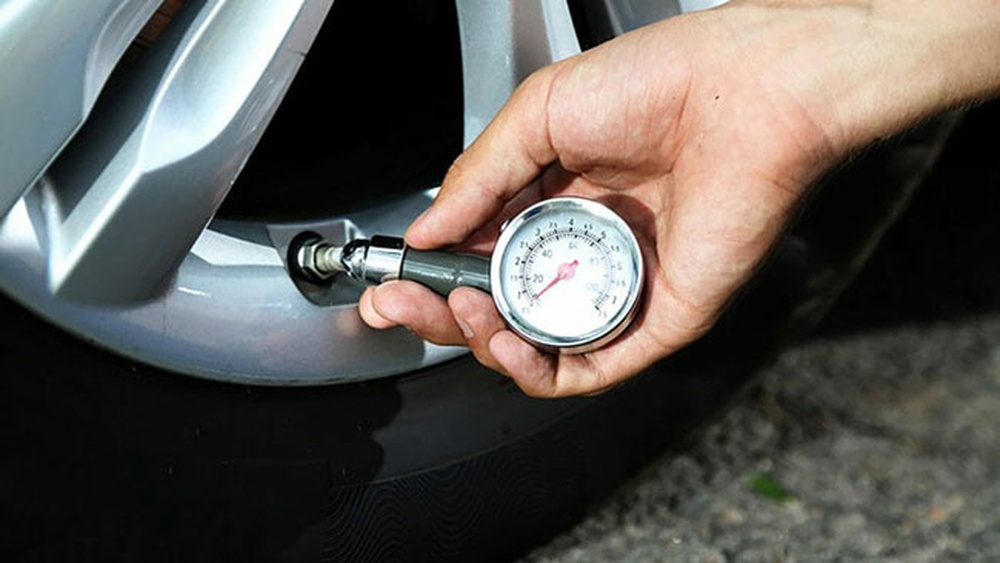
Keep tires inflated to the door-jamb label, not the sidewall max. Low pressure hurts handling and makes heat build up. High pressure reduces grip and wears the center of the tread fast. I check pressures monthly and before long trips.
Rotate every 5,000–7,500 miles or as my car maker suggests. Rotate more often if I carry heavy loads or see wear on one axle. Get a four-wheel alignment when I install new tires and anytime the car pulls or I feel vibration. The best tires for my car cannot save me from poor maintenance.
How to decode tire age and why it matters
Look at the DOT code on the sidewall. The last four digits show week and year. For example, 2324 means week 23 of 2024. Most makers suggest inspecting at six years and replacing no later than around ten years. I prefer to swap between six and eight years for safety, even if tread remains.
Rubber hardens with age. Braking distances grow, and wet grip fades. If I cannot find a date code, or the tire looks cracked or dry, I replace it. The best tires for my car are fresh enough to do their job when it counts.
Noise, comfort, and fuel economy
Quieter tires often use varied tread block sizes to break up noise. Soft compounds and touring designs reduce harshness. Performance tires feel sharper but can ride firmer. I decide if I need a cushy ride or lively response.
Low rolling resistance helps fuel economy. That can trim a bit of grip and braking at the limit, but the trade is small for daily drivers. To find the best tires for my car, I weigh these trade-offs against my commute and road type.
Run-flat vs. standard tires
Run-flat tires drive short distances with zero pressure, which helps if I lose air at night or far from help. They weigh more, ride firmer, and cost more. Standard tires ride softer and cost less, but I rely on a spare or a repair kit.
If my car came with run-flats, I think before switching. Handling and trunk space might change if the spare is missing. The best tires for my car fit my emergency plan and how I travel.
XL (Extra Load) and towing or hauling
XL means the tire can handle higher pressures and more load in the same size. If I carry people often or load the trunk, the margin helps. I still follow the door-jamb pressure unless the maker says otherwise. The extra stiffness can also sharpen steering feel.
Signs I need new tires now
- Tread depth near or below 2/32 inch
- Cords or belts visible or bulges on sidewalls
- Cracks from dry rot or age
- Odd wear patterns from poor alignment
- Vibration that balance cannot fix
If I see any of these, I shop fast and focus on safety. The best tires for my car are the ones I mount before a scare, not after.
Budget vs. premium: how to decide
Premium tires offer better wet braking, lower noise, and better warranty support. They cost more up front but can last longer. Budget tires cost less and get me rolling today. For city speeds in fair weather, they make sense when money is tight.
I ask myself what I stand to lose. If I face heavy rain, I lean premium for safety. If I drive short city hops and I am careful, budget can work. The best tires for my car meet my real needs, not someone else’s wishlist.
What about warranties and road hazard?
Many tires carry treadwear warranties. If a tire wears out early, I may get a prorated credit. Road hazard plans cover punctures and pothole damage. If I hit debris often or live in construction zones, that plan can pay off.
I read the fine print. Warranties need proof of rotation and proper inflation. I keep my receipts and rotation schedule. That way, the best tires for my car also deliver fair support if something goes wrong.
Common mistakes when buying tires
- Choosing by price alone and ignoring wet braking
- Using summer tires in cold weather
- Skipping alignments after new tires
- Mismatched pairs with big tread depth gaps
- Over-inflating for “better mpg” and losing grip
Avoid these traps. Ask clear questions about your climate and use. The best tires for my car become obvious when I match type, size, and budget to my life.
Real-world fit: 205/55R16 on common sedans
Many compact and midsize sedans use 205/55R16 as stock or as a common size. I often see it on cars like the Honda Civic, Toyota Corolla, Mazda3, Hyundai Elantra, Volkswagen Jetta, and Subaru Impreza. Always confirm the size against your door-jamb label. Wheel options change across trims, so double-check before you order.
When I test a 205/55R16, I expect a light, easy steering feel and decent comfort. It is a balanced size that keeps fuel economy reasonable. If my car came with 17s or 18s, I make sure a size change does not throw off ABS or stability control. When in doubt, I stick to stock sizing for the best tires for my car.
How to get the most from these Fullway HP108 tires
Mount and balance at a trusted shop. Ask for a fresh four-wheel alignment. Inflate to the vehicle placard, not the sidewall max. Drive 300–500 miles to let the mold release wear off and the tread blocks settle in.
Rotate on time and watch for cupping or feathering. If I hear a rumble at certain speeds, I go back for a balance check. These steps can add thousands of miles to the life of a budget set. The best tires for my car stay safe and steady when I do the simple things right.
Wet driving tips to stay safe
- Increase following distance and slow before turns
- Avoid hard throttle or sudden brake on paint and metal plates
- Drive in the tracks of the car ahead to displace water
- Keep tread depth healthy; shallow tread hydroplanes faster
- Check pressures often; under-inflation hurts wet grip
With any all-season tire, smart driving makes a big difference. This is how I keep control when storms roll in. It is also how I find the best tires for my car and keep them performing day after day.
FAQs Of best tires for my car
How do I know what size is right?
Check the driver’s door-jamb label or your manual. Match width, aspect ratio, rim, load index, and speed rating to those specs.
Should I replace two or all four tires?
Four is best for even handling. If replacing two, put them on the rear axle for stability. AWD cars often need four matching tires.
Are all-season tires good enough for snow?
They handle light cold and flurries. For real snow and ice, choose winter tires with the severe-snow symbol.
How often should I rotate my tires?
Every 5,000–7,500 miles, or per your car maker. Rotate sooner if wear looks uneven.
What pressure should I use?
Use the pressure on your door-jamb label. Check monthly and before long trips. Do not use the sidewall max.
Final Verdict: Which Should You Buy?
The 4-pack Fullway HP108 is the better value if you need a full refresh. It improves balance, control, and even wear for daily driving.
If you only need a pair, the 2-pack works, but mount them on the rear. For the best tires for my car, choose based on your climate, budget, and safety needs.