
Inflate tires to the door-jamb spec, drive 10–20 minutes, then press TPMS reset.
If your dashboard shows a stubborn tire icon, you’re not alone. I’ve reset hundreds of these lights in the bay and on the roadside. In this guide, I explain how to reset tire pressure light the right way, why it sometimes won’t clear, and the pro steps I use to fix tricky cases fast. You’ll leave knowing how to reset tire pressure light safely, and how to keep it off.
What your tire pressure light really means
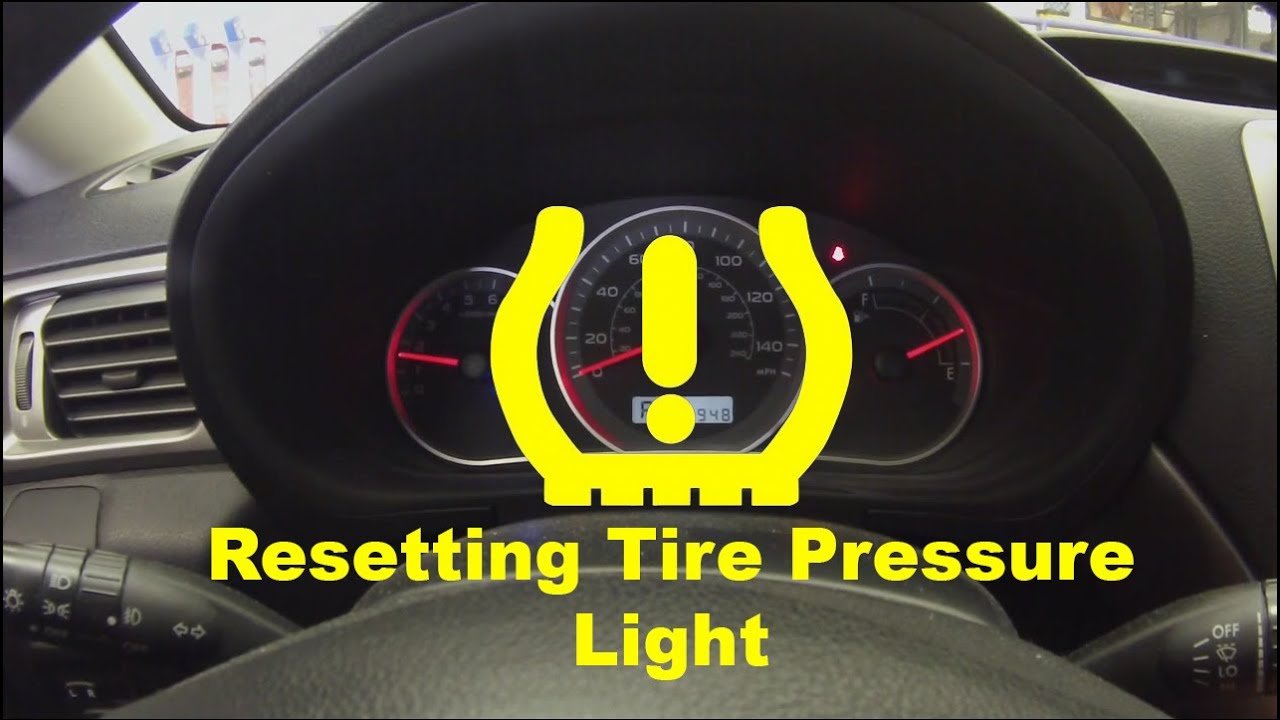
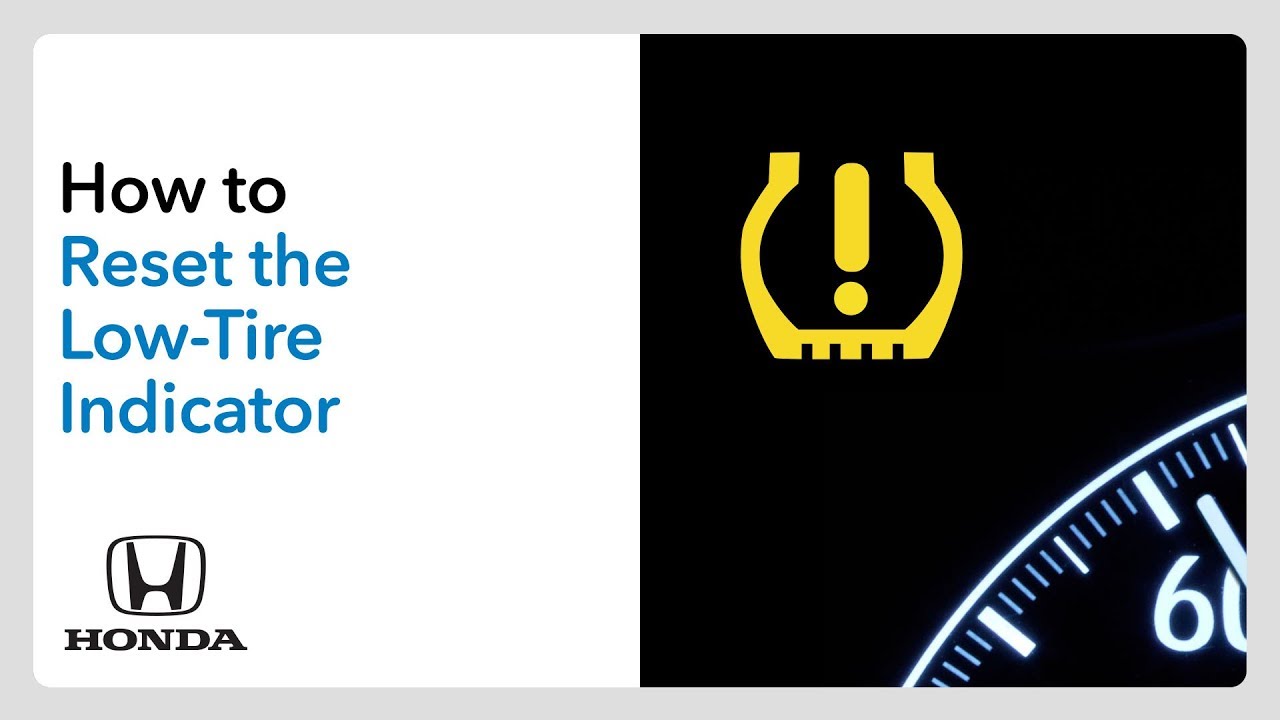
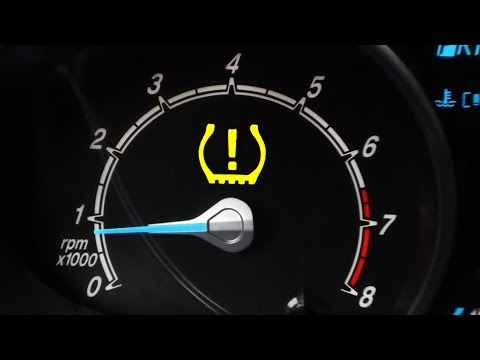
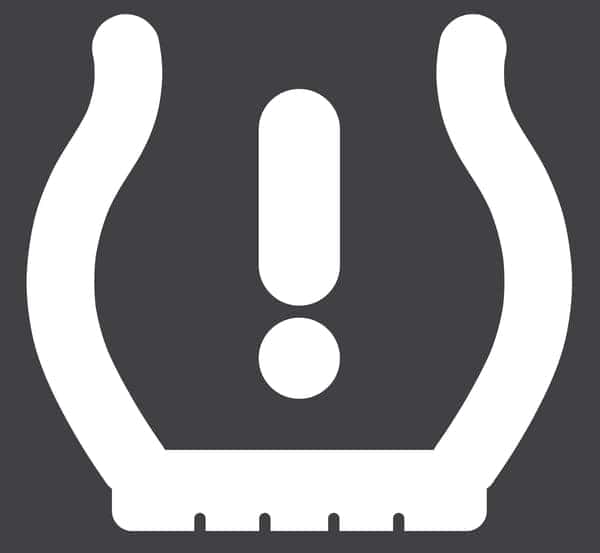
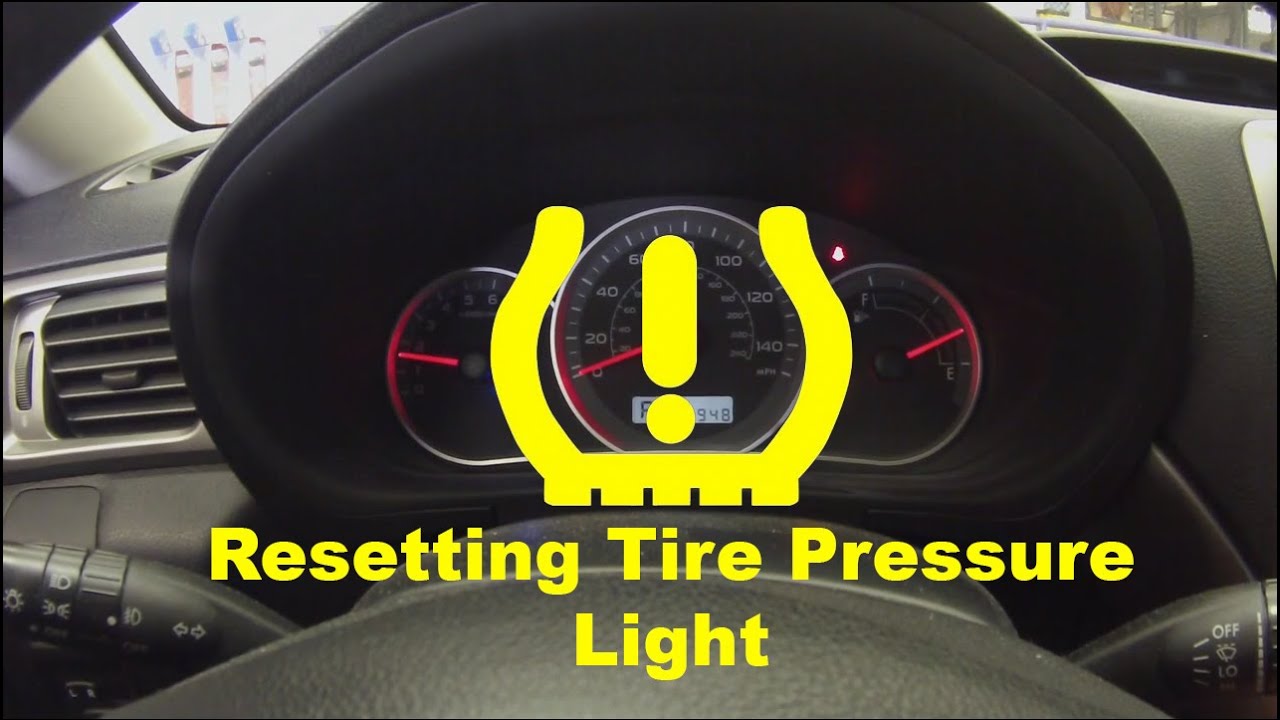
Your tire pressure light is part of the Tire Pressure Monitoring System (TPMS). It watches pressure in each tire and warns you when a tire is low or a sensor has a fault. A steady light usually means low pressure. A flashing light that then stays on often points to a sensor or system issue.
Low pressure hurts fuel economy, tire life, and safety. A tire can look fine but be 5–10 psi under spec. That is enough to trigger the light. Before you think about how to reset tire pressure light, confirm the tires are set to the correct cold pressure listed on your driver’s door jamb, not the number on the tire sidewall.
Modern cars use two TPMS types:
- Direct TPMS uses battery-powered sensors in each wheel. It reads actual psi.
- Indirect TPMS uses ABS wheel-speed data to infer pressure via tire circumference.
Knowing your system helps you choose the right reset method. For direct TPMS, the light clears once all tires read within range and the module sees a short drive cycle. For indirect TPMS, you often need to run a calibration from a menu or button after you set pressure.

Before you start: set pressure the right way
If you ask me how to reset tire pressure light, I’ll start with this: set pressures first. The system will not clear if a tire is still low.
Do this:
- Park, let tires cool at least 30 minutes. Cold air gives a true reading.
- Find the correct psi on the driver’s door jamb sticker. Front and rear may differ.
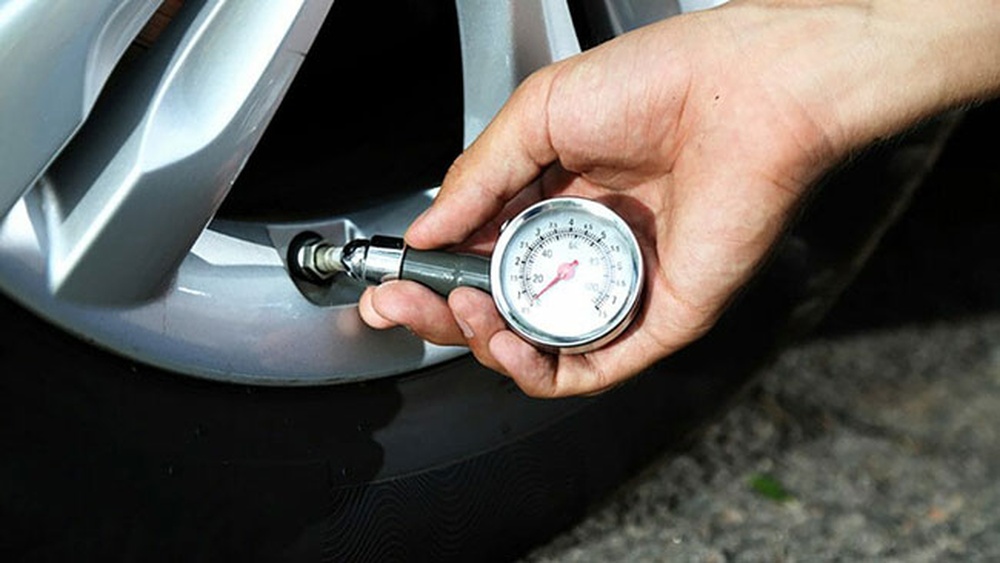
- Use a quality gauge. Gas station gauges are often off by 2–5 psi.
- Add air to each tire to match the sticker. Don’t forget the spare if your car monitors it.
- If you overfill, bleed air out in small bursts, then recheck.
- Install valve caps. They keep moisture and grit out.
Tips from the shop:
- Temperature changes matter. Expect about 1 psi drop for every 10°F drop in ambient temperature.
- Altitude shifts can nudge pressures and the light. Recheck after mountain trips.
- After tire service or rotation, recheck torque and pressure. Then perform the reset.
Now you are ready to try how to reset tire pressure light using the steps below.
Step-by-step: how to reset tire pressure light on most cars
This is the general method I use on many models. It works in most normal low-pressure cases.
- Set all tire pressures to door-jamb spec, cold.
- Start the engine or switch to ON (run) without starting if your car supports it.
- Look for a TPMS reset in your infotainment or dash menu. Names vary: TPMS Relearn, Tire Set, Initialize, or Calibrate.
- Select the reset and confirm. For button-based systems, press and hold the TPMS or SET button until the light blinks three times, then release.
- Drive 10–20 minutes at 25–65 mph. Avoid heavy stop-and-go if possible.
- Turn the car off, wait a minute, then restart. The light should be off.
If you do not see a menu or a button, do this:
- Key off, key on, then drive 10–20 minutes after setting pressures. Many cars auto-clear once the module sees stable, in-range psi.
If you still ask how to reset tire pressure light after a proper drive, check the troubleshooting section below.
Vehicle-specific methods and menu paths
How to reset tire pressure light varies by brand and year. Here are common approaches I use in the field. Always confirm with your owner’s manual.
Toyota and Lexus
- With engine on, use the steering wheel controls: Settings, Vehicle Settings, TPMS, Set Pressure or Initialize.
- Older models have a SET button under the dash or in the glovebox. Press and hold until the light blinks.
Honda and Acura
- Newer models: Settings, Vehicle, TPMS Calibration, Calibrate.
- Older models: press and hold the TPMS button until the indicator blinks.
Nissan and Infiniti
- Settings, TPMS, Set or Reset. Some models clear after a drive once pressures are correct.
Ford and Lincoln
- Some models require a relearn: cycle ignition from off to run three times, press brake, repeat, then use the horn beeps to follow prompts at each wheel with a TPMS tool. Many clear with a short drive if pressure is set.
GM (Chevrolet, GMC, Buick, Cadillac)
- In Driver Information Center: Tire Learn. Follow prompts and use a TPMS activation tool at each valve. Others auto-learn after a few miles.
Volkswagen and Audi
- Vehicle menu, Tires, Store tire pressures or Calibrate. Indirect systems need this step after setting psi.
BMW and MINI
- iDrive: Vehicle Status, Tire Settings, Perform Reset. Drive to complete the calibration.
Subaru
- Many models auto-clear after setting pressure and driving. If not, a scan tool relearn may be needed.
Hyundai and Kia
- Set pressures, then drive. If not cleared, check the cluster menu for TPMS Reset or consult the manual.
Tesla
- Service menu, Wheel Configuration if you changed wheels or tires, then confirm. Set cold pressures to the on-screen spec and drive.
Tip: After tire rotation, some cars need a position relearn so the display matches actual wheel locations. That does not stop how to reset tire pressure light, but it keeps alerts accurate.

When the light won’t reset: troubleshooting like a pro
Sometimes you do everything right and the light stays on. Here is how I diagnose stubborn cases.
Check for a flashing light at startup
- Flashing for 60–90 seconds, then steady: sensor fault or system error. A scan tool will show a code like “Sensor Not Detected” or “Low Battery.”
Verify actual sensor readings
- Many cars display each tire’s psi. If one reads “—” or 0, that sensor is offline.
- If all four read normal but the light is on, you may need a TPMS calibration or a module relearn.
Look for slow leaks
- Spray soapy water on valve stems, cores, and tread. Bubbles mean a leak.
- Common leaks: nail in tread, cracked rim, corrosion at the bead, bad valve core.
Confirm the spare
- Some SUVs and trucks monitor the spare. If it is low, the light stays on.
Check recent service
- New tires, wheels, or rotations can break a sensor, swap IDs, or move sensor locations.
- Aftermarket wheels can block signals or require metal stems and proper torque.
Electrical and module issues
- Blown fuse, RF interference, or a failed TPMS control unit can keep the light on.
- Winter steel wheels sometimes come without sensors. The light will not reset until sensors are installed or the system is coded to indirect if supported.
If you get this far and still wonder how to reset tire pressure light, have a shop scan the TPMS. A handheld TPMS tool can wake sensors, read IDs, and speed relearns.

Seasonal, weather, and altitude effects
Cold snaps trigger the most TPMS calls I get. As temperatures fall, air contracts. Tires drop pressure overnight and the light pops on at morning start.
Prevention tips:
- Set pressures on a cool morning to the sticker spec. Do not add “extra” to fight winter; follow the door-jamb number.
- Expect about 1 psi change per 10°F. If a cold front is coming, top up a day early.
- After long climbs or flights with the car on a trailer, recheck pressures. Altitude changes can nudge readings.
If you keep this in mind, you will rarely need to ask how to reset tire pressure light in winter. You will have it set right before the chime ever sounds.
Pro tips, mistakes to avoid, and shop stories
From my bench, these are the fixes that save time and money.
Pro tips
- Use a digital gauge you trust. I carry one that I compare to a calibrated shop gauge monthly.
- Replace valve-stem caps with sealing caps. Dirt in a stem bleeds air and keeps the light on.
- When replacing tires, ask for new service kits for TPMS sensors. Old seals leak.
Mistakes to avoid
- Do not follow the sidewall max psi. That number is not for your car.
- Do not rush the drive cycle. Give the system 10–20 minutes to see stable readings.
- Do not skip the relearn after rotation if your manual calls for it.
Real story
- A driver came in three times asking how to reset tire pressure light on her SUV. Pressures were perfect. The spare, hidden under the back, was 18 psi. We aired it to 35 and the light cleared before she left the lot.
When you pair these habits with the steps above, how to reset tire pressure light becomes quick and easy.

Myths and facts about TPMS
Let’s clear a few myths I hear often.
Myth: Add 5–10 psi over spec to keep the light off
- Fact: Overinflation hurts grip and wear. The system still flags differences and leaks.
Myth: You can tape over the light
- Fact: That hides a safety alert. Also, your car may fail inspection.
Myth: Indirect TPMS knows exact psi
- Fact: It estimates pressure from wheel speed. You must set psi with a gauge and run a calibration.
If you stick to the manual and the steps here, you will not need to guess how to reset tire pressure light ever again.

Frequently Asked Questions of how to reset tire pressure light
How long do I need to drive for the light to turn off?
Most cars clear after 10–20 minutes of steady driving once pressures are correct. Keep speed between 25–65 mph and avoid heavy stop-and-go.
Can I reset the light without driving?
On many cars you can start a TPMS calibration from the menu or a button, but a short drive is still needed. Driving lets sensors wake up and report stable readings.
Why does the light come back the next day?
You may have a slow leak, a bad valve core, or cold weather pressure drop. Check pressure cold and inspect for punctures with soapy water.
Do I need a shop tool to reset TPMS?
Not for basic low-pressure cases. For sensor faults, wheel swaps, or relearn procedures, a TPMS tool or scan tool speeds it up and confirms sensor IDs.
Will rotating tires turn on the light?
Some cars need a position relearn after rotation. If pressures are correct, the light should not stay on, but the display may show wrong positions until you relearn.
What psi should I use for my tires?
Use the driver’s door-jamb sticker pressures. Do not use the tire sidewall max rating.
Can a dead TPMS sensor battery cause the light to flash?
Yes. A flashing light at startup that goes steady often means a dead sensor battery. The fix is to replace the sensor.
Conclusion
Resetting the tire pressure light is simple when you follow a system: set correct cold pressures, start the built-in reset or calibration, and drive long enough for the module to learn. If it will not clear, check for leaks, a dead sensor, or the need for a relearn. Use this guide today, and you will master how to reset tire pressure light and keep it off with confidence. Have a question or a tricky case? Drop a comment and subscribe for more hands-on car care tips.