
Match wheel size to fit, terrain, load, and geometry for balanced performance.
If you want a smooth ride, sharp handling, and a safer setup, wheel size matters more than you think. In this guide on how to choose wheel size, I’ll share the clear steps I use with riders and drivers, backed by real-world testing and industry standards. You’ll learn how to compare sizes, avoid costly mistakes, and pick the right setup for your bike or car with confidence.
Why wheel size matters
Wheel size shapes how your bike or car feels on every drive or ride. It affects stability, comfort, grip, and even safety. Bigger is not always better. The best size keeps geometry, clearance, and load in balance.
Think about three forces. There is rolling resistance, which changes with tire size and pressure. There is rotational inertia, which affects how fast the wheel spins up. There is unsprung mass, which changes how well your suspension tracks bumps. When you get size wrong, you feel it as harsh hits, slow steering, or rubbing at full turn.
On bikes, wheel diameter and tire volume change handling, grip, and fit. On cars, wheel diameter, width, and offset change brake clearance, fender space, scrub radius, and speedometer accuracy. Learn how to choose wheel size with these factors in mind and you will avoid most headaches.

Key terms and measurements you must know
For bicycles
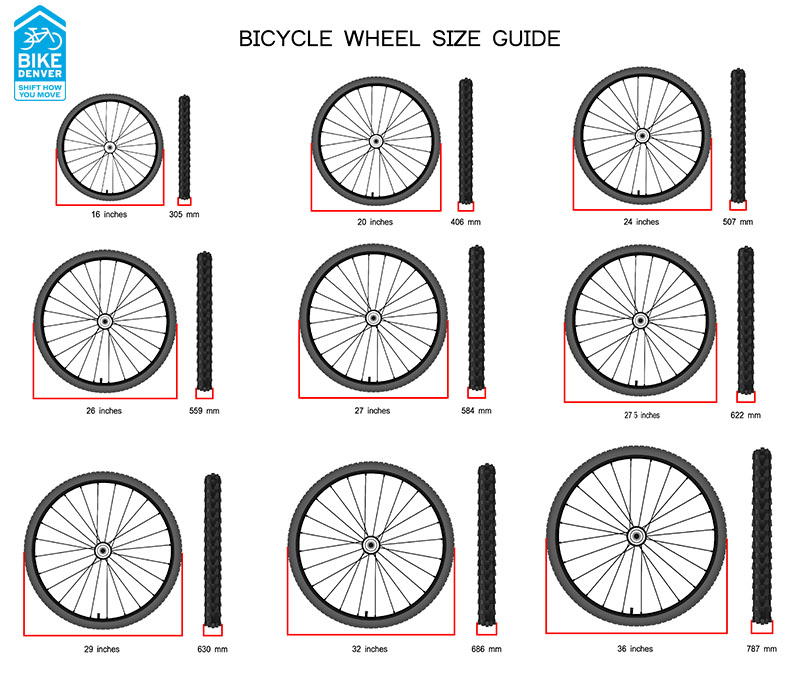
- Wheel diameter: Common sizes are 26, 27.5 (650b), 29 (700c/29er).
- Bead seat diameter (BSD): The ISO size that ensures tire fit.
- Internal rim width: The inside rim measure that guides ideal tire width.
- Tire volume and width: Bigger volume adds comfort and grip but can reduce snap.
- Bottom bracket height and toe overlap: Changes with tire size and affects handling.
- Axle standard and brake rotor size: Must match your frame and fork.
For cars and trucks
- Diameter: The wheel size in inches (16, 17, 18, 20, etc.).
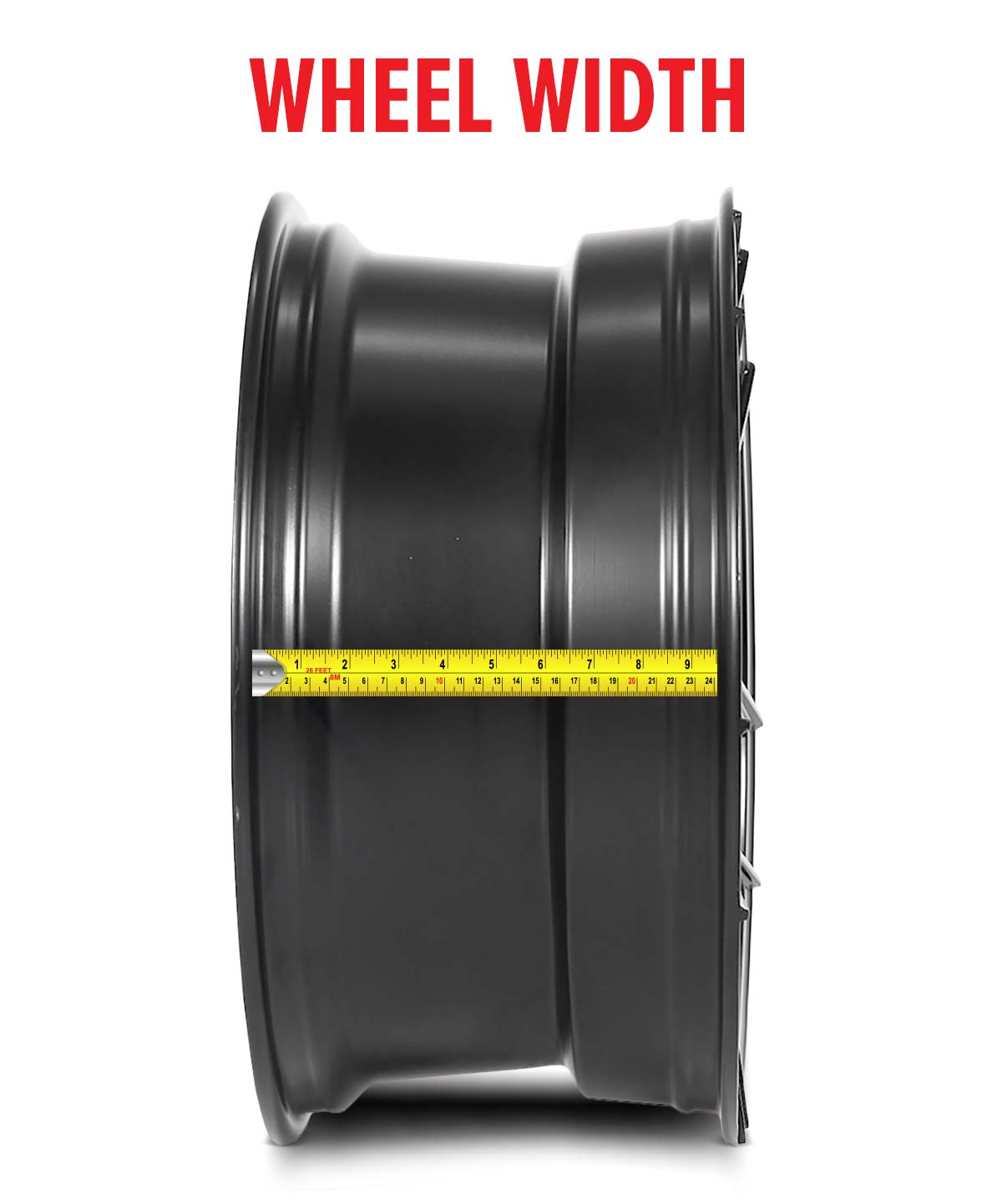
- Width: The rim width in inches that supports a tire range.
- Offset (ET): Distance from hub face to wheel centerline. Affects clearance and scrub radius.
- Bolt pattern (PCD) and center bore: Must match your hub for proper seating.
- Tire overall diameter: Impacts speedometer, gearing, and fender clearance.
- Load index and speed rating: Must meet or exceed factory spec.
Standards and safety
- Bike tire and rim fit follow ISO/ETRTO sizing.
- Aftermarket auto wheels should meet SAE and TUV standards.
- Keep total tire diameter change within about 3 percent on cars for accuracy and clearance.
Knowing these terms makes how to choose wheel size far easier, and prevents costly reorders.
Step-by-step: how to choose wheel size the smart way
Use this quick framework when deciding how to choose wheel size for any vehicle.
Step 1: Define your use
- Daily commute, gravel, XC, enduro, track, off-road, towing, or family road trips? Your use decides size, width, and tire volume.
Step 2: Confirm fit
- Check fork and frame clearance on bikes with your preferred tire width.
- Check fender, strut, and brake clearance on cars, plus offset and bolt pattern.
Step 3: Balance ride and performance
- Bigger wheels improve stability and rollover. Smaller wheels accelerate faster and feel more lively.
- On cars, larger diameters with low-profile tires sharpen turn-in but reduce comfort.
Step 4: Lock in safety specs
- Match load rating and speed rating to factory spec or higher.
- Keep overall diameter close to stock on cars to protect ABS and speedometer accuracy.
- On bikes, pick tire width within the safe range for your rim’s internal width.
Step 5: Test and verify
- Do a slow roll and full-turn clearance check.
- Use a GPS app to compare indicated speed vs real speed for cars.
- Take a short ride or drive over bumps to confirm no rub.
If you follow these steps, how to choose wheel size becomes a simple, repeatable process rather than a guess.
How to choose wheel size for bicycles
Road and gravel
- 700c wheels roll fast and hold speed well for road and light gravel.
- 650b (27.5) allows wider tires for comfort and grip on rough routes.
- Keep tire width in line with rim width. A 21–25 mm internal rim pairs well with 28–40 mm tires.
Mountain bikes
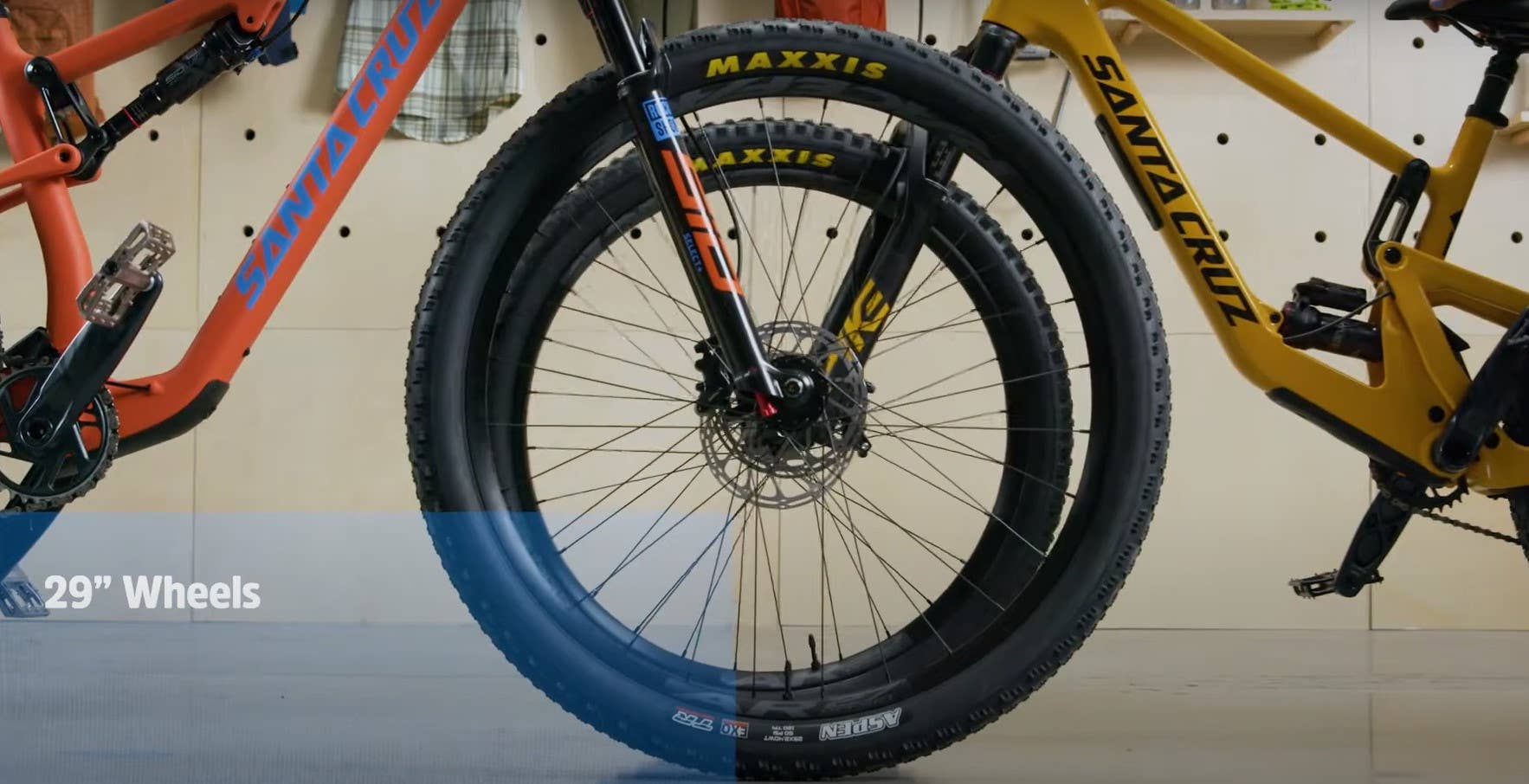
- 29er gives better rollover, traction, and stability on rough trails.
- 27.5 feels more playful and flickable, great for tight trails and jumps.
- Pick tire volume to match terrain. I like 2.4 on a 30 mm internal rim for balance.
Kids bikes
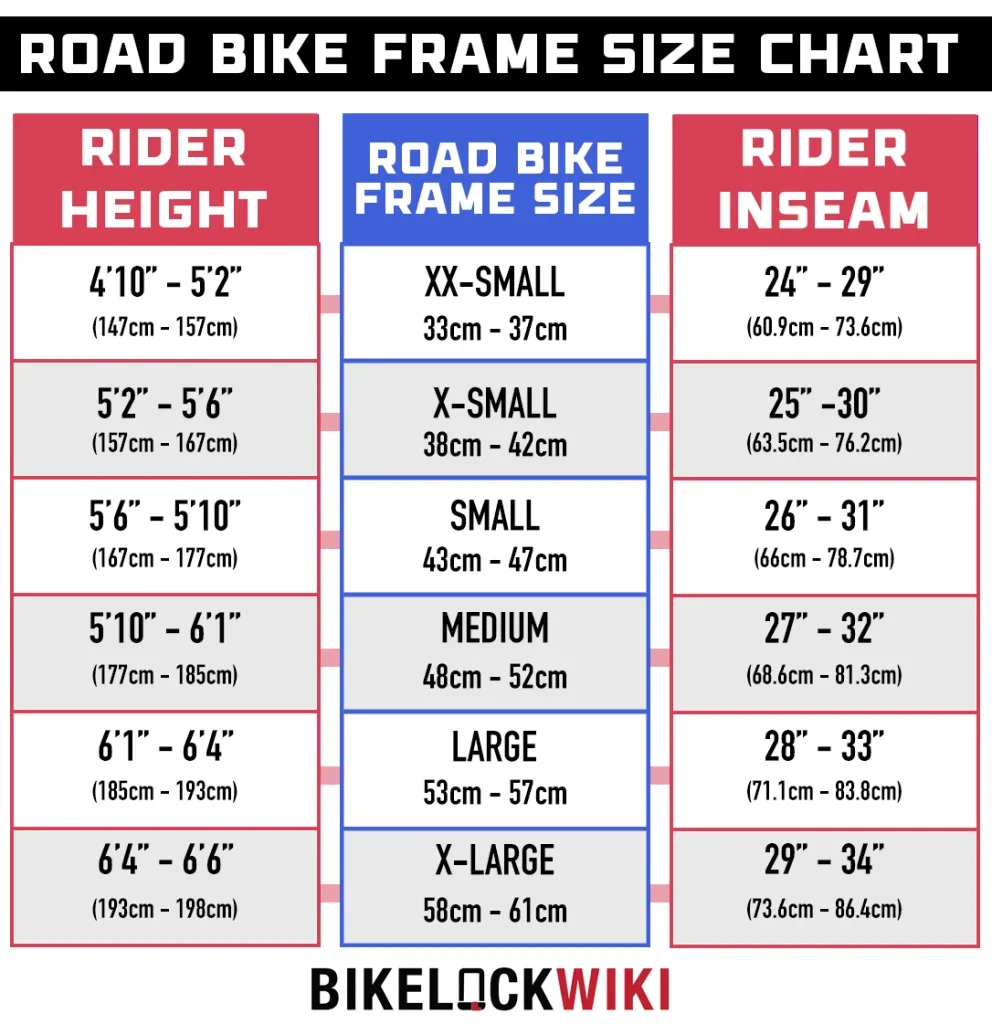
- Match wheel size to inseam and control. 12 for toddlers, 16 for young learners, 20 or 24 for growing riders.
- Prioritize standover and reach before chasing wheel size.
E-bikes
- Heavier bikes benefit from larger volume tires for support and control.
- Confirm motor clearance and torque arm fit with the chosen rim.
Personal note: I moved from 27.5 to 29 on my trail bike. The rollover boost was huge on roots, but I had to raise fork pressure and check BB height. That small setup work made the swap worth it. This is how to choose wheel size with intent, not hype.

How to choose wheel size for cars and trucks
Plus sizing
- Plus-one or plus-two means a larger wheel and a lower-profile tire to keep overall diameter near stock.
- Stay within about 3 percent of stock diameter to protect ABS, traction control, and gearing feel.
Offset, clearance, and steering
- Offset that is too low can push wheels out and rub fenders.
- Offset that is too high can hit struts or control arms.
- Keep scrub radius near stock to preserve steering feel and stability.
Ride, weight, and brakes
- Bigger wheels often weigh more and add unsprung mass. That can hurt ride and grip on broken roads.
- Confirm brake caliper clearance. Many 4-piston setups need larger diameters or specific spoke shapes.
- Always meet or exceed load index and speed rating.
A real example: I upgraded a sedan from 16 to 18. I kept overall tire diameter within 1.5 percent, checked offset, and verified brake clearance with a template. The car turned in sharper, but ride was firmer over potholes. That trade-off was fine for me. This is how to choose wheel size with eyes wide open.
Mistakes to avoid and pro tips
- Chasing looks over fit. If it rubs at full lock or full compression, it is wrong.
- Ignoring rim width. Tire shape and grip suffer if the match is off.
- Forgetting speedometer error. On cars, verify with GPS after the swap.
- Skipping load rating. Wheels and tires must carry the vehicle weight plus margin.
- Not testing under load. Check clearance with a full trunk, racks, or gear.
Pro tips
- Use manufacturer rim width charts for a safe tire range.
- For gravel and MTB, add 2–3 mm side clearance per side at minimum when muddy.
- For cars, confirm hub-centric rings and proper lug torque for a smooth ride.
These small habits make how to choose wheel size safer and easier.
Tools, calculators, and simple checks
- Tire size calculator: Compare overall diameters and speed changes.
- Fitment database: Check bolt pattern, offset, and typical clearances for your model.
- Rim-tire match chart: Find safe tire widths for your internal rim width.
- Brake template: Print a caliper profile to test spoke and barrel clearance.
- Chalk and zip-tie tests: Mark tires and check fender and chainstay rub after a short drive or ride.
When you learn how to choose wheel size with these tools, you save time and money. You also gain confidence in every mile.
Frequently Asked Questions of how to choose wheel size
Is a bigger wheel size always better?
No. Bigger wheels can roll smoother and look great, but they can add weight and reduce comfort. Choose the size that matches your use, fit, and clearance.
How much can I change wheel size without problems?
On cars, try to keep overall tire diameter within about 3 percent of stock. On bikes, confirm frame and fork clearance and keep tire width in your rim’s safe range.
Does wheel size affect speed and fuel economy?
Yes. Larger, heavier wheels can slow acceleration and lower fuel economy. On bikes, bigger wheels can carry speed better but may feel slower to spin up.
Can I switch from 700c to 650b on my gravel bike?
Often yes, if your frame and brakes allow it. 650b lets you run wider, cushier tires while keeping a similar overall diameter.
Will larger wheels hurt ride comfort?
Usually. Larger wheels need lower-profile tires, which take away some cushion. If roads are rough, consider a smaller wheel with more sidewall.
What size wheels should my kid use?
Match the wheel to height and confidence. Test standover and reach first, then pick 12, 16, 20, or 24 for safe control and easy starts.
Conclusion
The right wheel size is not a guess. It is a short checklist: define use, confirm fit, balance ride and performance, lock in safety specs, and test. When you follow that flow, you master how to choose wheel size for both bikes and cars.
Take action today. Measure your current setup, run a quick calculator check, and plan a test fit. If this helped, subscribe for more fit guides, or drop a comment with your ride or car and I will help you dial it in.