
Use penetrating oil, correct socket and leverage; add controlled heat or impact when needed.
If you want a proven, safe plan for how to remove stuck lug nuts, you are in the right place. I’ve dealt with rusted, over-torqued, and cross-threaded lug nuts in shops and on the side of the road. In this guide, I explain how to remove stuck lug nuts step by step, why they seize, the tools that work, mistakes to avoid, and how to keep it from happening again.
Safety, tools, and prep
Before we talk about how to remove stuck lug nuts, set up safe. A stuck nut can release fast. You do not want the car to move or fall.
Do this first:
- Park on flat ground. Set the parking brake.
- Chock the wheel on the ground at the opposite corner.
- Keep the tire you are working on on the ground at first. This lets you apply force without spinning the wheel.
- Wear eye protection and gloves.
Tools that make the job easier:
- Breaker bar, at least 18 to 24 inches
- Six-point impact socket that fits snug
- Penetrating oil
- Torque wrench for reassembly
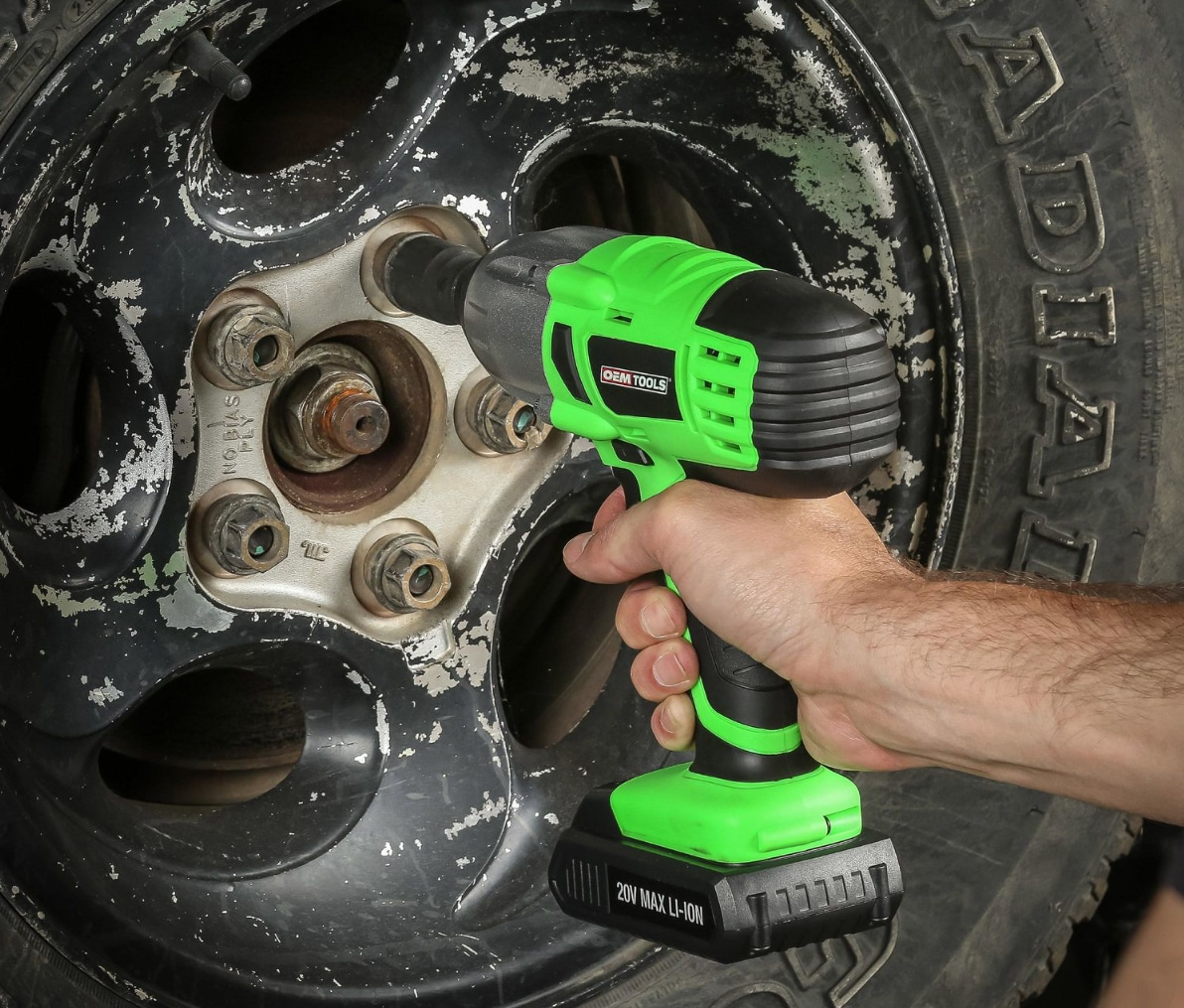
- Impact wrench, air or cordless
- Short hammer and a punch
- Small wire brush
- Propane or MAP gas torch for heat
- Cheater pipe for more leverage
- Lug nut extractor sockets
- Wheel lock key, if used
- Anti-seize or nickel anti-seize for reassembly, used with care
Pro tip from the field: Six-point sockets grip better than twelve-point. They slip less and protect the nut.

Why lug nuts get stuck
Learning why they seize helps you plan how to remove stuck lug nuts the right way.
Common causes:
- Rust and oxidation. Water and road salt creep into threads and fuse parts.
- Galvanic corrosion. Dissimilar metals can bond over time.
- Over-torque from impact guns. Many shops over-tighten.
- Cross-threading. The nut goes on crooked and jams.
- Damaged splines or caps. Swollen chrome caps ruin socket fit.
- Heat cycles. Brakes heat the hub and nuts, then cool. This locks threads.
I once fought a winter truck that saw heavy salt. A simple overnight soak with penetrant and a careful heat cycle cut the breakaway torque in half. Patience saved the studs.

Step-by-step: how to remove stuck lug nuts
Follow this order. Start gentle. Increase force only as needed. This plan shows you how to remove stuck lug nuts without extra damage.
Step 1: Seat the socket and try straight torque
- Brush the lug face and threads you can see.
- Use a six-point socket. Tap it on with a hammer for a tight seat.
- Use a breaker bar. Pull slow and steady.
- Keep your body in line with the bar. Do not bounce.
Why it works: Clean grip plus steady torque lowers the risk of rounding.
Step 2: Add penetrating oil and time
- Spray penetrant at the base of each lug.
- Tap the nut face a few times to help it wick in.
- Wait 10 to 15 minutes. Reapply and try again.
Overnight soaks work best on heavy rust. This alone often solves how to remove stuck lug nuts on older cars.
Step 3: Shock the threads
– With the socket on, strike the side of the socket with a hammer.
- Do not whale on it. Short, sharp taps help break rust bonds.
- Try the breaker bar again.
Impact wrenches do this fast. Short bursts on and off can free the nut without huge torque.
Step 4: Increase leverage
- Slide a cheater pipe over the breaker bar.
- Keep the bar level to avoid bending studs.
- Apply slow force. Stop if the stud starts to twist.
If the wheel lifts, you need more weight on the car or to lower the jack.
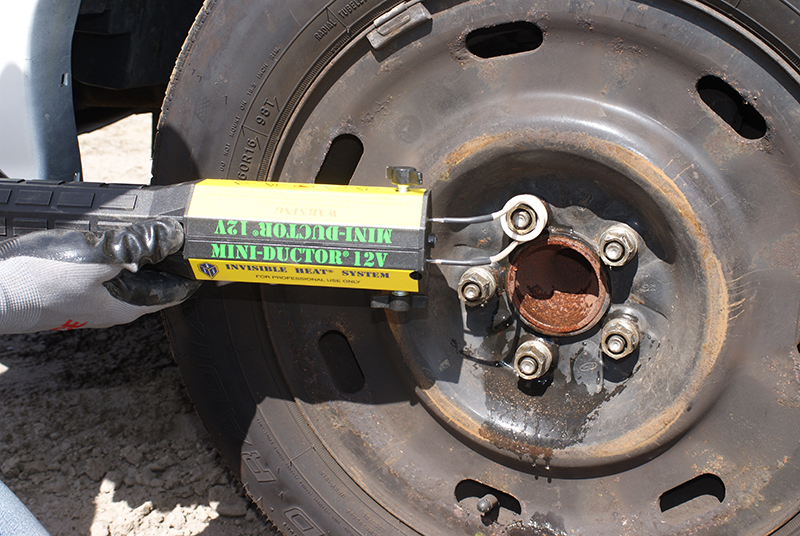
Step 5: Heat and cool
- Heat the nut, not the stud, for 30 to 60 seconds with a torch.
- Avoid rubber parts and wheel finishes. Shield them with a wet rag.
- After heat, hit it with penetrant or a freeze spray. Then try again.
Thermal expansion grows the nut and can break the rust bond. This step is key in how to remove stuck lug nuts in harsh climates.
Step 6: Use an extractor socket
- If the nut is rounded, hammer on a spiral extractor socket.
- Turn counterclockwise with a breaker bar or impact.
Extractor sockets bite into damaged nuts and save time.
Step 7: Handle wheel locks
- Use the exact lock key. Seat it hard.
- If the key is lost, use a dedicated lock remover. Many shops have master kits.
Do not weld first on wheel locks unless you accept wheel damage risk.
Step 8: Last resorts
- Weld a sacrificial nut onto the stuck one to grab with a socket.
- Split the nut with a nut splitter tool.
- If a stud snaps, plan to press in a new stud.
These steps require care. If you are unsure, stop and call a pro.
Important note: Some old cars used left-hand threads on one side. Check arrows on studs or the owner’s manual before you force it.

Which method to try first
Choose based on the symptom. This speeds up how to remove stuck lug nuts without waste.
- Clean nut, snug fit, no rust seen: Try socket and breaker bar first. Add light penetrant.
- Light rust and caps intact: Penetrant, shock, and steady torque.
- Heavy rust or winter car: Soak longer. Use heat and an impact wrench in bursts.
- Rounded nut: Go straight to extractor socket.
- Wheel lock without key: Use a lock remover tool or visit a tire shop.
If you feel a stud twist or stretch, stop. Switch to heat and shock to avoid breakage.

Common mistakes to avoid
Avoid these errors when learning how to remove stuck lug nuts. They turn a small job into a big bill.
- Using a twelve-point chrome socket. It rounds nuts under high torque.
- Leaning your full weight and bouncing. It breaks studs.
- Heating the stud red hot. It weakens the metal.
- Spraying only WD-40 as a penetrant. It is not a true rust breaker.
- Forgetting thread direction. Some rare setups are left-hand threads.
- Lifting the car first. Keep the tire on the ground to break torque.
One mistake I made early on was using a long pipe with a poor socket. The nut rounded and took an hour to fix. The right socket would have saved it.

After removal: inspect, repair, and torque
Once it is off, do a quick health check. This is part of how to remove stuck lug nuts the smart way.
- Clean threads with a wire brush. Use a chase die if threads are rough.
- Replace any stretched or pitted studs.
- Replace swollen cap-style nuts with solid one-piece nuts.
- Lightly apply anti-seize on studs only if the maker allows. Many OEMs call for dry threads. Follow your manual.
- Torque lugs in a star pattern. Use a torque wrench. Most cars fall between 80 and 100 ft-lb, but always check the spec.
- Re-torque after 25 to 50 miles, especially with new wheels.
Proper torque prevents the next stuck lug and keeps rotors from warping.
Prevention tips so lug nuts do not seize again
Prevention is cheaper than heat and hammers. These steps cut your odds of fighting the same battle.
- Hand start every nut. Feel for cross-threading.
- Use a torque stick or finish with a torque wrench.
- Avoid hammering with an impact at full power.
- Keep hubs clean. A thin film of high-temp grease on the hub face helps wheels come off.
- In winter, wash the wheels and hubs often to remove salt.
- Keep a correct-size, six-point socket and a solid lug wrench in your trunk.
Teach your tire shop your torque spec. Ask them to finish by hand. It is your car and your studs.

When to call a pro
Know your limit. Calling a pro can save a wheel, a stud, and your time.
- The nut will not move after penetrant, shock, and heat.
- The wheel lock key is lost and the wheel is rare or pricey.
- Studs start to twist or a nut is fused to the stud.
- You do not have safe heat control near sensors or brakes.
Shops have high-torque battery impacts, induction heaters, and master lock kits. That gear makes how to remove stuck lug nuts faster and safer.

Frequently Asked Questions of how to remove stuck lug nuts
What is the best tool to remove a stuck lug nut?
A six-point impact socket with a long breaker bar is the best start. An impact wrench and penetrant often finish the job fast.
How long should I let penetrating oil sit?
Give it at least 10 to 15 minutes. For heavy rust, soak it several times over a few hours or overnight.
Can I use heat near my wheel without damage?
Yes, but apply heat to the nut only and keep it brief. Shield rubber and paint with a wet rag and avoid open flames near fuel lines.
Should I use anti-seize on lug nuts?
Only if your vehicle maker allows it. Anti-seize changes torque values; many OEMs require clean, dry threads.
What torque should I use when reinstalling lug nuts?
Follow the spec in your owner’s manual. Most cars are near 80 to 100 ft-lb, but trucks and SUVs can be higher.
What if my lug nut has a spinning cap?
Use a slightly smaller six-point socket to bite, or switch to an extractor socket. Replace those cap-style nuts with solid one-piece nuts.
Are left-hand-thread lug nuts still a thing?
They are rare, but some older vehicles used them on one side. Look for arrows or markings on the studs, or check the manual.
Conclusion
You now have a clear, safe plan for how to remove stuck lug nuts. Start gentle, add penetrant and shock, then move to heat or extractors only as needed. Finish with clean threads and proper torque so the fix lasts.
Use this guide the next time a lug will not budge. If a step feels risky, pause and call a pro. Want more hands-on car care tips? Subscribe, ask a question, or share your own stuck-lug story so others can learn too.