

Your car’s brake fluid is one of the most important parts that keep you safe on the road. But do you know how to check your brake fluid level at home?
It’s easier than you think, and doing it regularly can save you from costly repairs or dangerous driving situations. You’ll learn simple steps to check your brake fluid quickly and confidently. Keep reading to take control of your car’s safety today!
Brake Fluid Basics
Brake fluid is a key part of your vehicle’s braking system. It helps transfer the force from your foot on the brake pedal to the brake pads. This fluid keeps your brakes working smoothly and safely. Knowing the basics about brake fluid helps you keep your car in good shape.
Brake fluid needs regular checking. Low or dirty fluid can cause brake problems. Understanding what brake fluid does and the types available helps you care for your brakes better.
Why Brake Fluid Matters
Brake fluid carries pressure from the brake pedal to the brake parts. Without good fluid, the brakes cannot stop the car well. It also prevents air from entering the brake lines, which can make brakes soft or unresponsive. Brake fluid withstands high heat to keep brakes working under pressure.
Bad or low brake fluid can cause serious brake failure. Checking the fluid level often keeps the brakes safe and reliable.
Types Of Brake Fluid
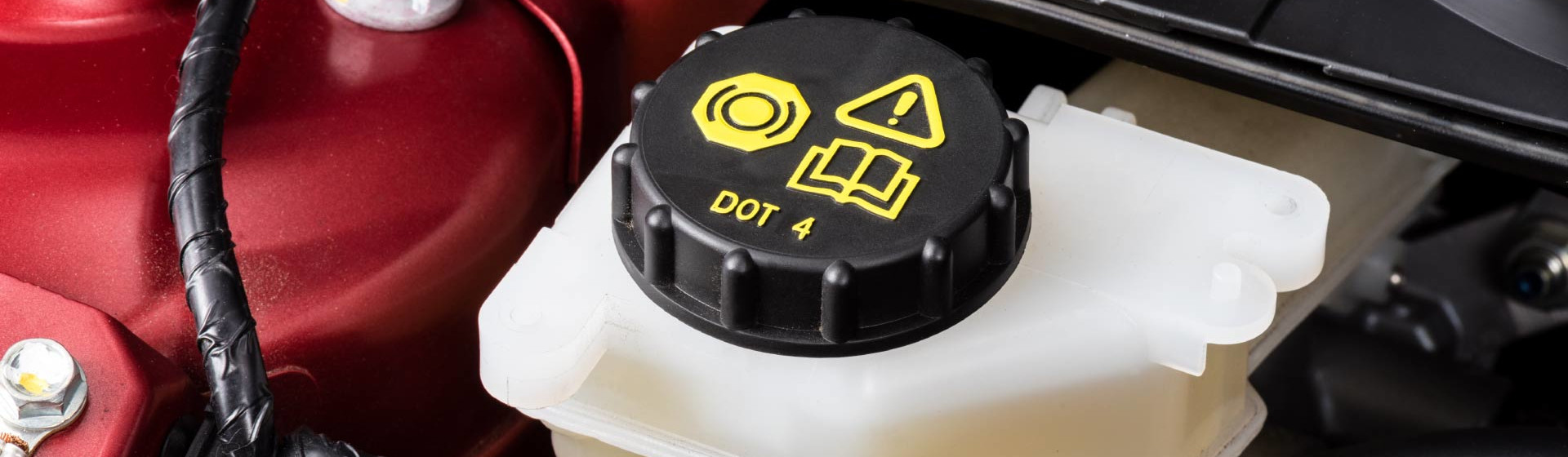
There are several types of brake fluid. The most common are DOT 3, DOT 4, and DOT 5.1. Each type has different boiling points and chemical properties. Using the right type is important for your car’s brake system.
DOT 3 and DOT 4 fluids are glycol-based and absorb moisture over time. DOT 5 is silicone-based and does not absorb water but is not compatible with all cars. Always check your vehicle’s manual to choose the correct fluid type.
Credit: www.evanshalshaw.com
Tools You Need
Checking your brake fluid level at home is simple. Having the right tools makes the job safer and easier. Before you begin, gather all the necessary equipment. This helps avoid interruptions and mistakes during the check.
Essential Equipment
You will need a clean rag or paper towel to wipe the reservoir cap. A flashlight helps you see the fluid level clearly, especially in low light. Use a flat surface to park your car. Some brake fluid containers have a clear window to show the level. If not, a small screwdriver or coin may help open the cap carefully.
Safety Gear
Wear gloves to protect your skin from brake fluid. It can irritate or damage your hands. Safety glasses shield your eyes from splashes. Keep old clothes or a coverall on to avoid stains. Brake fluid can harm paint and fabric. Take these precautions to stay safe during the check.
Locating The Brake Fluid Reservoir
Locating the brake fluid reservoir is the first step in checking your car’s brake fluid level. This small container holds the fluid that helps your brakes work properly. Knowing where to find it saves time and keeps your car safe.
Most brake fluid reservoirs sit under the hood. They are easy to spot once you know what to look for. This guide helps you find the reservoir quickly and identify its cap.
Finding It Under The Hood
Open your car’s hood and stand in front of the engine. The brake fluid reservoir is usually on the driver’s side. It sits near the back of the engine bay, close to the windshield. Look for a small, clear or white plastic container. It may have a yellow or white color. The reservoir is often mounted on or near the master cylinder.
Identifying The Reservoir Cap
The brake fluid reservoir cap is small and round. It often has a symbol on top that looks like a circle with parentheses. The cap may say “Brake Fluid” or have a warning about using the correct fluid. The cap should be tightly sealed to prevent leaks. Do not open the cap if you see dirt or damage around it. Clean the area first to avoid contamination of the fluid.
Credit: fubex.net
Checking The Fluid Level
Checking the brake fluid level is a simple but important step in car maintenance. It helps ensure your brakes work well and keeps you safe on the road. You can check the fluid level at home with a few easy steps. Always check the fluid when the engine is cool for accurate reading.
Reading The Markings
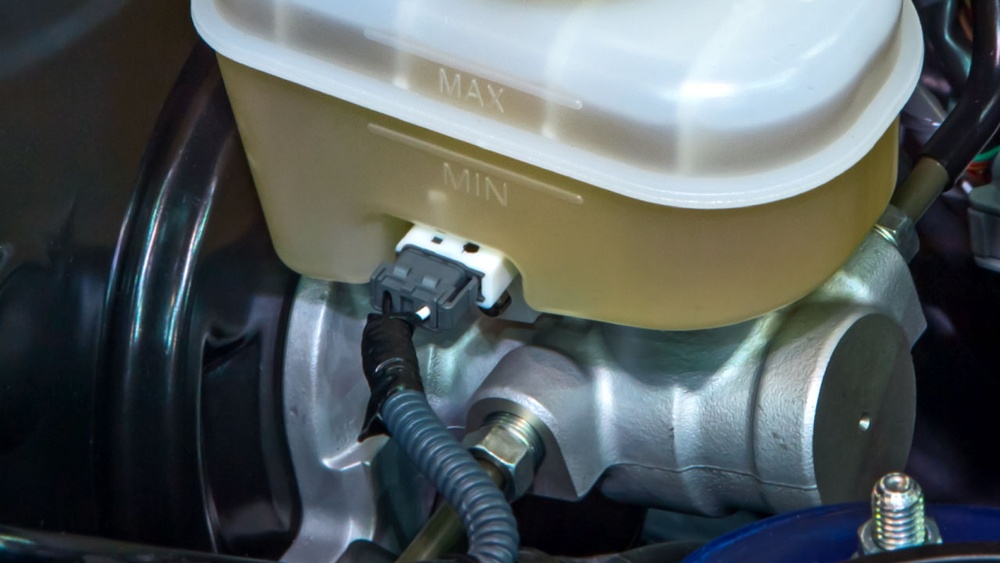
Locate the brake fluid reservoir under the hood. It is usually clear or white plastic. You will see markings on the side labeled “MIN” and “MAX.” These marks show the safe fluid range. The fluid level should be between these two lines. If the fluid is below the “MIN” line, it needs topping up. Do not fill above the “MAX” line. Too much fluid can cause problems in the brake system.
Inspecting Fluid Color And Condition
Look at the color of the brake fluid inside the reservoir. Fresh fluid is usually clear or light yellow. Dark or dirty fluid means it may be old or contaminated. This can affect brake performance and might need changing. Also, check for particles or cloudiness. Clean and clear fluid helps keep your brakes working safely and smoothly.
What To Do If Fluid Is Low
Finding low brake fluid can feel worrying. It means your brakes might not work well. Do not ignore this. You must act carefully and quickly to keep your car safe. The first step is choosing the right brake fluid. Then, learn how to refill it safely. These steps help keep your brake system in good shape.
Choosing The Right Brake Fluid
Brake fluid comes in different types. Most cars use DOT 3, DOT 4, or DOT 5.1. Check your car’s manual to find the correct type. Using the wrong fluid can harm your brakes. Buy fluid that matches the specifications. Always pick fresh, sealed containers. Old or mixed fluids can cause problems.
Refilling Tips And Precautions
Before refilling, clean the reservoir cap area. This stops dirt from getting inside. Pour fluid slowly to avoid spills. Fill only to the “max” line. Do not overfill the reservoir. Wipe any spilled fluid immediately. Brake fluid can damage paint and parts. After refilling, close the cap tightly. Check the brake pedal feels firm before driving.
Signs Of Brake Fluid Problems
Brake fluid is crucial for your vehicle’s braking system. It transfers force from the brake pedal to the brakes themselves. Low or contaminated brake fluid can cause serious safety issues. Recognizing signs of brake fluid problems helps keep your car safe and running well.
Leaks And Smells
Brake fluid leaks often appear as wet spots under the car. The fluid is clear to yellow and feels oily. A sweet or fishy smell near the wheels or under the hood may also indicate a leak. Leaks reduce fluid levels and brake efficiency. Check around brake lines and near the master cylinder for leaks.
Brake Performance Issues
Soft or spongy brake pedals signal low brake fluid. The brakes may take longer to stop the car. You might hear unusual noises when braking. Brake warning lights on the dashboard can also alert you to fluid problems. Poor brake response means the fluid is not working properly.
Maintenance Tips
Maintaining the right brake fluid level is key for safe driving. Regular checks keep your brakes working well. It helps spot problems early. This section shares simple tips for brake fluid care.
Following these steps ensures your brake system stays in good shape. It can save you time and money on repairs.
Regular Fluid Checks
Check brake fluid every month. Open the hood and find the brake fluid reservoir. It is usually near the back of the engine bay. Look at the fluid level against the marks on the side.
Use a clean cloth to wipe the cap before opening. The fluid should be between the “MIN” and “MAX” lines. Low fluid means a leak or worn brake pads. Fill only with the recommended brake fluid type.
When To Replace Brake Fluid
Brake fluid absorbs moisture over time. This reduces its ability to stop your car. Most experts suggest changing brake fluid every 2 years. Check your vehicle manual for exact times.
Dark or dirty fluid means it needs replacing sooner. Fresh fluid keeps brakes responsive and safe. Use a service center if unsure how to change it safely.

Credit: www.youtube.com
Frequently Asked Questions
How Often Should I Check My Brake Fluid Level?
You should check brake fluid at least once a month. Regular checks prevent brake failure and ensure safety. Always check when the car is parked on a flat surface and the engine is cool.
What Tools Do I Need To Check Brake Fluid At Home?
No special tools are needed. You only need a clean cloth to wipe the reservoir cap and a flashlight to see fluid levels clearly. Gloves are optional but recommended for cleanliness.
How Do I Know If My Brake Fluid Is Low?
The brake fluid reservoir usually has “MIN” and “MAX” markers. If the fluid is below the “MIN” mark, it is low. Also, a spongy brake pedal may indicate low brake fluid.
Can I Use Any Brake Fluid For My Car?
No, always use the brake fluid type recommended in your owner’s manual. Using the wrong fluid can damage the braking system and reduce safety. DOT 3, DOT 4, and DOT 5 are common types but are not interchangeable.
Conclusion
Checking brake fluid at home keeps your car safe and reliable. It only takes a few minutes. Use clear steps and the right tools. Keep fluid levels in the recommended range. Watch for any changes in color or smell. Regular checks help avoid costly repairs later.
Stay confident on the road by caring for your brakes. Simple habits protect your vehicle and your safety. Try this easy task next time you inspect your car. Small efforts make a big difference.