
Are your tires ready for the road? Knowing how to check tire pressure at home is a simple skill that can save you money, improve your car’s performance, and keep you safe.
You don’t need special tools or a mechanic to do it—you can do it yourself in just a few minutes. Keep reading, and you’ll learn the easy steps to make sure your tires are always at the right pressure. Your car, your safety, and your wallet will thank you.
Why Tire Pressure Matters
Maintaining the right tire pressure is very important for your car. Proper pressure helps your vehicle perform well and keeps you safe. It also saves money and makes tires last longer. Checking tire pressure at home is simple and useful. Understanding why tire pressure matters will help you take better care of your car.
Impact On Safety
Correct tire pressure keeps your car stable on the road. It improves steering and braking performance. Low pressure can cause tires to overheat and fail. Overinflated tires reduce traction and increase the risk of a blowout. Safe tire pressure protects you and your passengers from accidents.
Effect On Fuel Efficiency
Properly inflated tires lower rolling resistance. This means your car uses less fuel to move. Underinflated tires make the engine work harder. This leads to more fuel consumption and higher costs. Keeping tires at the right pressure saves money on gas.
Tire Longevity
Correct tire pressure prevents uneven tire wear. Low pressure causes the tire edges to wear faster. High pressure wears out the center of the tire. Balanced pressure helps tires last longer and perform better. This reduces the need for frequent tire replacements.
Credit: www.mbofmaui.com
Tools Needed For Checking
Checking tire pressure at home is simple with the right tools. Having the correct equipment makes the process quick and accurate. Understanding what tools you need helps you keep your tires safe and your car efficient.
Tire Pressure Gauge Types
Tire pressure gauges come in three main types. The first is the digital gauge. It shows the pressure on a small screen. This type is easy to read and very precise.
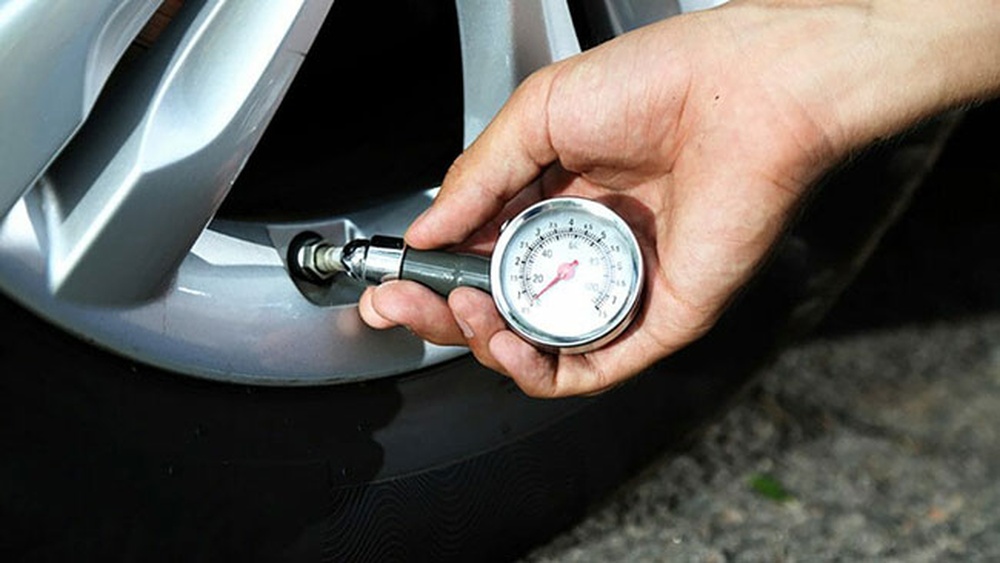
The second type is the dial gauge. It has a round face with a needle. This gauge is simple and reliable. Many drivers prefer it for its clear display.
The third type is the stick or pencil gauge. It is small and affordable. This gauge slides out to show the pressure number. It is less precise but good for quick checks.
Where To Buy Gauges
Tire pressure gauges are available at many stores. Auto parts stores have a wide selection. They often carry different types and brands. Online shops also offer many options. Shopping online lets you compare prices and read reviews. Some big retail stores sell gauges too. Check the quality and price before buying.
Preparing Your Vehicle
Preparing your vehicle before checking tire pressure is important. It helps you get accurate readings and keeps you safe. Take a few simple steps to ready your car for this task.
These steps also protect the tires and extend their life. A little care goes a long way.
When To Check Pressure
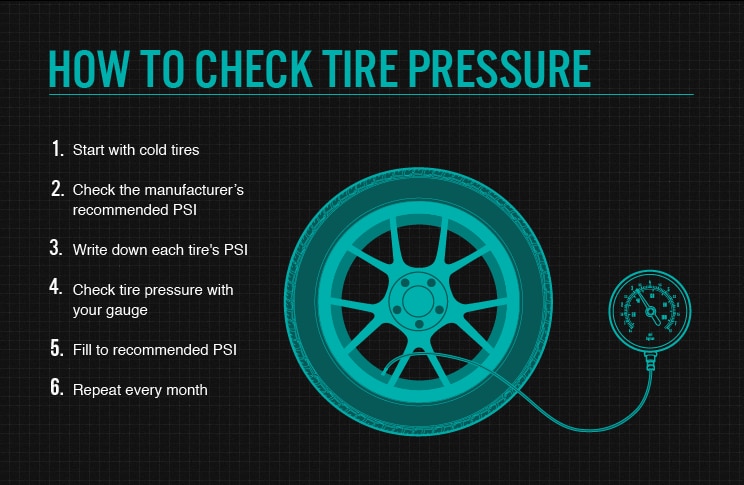
Check tire pressure when tires are cold. Cold means the car has not been driven for at least three hours. Heat from driving can raise tire pressure and give wrong results.
It is best to check in the morning or after parking all night. Avoid checking right after a long drive. This timing helps maintain consistent pressure levels for accurate checks.
Finding The Recommended Psi
Look for the recommended tire pressure in your vehicle manual. This number is also on a sticker inside the driver’s door frame. PSI means pounds per square inch.
Do not use the number on the tire sidewall. That number shows the maximum pressure, not the right one for your car. Use the recommended PSI to keep tires safe and efficient.
Credit: galiciaalive.com
Step-by-step Pressure Check
Checking your tire pressure at home is simple and quick. It helps keep your car safe and saves fuel. Follow these clear steps to get the right pressure every time.
Removing The Valve Cap
First, find the valve stem on your tire. It looks like a small rubber or metal nozzle. Twist the valve cap counterclockwise to remove it. Keep the cap in a safe place. This step opens the valve for pressure checking.
Using The Pressure Gauge
Press the tire pressure gauge firmly onto the valve stem. You should hear a short hiss of air. Hold the gauge steady for a second. The gauge will show the tire pressure reading. Use a digital or dial gauge for best results.
Interpreting The Reading
Compare the gauge reading to the recommended pressure. This number is in your car’s manual or on the door frame. If the pressure is too low, add air. If it is too high, release some air. Aim for the exact recommended pressure for safe driving.
Adjusting Tire Pressure
Adjusting tire pressure is important for safe driving and tire health. Proper pressure helps your car handle better and saves fuel. It also stops tires from wearing out too fast. Follow clear steps to add or release air safely.
Adding Air Safely
Start by removing the valve cap from the tire. Use a tire pressure gauge to check the current pressure first. If it is too low, attach the air hose firmly to the valve. Press the air hose lever to add air slowly. Keep checking the pressure as you fill. Stop adding air once the recommended pressure is reached. Replace the valve cap tightly to prevent leaks.
Releasing Excess Air
If the tire pressure is too high, release air carefully. Press the small metal pin inside the valve stem to let air out. Do this gently to avoid letting out too much air. Check the pressure often during this process. Stop releasing air when the pressure matches the recommended level. Always replace the valve cap after adjusting.
Tips For Consistent Checks
Checking tire pressure often keeps your vehicle safe and efficient. Regular checks help avoid flat tires and improve gas mileage. Consistent monitoring also extends the life of your tires. Follow simple tips to keep your tire pressure in the right range.
Make tire pressure checks a part of your routine. Knowing when and how to check helps keep your car in top shape.
How Often To Check
Check your tire pressure at least once a month. Also, check before long trips or carrying heavy loads. Tires lose air naturally over time. Frequent checks catch problems early. Don’t wait for the warning light on your dashboard.
Weather Considerations
Cold weather lowers tire pressure. Check tires more often during winter months. Hot weather can increase pressure. Avoid checking right after driving. Tires heat up and give false readings. Check pressure when tires are cold for best results.
Common Mistakes To Avoid
Checking your tire pressure at home is simple but requires care. Many make mistakes that give wrong readings. These errors can lead to unsafe driving and poor tire life. Avoid these common mistakes to keep your tires in good shape.
Checking On Hot Tires
Measuring tire pressure right after driving is a common error. Tires heat up and air inside expands. This gives a higher pressure reading than normal. Always check pressure when tires are cool. Wait at least three hours after driving. Morning is the best time for accurate readings.
Ignoring Tire Wear
Checking pressure only is not enough. Tire wear shows if tires need attention too. Worn tires affect driving safety and fuel efficiency. Look for uneven or thin tread areas. Replace tires if tread is too low. Regularly inspect tires to avoid problems on the road.

Credit: www.fjmercedes.com
Frequently Asked Questions
How Often Should I Check Tire Pressure At Home?
Check your tire pressure at least once a month. Also, check before long trips or when carrying heavy loads. Regular checks ensure safety, improve fuel efficiency, and extend tire life.
What Tools Do I Need To Check Tire Pressure?
You need a reliable tire pressure gauge. Digital or analog gauges both work well. Some cars have built-in tire pressure monitoring systems (TPMS) for convenience.
Can I Check Tire Pressure When Tires Are Warm?
It’s best to check tire pressure when tires are cold. Heat from driving can increase pressure readings. Wait at least three hours after driving for accurate results.
What Is The Recommended Tire Pressure For My Car?
Check your car’s manual or the sticker inside the driver’s door. Recommended pressure varies by vehicle and tire size. Maintaining the correct pressure ensures optimal performance and safety.
Conclusion
Checking tire pressure at home is simple and quick. Use a reliable gauge and follow the steps carefully. Keep your tires properly inflated for better safety and fuel savings. Regular checks help avoid flats and improve driving comfort. Make it a habit to check pressure monthly or before long trips.
Small effort, big benefits. Stay safe on the road with well-maintained tires.