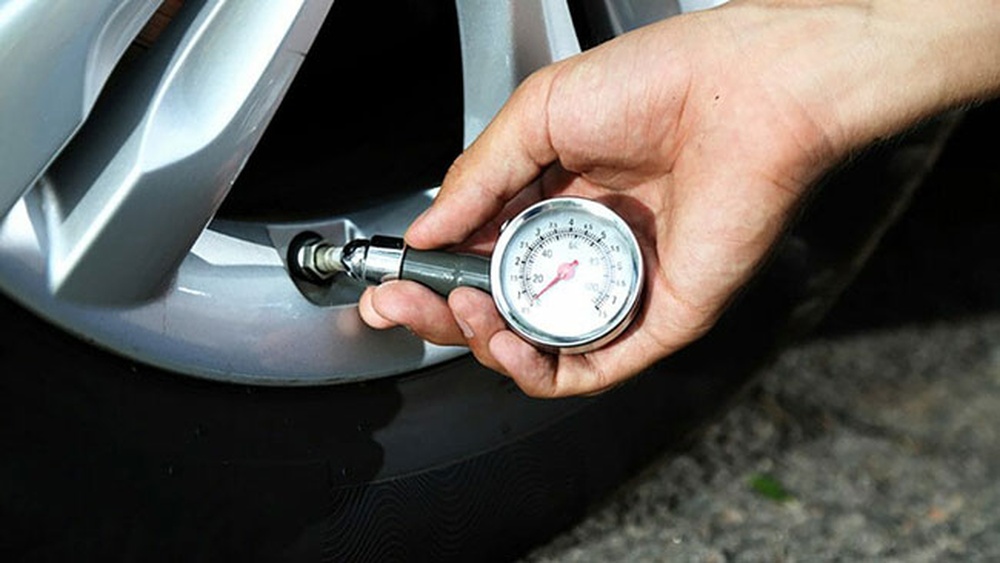

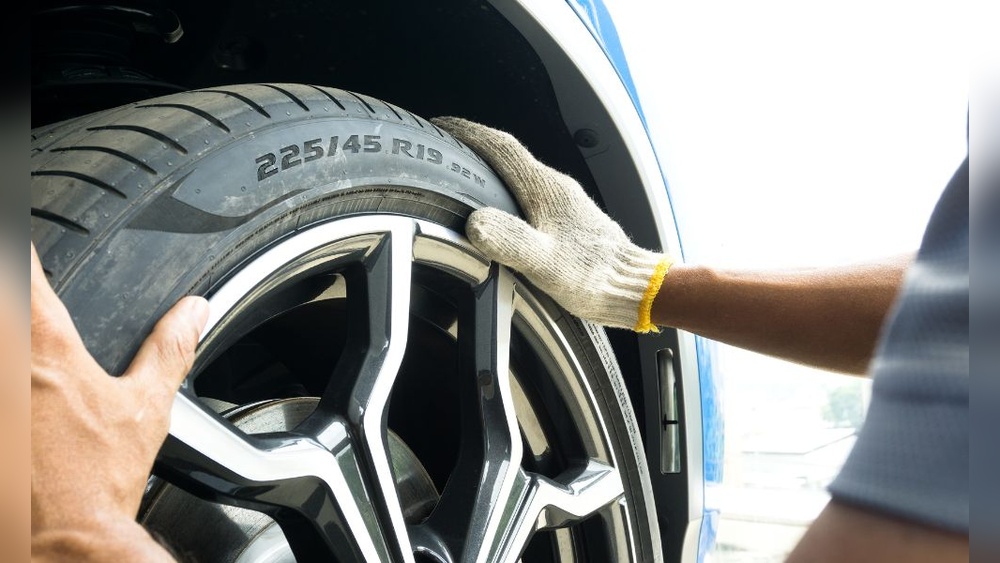
Have you ever wondered if your tires are properly inflated but didn’t have a gauge handy? Keeping the right tire pressure is crucial for your safety, fuel efficiency, and tire life.
Luckily, you don’t always need a fancy tool to check it. You’ll discover simple, effective ways to check your tire pressure without a gauge. By the end, you’ll know exactly how to keep your tires in top shape anytime, anywhere.
Ready to save money and avoid unexpected flats? Let’s dive in!
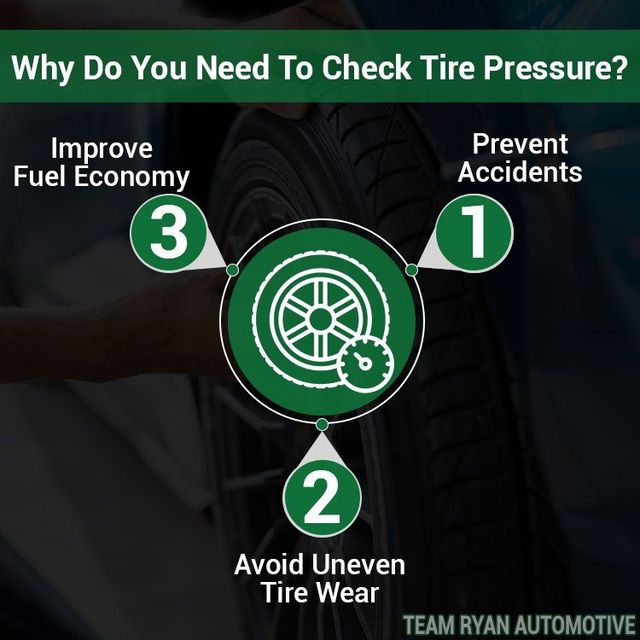
Credit: www.teamryanautomotive.com
Signs Of Low Tire Pressure
Low tire pressure can affect your car’s safety and fuel efficiency. Tires with too little air cause poor handling and increase wear. Knowing the signs helps you catch the problem early without a gauge. Simple checks can reveal if your tires need air.
Visual Inspection Tips
Look closely at each tire. Tires with low pressure often look flatter at the bottom. Check for bulges or cracks on the sidewalls. Tires should appear round and firm. Uneven gaps between the tire and the road may signal low air.
Feeling The Tire By Hand
Press the tire surface with your hand. A soft or spongy feel means low pressure. Tires with good air feel firm and resist your pressure. Compare all tires by touch to spot differences. Soft spots usually show where air is low.
Checking Tire Shape And Wear
Check the tire shape from different angles. Tires with low pressure tend to have more wear on the edges. The center tread may look less worn than the sides. Uneven wear patterns can reduce tire life and safety. Regular tire shape checks help spot problems early.

Credit: www.youtube.com
Using Your Vehicle’s Built-in Features
Many modern cars have built-in tools to check tire pressure. These features can help you avoid driving with low or high tire pressure. Using your vehicle’s built-in features saves time and effort. It also keeps you safe on the road.
Tpms Warning Light
Your car may have a Tire Pressure Monitoring System, or TPMS. This system alerts you when tire pressure is too low. The TPMS warning light shows up on your dashboard. It looks like an exclamation mark inside a flat tire symbol.
When the light turns on, check your tires soon. The system does not tell the exact pressure. It only warns you if pressure is below a safe level. Keep in mind that the TPMS light may come on if tires are overinflated too.
Onboard Display Readings
Some vehicles show tire pressure on the onboard display. This feature gives pressure numbers for each tire. You can find this information on the dashboard or center screen. It updates in real-time as you drive.
Use the display to compare pressure across all tires. This helps spot any tire with low or high pressure. The readings may not be as precise as a gauge but still useful. Checking here helps keep tires at the right pressure.
Diy Methods Without A Gauge
Checking tire pressure is important for safe driving. A gauge is the best tool, but not everyone has one. You can still check your tires without a gauge. These DIY methods help you find out if your tires need air.
The Penny Test For Tire Pressure
The penny test is simple and quick. Take a penny and place Lincoln’s head into the tire tread. If you see the top of Lincoln’s head, the tire tread is too low. This means the tire might be underinflated. If the head is partly covered, your tire pressure is likely okay. This test does not show exact pressure but gives a good sign.
Using A Smartphone App
Some smartphone apps help estimate tire pressure. These apps use your phone’s sensors or camera. They guide you through steps to check tire firmness or compare tire shape. Apps provide a rough idea about pressure. They cannot replace a real gauge but are useful in a pinch. Download a reliable app before you need it.
Comparing Tire Height And Firmness
Look at all four tires side by side. Check if one tire looks lower than the others. Press the tire with your hand. A soft tire feels squishy and may lack air. Tires with good pressure feel firm and spring back quickly. This method is less exact but helps spot big problems fast.
Common Mistakes To Avoid
Checking tire pressure without a gauge can be tricky. Many people make simple mistakes that affect safety and tire life. Knowing what to avoid helps keep your tires in good shape. Here are common errors to watch out for.
Relying Solely On Touch
Feeling the tire with your hand is not reliable. Tires can feel firm but still have low pressure. This method misses small but important changes. Always use a proper tool when possible.
Ignoring Temperature Effects
Tire pressure changes with temperature. Cold air makes pressure drop. Hot weather can increase it. Checking tires only once may give wrong results. Check pressure during similar temperature times.
Skipping Regular Checks
Checking tires only before trips is risky. Pressure drops slowly over time. Regular checks catch problems early. Make it a habit every month or before long drives.
When To Use A Tire Pressure Gauge
Knowing when to use a tire pressure gauge is key to safe driving. Tires lose air over time. Checking pressure regularly helps keep tires in good shape. It prevents accidents and saves fuel. Use a gauge before long trips or monthly checks. Also, check after heavy loads or changes in weather. Cold mornings are good times to measure pressure.
Benefits Of Accurate Measurement
Correct tire pressure improves car control and braking. It stops uneven tire wear and extends tire life. Proper pressure saves fuel and reduces emissions. It helps avoid flat tires and blowouts. Accurate checks keep your ride smooth and safe.
Choosing An Affordable Gauge
Pick a tire pressure gauge that fits your budget. Look for easy-to-read dials or digital screens. Small, portable models work well for quick checks. Choose one that measures in PSI and kPa. Good gauges last long and give reliable results.
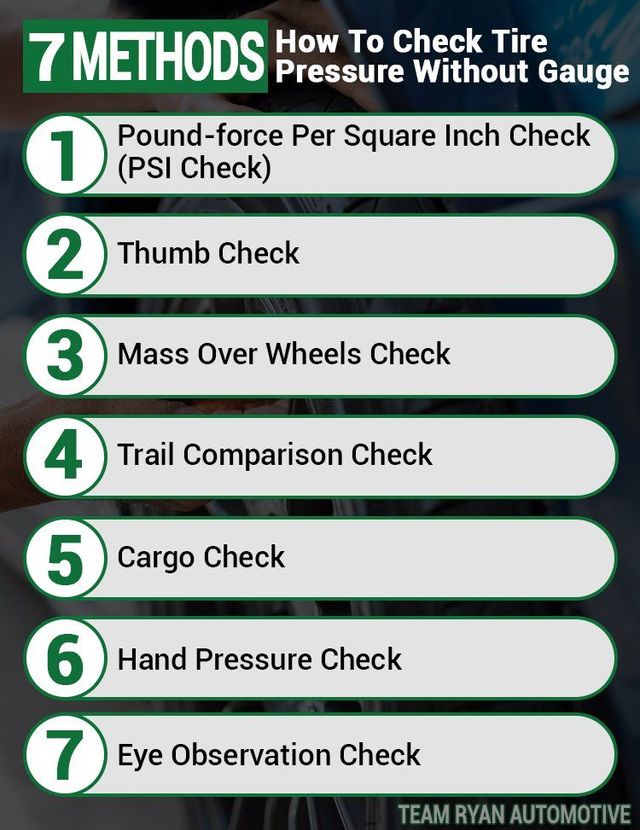
Credit: www.teamryanautomotive.com
Frequently Asked Questions
How Can I Check Tire Pressure Without A Gauge?
You can press the tire with your thumb to feel firmness. Use a ruler to measure tire height or listen for air leaks. These methods are rough but give a basic idea of tire pressure.
What Household Items Help Check Tire Pressure?
A ruler, a coin, or your hand can help. Press the tire to judge firmness or measure tread height. While not precise, these tools offer a quick tire pressure estimate.
Can Tire Pressure Be Checked Visually?
Yes, look for visibly underinflated or bulging tires. Compare tire shape to properly inflated ones. This method is quick but less accurate than using a gauge.
How Often Should I Check Tire Pressure?
Check tire pressure at least once a month. Also, inspect before long trips or heavy loads. Regular checks help maintain safety and improve fuel efficiency.
Conclusion
Checking tire pressure without a gauge is simple and helpful. You can use your hand or watch how the tire looks. Tires that feel too soft or look flat need air. Keeping the right tire pressure makes driving safer and saves fuel.
Try these easy steps often to avoid problems on the road. Remember, a little care goes a long way for your tires. Stay safe and keep your tires in good shape!