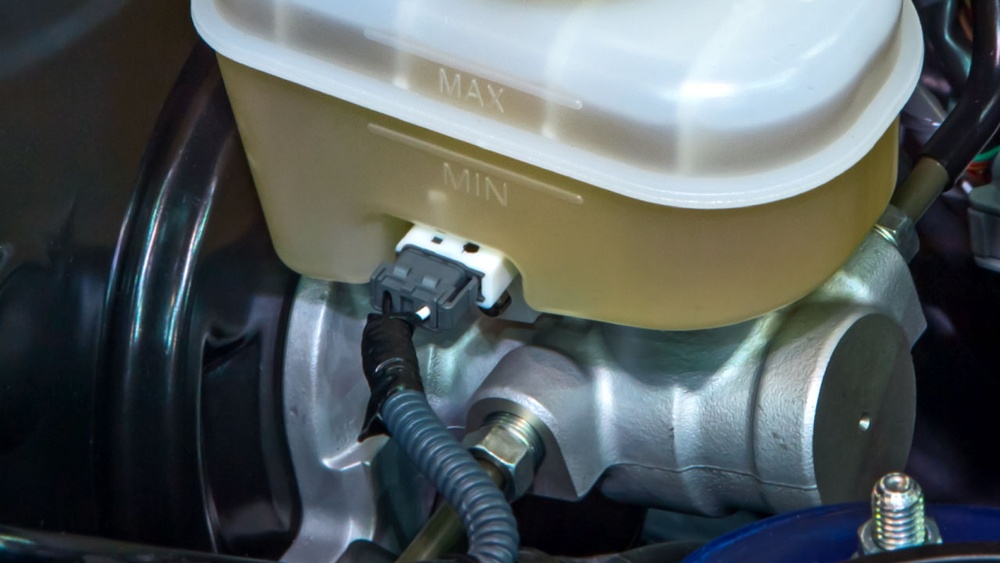

When summer hits, your car’s engine faces extra pressure. High temperatures can cause your engine oil to break down faster, leading to poor performance and costly repairs.
But don’t worry—taking simple steps to maintain your engine oil can keep your car running smoothly all season long. You’ll discover easy ways to protect your engine, save money, and avoid unexpected breakdowns. Keep reading to learn how to make sure your engine oil works hard for you, even in the hottest months.

Credit: www.ebay.com
Choose The Right Oil
Choosing the right engine oil is important for your car’s health during summer. Hot weather can make oil thin and less effective. Using the correct oil helps your engine stay cool and run smoothly. It also protects engine parts from wear and tear.
Check Viscosity Ratings
Viscosity means how thick or thin the oil is. In summer, use oil with higher viscosity. This oil stays thicker at high temperatures. Look for numbers like 10W-40 or 20W-50 on the bottle. These oils work better in heat and protect the engine well.
Synthetic Vs Conventional Oils
Synthetic oil lasts longer and handles heat better than conventional oil. It flows well at high temperatures and keeps the engine clean. Conventional oil is cheaper but breaks down faster in hot weather. Choose synthetic oil for better protection during summer driving.
Manufacturer Recommendations
Check your car manual for oil type advice. Car makers test oils for their engines. Using recommended oil keeps warranty valid. It also ensures the engine runs at its best. Follow these guidelines to avoid engine problems in summer heat.
Credit: www.cbac.com
Monitor Oil Levels Regularly
Checking your engine oil level often in summer keeps your car running smooth. Hot weather makes oil break down faster. Low oil can cause engine damage. Regular checks help avoid costly repairs. You catch problems early and keep your engine cool.
How To Check Oil Level
Park your car on level ground. Turn off the engine and wait a few minutes. Open the hood and find the dipstick. Pull it out and wipe it clean with a cloth. Insert it back fully, then pull it out again. Look at the oil on the stick. It should be between the low and full marks. If it looks dark or dirty, consider changing the oil soon.
When To Top Up Oil
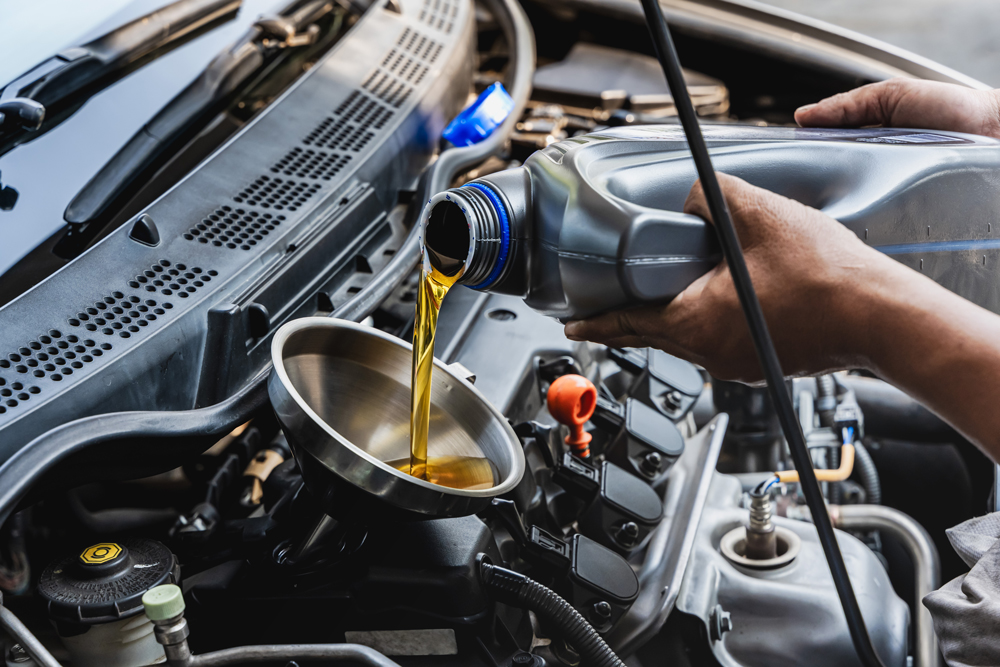
Top up oil if the level is below the minimum mark. Use the type of oil your car manual recommends. Pour slowly to avoid overfilling. Check the level again after topping up. Do not add too much oil. Overfilling can cause engine problems. Keep an eye on oil level more often during summer months. This keeps your engine safe and working well.
Schedule Oil Changes Timely
Keeping your engine oil fresh is key during hot summer months. High temperatures can break down oil faster. This reduces its ability to protect your engine. Scheduling oil changes on time helps avoid engine wear and overheating. It keeps your car running smoothly and extends engine life.
Signs Oil Needs Changing
Dark, dirty oil is a clear sign it needs changing. Check the oil color using the dipstick. If the oil looks thick or gritty, it is time to change it. Strange engine noises or knocking sounds can mean poor oil quality. Also, if the oil level drops quickly, your engine may burn oil. Watching for these signs prevents engine damage.
Recommended Change Intervals
Most car makers suggest changing oil every 3,000 to 5,000 miles. In summer, shorter intervals may be better due to heat stress. Check your vehicle manual for exact recommendations. Synthetic oils often last longer than regular oils. Follow the schedule to maintain engine health. Timely oil changes improve fuel efficiency and lower repair costs.
Protect Against Overheating
Protecting your engine from overheating is vital during hot summer months. High temperatures can strain the engine oil and reduce its ability to lubricate parts. Overheating leads to faster oil breakdown and engine wear. Taking steps to guard against heat keeps your engine running smoothly and extends oil life.
Keep Cooling System In Check
The cooling system helps control engine temperature. Check coolant levels regularly and refill if low. Inspect hoses and radiator for leaks or damage. Clean debris from the radiator fins to improve airflow. A well-maintained cooling system prevents the engine from getting too hot.
Use Oil Additives For Heat Resistance
Oil additives improve oil’s ability to withstand high heat. They reduce oil thinning and keep lubrication strong. Choose additives designed to enhance thermal stability. Adding these can protect engine parts and maintain oil performance under stress. This simple step helps your engine handle summer heat better.
Avoid Contamination
Keeping engine oil clean during summer is very important. Contaminants can harm the oil and engine. Dirt, dust, and moisture reduce oil quality. This leads to poor engine performance and possible damage. Avoiding contamination helps the oil work well longer.
Seal Oil Cap Properly
Always close the oil cap tightly after checking or adding oil. A loose cap lets dirt and dust enter the engine. Oil can spill out if the cap is not sealed. Check the oil cap seal for cracks or damage. Replace the cap if it does not seal well.
Prevent Dirt And Debris Entry
Keep the engine area clean to stop dirt from entering. Avoid driving on dusty roads when possible. Cover the engine with a clean cloth during maintenance. Use clean tools and containers when handling engine oil. Cleanliness reduces the chance of debris mixing with oil.
Store Your Vehicle Properly
Properly storing your vehicle helps protect the engine oil in hot summer months. Heat can break down oil faster, which reduces its ability to lubricate the engine. Keeping your vehicle in a good place lowers this risk and keeps the oil working well.
Park In Shade
Parking your car in the shade keeps the engine cooler. Direct sunlight heats the engine and oil quickly. A shaded spot stops the oil from getting too hot. This helps the oil last longer and keeps the engine safe from heat damage.
Avoid Prolonged Idling
Idling your car for a long time heats the engine and oil. This causes the oil to thin out and lose power. Turn off the engine if you wait more than a minute. Less idling means cooler oil and better engine health.

Credit: www.gotodobbs.com
Frequently Asked Questions
How Often Should I Check Engine Oil In Summer?
Check your engine oil every 1,000 miles or biweekly during summer. High temperatures can degrade oil faster. Regular checks help prevent engine damage and maintain optimal performance.
What Type Of Engine Oil Is Best For Summer?
Use synthetic or semi-synthetic oils with high viscosity ratings in summer. They resist heat better and keep the engine lubricated. Always follow your vehicle manufacturer’s recommendations for oil type.
Can High Temperatures Affect Engine Oil Performance?
Yes, extreme heat can thin engine oil, reducing its protective abilities. This causes increased engine wear and overheating risks. Using the right oil and timely changes help prevent damage.
How To Spot Engine Oil Problems Caused By Summer Heat?
Look for dark, thick, or burnt-smelling oil. Engine overheating or unusual noises also indicate oil issues. These signs mean you should check and possibly change the oil immediately.
Conclusion
Maintaining engine oil in summer protects your car’s engine. Check oil levels often to avoid overheating. Use the right oil type for hot weather. Change oil regularly to keep the engine clean. Clean oil helps the engine run smoothly and lasts longer.
Keep your car cool by parking in the shade. Small steps can prevent costly repairs later. Stay safe on the road with proper engine care. Summer heat is tough, but your engine oil can handle it. Take care, and your car will thank you.