
Are you looking to save money and extend the life of your tires? Learning how to rotate tires at home is easier than you think—and it puts you in control of your car’s maintenance.
By rotating your tires regularly, you ensure even wear, better handling, and improved safety on the road. You’ll discover simple, step-by-step instructions that anyone can follow, no special skills required. Keep reading, and you’ll be surprised at how quickly you can master this essential car care task yourself.
Benefits Of Tire Rotation
Rotating tires is a simple task with many benefits. It helps keep tires in good shape and improves your car’s performance. Regular tire rotation saves money and keeps you safe on the road. Understanding these benefits shows why tire rotation matters.
Extending Tire Lifespan
Tires wear unevenly due to different positions on the car. Rotating tires balances out this wear. This makes all tires last longer. It reduces the need to buy new tires often. You get the most use from every tire.
Improving Fuel Efficiency
Even tire wear helps the car drive smoothly. Smooth driving means the engine works less hard. This saves fuel and lowers costs at the pump. Rotating tires helps your car use fuel better.
Enhancing Vehicle Safety
Good tires improve road grip and control. Rotated tires have even tread depth for better traction. This reduces the risk of accidents, especially on wet roads. Keeping tires balanced makes driving safer for everyone.

Credit: www.youtube.com
When To Rotate Tires
Knowing when to rotate your tires helps keep your car safe and your tires lasting longer. Regular rotation spreads wear evenly across all tires. This prevents uneven wear and improves vehicle handling.
Rotating tires at the right times saves money. It avoids early tire replacements and keeps your ride smooth. Understanding the timing is key to good tire care.
Recommended Mileage Intervals
Most car makers suggest rotating tires every 5,000 to 7,000 miles. This matches the timing of an oil change for easy maintenance. Check your car’s owner manual for exact numbers.
Some tires or vehicles need rotation sooner or later. Adjust based on your driving habits and road types. Regular checks help decide the best interval.
Signs Your Tires Need Rotation
Look for uneven tread wear on your tires. One tire may look more worn than the others. This signals a need for rotation soon.
Also, notice if your car pulls to one side or vibrates. These signs can mean tire wear is uneven. Rotating tires can fix these problems and improve safety.
Tools And Equipment Needed
Rotating tires at home requires the right tools and equipment. Using proper tools makes the job easier and safer. Having everything ready helps you work smoothly without interruptions.
Essential Tools List
- Car jack: Lifts the car off the ground safely.
- Jack stands: Hold the car securely in place.
- Lug wrench: Removes and tightens the lug nuts.
- Torque wrench: Ensures lug nuts are tightened correctly.
- Wheel chocks: Prevent the car from rolling.
- Gloves: Protect your hands during the job.
- Work mat or blanket: Keeps you clean and comfortable.
Safety Gear
Safety gear protects you while rotating tires. Wear gloves to avoid cuts and scrapes. Safety glasses shield your eyes from dust and debris. Closed-toe shoes protect your feet from falling tools. Bright clothing increases visibility if working near traffic.
Preparing Your Vehicle
Preparing your vehicle is the first step to rotate tires at home safely and effectively. This process helps avoid accidents and makes the job easier. Taking time to get ready protects you and your car. Follow these steps to prepare your vehicle properly before starting.
Choosing A Safe Location
Select a flat, solid surface to park your car. Avoid soft ground or sloped areas. A driveway or garage floor works best. Make sure the area has enough space to move around. Check for good lighting to see clearly. Safety comes first.
Loosening Lug Nuts
Before lifting the car, loosen the lug nuts on each wheel. Use a tire iron or lug wrench. Turn the nuts counterclockwise but do not remove them yet. Loosening helps when the wheel is still on the ground. This step saves effort and prevents the wheel from spinning.
Step-by-step Tire Rotation Process
Rotating tires at home helps extend tire life and improve vehicle safety. Follow this simple, clear process to rotate your tires correctly. Each step is easy to do with basic tools. Take your time and stay safe.
Lifting The Vehicle Safely
Park your car on a flat, stable surface. Apply the parking brake to prevent movement. Place wheel chocks behind the wheels not being lifted. Use a car jack to lift one corner at a time. Lift the vehicle high enough to remove tires easily. Always use jack stands to support the car securely.
Removing Tires
Loosen the lug nuts before lifting the car if possible. Remove the lug nuts completely once the tire is off the ground. Pull the tire straight off the hub. Place the removed tire aside in a clean spot. Repeat for all tires following the rotation pattern.
Rotating Tire Positions
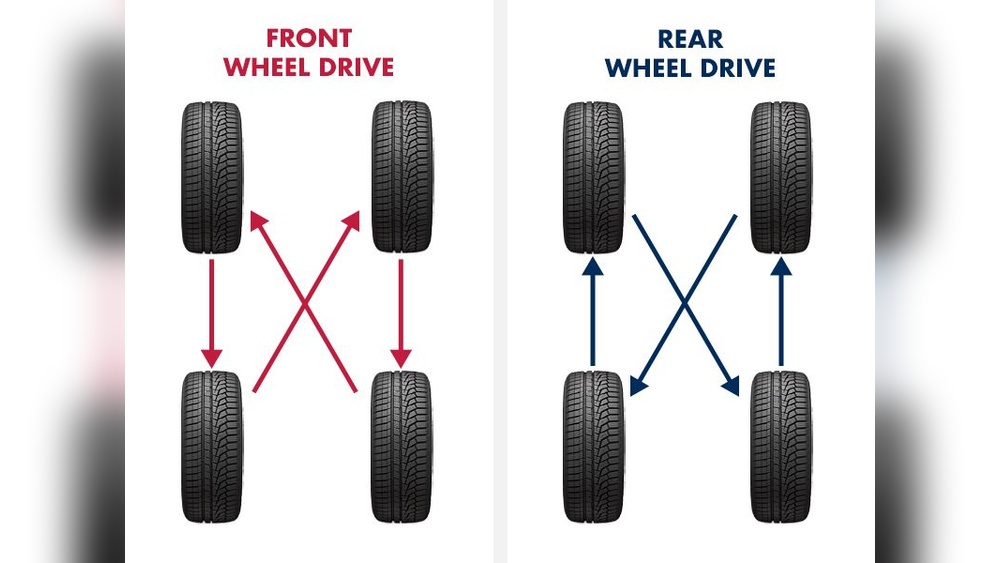
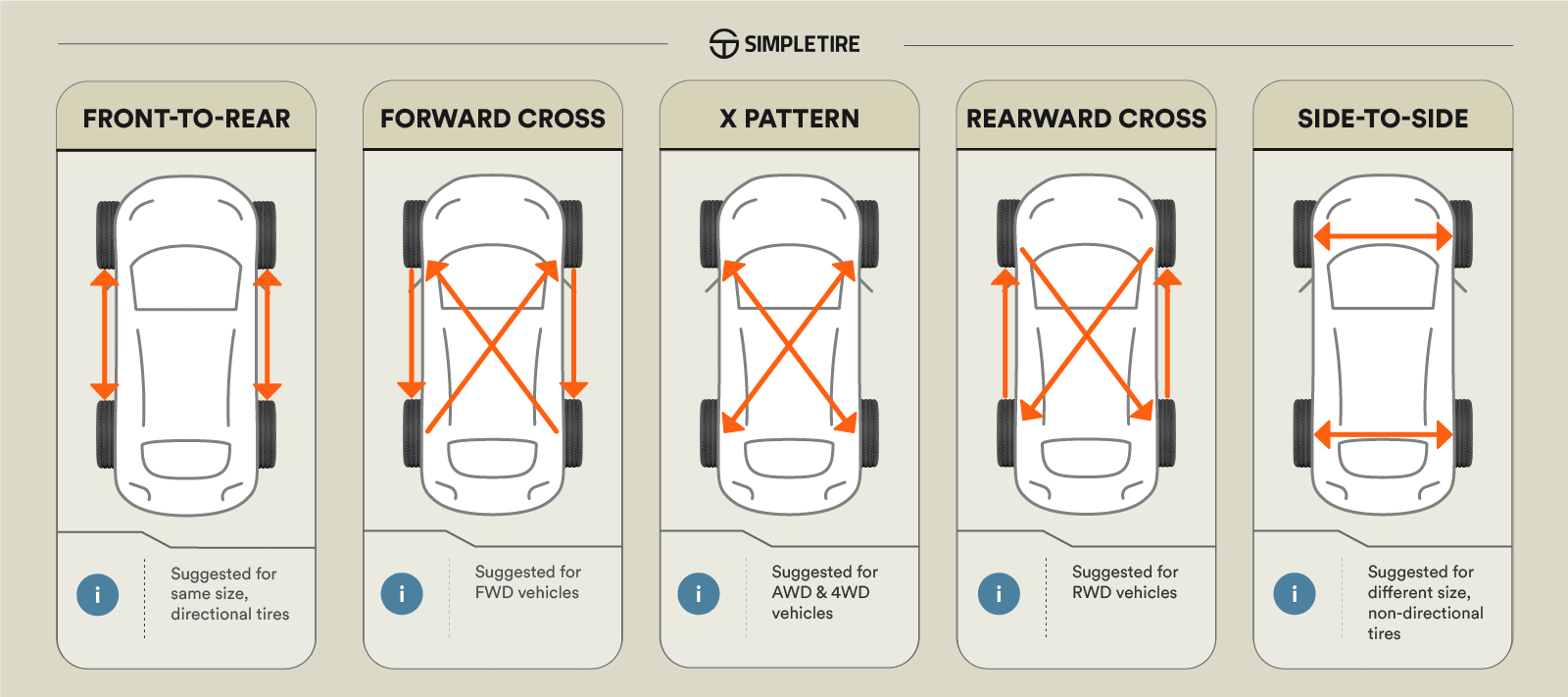
Follow the recommended tire rotation pattern for your vehicle. Typically, front tires move to the rear and vice versa. Cross the tires from one side to the other if advised. Check your owner’s manual for specific rotation instructions. Proper rotation ensures even tire wear.
Reinstalling Tires
Put each tire back on its new position. Align the lug nut holes with the studs carefully. Hand-tighten the lug nuts to hold the tire in place. Lower the vehicle slowly to the ground. Use a wrench to fully tighten lug nuts in a star pattern for even pressure.
Torque Specifications And Tightening
Tightening your tires correctly is essential for safety and tire life. Using the right torque ensures the lug nuts hold the wheel firmly without damage. Over-tightening can warp brake rotors or strip threads. Under-tightening risks the wheel coming loose while driving.
Understanding torque specifications helps you avoid these problems. Each vehicle has a specific torque value for its lug nuts. Following this value keeps your wheels secure and your ride smooth.
Using A Torque Wrench
A torque wrench is a tool that applies a specific tightness level. It shows how much force you use to tighten lug nuts. This tool prevents over or under-tightening.
Set the torque wrench to the recommended value from your vehicle manual. Turn the wrench slowly until it clicks or signals the right torque. This click means you reached the correct tightness.
Proper Tightening Pattern
Follow a star or crisscross pattern when tightening lug nuts. This method applies even pressure across the wheel. Start by tightening one lug nut, then move to the opposite one.
Tighten each nut a little at a time. Repeat the pattern until all nuts reach the correct torque. This pattern helps the wheel sit evenly on the hub, reducing vibration and wear.
Post-rotation Checks
After rotating your tires, some important checks help ensure safety and performance. These checks confirm the rotation was done correctly. They also prevent future issues on the road. Take a few minutes to complete these steps before driving again.
Inspecting Tire Pressure
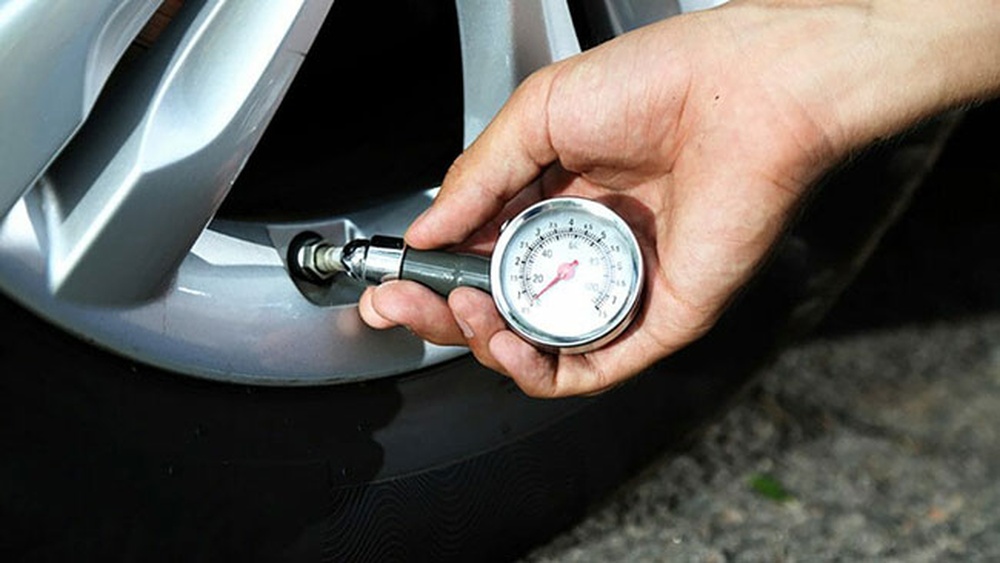
Check each tire’s pressure with a reliable gauge. The pressure should match the car manufacturer’s recommended level. Proper pressure improves fuel efficiency and tire life. Low or high pressure can cause uneven wear and poor handling. Adjust the pressure as needed for all four tires.
Test Drive Tips
Drive slowly at first on a quiet road. Pay attention to any unusual vibrations or noises. Notice if the steering feels smooth and stable. A well-rotated tire setup should improve ride quality. Stop and recheck tire pressure if anything feels off during the drive.
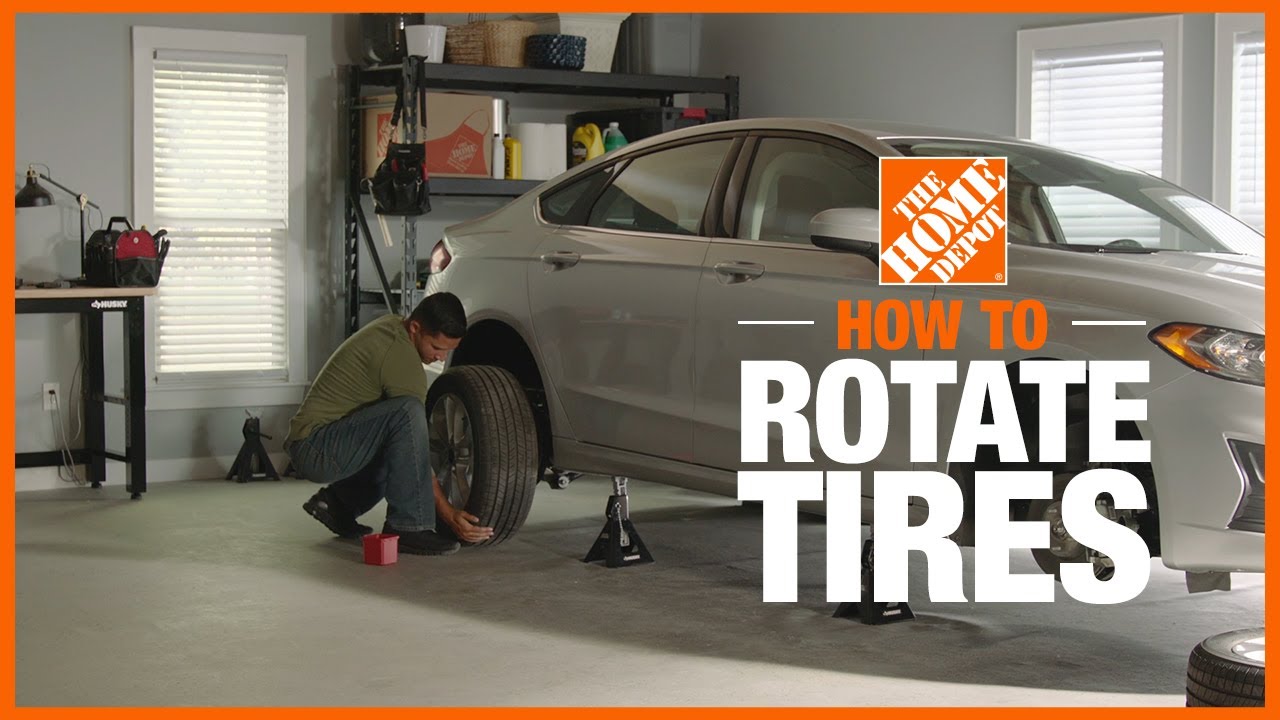
Credit: www.homedepot.com
Common Mistakes To Avoid
Rotating tires at home saves money and extends tire life. Many drivers try it but make simple mistakes. These errors can lead to uneven wear or even accidents. Avoid common pitfalls to keep your car safe and tires lasting longer. Follow these tips carefully for the best results.
Skipping Safety Precautions
Safety comes first in every tire rotation. Do not lift your car without a strong jack and jack stands. Never rely on a jack alone. Always park on a flat surface and use wheel chocks. Wear gloves to protect your hands. Ignoring safety steps can cause serious injury or damage.
Incorrect Rotation Patterns
Rotating tires in the wrong pattern causes uneven wear. Know your car’s drive type: front, rear, or all-wheel drive. Follow the recommended pattern for your vehicle. Front tires usually move to the back on the same side. Rear tires often cross to the front. Using the wrong pattern reduces tire life and affects handling.
When To Seek Professional Help
Rotating tires at home can save money and extend tire life. Still, some situations require professional help. Knowing when to seek experts can keep you safe and protect your vehicle.
Signs Of Tire Or Wheel Damage
Visible cracks, bulges, or deep cuts on tires need expert attention. Damaged wheels or bent rims also require professional checks. These issues can cause accidents or poor vehicle performance.
Difficulty Lifting Your Vehicle
If your jack does not lift the car easily, ask for help. Some vehicles are heavy or have unusual frames. Professionals have the right tools and experience for safe lifting.
Uneven Tire Wear Patterns
Uneven wear may signal alignment or suspension problems. A professional can inspect and fix these issues. Rotating tires alone will not solve uneven wear.
Unfamiliarity With Tools Or Process
Not sure how to use the jack or wrench? Confused about the rotation pattern? Professionals can perform the task quickly and correctly. Avoid mistakes that can lead to tire damage or injury.
Unusual Noises Or Vibrations After Rotation
Strange sounds or shaking after rotating tires suggest a problem. Stop driving and visit a mechanic. They can diagnose and fix any issues immediately.
Credit: simpletire.com
Frequently Asked Questions
How Often Should I Rotate My Tires At Home?
Rotate your tires every 5,000 to 7,500 miles for even wear. This maintains tire performance and extends lifespan. Check your vehicle’s manual for specific recommendations.
What Tools Are Needed To Rotate Tires At Home?
You need a jack, lug wrench, and torque wrench. Also, use wheel chocks for safety. These basic tools ensure a smooth, safe tire rotation process.
What Is The Correct Tire Rotation Pattern?
For front-wheel drive, use the forward cross pattern. Rear-wheel drive vehicles use the rearward cross pattern. Consult your manual for all-wheel drive recommendations.
Can I Rotate Tires Without Lifting The Car?
No, lifting the car with a jack is essential. It allows you to remove and swap tires safely and properly. Never rotate tires while the car is on the ground.
Conclusion
Rotating tires at home saves money and keeps your car safe. It helps your tires wear evenly and last longer. You only need a few tools and some time. Follow the steps carefully and check your work. Regular tire rotation improves your car’s performance and fuel efficiency.
Try it yourself and gain confidence in basic car care. Small effort today can prevent big problems tomorrow. Keep your tires in good shape for a smoother, safer drive.