
Have you ever noticed your tires wearing out faster on one side than the other? Uneven tire wear isn’t just a small problem—it can affect your safety, your car’s performance, and even cost you more money in the long run.
If your tires look uneven, you might be wondering what’s causing it and how to fix it before it gets worse. Keep reading, and you’ll discover the common reasons behind uneven tire wear and simple steps you can take to protect your tires and your wallet.
Common Patterns Of Uneven Tire Wear
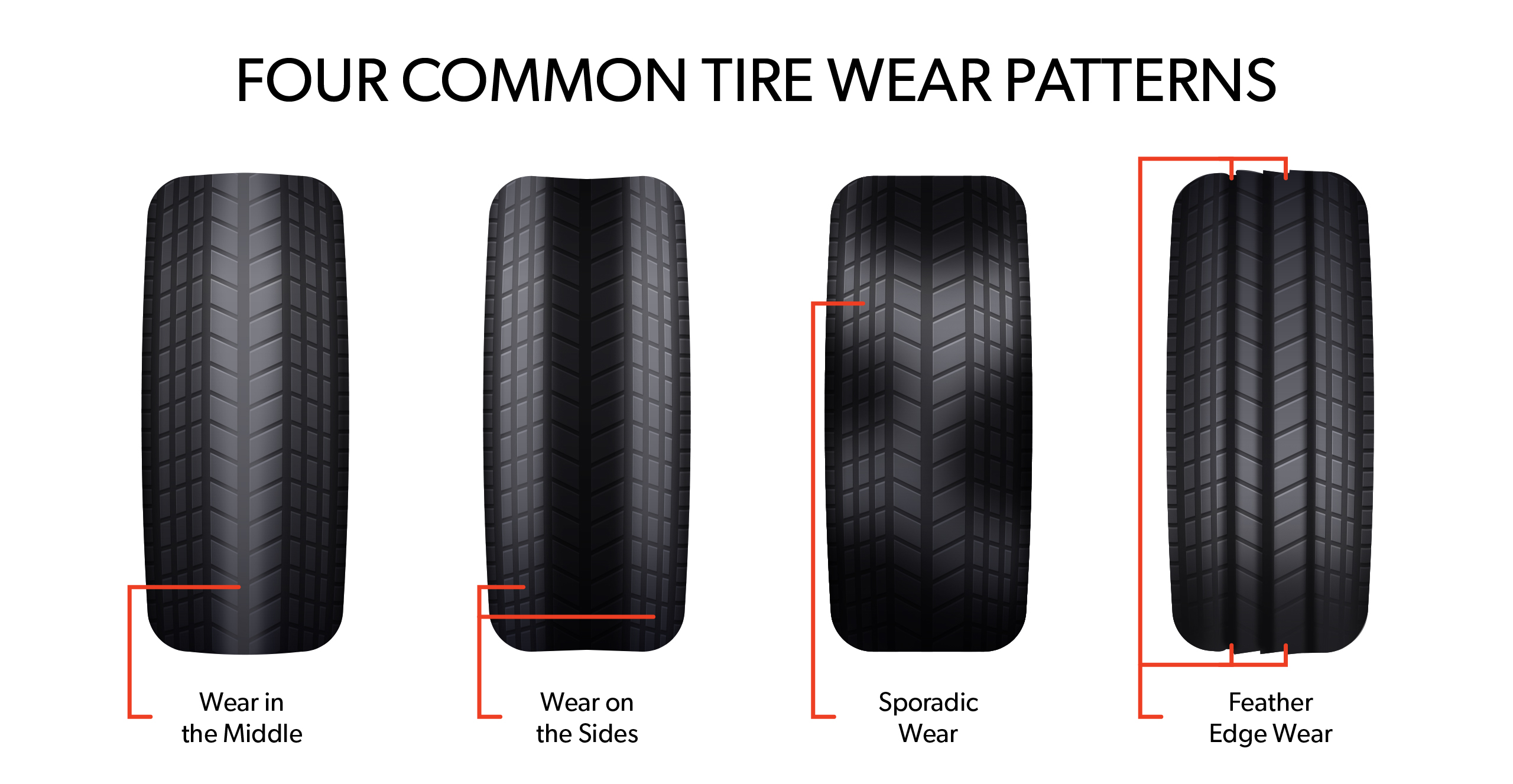
Tire wear shows many patterns. Each tells a story about your car’s health. Recognizing these patterns helps keep your ride safe. It also saves money on new tires. Common patterns reveal issues like pressure, alignment, or suspension problems.
Understanding these wear types lets you act fast. Fixing the root cause prevents further damage. Here are the most common patterns of uneven tire wear.
Center Wear
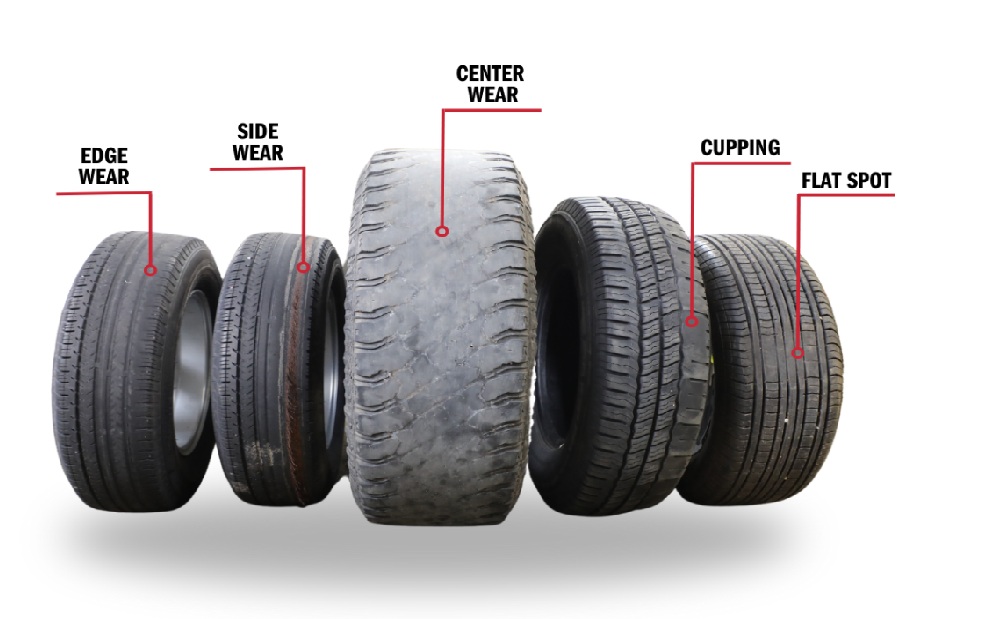
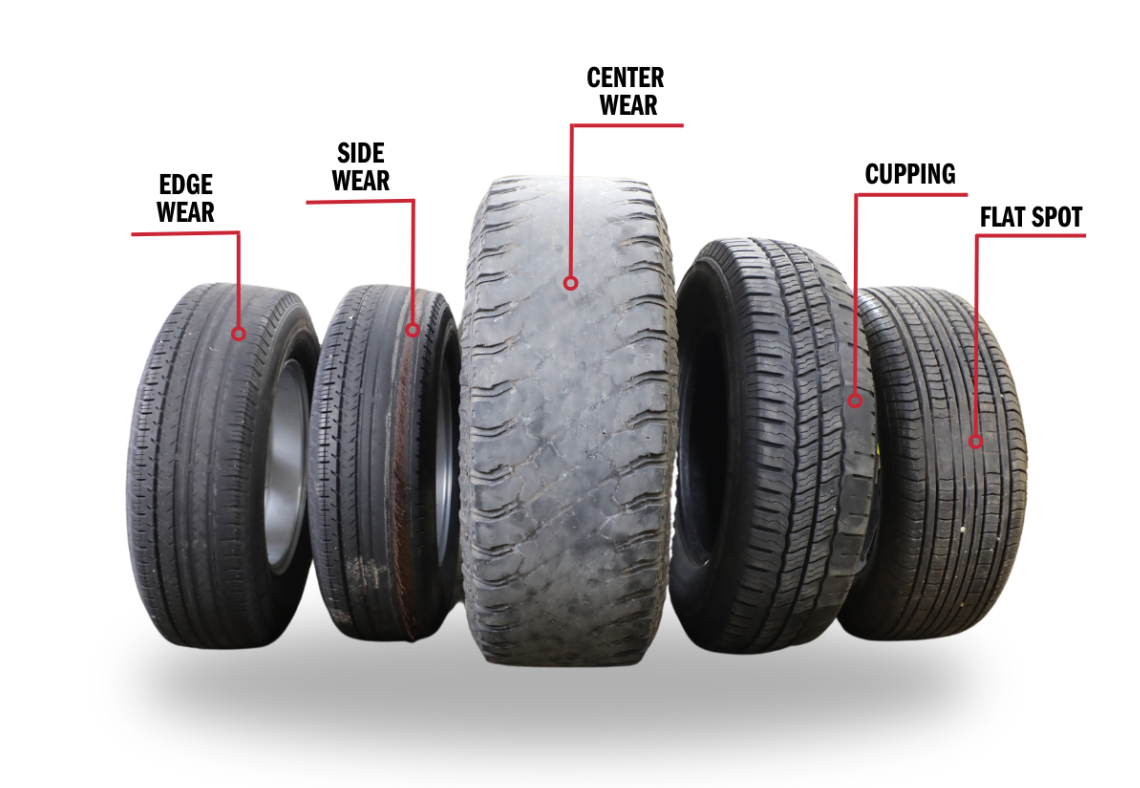
Center wear means the tire’s middle wears faster than edges. This happens when tires have too much air pressure. Overinflation makes the center touch the road more. Tires lose grip and wear out quickly in the middle. Check tire pressure regularly to avoid this.
Edge Wear
Edge wear shows the tire edges wearing faster than the center. It occurs from low tire pressure. Underinflated tires touch the road unevenly. The edges carry more weight and wear down. This also lowers fuel efficiency and harms handling. Keep tires properly inflated for safety.
Cupping
Cupping means tires have high and low spots on the tread. These look like small dips or scallops. It often happens due to worn suspension or unbalanced wheels. Tires bounce on the road, causing uneven contact. This creates a noisy, rough ride. Suspension checks can fix cupping issues.
Feathering
Feathering is when tire tread ribs feel smooth on one side and sharp on the other. This results from incorrect wheel alignment. Tires scrub against the road unevenly during turns. It wears down the tread unevenly and can reduce tire life. Regular alignment checks stop feathering early.
Credit: westwoodhonda.com
Impact Of Wheel Alignment
Wheel alignment plays a big role in how your tires wear over time. Proper alignment keeps the tires pointing in the right direction. Misalignment causes uneven wear and reduces tire life. It can also affect handling and safety.
There are three main parts of wheel alignment that impact tire wear. These are camber, toe, and caster. Each one changes how the tire touches the road. When out of adjustment, they cause specific wear patterns.
Camber Issues
Camber is the tilt of the tire from top to bottom. If the top leans inward or outward too much, it causes uneven wear. Too much inward tilt wears the inside edge faster. Too much outward tilt wears the outside edge. Bad camber can make the car pull to one side.
Toe Misalignment
Toe describes whether tires point inward or outward when viewed from above. Toe-in means tires point toward each other. Toe-out means they point away. Incorrect toe angles cause the tires to scrub on the road. This leads to rapid wear on the inner or outer edges. Toe problems make steering feel loose or shaky.
Caster Problems
Caster is the angle of the steering axis viewed from the side. It affects stability and steering effort. While caster does not directly cause tire wear, wrong caster angles can strain suspension parts. This can lead to uneven tire contact and indirect wear. Proper caster keeps the car stable at higher speeds.
Role Of Tire Pressure
Tire pressure plays a key role in how tires wear over time. Proper pressure helps tires last longer and perform better. Incorrect tire pressure causes uneven wear, reducing tire life and safety.
Maintaining the right pressure ensures even contact between the tire and road. This balance helps the tire wear evenly and avoid damage. Tire pressure affects handling, fuel efficiency, and ride comfort too.
Overinflation Effects
Too much air in a tire causes overinflation. This makes the tire’s center area bulge out. As a result, the center tread wears faster than the edges. Overinflated tires have less contact with the road edges. This leads to poor traction and uneven wear patterns.
Underinflation Effects
Underinflated tires have too little air pressure. This causes the tire sides to press harder on the road. The edges of the tire wear out faster than the center. Underinflation also increases heat inside the tire. Heat can cause tire damage and increase the risk of blowouts.
Checking And Maintaining Pressure
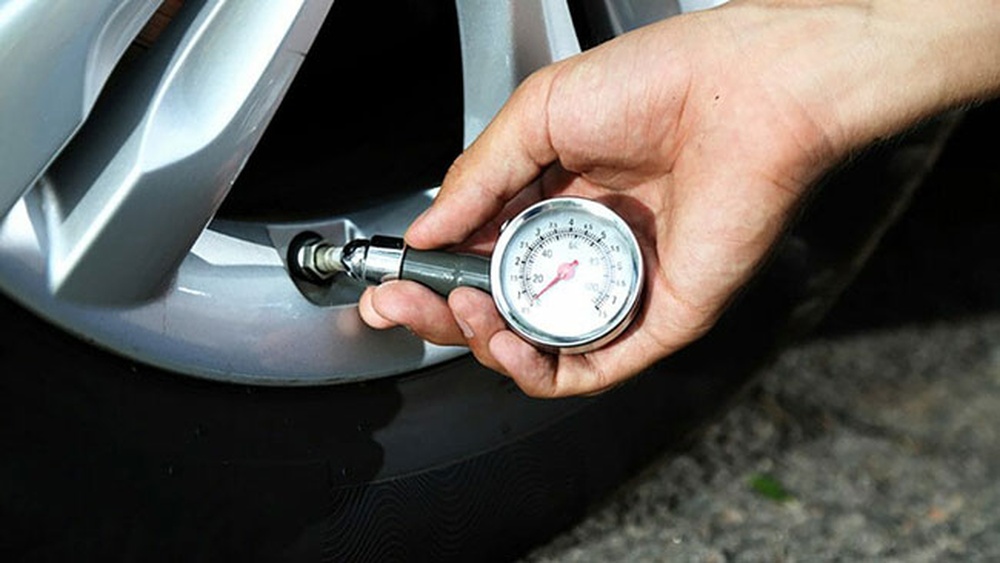
Check tire pressure regularly using a reliable gauge. Measure pressure when tires are cold for accuracy. Follow the vehicle’s recommended tire pressure found in the owner’s manual or door sticker. Adjust pressure as needed to keep it at the recommended level. Proper maintenance prevents uneven wear and keeps driving safe.
Suspension And Steering Factors
Suspension and steering parts play a big role in tire wear. These systems keep your tires steady and in the right position. When parts wear out or break, tires wear unevenly. This section explains how suspension and steering affect your tires.
Worn Suspension Components
Suspension parts like shocks, struts, and bushings absorb road bumps. Over time, these parts wear out and lose their strength. Worn suspension causes tires to bounce or drag on the road. This constant movement makes the tire tread wear unevenly and faster.
Steering System Wear
The steering system controls tire direction. Worn tie rods, ball joints, or steering racks can cause misalignment. Misaligned tires do not roll straight. They scrub against the road, wearing more on one side. This leads to uneven tire wear and poor handling.
Impact On Tire Contact
Suspension and steering issues change how tires touch the road. Uneven contact pressure wears the tire tread unevenly. Some parts of the tire wear faster than others. This reduces tire life and can cause safety problems. Proper maintenance keeps tires in full contact with the road.
Driving Habits That Accelerate Wear
Driving habits play a big role in how quickly tires wear out. Some common actions put extra pressure on tires. These actions cause uneven wear and reduce tire life. Learning about these habits helps protect your tires and save money.
Aggressive Cornering
Taking corners too fast pushes tires hard on one side. This puts more weight on the outer edges. The outer tire tread wears down faster than the rest. Over time, this causes uneven tire wear and less grip on the road.
Hard Braking
Slamming on the brakes causes sudden force on tires. Tires skid and lose traction quickly. This friction burns the rubber and wears down the tread. Tires that often face hard braking show patchy and uneven wear.
Frequent High Speeds
Driving at high speeds heats tires up quickly. Heat softens the rubber, making it wear faster. High speed also causes more pressure on certain parts of the tire. This leads to uneven tread wear and can lower tire safety.
Credit: www.bienerford.com
Influence Of Load And Weight Distribution
Load and weight distribution play a big role in how tires wear out. Tires handle the vehicle’s weight and the forces during driving. When the load on tires changes or is uneven, wear patterns change too.
Uneven tire wear can cause safety problems and reduce tire life. Understanding how load and weight affect tires helps prevent these issues.
Excessive Load Effects
Too much weight on tires causes faster wear. The tire sidewalls bend more under heavy load. This heat buildup breaks down the rubber faster. Tires can lose grip and become unsafe.
Excess load also increases the risk of tire failure. Overloaded tires wear unevenly, especially on the edges. This weakens the tire structure over time.
Uneven Weight Distribution
Weight spread unevenly on a vehicle leads to uneven tire wear. Tires carrying more weight wear faster than others. For example, a heavy load at the back makes rear tires wear quicker.
Uneven weight causes some tires to work harder. This imbalance can cause vibrations and handling problems. Regularly checking vehicle load helps maintain even tire wear.
Tire Load Ratings
Tire load ratings tell the maximum weight a tire can carry safely. Choosing tires with the right load rating prevents overloading. Using tires with lower ratings than needed causes quick wear.
Always match tire load ratings with your vehicle’s weight. This ensures tires last longer and perform well. Proper tire selection protects both tires and passengers.
Tire Maintenance Practices
Tire maintenance practices play a key role in preventing uneven tire wear. Proper care helps tires last longer and keeps driving safe. Simple steps done regularly protect tires from damage and irregular wear patterns.
Regular checks and maintenance improve tire performance. These actions also save money by avoiding early tire replacement. Every driver should know basic tire care to keep tires in good shape.
Regular Rotation Benefits
Rotating tires means changing their position on the vehicle. This helps tires wear evenly over time. Front tires often wear faster than rear ones. Rotation balances this wear, extending tire life.
Most experts suggest rotating tires every 5,000 to 8,000 miles. Regular rotation improves handling and fuel efficiency too. It is a simple, low-cost way to protect tires.
Balancing Tires
Tire balancing fixes uneven weight distribution in tires. Unbalanced tires cause vibrations and uneven tread wear. Balancing improves ride comfort and tire lifespan.
Balance tires whenever new tires are installed. Also, rebalance if you feel shaking while driving. Balanced tires ensure smooth driving and even wear.
Inspecting For Damage
Check tires often for cuts, cracks, or bulges. Damage weakens tire structure and causes uneven wear. Inspect tires before long trips or after hitting potholes.
Remove objects like stones or nails stuck in the tread. Replace tires with serious damage to avoid accidents. Early damage detection keeps tires safe and durable.
Environmental And Road Conditions
Environmental and road conditions play a big role in how tires wear out. The places you drive and the weather affect tire health. Some conditions cause uneven wear that shortens tire life. Understanding these factors helps keep tires in good shape longer.
Rough Terrain Impact
Driving on rough terrain puts extra pressure on tires. Rocks, gravel, and uneven ground can damage tire treads. Tires may wear out faster on one side. Small cuts and punctures happen more often. This uneven wear reduces tire grip and safety.
Weather Effects
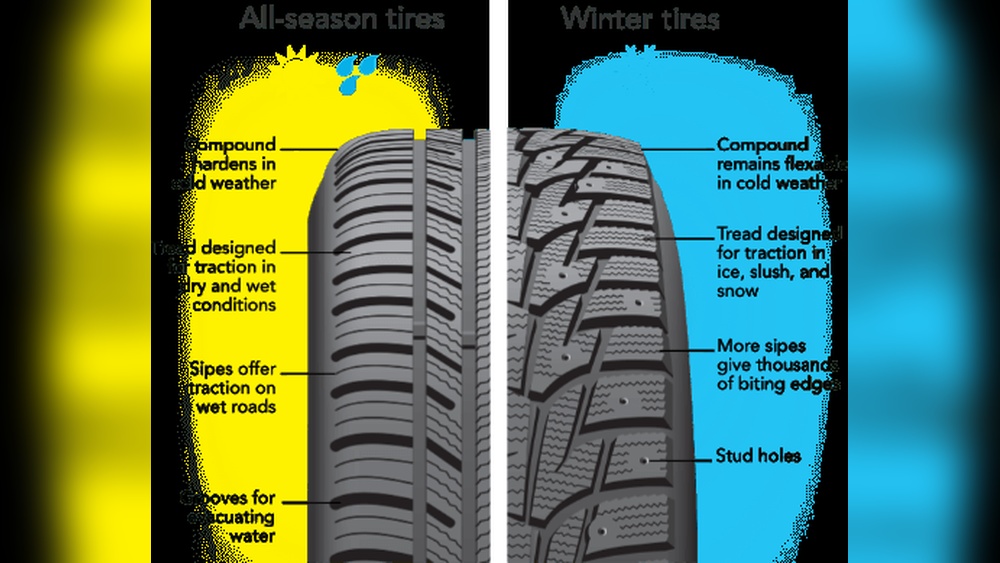
Weather changes affect tire rubber and pressure. Hot weather makes tires expand and wear faster. Cold weather can make tires hard and brittle. Rain and snow reduce road grip and cause slipping. These changes lead to uneven tire wear over time.
Road Hazards
Road hazards like potholes and debris cause tire damage. Hitting a pothole can bend rims and wear tires unevenly. Sharp objects can cause slow leaks or sudden damage. Avoiding hazards helps prevent uneven tire wear and keeps driving safe.
Credit: www.telletire.com
Frequently Asked Questions
What Are The Main Causes Of Uneven Tire Wear?
Uneven tire wear is mainly caused by improper wheel alignment, unbalanced tires, and worn suspension parts. Driving habits and incorrect tire pressure also contribute to uneven wear. Regular maintenance helps prevent these issues and extends tire life.
How Does Improper Alignment Affect Tire Wear?
Improper alignment causes tires to wear unevenly by placing extra stress on one side. This results in faster tread wear and reduces tire lifespan. Regular alignment checks ensure tires wear evenly and improve vehicle handling.
Can Tire Pressure Cause Uneven Wear?
Yes, incorrect tire pressure leads to uneven wear. Overinflated tires wear more in the center, while underinflated tires wear on the edges. Maintaining the recommended tire pressure helps ensure even tread wear and better fuel efficiency.
How Do Driving Habits Impact Tire Wear?
Aggressive driving, sudden braking, and sharp turns cause uneven tire wear. Smooth and cautious driving reduces stress on tires and promotes even wear. Consistent driving habits help maximize tire lifespan and safety.
Conclusion
Uneven tire wear happens for many reasons. Poor alignment, bad tire pressure, and worn parts all play roles. Regular tire checks help catch problems early. Fixing issues keeps your car safe and your tires lasting longer. Drive carefully and maintain your vehicle often.
That way, you avoid costly repairs and stay comfortable on the road. Remember, good tire care saves money and keeps you safe.