
When winter rolls around, choosing the right tires for your car can feel confusing. Should you go for winter tires or stick with all season tires?
The answer can make a big difference in your safety, comfort, and driving experience. You want to know which tires will keep you steady on icy roads and which ones might let you down when the weather turns cold. This guide will help you understand the key differences so you can make the best choice for your car—and your peace of mind.
Keep reading to discover what really works when the temperature drops.

Credit: www.youtube.com
Tire Types And Design
Tire types and design play a big role in how a vehicle performs on the road. Tires come with different features based on weather and road conditions. Choosing the right tire ensures better safety and control. Winter tires and all season tires have unique designs made for specific uses.
Understanding these designs helps drivers pick the best option. Winter tires focus on cold, snowy roads. All season tires offer a balance for many conditions. The differences lie mainly in the tread pattern, rubber compounds, and overall build.
Winter Tire Features
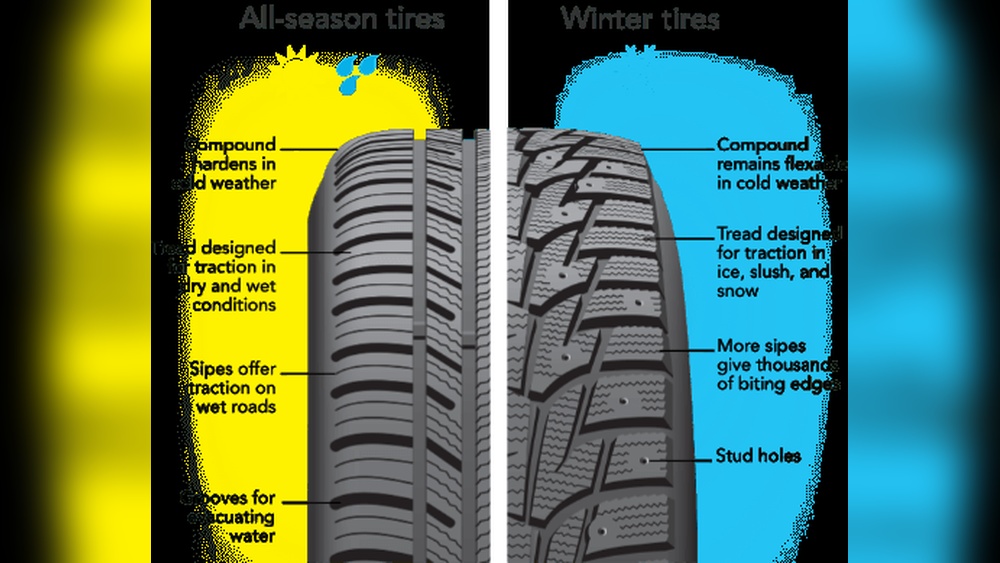
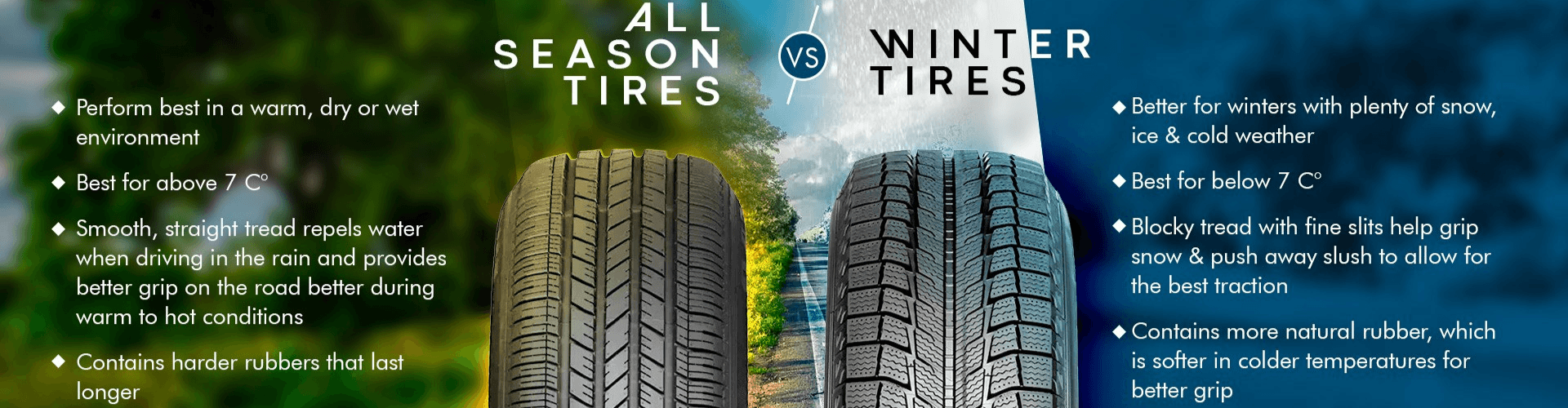
Winter tires have deep treads with many small cuts called sipes. These sipes improve grip on ice and snow. The rubber used stays soft in freezing temperatures. This softness helps the tire stick to cold roads better. Winter tires also have wider grooves to clear slush and water fast. Their design reduces slipping and improves braking on icy surfaces.
All Season Tire Characteristics
All season tires have moderate tread depth for varied conditions. Their rubber is harder than winter tires, but softer than summer tires. This makes them last longer on dry and wet roads. The tread pattern balances water evacuation with road contact. These tires work well in mild winter weather, but not in heavy snow. They offer a smooth ride and good traction in many climates.
Performance In Cold Weather
Cold weather affects tire performance significantly. Choosing the right tire helps keep you safe on winter roads. Tires react differently to snow, ice, and cold pavement.
Winter tires and all season tires vary in design and material. These differences impact how well each tire performs when temperatures drop.
Traction On Snow And Ice
Winter tires have special tread patterns. These patterns grip snow and ice better. Soft rubber in winter tires stays flexible in cold. This helps the tire hold the road.
All season tires use harder rubber. This rubber gets stiff in cold weather. Stiff tires lose grip easily on slippery surfaces. They are less reliable on snow and ice.
Handling On Cold Pavement
Winter tires handle cold pavement well. Their rubber stays soft and grips the road. This improves braking and cornering in winter.
All season tires work best on dry, warm roads. Cold pavement makes their rubber hard and less sticky. This reduces control and increases stopping distance.
Performance In Warm Conditions
Performance in warm conditions varies notably between winter tires and all-season tires. Each tire type reacts differently to heat and road surfaces. Choosing the right tire for warm weather ensures better safety and control.
Dry Road Grip
Winter tires have softer rubber that wears quickly in warm weather. Their grip on dry roads is weaker compared to all-season tires. All-season tires use harder compounds that hold up well on hot asphalt. This means better stability and braking on dry, warm roads.
Wet Road Performance
All-season tires are designed to channel water and reduce hydroplaning. Their tread patterns work well in rain and warm wet conditions. Winter tires struggle on wet roads during warm weather. Their softer rubber can become too soft, reducing traction and increasing stopping distances.
Durability And Wear
Durability and wear are key factors when choosing between winter tires and all-season tires. Knowing how long each tire lasts helps you plan your expenses. It also ensures your safety by keeping your tires in good shape. Tires face different challenges depending on the season. Understanding these challenges can guide you in picking the right tire.
Tread Life Comparison
All-season tires usually have longer tread life. Their design balances grip and durability. Winter tires have softer rubber to stay flexible in cold weather. This softness causes faster wear on dry roads. Using winter tires all year can wear them out quickly. All-season tires handle heat and dry surfaces better. They last longer on highways and city streets. Choosing tires that match your driving conditions saves money.
Impact Of Temperature On Tire Wear
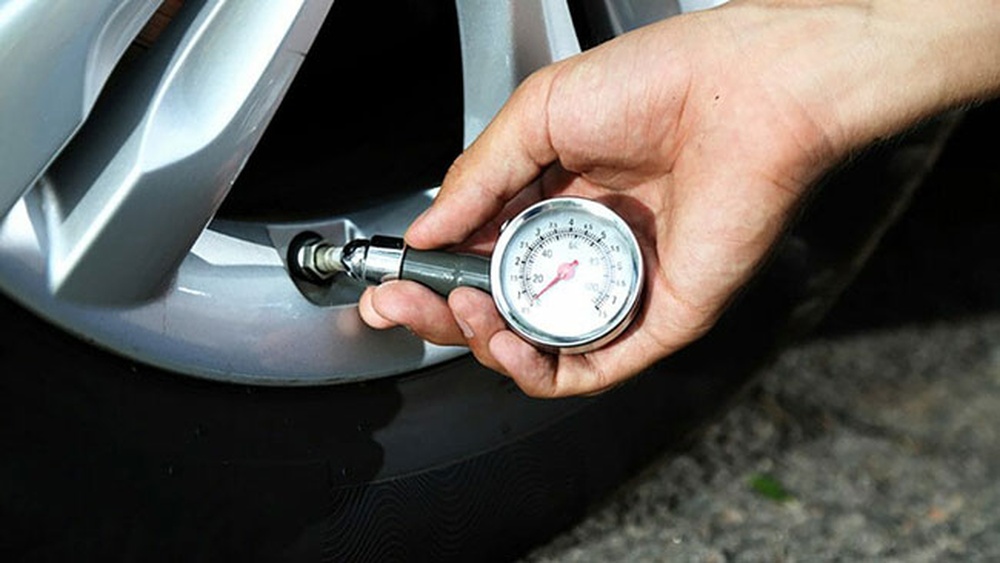
Cold temperatures affect winter tires differently than all-season tires. Winter tires perform best below 45°F. Their rubber stays soft and grips ice and snow well. Warm weather makes winter tires wear faster. All-season tires handle warm and cold better. They do not soften as much in cold weather. Heat from hot pavement can speed up tire wear. Avoid using winter tires in summer to prevent damage. Checking tire pressure helps reduce uneven wear in all conditions.
Safety Considerations
Choosing the right tires affects your safety on the road. Winter tires and all-season tires perform differently in cold and wet conditions. Knowing how each type handles stopping and hydroplaning helps you drive safer during winter months.
Stopping Distance Differences
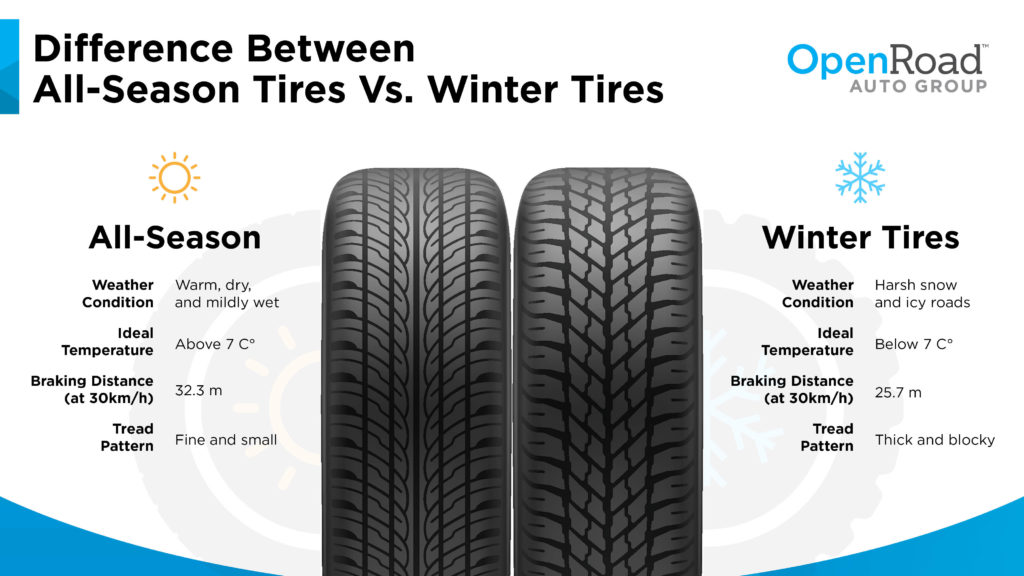
Winter tires have special rubber that stays soft in cold weather. This helps them grip icy and snowy roads better. They can reduce stopping distance by up to 30% on ice. All-season tires harden in cold and lose grip. This makes stopping longer and less safe on snow or ice.
Risk Of Hydroplaning
Hydroplaning happens when tires lose contact with the road due to water. Winter tires have deep grooves to push water away quickly. This lowers the chance of hydroplaning on wet, slushy roads. All-season tires have less aggressive tread patterns. They can struggle more with water on the road, increasing hydroplaning risk.
Credit: www.grimsbychev.com
Cost And Value
Cost and value play a big role in choosing between winter tires and all-season tires. Spending money on tires is an investment in safety and performance. Knowing the price differences helps you make a smart choice. Value is not just about price but also how long the tires last and how well they work.
Initial Price Comparison
Winter tires usually cost more than all-season tires. This is because winter tires have special rubber and tread designs. These features help in cold and snowy conditions. All-season tires are cheaper and work well in mild climates. If you live where winters are harsh, winter tires are worth the higher price. For mild winters, all-season tires save money upfront.
Long-term Savings
Using winter tires can save money over time. They improve safety and reduce accident risks in winter. This can lower repair and insurance costs. Winter tires also protect the vehicle better in snow and ice. All-season tires wear out faster in winter conditions. This means you might buy new tires sooner. Switching between winter and all-season tires can extend the life of both sets. This strategy can lead to overall savings. Think about the total cost, not just the price tag.
Choosing The Right Tire
Choosing the right tire for your vehicle is important for safe driving. Tires affect how your car handles in different weather conditions. Picking the best tire depends on several key factors. These include the climate you live in and your driving habits. Legal rules also play a role in tire choice.
Climate And Driving Habits
Climate impacts tire performance a lot. Winter tires work best in cold, snowy, or icy weather. They have special rubber that stays soft in low temperatures. This keeps your grip strong on slippery roads. All season tires suit mild climates with little snow. They handle dry and wet roads well but lose grip in freezing weather.
Your driving habits matter too. If you drive a lot in winter, winter tires offer better safety. For occasional winter driving, all season tires may be enough. Check your local weather patterns before choosing your tires.
Legal Requirements And Recommendations
Some places require winter tires by law during certain months. These laws aim to reduce accidents in snow and ice. Know the rules where you live or travel often. Using the right tires can avoid fines and keep you safe.
Car makers and safety groups also recommend winter tires in cold regions. Following these suggestions helps protect you and other drivers. Check your vehicle manual and local regulations before buying new tires.
Credit: blog.openroadautogroup.com
Frequently Asked Questions
What Are The Main Differences Between Winter And All-season Tires?
Winter tires have softer rubber and deeper treads for better grip on ice and snow. All-season tires are designed for moderate weather and offer balanced performance year-round but lack winter-specific traction.
When Should I Choose Winter Tires Over All-season Tires?
Choose winter tires if you live in areas with heavy snow, ice, or consistently cold temperatures below 45°F. They provide superior safety and handling in harsh winter conditions compared to all-season tires.
Can All-season Tires Replace Winter Tires Safely?
All-season tires can manage light winter conditions but do not perform well on ice or deep snow. For optimal winter safety, use winter tires in severe cold and snowy environments.
How Do Winter Tires Improve Driving Safety In Snow?
Winter tires improve safety by maintaining flexibility in cold weather and enhancing traction on snow and ice. Their tread patterns also help prevent slipping and hydroplaning.
Conclusion
Choosing between winter tires and all-season tires depends on your driving needs. Winter tires offer better grip on snow and ice. All-season tires work well in mild weather and light rain. Safety should always come first on the road. Consider the climate where you live and drive most.
Changing tires seasonally can improve control and reduce accidents. Think about your budget but don’t compromise safety. Good tires help you stay safe and confident in any weather. Choose wisely to enjoy smooth and secure rides all year.