
Using a portable jump starter is straightforward: connect the positive (red) clamp to your car's positive battery terminal and the negative (black) clamp to a metal ground point, then activate the device to start your vehicle.
Imagine the frustration: you're running late, turn the key, and all you hear is a disheartening click or nothing at all. A dead car battery can derail your day, leaving you stranded and dependent on others. Fortunately, understanding how to use a portable jump starter empowers you to take control of such situations, transforming a stressful breakdown into a quick, self-reliant fix. This comprehensive guide will equip you with the expertise to confidently use this invaluable tool, ensuring you're always prepared for the unexpected on the road.
What is a Portable Jump Starter?
A portable jump starter, often referred to as a battery booster, car jump starter, or power bank, is a compact, rechargeable device designed to provide a quick surge of power to a vehicle's dead battery. Unlike traditional jumper cables that require another working vehicle, a portable jump starter is a standalone unit, offering unparalleled convenience and independence. These devices typically contain a high-capacity lithium-ion battery and come equipped with integrated jumper cables, making them incredibly user-friendly for anyone facing a drained car battery. From my own experiences, these devices have saved me from countless delays, especially during unforgiving winter mornings when batteries are most prone to failure.

Why Every Driver Needs a Portable Jump Starter
Owning a portable jump starter isn't just about convenience; it's about safety, independence, and peace of mind. A dead battery can strike at any time, often in the most inconvenient places or during critical moments. Whether it's leaving your lights on overnight, cold weather sapping your battery's strength, or simply an aging power source, a portable jump starter provides an immediate solution. Instead of waiting for roadside assistance, which can take hours, or relying on a stranger for a jump, you can get back on the road in minutes. This self-reliance not only saves you time and money but also mitigates the potential safety risks of being stranded, especially in isolated areas or late at night. The ability to quickly resolve a dead battery situation yourself is truly empowering.
Anatomy of a Portable Jump Starter
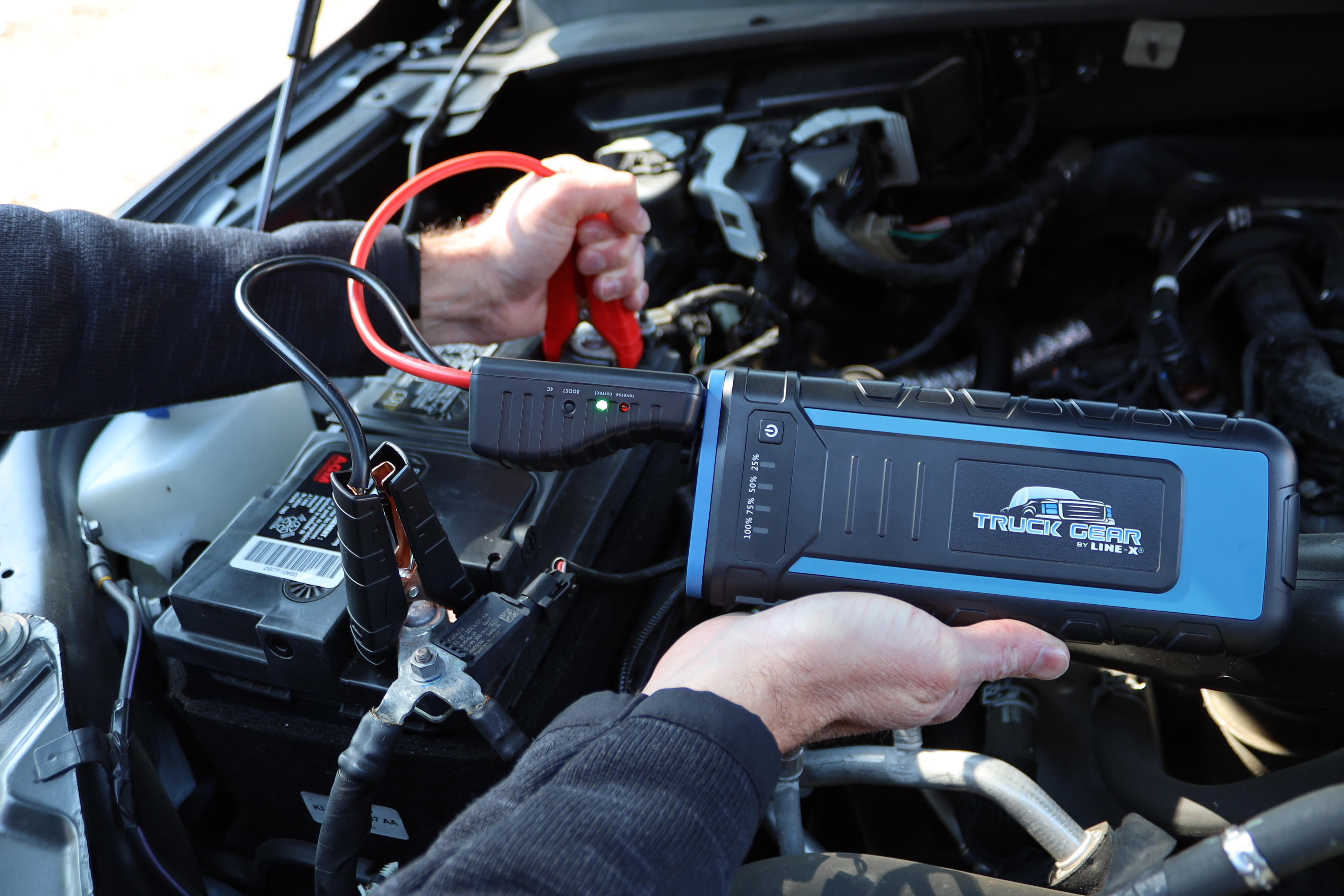
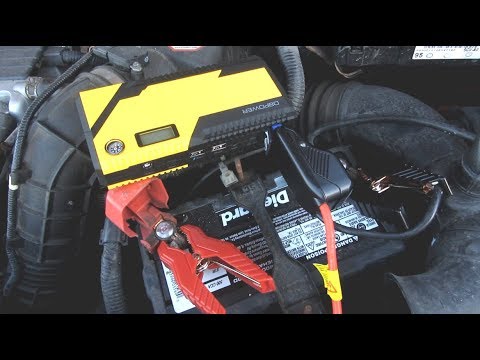
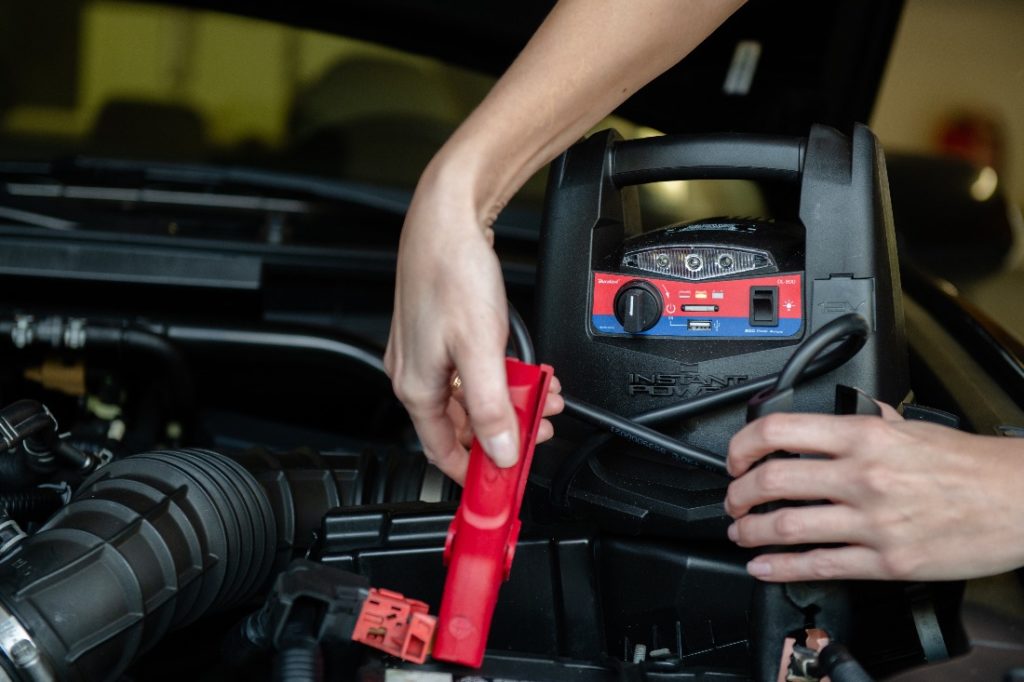
To effectively use a portable jump starter, it helps to understand its basic components. While designs vary, most units share common features. At its core is the main unit, housing the powerful internal battery. Extending from the unit are the jumper cables, typically color-coded: red for positive (+) and black for negative (-). These cables terminate in heavy-duty clamps designed to securely attach to battery terminals. You'll also find an on/off switch or activation button, a battery indicator to show the device's charge level, and often a USB port to charge other devices like your phone. Many models also include a built-in LED flashlight, which is incredibly useful when dealing with a dead battery in low-light conditions. Understanding these parts makes the process of how to use a portable jump starter much clearer.
Safety First: Essential Precautions Before You Jump
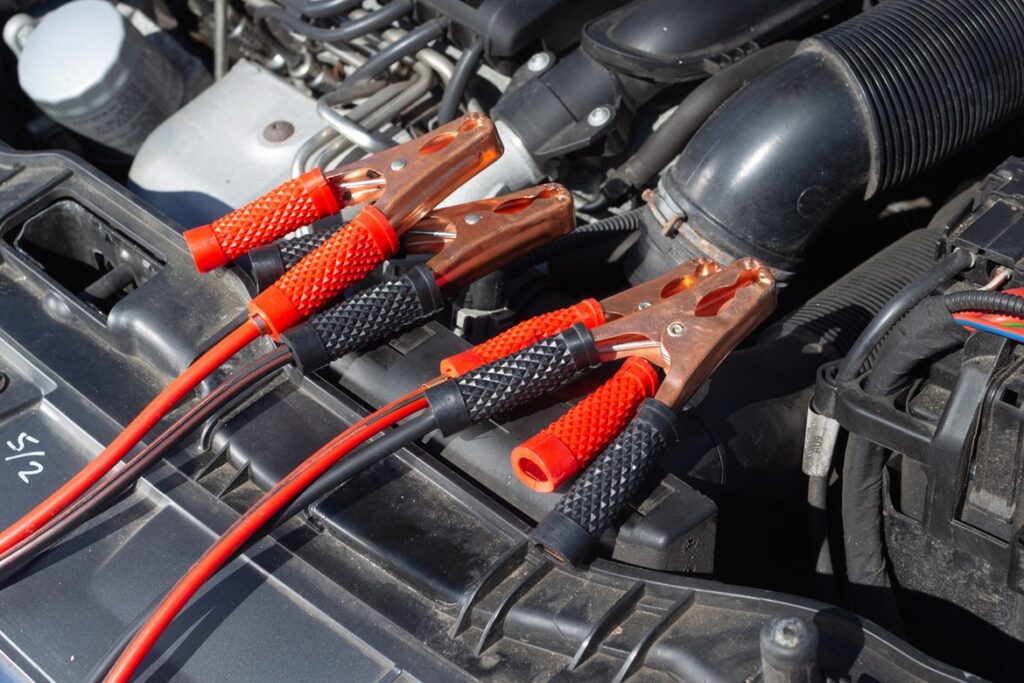
Before you even think about connecting your portable jump starter, prioritizing safety is paramount. Overlooking these steps can lead to damage to your vehicle, the jump starter, or even personal injury. Always begin by reading the specific instructions in your jump starter's manual, as models can have unique operating procedures. Ensure both vehicles (if applicable, though typically it's just your car) are turned off and in park (P) or neutral (N), with the parking brake engaged. Wear appropriate personal protective equipment, such as gloves and eye protection, to safeguard against battery acid or sparks. Check that the jump starter itself has enough charge for the task; a partially charged unit might not deliver the necessary power. Lastly, confirm the area around the battery is well-ventilated to prevent the buildup of explosive hydrogen gases. Taking these precautions ensures a safe and successful jump-start.
Step-by-Step Guide: How to Use a Portable Jump Starter
Knowing precisely how to use a portable jump starter can be a game-changer when faced with a dead battery. Follow these clear, sequential steps for a successful jump-start.
1. Prepare Your Vehicle
First, ensure your vehicle is completely turned off. This means the ignition is off, and all accessories like the radio, lights, and climate control are disengaged. Pop the hood and locate your car battery. You'll see two terminals: a positive (+) terminal, usually marked with a plus sign and a red cover, and a negative (-) terminal, marked with a minus sign, typically black. My initial mistake was rushing this step, leading to confusion, so take your time to clearly identify these.
2. Connect the Portable Jump Starter
This is the most critical part of how to use a portable jump starter correctly.
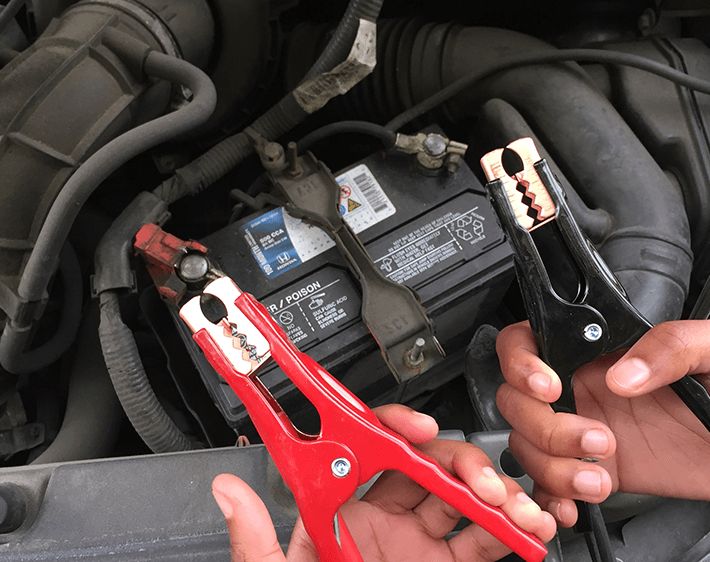
- Connect the Red Clamp: Take the red (positive) clamp from your portable jump starter and securely attach it to your car battery's positive (+) terminal. Ensure it has a firm, metal-to-metal connection, avoiding any plastic covers or corrosion.
- Connect the Black Clamp: Next, take the black (negative) clamp. Crucially, do NOT attach it directly to the negative terminal of your dead battery. Instead, find a clean, unpainted metal surface on the engine block or the vehicle's chassis, away from moving parts. This serves as a ground point and helps prevent sparks near the battery, which can ignite hydrogen gas.
3. Activate the Jump Starter
Once both clamps are securely connected, turn on your portable jump starter. Many modern units have an indicator light that confirms a safe connection before allowing activation. Follow your device's instructions; some require you to press a "boost" or "on" button, while others activate automatically upon connection.
4. Start Your Vehicle
With the portable jump starter activated, try to start your car. It should crank over and start. If it doesn't start immediately, wait a few minutes (refer to your jump starter's manual for specific wait times) and try again. Avoid continuous cranking, as this can damage your starter motor. If the car still doesn't start after a few attempts, there might be a larger issue than just a dead battery, or your portable jump starter might not be powerful enough.
5. Disconnect the Clamps
Once your engine is running, disconnect the clamps in the reverse order of connection:
- First, remove the black (negative) clamp from the vehicle's metal ground point.
- Then, remove the red (positive) clamp from your car battery's positive terminal.
It's important to do this quickly to prevent any potential damage from a running engine's electrical system, though most modern jump starters are designed with protective features.
6. Keep the Engine Running and Recharge
After a successful jump-start, keep your car's engine running for at least 15-30 minutes to allow the alternator to recharge the battery. You might even consider a short drive to help replenish the charge. As soon as you can, remember to recharge your portable jump starter so it's ready for its next emergency. Neglecting to recharge is a common oversight that can leave you unprepared for the next dead battery incident.
Troubleshooting Common Issues When Jump-Starting
Even when you know how to use a portable jump starter, sometimes things don't go as planned. If your car doesn't start after following the steps, don't panic. First, double-check all connections: ensure the clamps are firmly attached to clean, uncorroded metal surfaces. Make sure the jump starter itself is fully charged and activated. If the battery is severely discharged or faulty, a single jump might not be enough, or the battery might not hold a charge. In some cases, a fuse might have blown, or there could be a deeper electrical issue. If the starter motor clicks but doesn't crank, it could still be a battery issue or a problem with the starter itself. Consulting your vehicle's owner's manual or seeking professional help might be necessary if repeated attempts prove unsuccessful.

Maintaining Your Portable Jump Starter for Longevity
To ensure your portable jump starter is always ready when you need it, proper maintenance is key. The most critical step is to keep it charged. Most manufacturers recommend recharging the unit every 3-6 months, even if it hasn't been used, as batteries naturally lose charge over time. Store it in a cool, dry place, away from extreme temperatures, which can degrade the battery's performance and lifespan. Avoid leaving it in a scorching hot car for extended periods. Regularly inspect the cables and clamps for any signs of damage, fraying, or corrosion, as these can impede performance and pose safety risks. Treating your portable jump starter with care ensures it remains a reliable tool, always prepared to help you out of a dead battery situation.

Benefits of Owning a Portable Jump Starter
The advantages of having a portable jump starter in your vehicle are numerous. Primarily, it offers incredible convenience, allowing you to quickly get back on the road without waiting for assistance. This self-sufficiency means you're no longer dependent on strangers or costly roadside services, saving both time and money. Many units also come with additional features, like USB charging ports for phones and tablets, or built-in flashlights, making them versatile power banks for emergencies beyond just a dead battery. It truly brings a sense of security, knowing that you have the power to resolve common vehicle issues independently. My own jump starter has proven its worth multiple times, not just for my car but also for helping out friends and family with their unexpected dead battery troubles.
Frequently Asked Questions
What vehicles can a portable jump starter be used on?
A portable jump starter can be used on most 12-volt vehicles, including cars, trucks, SUVs, motorcycles, and even some boats. Always check the jump starter's specifications for its peak amperage and ensure it's suitable for your engine size.
How long does a portable jump starter hold its charge?
The charge retention of a portable jump starter varies by model and battery type, but most can hold a charge for 3 to 12 months when not in use. It's recommended to recharge the unit every 3-6 months to ensure it's ready for emergencies.
Can a portable jump starter damage my car's electronics?
When used correctly, a quality portable jump starter with built-in safety features (like spark-proof technology and reverse polarity protection) should not damage your car's electronics. Always follow the manufacturer's instructions carefully to avoid issues.
How many times can a portable jump starter be used on a single charge?
The number of jump starts depends on the capacity of the portable jump starter and the condition of the dead battery. Smaller units might offer 1-3 starts, while larger, more powerful units can provide 10 or more on a single full charge.
What should I do if my car doesn't start after using a portable jump starter?
If your car doesn't start after a few attempts with the portable jump starter, recheck all connections and ensure the jump starter is fully charged. If the problem persists, your car battery might be beyond saving, or there could be another underlying mechanical or electrical issue requiring professional attention.
Conclusion
Mastering how to use a portable jump starter is an invaluable skill for any driver, offering an immediate solution to the frustrating problem of a dead battery. By understanding its components, prioritizing safety, and following the straightforward steps, you gain the confidence and independence to tackle unexpected breakdowns on your own. This compact device is more than just a tool; it's a critical piece of emergency gear that provides peace of mind and keeps you moving forward. Don't wait for the next time you're stranded; equip yourself with the knowledge and the right portable jump starter today. Explore the various models available and choose the one that best fits your needs, ensuring you're always prepared for the open road ahead.