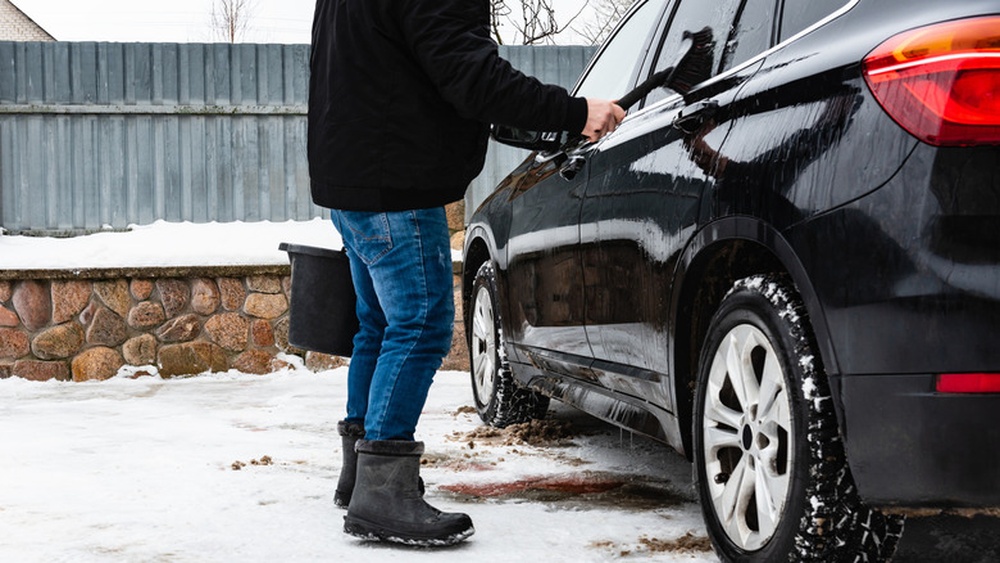

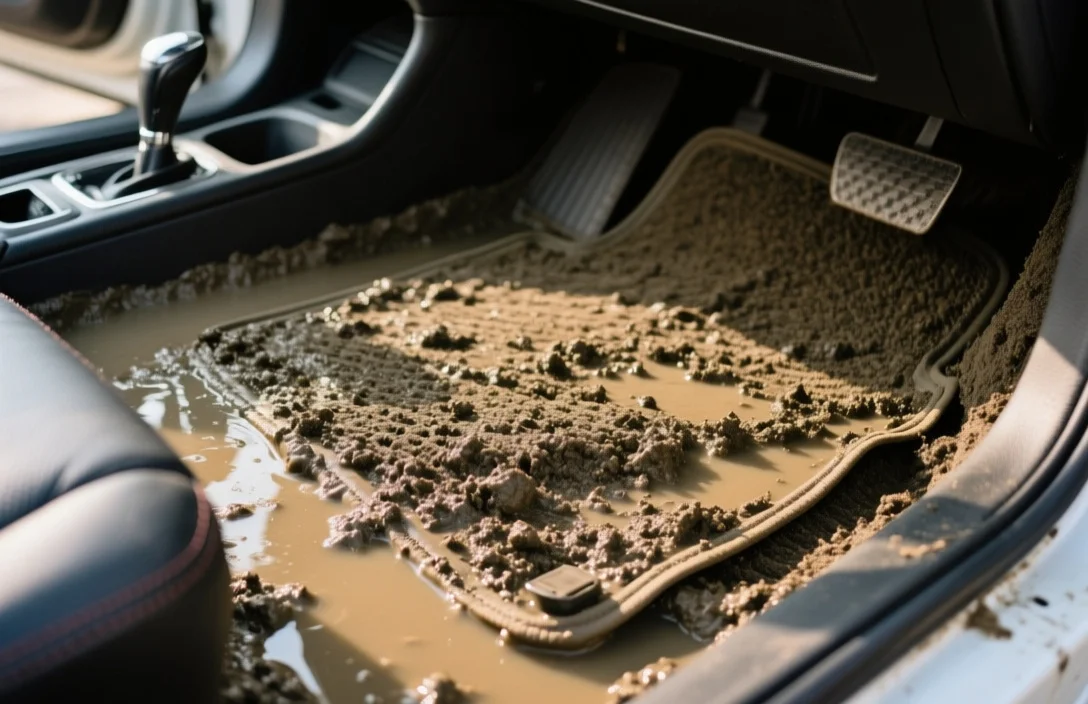
You park your car, step out, and see the thick layer of mud splatter on your floor mats. It looks like a disaster, but it is a manageable mess. You do not need to strip the mats down to the carpet fibers or buy expensive equipment. A standard garden hose, some dish soap, and a stiff brush are enough to restore them to their original state. The goal is to remove the dirt mechanically and then wash it away, leaving the mats clean and dry.
Shake loose dirt outside, scrub with hot soapy water and a stiff brush, rinse thoroughly, and dry completely to prevent mold.
Shake loose dirt first to prevent tracking mud inside.
Use a stiff nylon brush to break up clumps and lift debris.
Rinse with a garden hose to wash away soap and silt.
Air dry completely to stop mold and odors from forming.
Apply a protective spray to make future messes easier to clean.
How to Clean Muddy Car Mats Quickly and Effectively
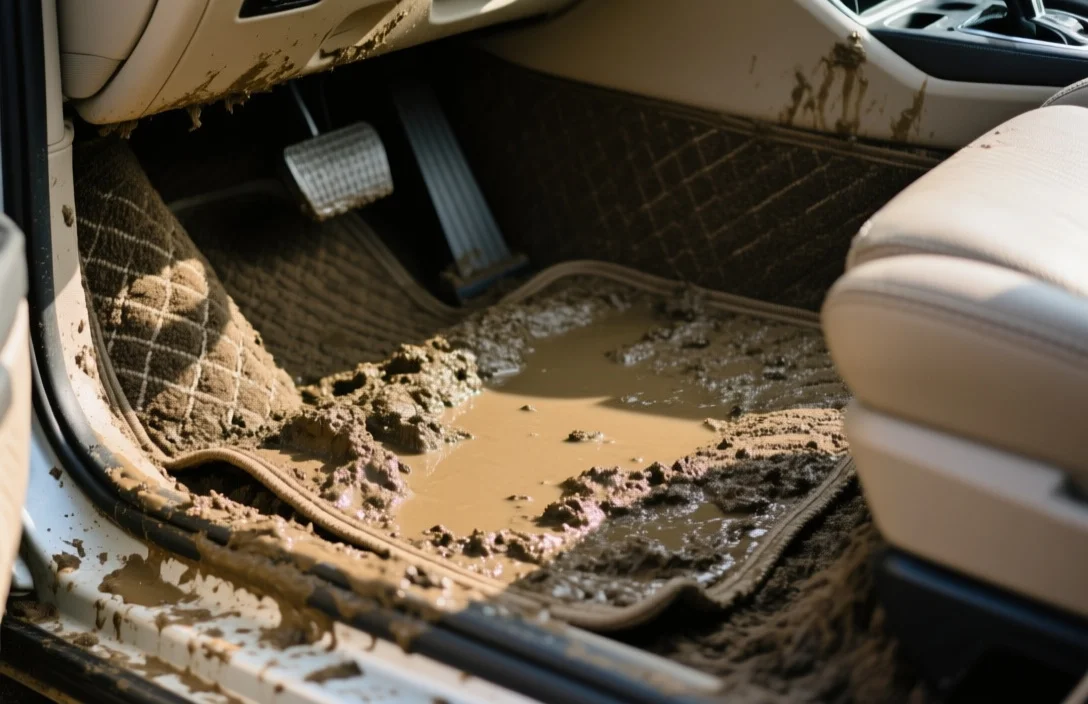
The fastest way to clean muddy car mats is to remove loose soil outside before bringing them inside. Mud clumps together when it dries, and those clumps act like sandpaper if you try to scrub them while they are dry. You need to loosen the soil mechanically first, then wash it away. This two-step process – loosening and washing – saves you from scrubbing for hours and prevents the mud from spreading across your garage floor.
You need three main tools to get started. A garden hose with a spray nozzle provides the water pressure needed to rinse the mats. A stiff nylon brush, such as a deck brush or a dedicated car mat brush, breaks up clumped clay and pulls dirt from the fibers. A bucket of warm water mixed with dish soap creates the cleaning solution. Dish soap cuts through the oils in the mud and helps lift the dirt from the surface.
Step 1: Shake Off Loose Dirt
Take the mats outside to a driveway or patio. Hold the mat by the edges and shake it vigorously. If the mat is rubber, flip it over and shake the dirt off the bottom. You will be surprised how much dry dust comes off in the first ten seconds. This step prevents you from tracking a layer of dirt across your house or garage.
Step 2: Wet the Mats
Turn on the garden hose. Spray the entire surface of the mat, including the grooves and channels. You want the mat thoroughly soaked. Wetting the mud relaxes the clay and makes it easier to dislodge. If you are cleaning carpet mats, make sure to get the water deep into the fibers.
Step 3: Scrub the Surface
Fill your bucket with warm water and add a generous amount of dish soap. Dip the stiff brush into the soapy water and scrub the mat in circular motions. Focus on the areas with the deepest mud. You will see the water turn brown or gray as the soap grabs the dirt. For rubber mats, you can scrub quite hard. For carpet mats, use a moderate amount of pressure to avoid flattening the pile.
Step 4: Rinse and Repeat
Shut off the hose and hold the mat over the drain or driveway. Rinse the mat with a strong stream of water. Watch the water run clear. If you see spots where the mud is still stuck, apply more soap and scrub that area again. You may need to rinse and scrub two or three times to get the mats truly clean.
Step 5: Dry Completely
Place the mats in a sunny spot or lean them against a wall in a well-ventilated area. Do not put wet mats back in the car until they are completely dry. Damp mats trap moisture against the floor of your vehicle, which leads to a musty smell and can cause the carpet underneath to rot over time.
Selecting the Best Cleaning Solution for Mud‑Stained Mats
The right cleaning solution makes the difference between a quick rinse and a long scrubbing session. Mud is a mixture of dirt, silt, and clay, often bound together by natural oils or road grime. A cleaning solution needs to break those bonds to release the dirt. While there are specialized car wash soaps on the market, a simple household item works just as well for most situations.
Dish soap is the most effective and affordable option for cleaning muddy mats. Brands like Dawn are designed to cut through grease and oil, which are the binding agents in mud. A small amount of dish soap in a bucket of water creates a sudsy solution that lifts dirt from the surface without being too harsh. You want to avoid heavy-duty degreasers or industrial cleaners on rubber mats, as these can dry out the material and make it brittle over time.
Carpet mats require a slightly different approach to cleaning. The fibers trap the mud, so the solution needs to penetrate deep into the mat. A mix of dish soap and warm water is still the standard choice. You can also add a small amount of oxygen bleach to the water for stubborn stains. Oxygen bleach is safe for colored fabrics and helps brighten the carpet while lifting the mud. Avoid chlorine bleach, as it will likely ruin the color of your mats.
For rubber mats with stubborn black streaks or road grime, you might need a stronger agent. A mixture of one part isopropyl alcohol and two parts water can help cut through heavy oils. Spray this solution on the mat and let it sit for a few minutes before scrubbing. Always test a small, inconspicuous area of the mat first to ensure the solution does not discolor the material. Water and soap remain the safest and most versatile choice for everyday cleaning.
Removing Dried Mud Without Damaging Carpet Fibers
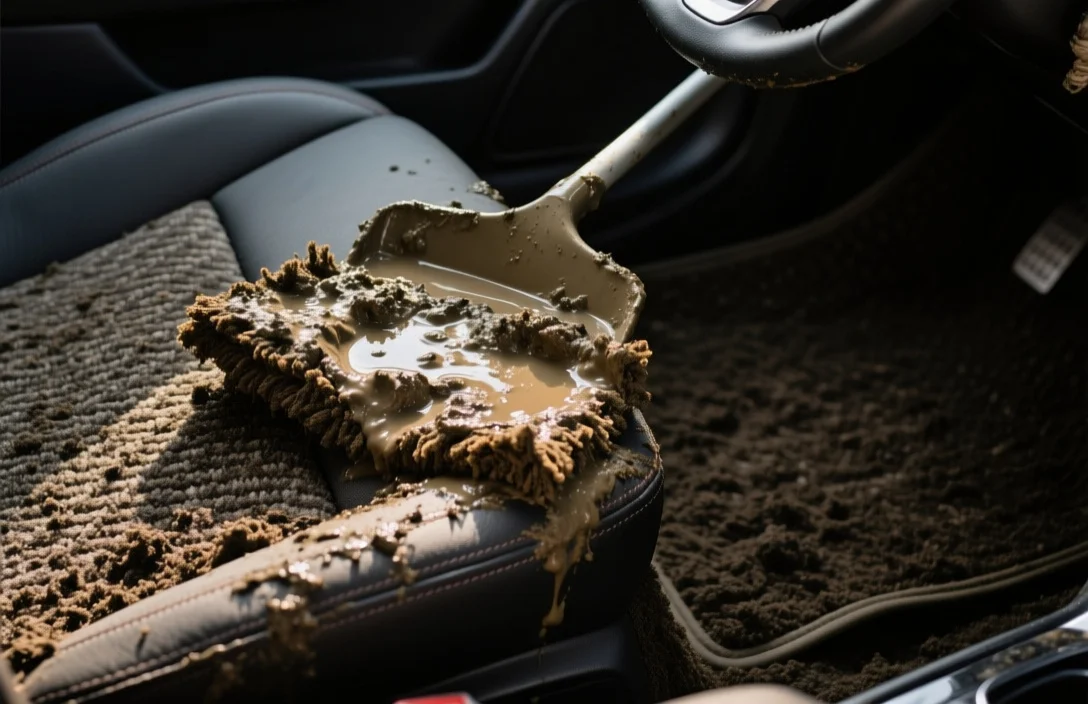
Dried mud is the hardest type of mud to remove because it has hardened into a crust. Scrubbing dried mud aggressively can damage the carpet fibers, causing them to mat down or fray. The key to removing dried mud is patience and water. You cannot force dry clay out of a mat; you have to rehydrate it until it becomes pliable again.
Start by soaking the mat. Place the dried mat in a bathtub or on a large tarp in the yard. Use a garden hose to saturate the mud. You want the water to soak deep into the fibers, turning the mud into a sludge. Let the mat soak for at least 15 to 20 minutes. This softening period is crucial. If you skip this step and start scrubbing immediately, you will just push the mud deeper into the carpet pile.
After the soaking period, take a stiff brush and work the mud loose. Because the mud is now soft, it will brush off easily. Use a back-and-forth motion to lift the mud from the carpet. You might need to stop periodically to rinse the brush and the mat to see how much progress you are making. The goal is to get the mud out of the mat entirely before you rinse it with clean water.
If you are cleaning rubber mats with dried mud, you can use a plastic putty knife or a dull edge to scrape off the bulk of the dried crust. Scrape gently to avoid gouging the surface of the rubber. Once the large chunks are gone, follow the same soaking and scrubbing steps as you would for a carpet mat. The water will rehydrate the remaining mud, allowing you to wash it away.
Which Tool Works Best for Car Mats
Choosing the right tool determines how much effort you have to put into cleaning muddy mats. You need a tool that can reach into the grooves of the mat and dislodge clumps of dirt without damaging the surface. While a vacuum is excellent for dust, it is often ineffective for wet, clumpy mud. A brush is generally the superior tool for this specific task.
A stiff nylon brush is the best tool for scrubbing muddy mats. The bristles penetrate the dirt and lift it from the fibers. A wire brush is too abrasive and will scratch rubber mats or shred carpet fibers. A soft bristle brush is too gentle to dislodge clumped mud. Look for a brush with angled bristles, which allow you to get into the corners and ridges of the mat. A brush with a long handle is also helpful, as it lets you stand up while you work, saving your back.
A wet/dry shop vac is the best tool for removing loose dirt before you wash the mats. You can use the vacuum on your driveway to suck up the loose dust and dirt that falls off the mat. You can also use it to suck up the sludge from the mat after you have scrubbed it. A shop vac is faster than a garden hose for removing water and slurry, making it an essential tool for the cleanup phase.
For rubber mats, a pressure washer can be effective, but use it with caution. High-pressure water can force dirt deeper into the seams of the mat or damage the surface finish. If you use a pressure washer, keep the nozzle at least 12 inches away from the mat and use a wide spray pattern. A standard garden hose with a spray nozzle is usually sufficient and safer for routine cleaning.
Drying the Mats Properly to Prevent Mildew and Odor
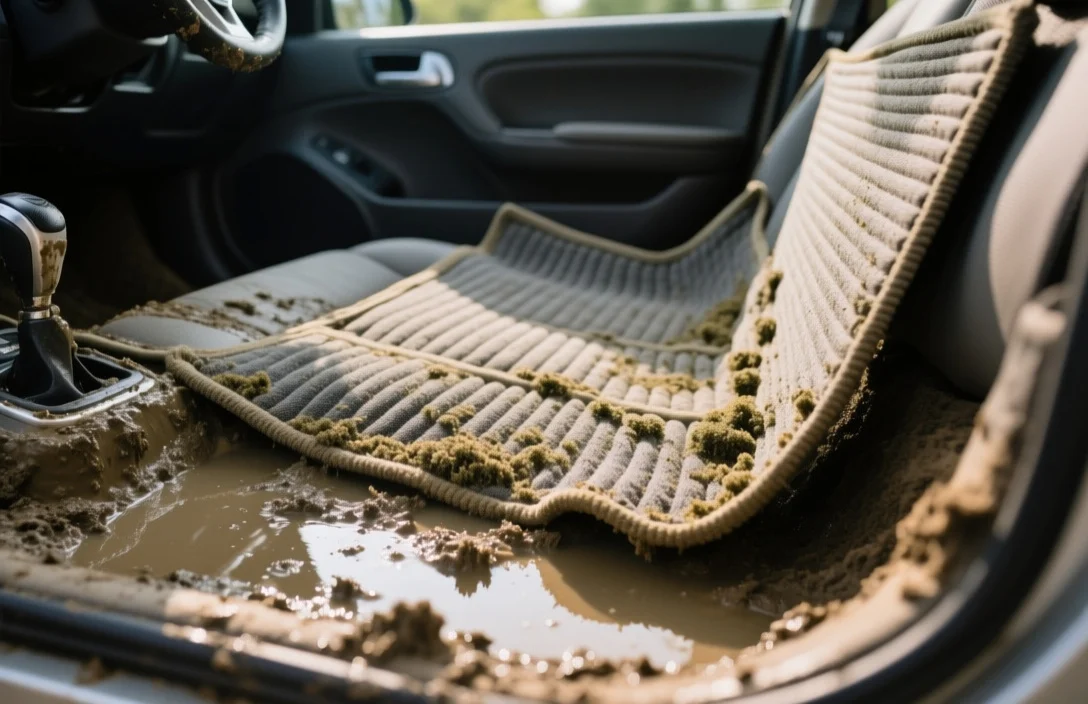
Leaving wet car mats in the car is a recipe for disaster. The enclosed space traps humidity, and the mats become a breeding ground for mold and mildew. Mold can start growing within 24 to 48 hours if the mats remain damp. Drying the mats properly is just as important as cleaning them. You need to ensure that all moisture evaporates completely before you put the mats back in the vehicle.
The best way to dry mats is in direct sunlight. UV rays kill bacteria and mold spores, and the heat helps the water evaporate quickly. Place the mats in a spot where they can get plenty of airflow. If you do not have a sunny spot, use a fan to blow air across the mats. You can also prop the mats up on their sides to allow air to circulate through the grooves and channels.
For rubber mats, you can also use a heat gun or a hair dryer on a low setting to speed up the drying process. Be careful not to overheat the rubber, as this can cause it to warp or crack. For carpet mats, avoid high heat, as it can shrink the fibers and make the mat feel stiff. Air drying is the safest method for carpet mats.
Never put wet mats back in the car. Even if they feel dry to the touch, moisture can remain trapped deep inside the fibers. If you must put them back in immediately, place a towel or a piece of cardboard under the mats to absorb any lingering moisture. However, the mats should be dried completely before the next drive to prevent the interior of your car from smelling musty.
Applying a Protective Guard to Keep Mats Mud‑Resistant
Once your mats are clean and dry, you can protect them from future mud and water damage. A protective guard creates a barrier that repels water and dirt, making the mats easier to clean. This step turns the mats from something you have to scrub to something you can simply hose off. There are two main types of protective guards: sprays and waxes.
A silicone spray is the most common protective guard for car mats. It is easy to apply and dries clear. Spray the silicone onto a clean, dry mat and use a microfiber cloth to spread it evenly. The silicone forms a thin, invisible layer that makes water bead up and roll off. When mud hits the mat, it sits on top of the silicone layer rather than soaking in. You can then rinse the mud off with a quick spray of the hose.
Wax-based protectants are another option, particularly for rubber mats. A carnauba wax or a specialized rubber protectant can restore the black color of rubber mats and make them shine. These products also provide a layer of protection against UV rays, which can cause rubber to crack and fade. Apply the wax according to the product instructions, usually by spraying and wiping it down.
For carpet mats, a fabric protector spray is the best choice. These sprays penetrate the fibers and create a hydrophobic coating. The coating prevents liquids from soaking into the carpet, which means the mud will stay on the surface. This makes cleaning much easier, as you can simply brush the mud off and rinse the mat without worrying about the stain setting in. Reapply the protective spray every few months or whenever the mats start to feel less slippery.
Troubleshooting Stubborn Mud Spots and Lingering Stains
Sometimes, despite your best efforts, mud stains persist. These stubborn spots often require a different approach. The key to troubleshooting is to identify what is holding the stain in place. Is it a deep oil stain, a dye transfer, or just dried clay that has worked its way into the fibers? Addressing the root cause is the only way to remove the spot completely.
If you have a stubborn stain on a rubber mat, try using a dedicated tire shine product. These products are designed to cut through tough grime and lift dirt from rubber surfaces. Apply the tire shine to the stain and let it sit for 10 to 15 minutes. The solvents in the tire shine will break down the stain, allowing you to scrub it away with a brush. Rinse the mat thoroughly afterward to remove any residue.
For carpet mats with oil-based stains, a degreaser is necessary. Sprinkle a small amount of baking soda over the stain and add a little water to make a paste. Let the paste sit for an hour. The baking soda absorbs the oil and the water helps lift it. Scrub the paste into the stain with a brush and rinse it away. If the stain remains, you may need to use a commercial carpet spot cleaner.
Never use bleach on colored mats unless you want to strip the color completely. Bleach is a strong oxidizer that will turn most surfaces white or gray. If you must use a stain remover, test it on a small corner of the mat first. If the fabric feels rough or discolored after the test, do not use the product on the rest of the mat. Gentle, consistent scrubbing with soap and water is usually the safest method for removing most mud stains.
FAQ
Can I put my car mats in the washing machine?
You can put rubber car mats in the washing machine, but you should avoid putting carpet mats in the machine. The agitator in a top-load washer can shred carpet fibers, and the water in the machine may not be hot enough to kill all the bacteria. If you put rubber mats in the washer, remove them immediately after the cycle ends and dry them in the sun to prevent mold growth.
How often should I clean my car mats?
You should clean your car mats every few months or immediately after they get muddy. If you drive frequently in bad weather, you may need to clean them once a month. Regular cleaning prevents the buildup of dirt and grime, which can be difficult to remove over time. A quick rinse and scrub every few weeks will keep your mats in good condition.
Will baking soda remove mud smell?
Baking soda is effective at absorbing odors, but it is not a cleaner for mud. You should use baking soda after you have washed and dried the mats. Sprinkle a generous amount of baking soda over the dry mats and let it sit for several hours or overnight. Vacuum the baking soda off the mats to remove any lingering smells caused by moisture or mildew.
Is dish soap safe for all types of car mats?
Dish soap is generally safe for both rubber and carpet mats. However, you should avoid using dish soap on vinyl or plastic mats that have a textured finish. Some dish soaps can strip the protective coating off these surfaces. Always check the condition of your mats before using a new cleaning product, and test a small area first to ensure it does not cause discoloration.
Can I leave my car mats in the sun to dry?
Leaving car mats in the sun is an excellent way to dry them, but you should be aware of the potential downsides. UV rays can fade the color of rubber mats and dry out the material, causing it to crack over time. If you dry your mats in the sun, monitor them closely. If they start to feel hot to the touch or look dry and brittle, move them into the shade.