
Stale milk, wet dog, and rotting organic debris trap odors in the fibers or pores of your car mats, creating a permanent smell that lingers in the cabin. Removing these scents requires more than a quick vacuum; you have to neutralize the chemical source of the odor or physically extract the trapped particles. This guide provides specific methods for rubber and carpet materials to restore a neutral scent to your vehicle.
Removing bad odors from floor mats requires a combination of deep vacuuming, a neutralizing agent like baking soda or an enzyme cleaner, and complete air drying. Rubber mats typically need a scrub with dish soap and water, while carpet mats require a steam clean or a dry-powder treatment to pull odors from the backing.
Key Takeaways
- Material matters. Use dish soap for rubber and enzyme cleaners for carpet to avoid damaging fibers.
- Baking soda works. Apply it dry for 30 minutes to pull moisture and acids from carpet piles.
- Enzymes break proteins. Use specific pet-odor removers for urine or vomit to dissolve organic compounds.
- Dry completely. Leave mats in the sun for 4 to 6 hours to kill mildew-causing bacteria.
- Vacuum first. Remove loose debris before adding liquids to prevent pushing dirt deeper into the mat.
- Avoid bleach. Use pH-neutral cleaners to prevent fading or cracking of the mat surface.
How to Remove Bad Odors from Floor Mats Fast
The fastest way to kill a smell is to identify if the source is organic (food/pets) or inorganic (mold/mildew) and apply the corresponding neutralizer. For a quick fix, a heavy vacuuming followed by a sprinkle of baking soda can remove 70% of surface odors in under an hour.
Start by removing the mats from the car entirely. Cleaning them inside the vehicle often pushes dirty water and odors back into the car’s actual carpeting, which is much harder to clean than a removable mat. Use a shop vac with a crevice tool to pull out every grain of sand and dried mud, as these particles hold onto smells.
If you are in a rush, use a 50/50 mix of white vinegar and water in a spray bottle. Mist the mat lightly and let it sit for 10 minutes before wiping it down. The acetic acid in the vinegar neutralizes alkaline odors, and the scent of the vinegar evaporates quickly, taking the bad smell with it.
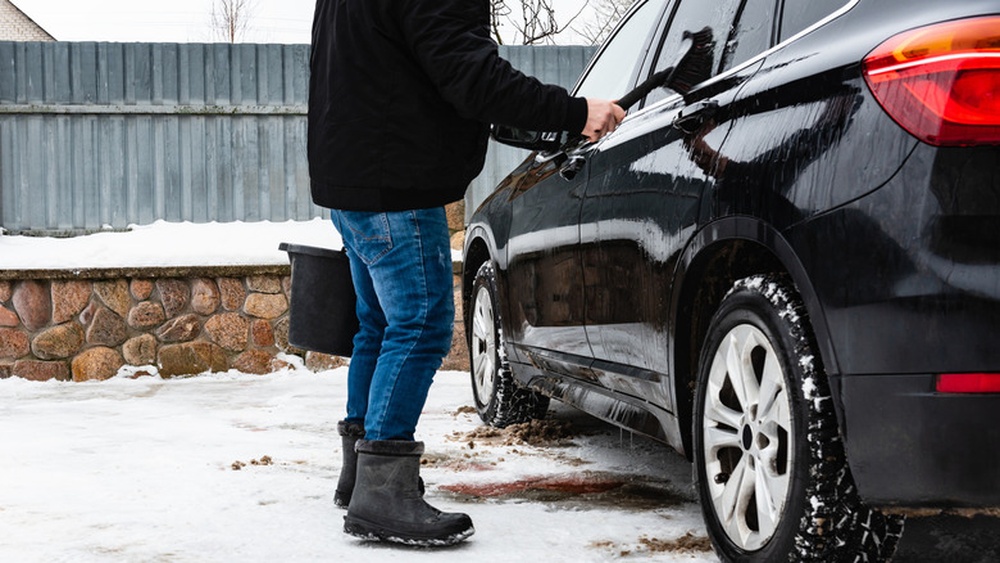
For those with heavy-duty rubber mats, a high-pressure hose at a car wash is the most efficient route. Blast the mats from the edges toward the center to push debris out. Follow this with a quick scrub using a stiff brush and a degreaser to break the surface tension of trapped oils.
Scrubbing Rubber Floor Mats with Dish Soap
Dish soap is the best tool for rubber mats because it is designed to break down grease and oils that trap smells. Most rubber mats are non-porous, meaning the odor is usually sitting on the surface or trapped in the grooves rather than soaked into the material.
Mix a few drops of grease-cutting dish soap into a bucket of warm water. Use a nylon scrub brush – avoid metal brushes as they can scratch the rubber and create new pores where dirt and smells can hide. Scrub in circular motions, paying extra attention to the “wells” or deep ridges where liquid spills typically pool.
For instance, if you spilled a latte that has since curdled and smells, the soap breaks down the milk fats. Rinse the mat thoroughly with a hose until the water runs clear and no suds remain. Leftover soap residue can actually attract more dirt over time, making the mats get dirty faster.
| Tool | Purpose | Best For |
|---|---|---|
| Nylon Scrub Brush | Agitating surface grime | Rubber/All-weather mats |
| Grease-Cutting Soap | Breaking down oils/food | Greasy spills |
| High-Pressure Hose | Flushing out debris | Deep grooves/Ridges |
| Microfiber Cloth | Final wipe down | Removing soap streaks |
Vacuuming and Steaming Carpet Floor Mats
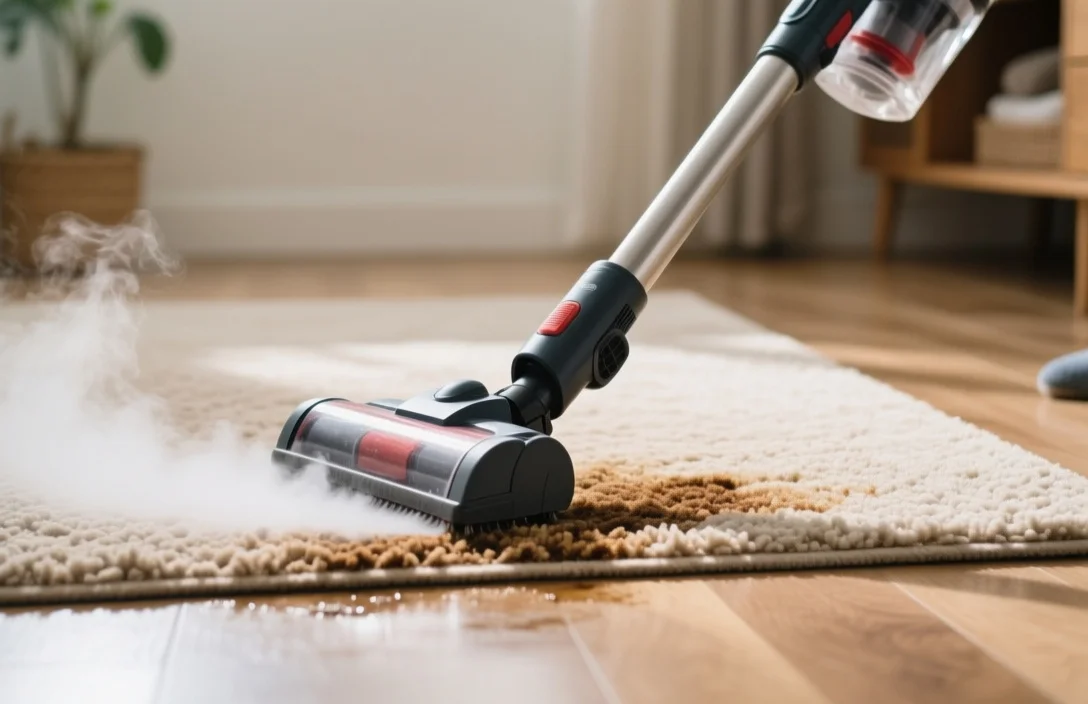
Carpet mats act like sponges, pulling odors deep into the pile and the rubberized backing. Vacuuming alone only removes the top layer of dust, while steaming uses heat to liquefy trapped oils and kill odor-causing bacteria.
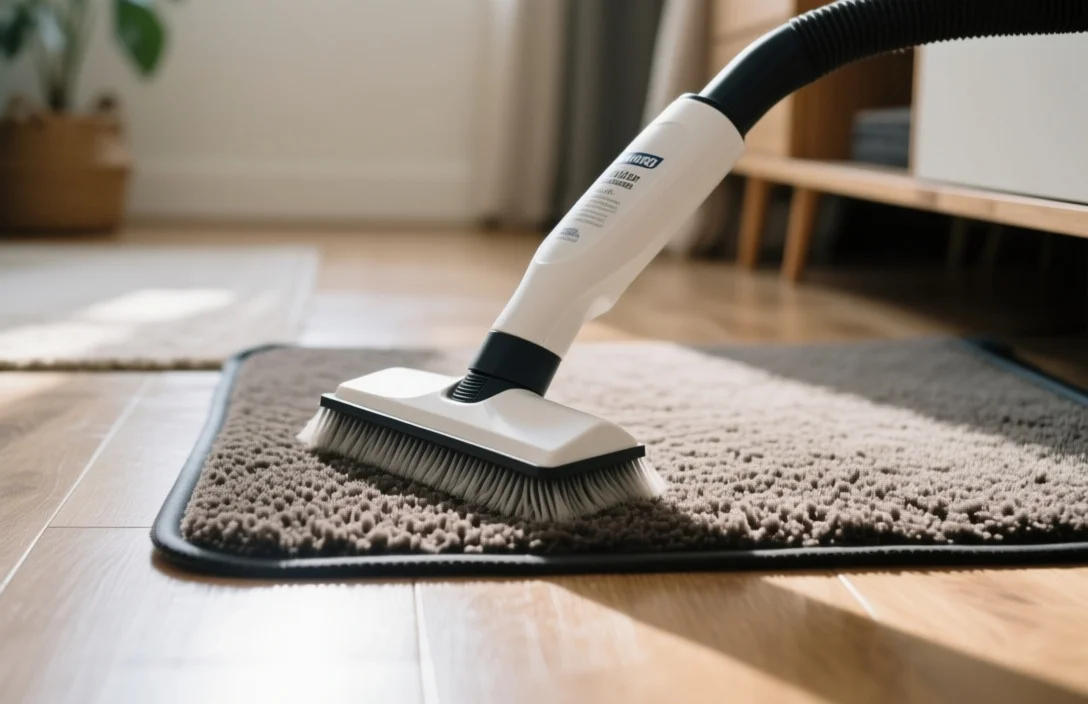
Use a vacuum with a brush attachment to agitate the carpet fibers. Move the vacuum in two different directions (north-south and east-west) to ensure you are lifting debris from all angles. If the mat feels damp, do not use a steam cleaner yet, as adding more moisture to a damp mat can trigger a mildew smell.
Once the mat is dry and vacuumed, use a handheld steamer or a professional carpet extractor. The high temperature of the steam breaks the bond between the odor molecules and the carpet fibers. For example, if a mat smells like old gym shoes, the steam penetrates the fabric to release the sweat and bacteria trapped inside.
Blot the carpet with a clean, dry towel immediately after steaming. This pulls the loosened grime and moisture out of the mat rather than letting it settle back into the fabric as it cools.
Using Baking Soda to Neutralize Persistent Smells
Baking soda is a pH neutralizer that chemically reacts with acidic odors, making it more effective than fragrance-based sprays that only mask the smell. This is the safest method for delicate carpet fibers that cannot handle heavy scrubbing.
Spread a generous layer of baking soda over the entire surface of the mat. Use your hand or a soft brush to rub the powder deep into the pile. Leave the powder on the mat for at least 30 minutes, though leaving it overnight is better for severe smells like cigarette smoke or dampness.
In practice, if you have a “musty” smell from winter slush, the baking soda absorbs the excess moisture and neutralizes the organic acids produced by mold. This process converts the odor-causing molecules into a non-volatile form that doesn’t smell.
Vacuum the powder away using a high-power setting. If you see a greyish tint to the powder after vacuuming, it means the baking soda successfully pulled dirt and oils out of the carpet.
Removing Pet Odors with Enzyme Cleaners
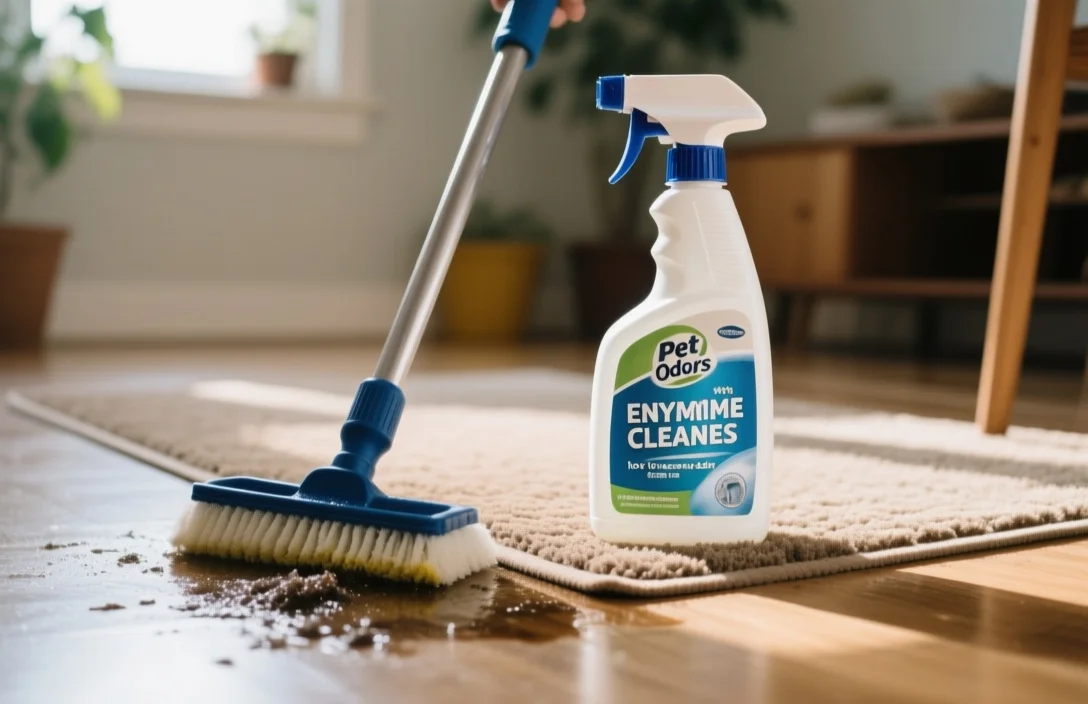
Standard soaps cannot remove the uric acid found in pet urine, which is why pet smells often return after a surface clean. Enzyme cleaners contain bacteria that “eat” the organic proteins in urine, vomit, and saliva, destroying the odor at a molecular level.
Saturate the affected area with the enzyme cleaner. Do not scrub the cleaner in; instead, let it soak into the carpet or rubber to reach the same depth as the original spill. Most enzyme cleaners require a “dwell time” of 10 to 15 minutes to allow the biological reaction to occur.
For example, if a dog tracked mud and urine onto the mats, a standard detergent will make the mat look clean, but the urine crystals will remain. The enzymes break those crystals down into water and carbon dioxide.
Wipe the area with a damp cloth after the dwell time. Avoid using heat (like a steamer) immediately after an enzyme cleaner, as extreme heat can denature the proteins and kill the active enzymes before they finish their job.
Air Drying Mats to Prevent Musty Mildew
The most common mistake in floor mat cleaning is putting them back in the car while they are still slightly damp. This creates a humid, dark environment under the mat, which is the perfect breeding ground for mildew and “sour” smells.
Place your mats in a well-ventilated area with direct sunlight. The UV rays from the sun act as a natural disinfectant, killing many types of surface bacteria and mold. Prop the mats up against a wall or hang them over a railing to ensure air circulates on both the top and bottom sides.
If you are cleaning during a rainy season, use a household fan to blow air directly across the surface of the mats. For thick carpet mats, it can take 4 to 8 hours for the backing to dry completely.
Check the underside of the mat before reinstalling. If the rubber backing feels tacky or cold to the touch, it is still wet. Wait until the material feels bone-dry to avoid creating a new odor problem.
Preventing Future Odors with Regular Cleaning
Odors build up when organic matter is allowed to decompose in the mat’s fibers over several weeks. A preventative maintenance schedule prevents the need for deep chemical cleaning and extends the life of the material.
Shake out your mats once a week to remove loose dirt and organic debris. This prevents “mud cakes” from forming in the grooves of rubber mats or becoming embedded in carpet piles. A quick 2-minute vacuum every weekend stops smells from settling in.
Consider using a weather-proof rubber tray over your carpet mats during winter or rainy seasons. This creates a waterproof barrier that prevents liquids from soaking into the carpet, making cleaning as simple as hosing off the tray.
If you frequently transport pets or gym gear, keep a small bottle of fabric refresher or a few dryer sheets under the seat. While these don’t clean the mat, they provide a light scent barrier that keeps the cabin smelling fresh between deep cleans.
FAQ
How do I get a “sour” smell out of my car mats?
A sour smell usually indicates mildew or bacteria from trapped moisture. The best fix is to vacuum the mats, apply a baking soda treatment for several hours, and then air dry them in direct sunlight for at least 6 hours to kill the fungi.
Can I put my car floor mats in the washing machine?
Rubber mats should never go in a washing machine as they can damage the drum or warp. Some thin carpet mats can be washed on a gentle cycle with cold water, but you must air dry them rather than using a dryer to prevent shrinking or melting the rubber backing.
Why does my mat still smell after I cleaned it?
The odor is likely trapped in the backing of the mat or has leaked through to the car’s actual floor carpet. Try an enzyme cleaner to break down organic proteins or check the vehicle’s floorboards for dampness and treat them with a dehumidifier or fan.
Is vinegar safe for all types of floor mats?
Vinegar is safe for most rubber and synthetic carpet mats, but you should test a small, hidden area first. Avoid using high concentrations of vinegar on genuine leather or high-end wool mats, as the acidity can strip natural oils or damage the fibers.
How often should I deep clean my floor mats?
For most drivers, a deep scrub or steam clean every 3 to 6 months is sufficient. However, if you have pets or live in a snowy climate where salt and slush are common, a deep clean once a month prevents permanent staining and odor buildup.
If your mats still smell after these steps, the odor has likely migrated into the vehicle’s upholstery or HVAC system. Your next step should be to replace the cabin air filter and treat the interior carpets with a professional-grade odor neutralizer.