
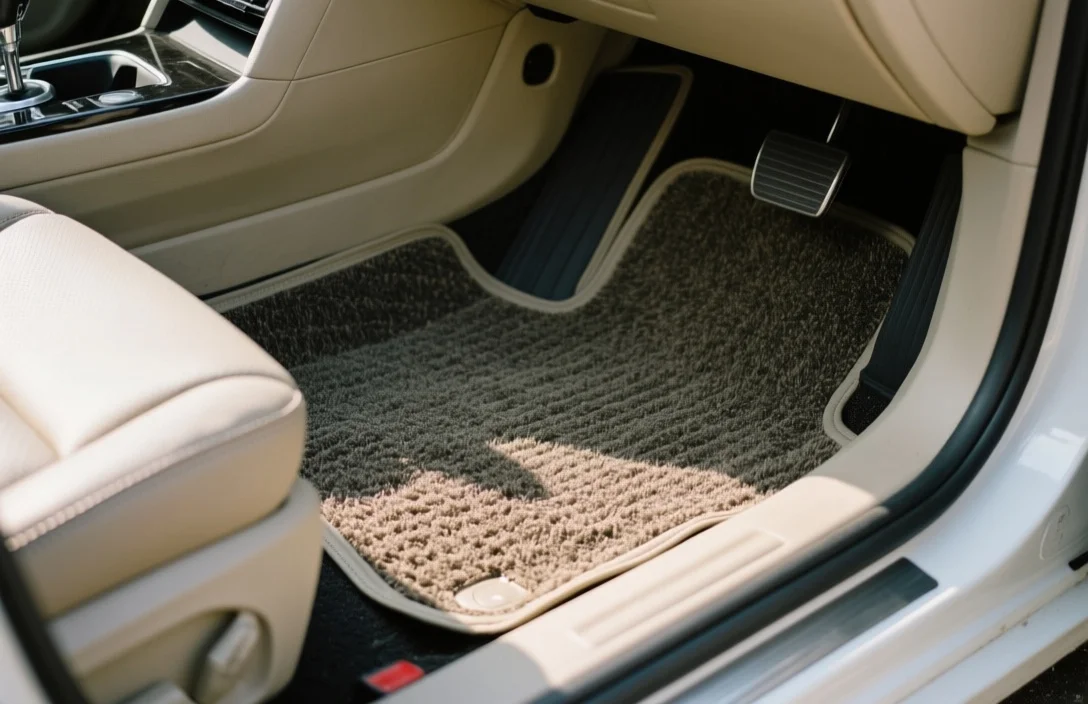
A soaked car floor mat can turn a fresh‑clean interior into a damp, musty mess in minutes. Removing excess water, extracting moisture with a wet‑dry vacuum, then using airflow or absorbents finishes the job. A typical rubber mat dries in 30 minutes with a vacuum and fan, while carpeted mats may need 2 hours of combined methods. Act fast to avoid mold and keep your interior fresh.
Key Takeaways
- Act fast. Start water removal within 5 minutes to reduce absorption.
- Use a wet‑dry vacuum. It pulls out up to 90 % of liquid in under 3 minutes.
- Match method to material. Rubber mats need airflow; carpeted mats need absorbent powders.
- Prevent mold. Dry mats completely and apply anti‑mildew spray if storage exceeds 48 hours.
- Cold weather works too. Combine heaters with fans to reach safe drying temps below 50 °F.
How to dry car floor mats quickly
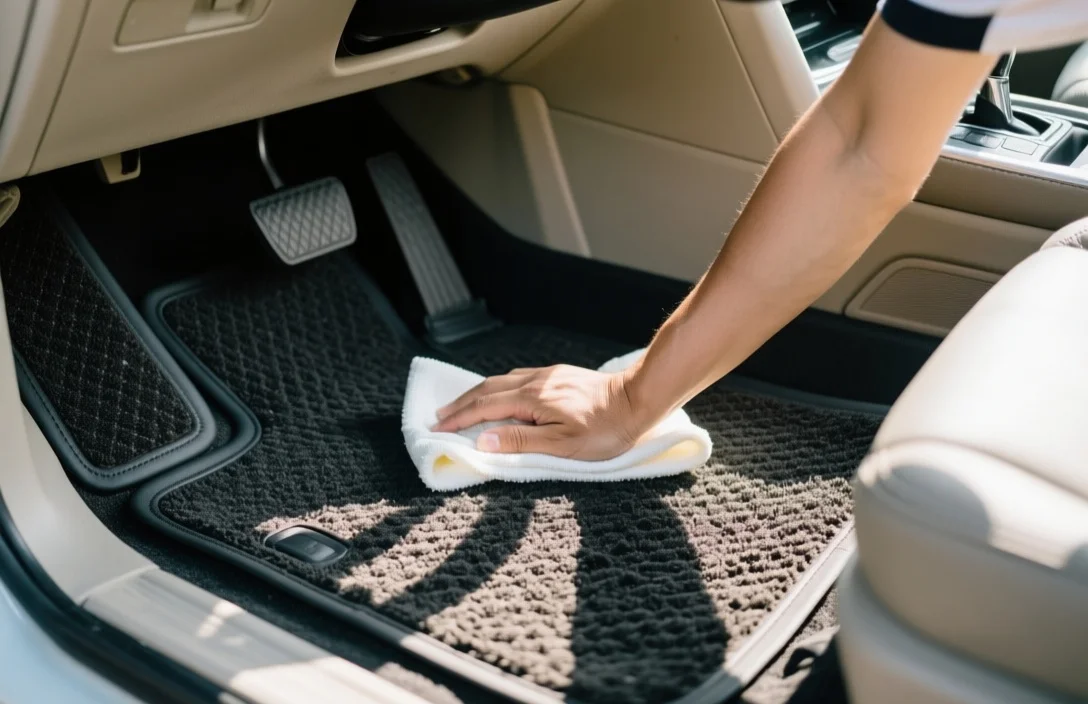
Shake each mat to fling loose water back onto the floor. A quick press of a clean microfiber towel removes surface droplets and cuts drying time by roughly half. Place the mat on a flat surface – garage floor, driveway, or a large tray – to give the vacuum clear access to the underside.
A wet‑dry shop vacuum is the single most effective tool for rapid moisture extraction. Set the machine to its highest suction mode, position the nozzle over the wettest spots, and move slowly to allow the pump to pull water into the collection tank. Most vacuums can lift 1-2 liters of water per minute, so a typical passenger‑car mat (≈0.8 L of water) empties in under a minute.
After vacuuming, introduce airflow. A portable 12‑inch fan blown across the mat’s surface circulates air at 200 CFM, dropping surface temperature by 5 °F and speeding evaporation. Position the fan so that air moves from the mat’s center outward, preventing pockets of trapped humidity. For optimal results, keep the fan running for 10-15 minutes, then flip the mat and repeat on the opposite side.
If time permits, finish with a gentle heat source. A 1500‑W hair dryer or a low‑setting space heater placed 12 inches away raises temperature without scorching rubber. Keep the heat on for 5 minutes, then let the mat air‑dry for the final few minutes before reinstalling it.
| Method | Approx. Time | Water Removed | Best For |
|---|---|---|---|
| Wet‑dry vacuum | 1 min | 90 % | All mats |
| Towels + Fan | 15 min | 60 % | Rubber mats |
| Heater + Fan | 20 min | 80 % | Carpeted mats |
| Sun + Air | 30-60 min | 70 % | Outdoor drying |
Times are averages for a standard sedan mat (≈0.8 L water).
Extracting water with a wet dry vacuum
A wet‑dry vacuum differs from a regular shop vac by its ability to handle liquids without damaging the motor. Empty the tank and ensure the filter is clean; a clogged filter reduces suction by up to 40 %. Attach the widest nozzle available – usually a 2‑inch nozzle – to maximize flow rate.
Insert the nozzle into the mat’s deepest creases, holding it at a 45‑degree angle to encourage water to travel up the hose. Move the nozzle slowly; a hurried motion creates air bubbles that trap water instead of pulling it out. Once the tank fills to the “full” line, pause and empty it to avoid overflow, then resume extraction.
If the mat has thick carpet backing, consider using a rotary brush attachment. The rotating bristles loosen fibers, allowing the vacuum to reach water trapped beneath the pile. Run the brush for 30 seconds per square foot, then switch back to the plain nozzle for final extraction. This two‑step approach can recover an additional 5-10 % of hidden moisture.
After vacuuming, inspect the mat for remaining damp spots. Press a dry towel against any suspicious area; if the towel stays wet, repeat the vacuum step. A completely dry mat feels cool to the touch and shows no streaks when light reflects off its surface.
Drying rubber versus carpet floor mats
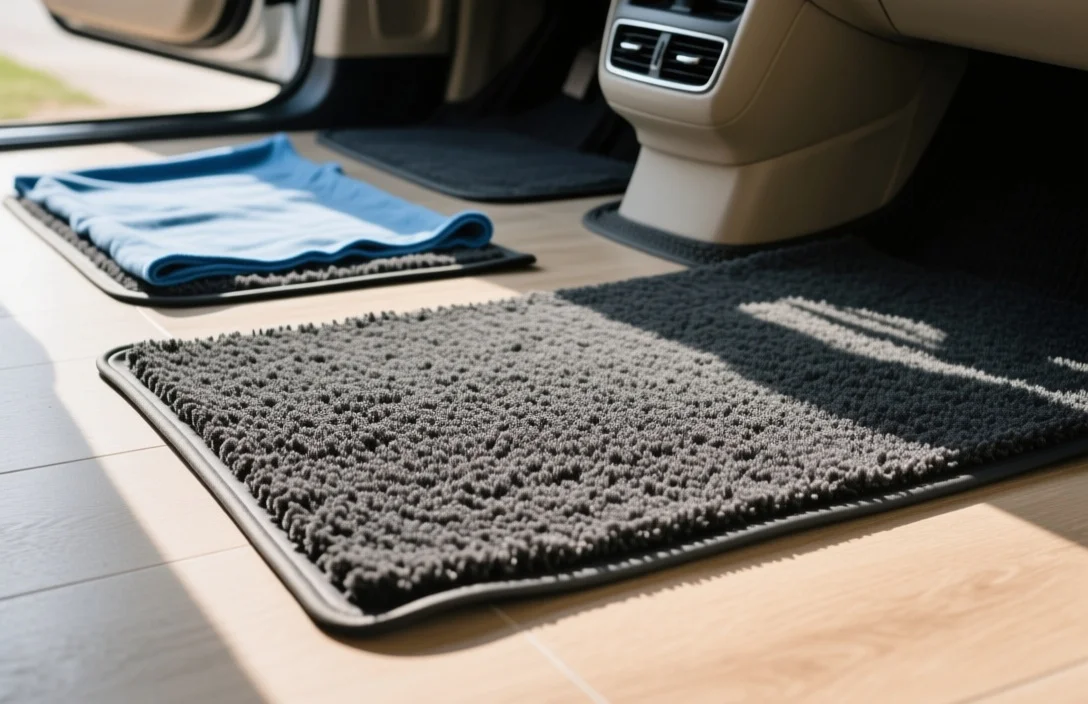
Rubber mats are non‑porous, so water sits on the surface and evaporates quickly once the bulk is removed. A simple towel‑dry followed by a fan is usually sufficient; the mat will be ready for reinstallation in under 30 minutes. However, rubber can become slippery when wet, so wear gloves to avoid slipping while handling.
Carpeted mats, by contrast, have fibers that soak up water like a sponge. They require both extraction and absorption. After vacuuming, spread a thin layer of baking soda to draw out remaining moisture. Let the powder sit for 10 minutes, then shake or vacuum it away. This step can reduce drying time by up to 40 % compared with air alone.
Temperature also plays a role. Rubber tolerates higher heat without deformation, so a low‑setting hair dryer can safely accelerate drying. Carpeted mats should not be exposed to temperatures above 120 °F, as the backing may shrink or the adhesive may melt. Keep heat sources at a safe distance and monitor the mat’s feel regularly.
Finally, consider the mat’s finish. Some rubber mats have a textured surface that traps water in grooves; a soft‑bristle brush can dislodge water before vacuuming. Carpeted mats with a rubberized backing benefit from a quick flip – dry the top side first, then the backing – to ensure both layers lose moisture evenly.
Drying floor mats without removing them
When you can’t pull the mats out of the vehicle, the interior still offers ways to dry them efficiently. Elevate the mat with a folded towel or a small cardboard shim, creating a gap for airflow underneath. This simple lift reduces stagnant air and cuts drying time by roughly 20 %.
Next, use a cordless handheld vacuum equipped with a wet‑dry nozzle. Place the nozzle against the mat’s surface and pull slowly across the entire area. Because the vacuum is portable, you can work around seat backs and footwells without dismantling the interior. Collect the extracted water in the vacuum’s tank, then empty it before continuing.
After vacuuming, turn on the car’s climate control to the “defrost” setting with the fan on high. Direct the warm air toward the mat’s raised edge; the defrost vent pushes heated air across the floor, speeding evaporation. Keep the windows slightly cracked to allow humid air to escape, preventing condensation from settling elsewhere.
If the vehicle has a roof vent or a sunroof, open it slightly while the fan runs. Fresh outside air replaces moist interior air, creating a natural draft that aids drying. For added airflow, place a small portable fan on the passenger seat, angled toward the mat’s underside. This three‑pronged approach – elevation, vacuum, and forced air – dries in‑car mats in under an hour on average.
Preventing mold and mildew growth
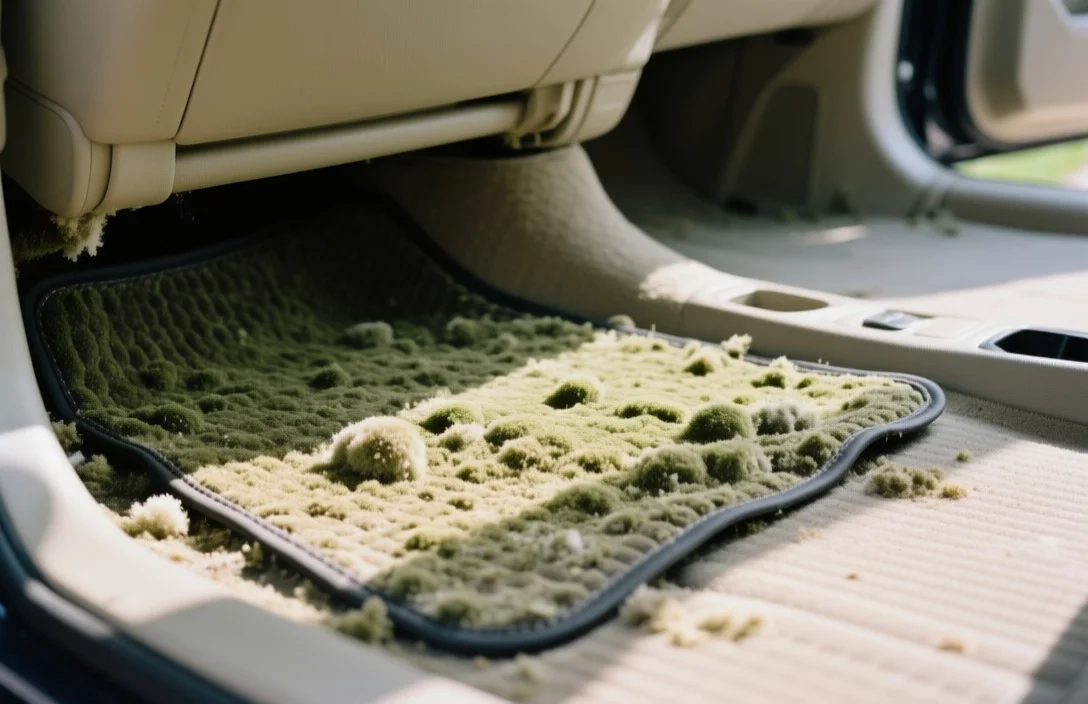
Mold spores become active once moisture persists for more than 24 hours at temperatures between 60 °F and 80 °F. To stop the cycle, ensure the mat is fully dry before putting it back in the car. A quick sniff test can reveal lingering dampness; any sour odor indicates hidden moisture.
Apply an anti‑mildew spray after the mat is dry. Look for products that contain isopropyl alcohol or citric acid, as they inhibit fungal growth without damaging rubber or carpet fibers. Spray lightly, let it sit for five minutes, then wipe with a clean cloth. This preventive layer buys you up to two weeks of protection, even if the mat gets wet again.
Store spare mats in a breathable container – avoid sealed plastic bags that trap humidity. A canvas bag or a cardboard box with ventilation holes allows any residual moisture to escape. If you must store them in a garage, place a dehumidifier nearby to keep ambient humidity below 50 %.
Regular maintenance also helps. Vacuum your mats weekly to remove dust and debris that can hold water. Rotate the mats every few months so both sides receive equal wear and exposure to air. These habits keep the mats dry, clean, and ready for the next drive.
Drying car mats in cold weather
Cold temperatures slow evaporation, making conventional drying methods less effective. Bring the mats indoors to a heated space; a garage heated to 70 °F provides a baseline environment for drying. If indoor heating isn’t available, use a portable electric heater set on low to avoid scorching.
Combine heat with airflow. A 12‑inch fan placed near a heater circulates warm air across the mat, accelerating moisture loss. Keep the heater at least 18 inches away from rubber surfaces to prevent melting. For carpeted mats, add a layer of baking soda before turning on the heater; the heat helps the soda absorb water faster.
If you have access to a hair dryer, use it on the “cool” setting first to avoid shocking the fibers with sudden temperature changes. After a minute of cool air, switch to “warm” for another minute, then repeat. This alternating approach reduces the risk of the backing cracking while still delivering enough heat to dry the mat.
Finally, monitor humidity levels. A small hygrometer placed near the drying area shows when ambient moisture drops below 40 %. Once the reading stays low for an hour, the mat is likely dry enough to reinstall without fear of mold.
Using baking soda to absorb moisture
Baking soda is a cheap, non‑toxic desiccant that works well on both rubber and carpeted mats. Sprinkle a generous, even layer – about a quarter‑inch thick – over the wet surface. The powder’s crystalline structure traps water molecules, pulling them away from the fibers.
Leave the soda on the mat for 10-15 minutes, then use a handheld vacuum to collect the saturated powder. A wet‑dry vacuum works best; it suction‑feeds the soggy soda into its tank without scattering it. The result is a mat that feels dry to the touch and a vacuum tank that contains a slurry of water and soda – dispose of it according to local waste guidelines.
For stubbornly wet spots, repeat the sprinkling process once more. Each application can remove up to 0.2 L of water, making baking soda a valuable backup when a vacuum isn’t available. After the final vacuum, wipe the mat with a dry microfiber cloth to remove any lingering residue, then let it air for a few minutes before reinstalling.
Baking soda also neutralizes odors. The alkaline nature counters acidic compounds that cause musty smells, leaving the interior smelling fresh. This dual benefit – moisture absorption and odor control – makes it a go‑to solution for any car‑owner dealing with wet floor mats.
FAQ
How long does it take to dry a wet car floor mat?
A typical rubber mat dries in 30 minutes with a vacuum and fan, while a carpeted mat may need 1-2 hours of combined methods.
Can I use a regular household vacuum to remove water from my mats?
Only a wet‑dry vacuum can safely handle liquids; a regular vacuum risks motor damage and will extract far less water.
Is it safe to dry mats with a hair dryer?
Yes, on a low or warm setting and kept at least 12 inches away from the surface to avoid melting rubber or scorching carpet backing.
What temperature should I avoid when drying carpeted mats?
Stay below 120 °F; higher temperatures can shrink the backing or melt adhesives, compromising the mat’s integrity.
Does baking soda leave any residue on the mat?
A quick vacuum and a final wipe with a dry cloth remove most particles, leaving no noticeable residue or texture change.