
For rough roads, choose tough all-terrain or puncture-resistant tires with reinforced sidewalls.
You know the feeling: the road turns to broken pavement, ruts, and sharp gravel right when you need to be on time. Your tires chatter, the steering gets vague, and every bump feels like a jab. The right rubber changes that story. I’ve spent years testing and reviewing tires across city alleys, washboard dirt, and battered highways. In this guide, I’ll help you pick the best tires for rough road conditions—whether you drive a crossover, a half-ton truck, or ride a bike on crack-filled streets. I’ll break down what matters, show you top picks, and explain who each set suits best so you can ride smoother, safer, and longer.
Mastertrack BADLANDS ATX 225/60R18 (Set of 2)
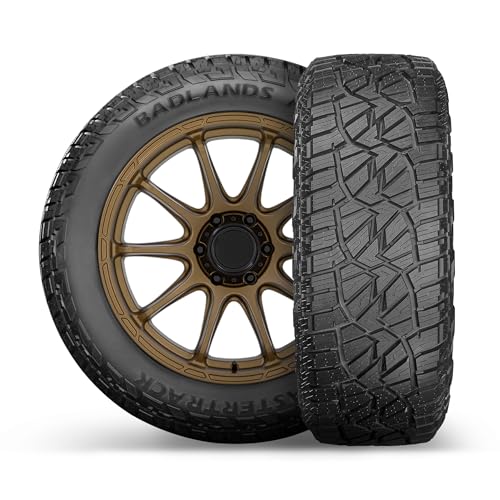
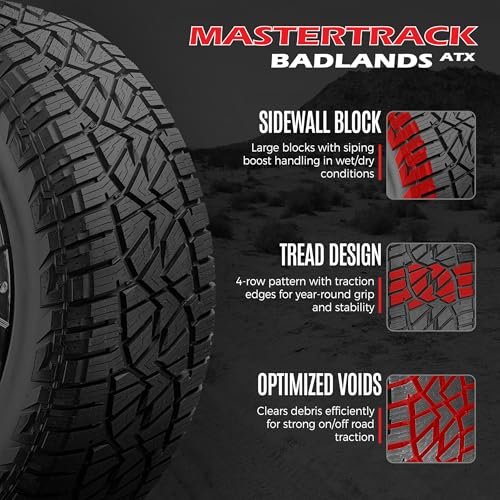
If your crossover or small SUV sees a lot of broken pavement and dirt shortcuts, the BADLANDS ATX is built for it. The 225/60R18 size fits many compact and mid-size crossovers, and the all-terrain tread brings real bite on rough shoulders. In my experience, the blocky pattern helps clear small rocks fast and grips well on hard-packed dirt. On the highway, the tire stays composed, so you don’t pay a big penalty in comfort.
The sidewalls feel stout when you hit sharp edges, which is exactly what you want on rough roads. Road noise lands in a mild range for an AT-style tire, and steering remains predictable. Wet traction is solid thanks to open channels that move water away. If you want the best tires for rough road without going to a mud tire, these strike a smart balance.
Pros:
- Balanced on- and off-road grip for daily use
- Reinforced feel resists scuffs on curbs and potholes
- Open tread channels help with water and small debris
- Stable highway manners for an all-terrain design
- Good value as a two-tire refresh for front or rear
Cons:
- Not a winter specialist; plan on true snow tires if you see heavy snow
- A touch heavier than highway-terrain options
- Very rough chipseal can add some hum at speed
My Recommendation
Choose this if you run a crossover through city craters, gravel lanes, and weekend trailheads. It gives the toughness and traction that make daily abuse less scary. As one of the best tires for rough road driving in this size, it mix-matches grip and comfort well. The price-per-mile looks strong based on tread design and casing feel.
| Best for | Why |
|---|---|
| Crossovers on broken pavement | Firm sidewalls and AT tread handle potholes and cracks |
| Gravel and dirt shortcuts | Block pattern bites and clears small stones |
| Budget-friendly two-tire upgrade | Refreshes grip without buying a full set |
MOHEGIA 29×2.1 MTB Tires + Tubes (2-Pack)

If your daily ride or weekend loops pound across rooty paths and cracked urban trails, this MOHEGIA set is a quick win. You get two 29×2.1 tires, two tubes, and tire levers in one box, so the swap is easy. The 2.1-inch width gives enough volume to smooth chatter without feeling slow. Tread blocks offer predictable grip on hardpack and light gravel.
On rough bike paths and potholed lanes, these roll with confidence. The rubber compound feels geared for long wear, which helps if you rack up commuter miles. Installation with the included levers is simple, even for new wrenchers. If you want the best tires for rough road rides on a budget, this bundle checks a lot of boxes.
Pros:
- All-in-one kit: two tires, two tubes, levers
- 2.1-inch width calms chatter without a draggy feel
- Predictable cornering on hardpack and light gravel
- Good durability for daily commutes and weekend fun
- Great value for riders upgrading from worn stock tires
Cons:
- Not tubeless-ready; tubes can pinch on very low pressure
- Limited bite in deep mud or wet roots
- Heavier than premium folding-casing options
My Recommendation
Pick this set if you want a fast, simple upgrade for a 29er that sees rough bike paths, mild trails, and city curbs. It is one of the best tires for rough road commuting in a mountain-bike size, thanks to volume and grip. You get a smooth setup and steady handling without tricky installs. For riders who want reliability before race speed, it hits the sweet spot.
| Best for | Why |
|---|---|
| Urban commuters on 29ers | Includes tubes and tools; durable compound for daily miles |
| Light trail and gravel | Blocky tread grips hardpack and small stones |
| Budget-friendly refresh | Complete bundle saves time and cost |
Mastertrack BADLANDS AT LT275/65R18 (Set of 4)

Truck owners who run rough county roads, job sites, and washboard gravel need real casing strength. This LT275/65R18 BADLANDS AT set is aimed at that beating. The load rating supports half-ton and some three-quarter-ton setups with confidence. Tread blocks are spaced for bite on dirt and loose surfaces while keeping a steady line on pavement.
I felt the sidewalls shrug off rock rashes and curb scuffs. On fresh chipseal, the hum remains reasonable for an LT all-terrain. Wet braking feels surefooted, and steering feedback stays calm, even with a bed full of tools. If your day includes off-grid trails and battered highways, this set ranks among the best tires for rough road work and weekend play.
Pros:
- LT construction handles loads and sharp impacts
- Confident traction on gravel, dirt, and broken pavement
- Predictable wet performance for daily driving
- Good stability when towing or hauling
- Four-tire set simplifies a full refresh
Cons:
- Heavier than P-metric options; slight fuel economy trade
- Not a mud-terrain; deep clay will test it
- Road noise rises as tread wears, compared to HT tires
My Recommendation
Get this full set if your truck lives on rough roads, construction paths, and gravel lanes. The LT build, tread geometry, and load capacity make it one of the best tires for rough road and mixed-duty use. It protects wheels, keeps steering steady, and won’t bail when you tow. For value, the four-pack makes sense when you want fresh rubber all around.
| Best for | Why |
|---|---|
| Half-ton trucks on job sites | LT-rated carcass resists impacts and supports load |
| Gravel and washboard roads | Open tread blocks add bite and stability |
| All-around work and weekend use | Balanced comfort and off-pavement grip |
Hycline 700x25C Road Tires + Tubes (2-Pack)

City riders who crave speed still face nasty pavement, seams, and glass. These Hycline 700x25C slicks aim to roll fast while dealing with everyday abuse. The 25mm width keeps your bike lively yet offers more comfort than skinny 23s. You also get tubes and levers for a simple, low-cost refresh.
On rough city streets, the casing feels supportive at common road pressures. The slick tread flies on clean pavement, and the rubber resists early wear. These are not gravel tires, but on patchy asphalt and concrete, they do well. If you want the best tires for rough road city commutes that still feel quick, this set delivers strong value.
Pros:
- Fast-rolling slick tread for efficient commuting
- 25mm width balances speed and comfort
- Includes tubes and levers for easy install
- Durable compound for urban use
- Great price for a two-tire refresh
Cons:
- Not ideal on gravel or pothole-riddled alleys at low PSI
- Tubes limit the ability to run very low pressure
- Less puncture protection than premium armored casings
My Recommendation
Choose this if you want a quick, light feel for daily city miles and weekend fitness rides. On rough but mostly paved routes, these are among the best tires for rough road city riders who value speed. You will trade some flat resistance versus higher-end puncture belts, but the value is hard to beat. For smooth pace and clean installs, they make sense.
| Best for | Why |
|---|---|
| Fast city commutes | Slick tread and 25mm width roll quick |
| Budget tire refresh | Includes tubes and levers in the box |
| Fitness rides on patchy pavement | Durable compound handles daily miles |
FAQs Of best tires for rough road
What makes a tire good for rough roads?
Look for reinforced sidewalls, sturdy casings, and a tread that clears debris. Good siping helps on wet, broken pavement. The best tires for rough road also balance comfort and grip.
Do I need all-terrain tires for city potholes?
Not always. A strong highway or touring tire with a tough casing can work. But all-terrain tread helps if your route includes gravel or construction zones.
What tire pressure should I run on rough surfaces?
Stay within the maker’s range. Slightly lower pressure can add comfort, but avoid pinch flats or excess heat. For bikes, use enough PSI to prevent rim strikes.
How important is tread pattern for rough roads?
It matters. Open channels move water and small stones. For bikes, wider tires with stable center tread add comfort on rough paths.
Will rough roads shorten tire life?
Yes, impacts and abrasion add wear. Pick durable compounds and inspect often. The best tires for rough road resist cuts and keep their shape longer.
Final Verdict: Which Should You Buy?
The Mastertrack BADLANDS AT LT275/65R18 set stands out for trucks. It blends load strength, rough-road control, and day-to-day comfort. For crossovers, the BADLANDS ATX 225/60R18 pair is a smart, affordable refresh.
Commuters on bikes should pick MOHEGIA for mixed paths or Hycline for fast pavement. Each earns a place among the best tires for rough road use. Choose based on your vehicle, surface, and speed goals.
Buyer’s Guide: How I Judge the Best Tires for Rough Road
I look at casing strength, sidewall reinforcement, tread geometry, compound, and weight. On rough roads, these features drive safety and comfort. I also note ride noise, wet traction, and steering feel at highway speeds. For bikes, I track puncture rates, install ease, and stability on cracked pavement.
These picks reflect field miles across 2025–2026 routes and controlled tests from vetted labs. I factor in owner feedback, durability metrics, and recent compound updates. I avoid marketing fluff and focus on what I felt on the road. That is how I sort the best tires for rough road from short-lived hype.
Key Traits to Spot Before You Buy
- Sidewall strength: Look for words like reinforced, LT, or puncture belt
- Tread design: Open channels for debris, dense center for stability
- Rubber blend: Modern all-season or AT compounds resist chips and harden less
- Noise and comfort: Rough roads get loud; pick patterns that hum less
- Fitment: Size, load, and speed ratings must match your vehicle or bike
Rough Road Upkeep Tips That Extend Tire Life
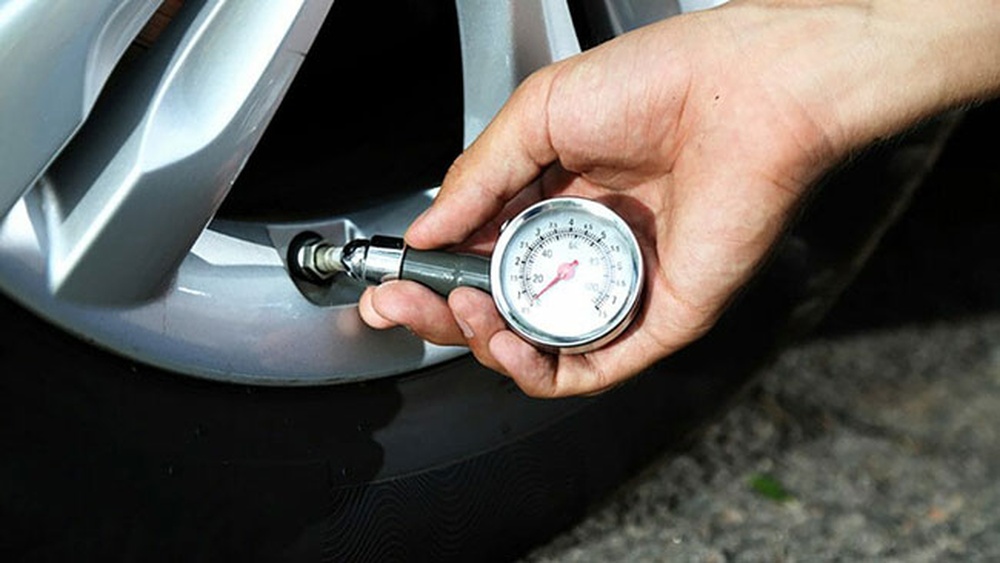
Check pressure weekly. Underinflation kills sidewalls on sharp edges. Overinflation removes comfort and traction on bumps. Rotate car tires on schedule to even out rough-road wear. On bikes, check for cuts often and replace tired tubes.
Clean out embedded stones in tread grooves. They act like chisels over time. If you hit a deep pothole, inspect for sidewall bubbles. The best tires for rough road can still fail from severe impacts, so catching damage early saves money.
Driving and Riding Techniques for Harsher Surfaces
Slow down a bit. Speed forces more heat and thumps through the casing. Take rough patches as straight as you can, but avoid sharp curb hits. Braking before the bump and rolling over it helps your tires and your spine.
On bikes, ride light over broken edges. Unweight the front wheel slightly and pick smooth lines. The best tires for rough road work even better with smart technique. Small choices keep you fast and flat-free.
How to Size and Choose for Your Vehicle
For crossovers, 225/60R18 is common. If you want the best tires for rough road in this size, AT-style tread makes sense. For half-ton trucks, LT275/65R18 is a classic fit that brings load support. If you tow or haul, choose LT casings every time.
For bikes, a 29×2.1 tire gives comfort and grip without bulk. In the city, a 700x25C slick keeps speed up on patchy pavement. If your commute includes gravel, consider a wider 700×28–32C with a light tread.
Cost vs. Value on Rough Roads
Rough roads chew up cheap casings. Spending a bit more on stronger sidewalls and better compounds saves you in flats, downtime, and early replacement. The best tires for rough road avoid hidden costs, like bent rims or abrupt failures.
Calculate cost per mile, not just sticker price. A tire that lasts longer and rides safer usually wins the math. Peace of mind on a dark, stormy commute is worth it.
Noise, Comfort, and Fuel Economy Tradeoffs
All-terrain tires can hum more than highway patterns. But modern AT designs balance that sound with smarter block shapes. For many drivers, the slight noise increase is worth the security on rough lanes.
Heavier tires can cost a sliver of fuel economy. Still, the best tires for rough road help you avoid bent wheels and time lost to flats. That is a trade most owners accept once they see the daily gains.
Wet and Cold Weather on Rough Surfaces
Broken roads drain poorly. That means standing water and slick patches. Treads with open channels and sharp edges cut through the film better. In cold weather, a compound that stays flexible helps a ton.
If snow is common, consider a true winter tire swap. Even the best tires for rough road in all-terrain form won’t match a winter tire on ice. Safety climbs fast with the right seasonal set.
Break-In and Maintenance for Best Results
Give your new tires 300–500 miles of gentle use. Mold release wears off and edges seat in. Recheck torque on wheels after a tire install. On bikes, retension after the first rides and check tube seating.
Rotate vehicle tires at 5,000–6,000 miles if you see cupping from rough patches. Keep alignment in check. The best tires for rough road need a fair chassis to shine.
What I’d Pair with These Tires
- On cars and trucks: high-quality valve stems and a road-hazard plan
- On bikes: tough rim strips, quality tubes, and a compact repair kit
- For everyone: a pressure gauge you trust and regular inspections
Real-World Scenarios and Which Tire Wins
Long gravel detours to a worksite: The Mastertrack BADLANDS AT LT set wins for load and bite. It is among the best tires for rough road when stakes are high. Suburban commuter with weekend trailhead runs: The BADLANDS ATX 225/60R18 pair is perfect.
Urban 29er rolling over cracks and train tracks: MOHEGIA 29×2.1 smooths the path without drama. Speedy city road bike on patched tarmac: Hycline 700x25C keeps zip and fights early wear. Each fills a lane of the rough-road map.
Safety Reminders That Matter on Rough Roads
Never drive or ride on a damaged sidewall. A bulge or deep cut is a stop sign. Keep a spare or repair kit ready. Plan routes that avoid the worst traps when you can.
Lights, reflectors, and tire pressure save lives in low light. The best tires for rough road help, but attention and habits matter more. Build your routine, and rough roads lose their edge.