
Most drivers ignore their brakes until they squeal, but rotors have a finite lifespan dictated by metal thickness and heat cycles. Understanding how long do brake rotors last helps you budget for maintenance and avoid unsafe driving conditions. We will break down the mileage expectations, the physical signs of wear, and when to resurface versus replace.
Brake rotors typically last between 30,000 and 70,000 miles depending on driving conditions and material quality. You should inspect them every 15,000 miles for scoring or wear. Replace them immediately if they reach the minimum thickness stamped on the hub edge.
Key Takeaways
- Average lifespan is 30,000 to 70,000 miles. Aggressive city driving wears them faster than highway cruising.
- Rotors outlast brake pads. You usually replace pads two or three times for every set of rotors.
- Deep grooves indicate wear. Visible scoring or a raised lip on the edge means the rotor needs attention.
- Vibration signals warping. A shaking steering wheel when braking often means the rotors are warped.
- Measure thickness to confirm. Use a micrometer to check against the “minimum thickness” specification stamped on the rotor.
- Resurfacing has limits. Machining rotors is only an option if enough metal remains above the discard limit.
How Long Do Brake Rotors Last (Mileage and Years)
Most factory-installed brake rotors last between 30,000 and 70,000 miles. Aggressive city driving with frequent stops can chew through them in 30,000 miles, while highway driving might extend their life to 70,000 miles or more. In terms of years, this averages out to about 3 to 7 years for the typical driver doing 12,000 to 15,000 miles annually.
Material quality changes this number significantly. Carbon-ceramic rotors found on performance vehicles often last over 100,000 miles, whereas cheaper economy rotors might wear out closer to the 30,000-mile mark. Always check your specific vehicle’s maintenance manual for the manufacturer’s recommended inspection intervals.
You can estimate your specific rotor lifespan using driving habits as a multiplier. Highway drivers often see the upper end of the range, while city dwellers or those in hilly terrain should expect the lower end.
| Driving Condition | Estimated Rotor Lifespan | Maintenance Frequency |
|---|---|---|
| Highway / Gentle | 60,000 – 70,000+ miles | Inspect every 20,000 miles |
| Mixed / Average | 40,000 – 60,000 miles | Inspect every 15,000 miles |
| City / Hilly / Towing | 30,000 – 40,000 miles | Inspect every 12,000 miles |
Visual Signs of Worn Brake Rotors
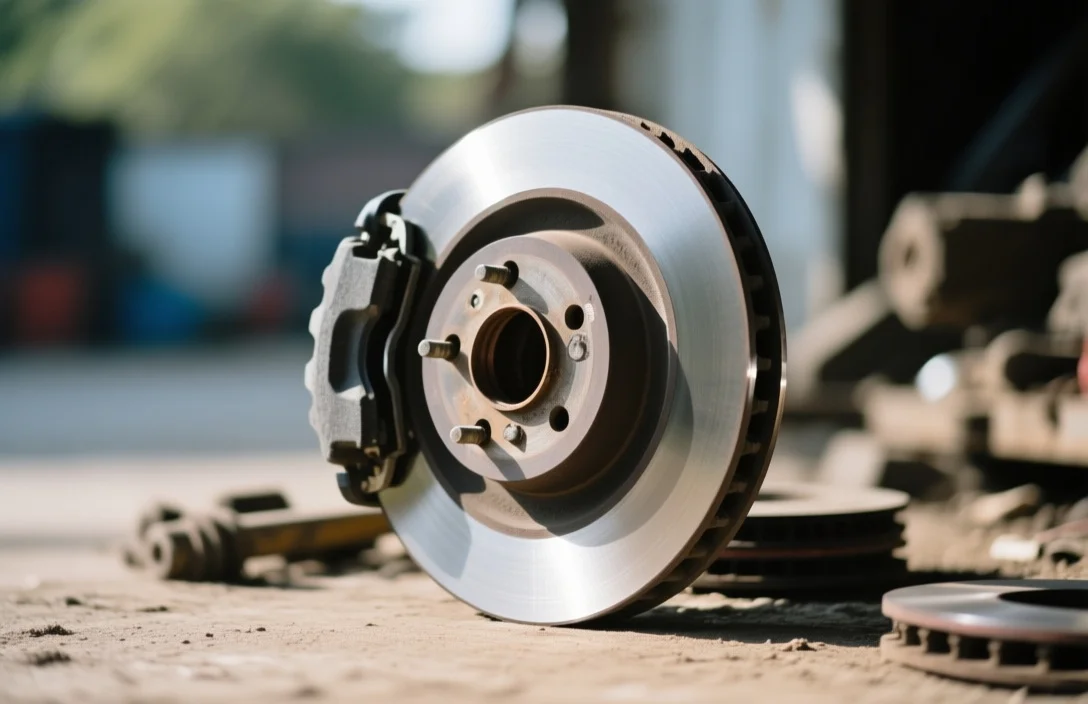
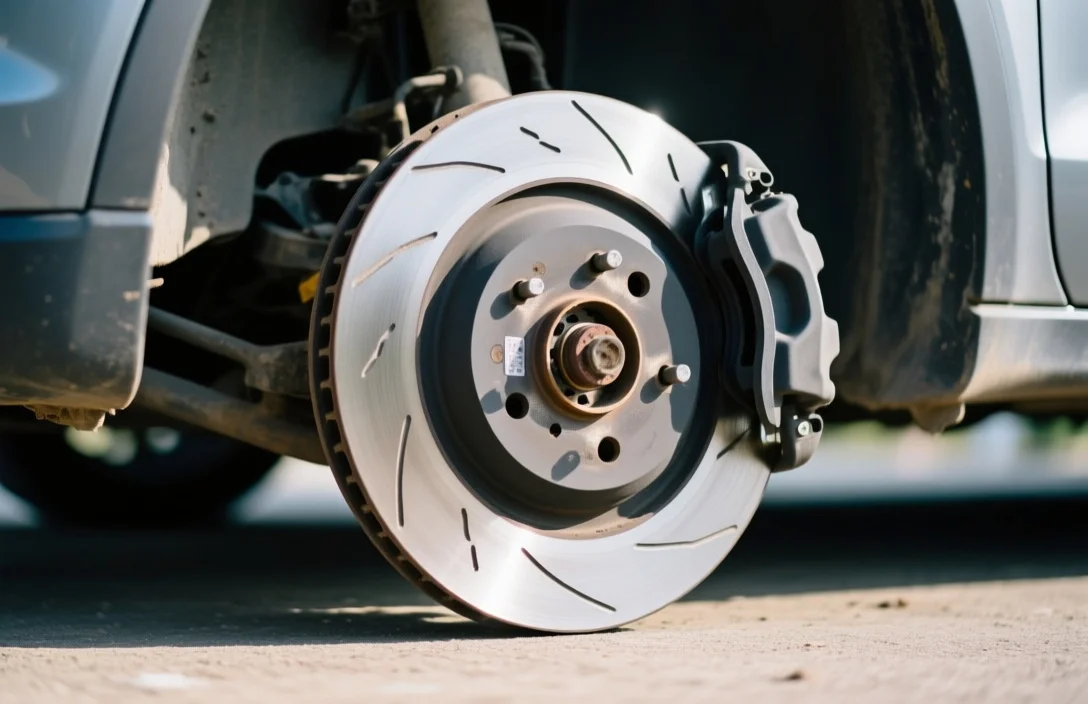
You can often spot a dying rotor just by looking through the wheel spokes. Healthy rotors have a smooth, grey, or slightly shiny surface. If you see deep concentric grooves, deep scratches known as scoring, or a rough lip forming on the outer edge, the metal has worn down significantly.
Rust is another visual indicator, though it requires interpretation. Surface rust on the rotor hat (the center part) is normal, but rust patches on the braking surface where the pads touch suggest the car sat for too long or the pads are not cleaning the surface. Large rust pits or flaking metal mean the rotor is structurally compromised and needs replacement.
Look closely at the outer edge of the rotor braking surface. A noticeable “lip” or ridge where the pads do not touch indicates significant wear. This lip makes it difficult to remove the rotor and serves as a visual cue that the rotor is nearing the end of its service life.
Brake Pulsation and Steering Wheel Vibration
A warped rotor is the most common cause of a pulsating brake pedal. When the rotor is not perfectly flat, the brake pads squeeze it unevenly as it spins, creating a vibration that travels up through the pedal and into your foot. You will feel this pulse when braking at highway speeds more than at low speeds.
This warp often transfers to the steering wheel. If the steering wheel shakes back and forth in your hands when you apply the brakes, your front rotors are likely warped or have thickness variation. This issue cannot be fixed by driving habits and usually requires resurfacing or replacement to restore a smooth stop.
Warping happens when extreme heat causes the metal to expand and then cool unevenly. Stopping hard from high speed or riding the brakes down a long hill generates temperatures high enough to deform the iron. Once the metal is distorted, the vibration will only get worse until the surface is machined flat again.
Driving Habits That Accelerate Rotor Wear
Stop-and-go traffic is the biggest enemy of brake rotor longevity. Every time you press the pedal, friction generates heat that wears away a microscopic layer of metal. Constant braking in traffic keeps the rotors hot, which accelerates wear and increases the risk of warping due to thermal stress.
Riding the brake pedal with your left foot or keeping your foot resting on the pedal while driving creates unnecessary drag and heat. Hauling heavy loads or towing also puts massive stress on the braking system, requiring more friction to bring the vehicle to a halt and wearing the rotors down faster than normal driving conditions.
Driving style plays a major role in the calculation. “Stop-and-go” drivers might need new rotors every 30,000 miles, whereas “coast-to-stop” drivers can easily exceed 70,000 miles. The difference comes down to how much kinetic energy you convert into heat in a single stop versus spreading it out over time.
Brake Pad vs Rotor Replacement Cycles
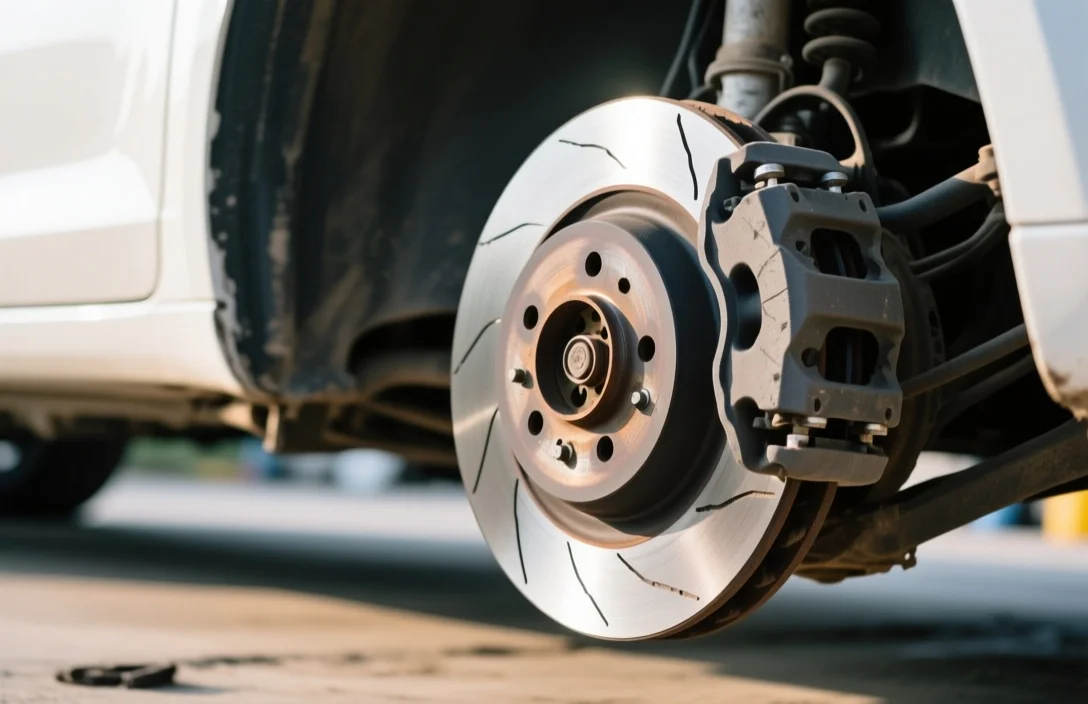
Brake pads wear out much faster than rotors because they are the softer sacrificial component designed to protect the metal disc. On average, you will replace your brake pads two or three times for every single set of rotors you replace. If you change pads at 30,000 miles, your rotors might last until 60,000 or 90,000 miles.
Driving on worn-out pads is the fastest way to destroy a good set of rotors. Once the pad material wears down to the metal backing plate, it grinds directly into the rotor surface, machining it away and causing deep gouges. Replacing pads promptly prevents this “metal-on-metal” scenario and preserves the life of your rotors.
You should always replace pads and rotors together if the rotors are near their minimum thickness. Putting fresh pads on worn, thin rotors can cause the new pads to wear unevenly or fail to bed in correctly
Frequently Asked Questions
Can I just replace my brake pads and keep the old rotors?
Yes, you can often keep your rotors if they still have enough thickness and are not warped or deeply scored. However, you must ensure the rotor surface is smooth and within the manufacturer’s minimum thickness specifications before installing new pads.
How do I know if my rotors are warped or just worn out?
Warped rotors typically cause a noticeable vibration or pulsation in the brake pedal and steering wheel when you slow down. In contrast, simply worn-out rotors may show visible deep grooves, a raised lip on the edge, or thinning metal without necessarily causing immediate shaking.
Does driving in the city really shorten the lifespan of my rotors?
Yes, frequent stop-and-go traffic requires constant braking, which generates significant heat and friction. This cycle wears down the metal surface much faster than highway driving, where you use your brakes less frequently.
Is it better to resurface rotors or just buy new ones?
Resurfacing is only an option if your rotors have enough metal remaining above the manufacturer’s discard limit. If the rotors are already thin or have deep structural damage, replacing them is the safer and more reliable long-term solution.
What happens if I ignore the signs of worn-out brake rotors?
Ignoring worn rotors can lead to reduced braking performance and increased stopping distances, which is dangerous in emergency situations. Eventually, the metal may become too thin to handle the heat, potentially leading to cracking or complete brake failure.