
Brake pads nearing the end of their life turn routine stops into safety hazards, but the warning signs appear long before catastrophic failure. You can spot these clues through noise, visual inspection, and changes in pedal feel. This guide outlines exactly what to look for, how to measure wear, and how front and rear pads differ.
Key Takeaways
- Squealing noise. A high‑pitched squeal appears when pad material reaches roughly 3 mm thickness.
- Visible wear. Less than ¼ inch of pad material left is a clear visual cue to replace pads.
- Pedal feel. A soft or spongy pedal often means pads are worn or hydraulic fluid is low.
- Warning lights. The brake‑system light or ABS indicator will illuminate once sensors detect low pad pressure.
- Pulling or shaking. Uneven wear or warped rotors cause the vehicle to pull or vibrate during braking.
Signs of Worn Brake Pads You Can Hear
A high‑pitched squeal that grows louder as you apply the brakes is the most immediate audible warning of thin pads. Most brake pads include a wear‑indicator shim that contacts the rotor when the friction material drops to about 3 mm, creating a distinct screech that cannot be ignored.
If the squeal disappears and a low‑groan or grinding sound replaces it, the pads have likely worn past the indicator and are now metal‑on‑metal with the rotor. This grinding can damage the rotor surface, leading to costly resurfacing or replacement.
Common audible signs include:
- Squealing or screeching when brakes are applied.
- A metallic grinding noise that persists after the brake pedal is released.
- A hissing sound indicating air in the brake lines, often caused by worn pads and leaking seals.
Visual Indicators of Brake Pad Wear
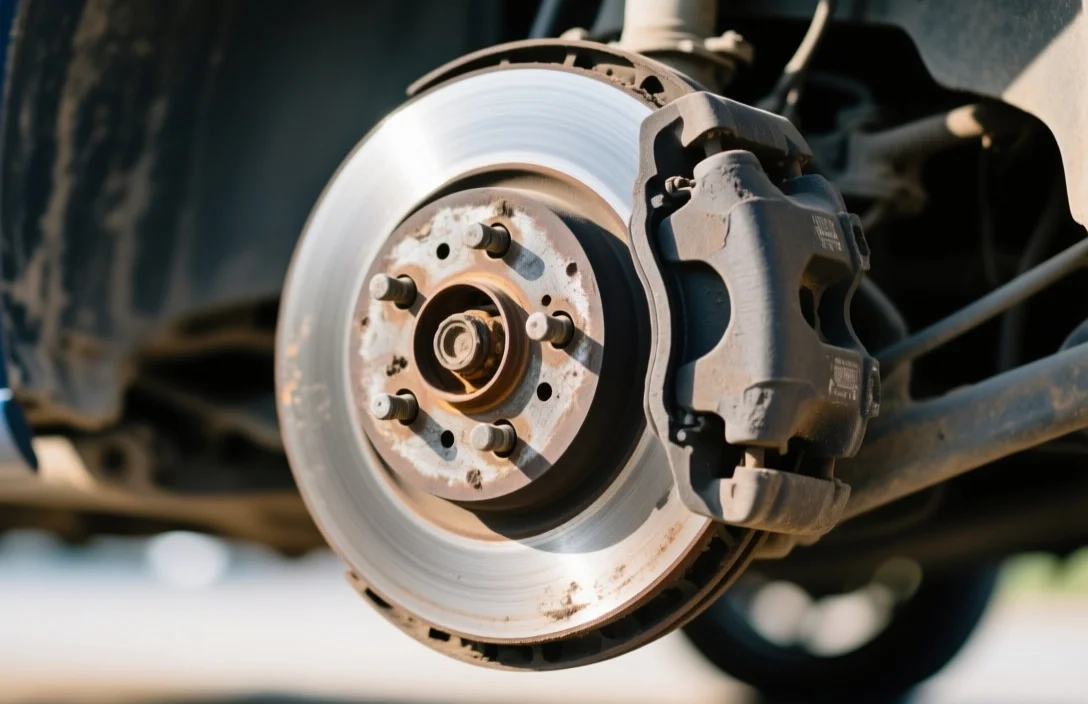
Peering through the wheel well offers the quickest visual confirmation of pad health. New pads display a friction layer at least ½ inch thick; once that visible material shrinks below ¼ inch, replacement is necessary.
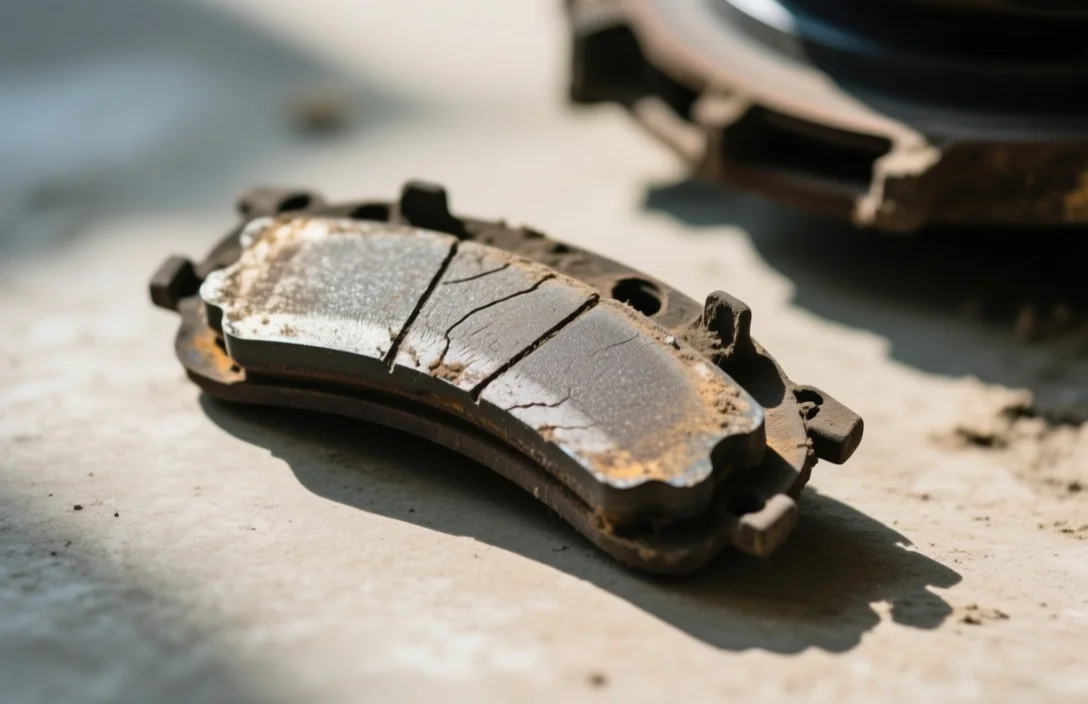
In addition to thickness, the pad’s backing plate may exhibit deep scoring or discoloration from overheating, both of which suggest that the friction material has been compromised. If you see a thin, uneven line of metal exposed on the pad’s surface, that is a clear sign the pad is no longer providing adequate friction.
Visual cues to check:
- Pad thickness less than ¼ inch (≈6 mm) measured at the widest point.
- Visible metal backing exposed or deep scoring on the friction surface.
- Cracks or glazing (shiny, smooth appearance) on the pad material.
Brake Pedal Feel and Response Changes
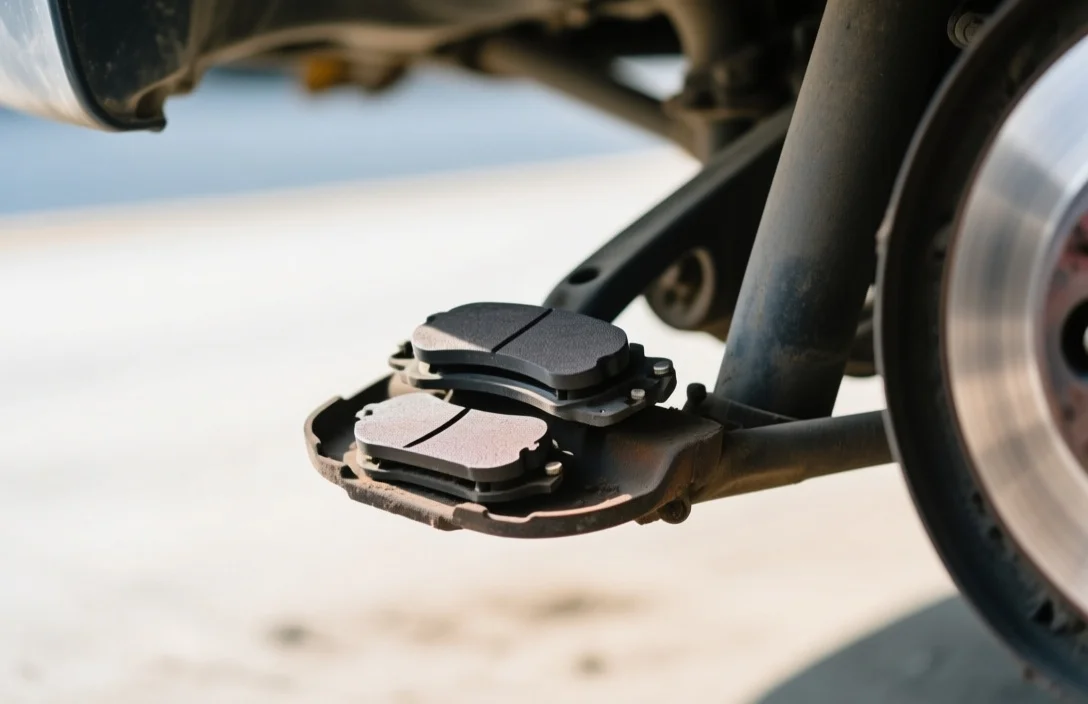
A firm, responsive pedal signals healthy brakes; any deviation points to wear. As pads thin, the caliper must travel farther to generate stopping force, often resulting in longer pedal travel before the vehicle slows.
A spongy or soft pedal may also indicate air trapped in the hydraulic system, a condition that frequently accompanies worn pads as the system compensates for reduced friction. Conversely, a pedal that feels “dead” or requires excessive force can mean the pads are completely gone, leaving only the metal backing to engage the rotors.
Typical pedal symptoms:
- Increased pedal travel before the vehicle responds.
- A soft or “mushy” feeling when the pedal is pressed.
- Need for significantly more force to achieve normal deceleration.
Dashboard Warning Lights for Brake System Failure
Modern vehicles integrate electronic sensors that monitor brake pad pressure, and the dashboard will illuminate a warning light when the system detects abnormal conditions. The most common indicator is a brake‑system warning lamp, often shaped like an exclamation point inside a circle, which flashes when pad pressure drops below a preset threshold.
Another frequent alert is the ABS warning light, which can appear if the anti‑lock braking system detects uneven pad wear or a sensor fault related to pad thickness. These lights are not merely advisory; they signal that the braking system may not perform as expected and should be inspected immediately.
| Warning Light | Typical Trigger | Immediate Action |
|---|---|---|
| Brake‑system lamp | Pad pressure below threshold (often ~3 mm) | Inspect pads and replace if needed |
| ABS indicator | Sensor fault or uneven wear detected | Scan ABS module, check pads on each axle |
| Parking‑brake light | Parking brake engaged or hydraulic issue | Verify parking brake release, check fluid level |
Vehicle Pulling and Shaking During Braking
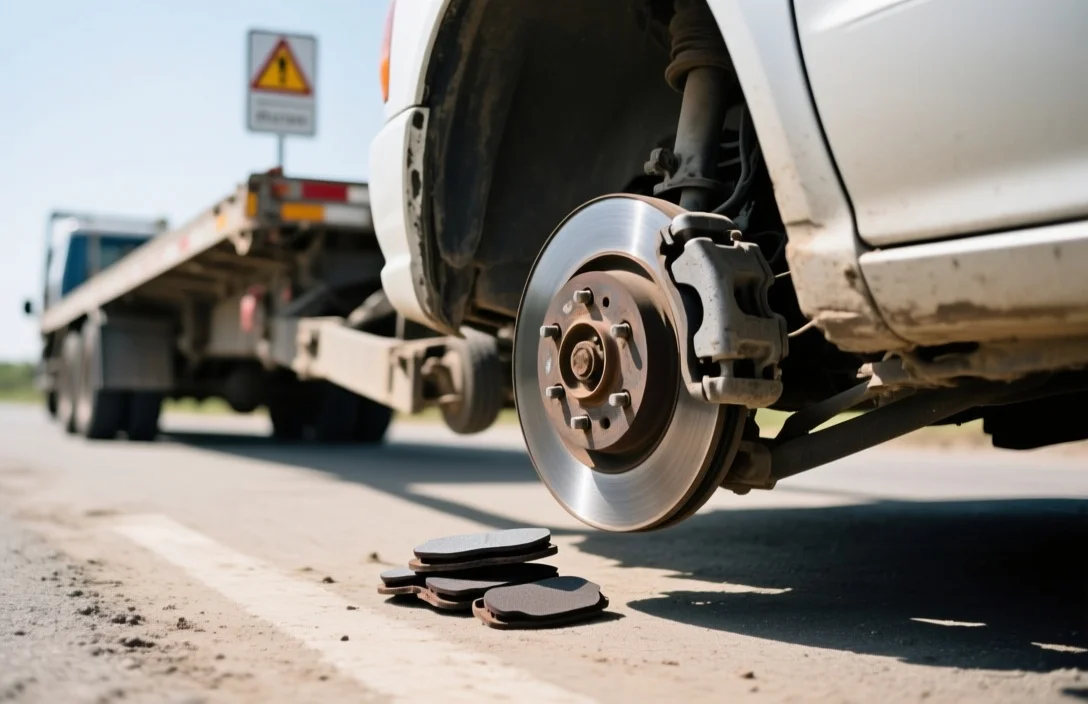
If the car pulls to one side when you press the brake pedal, the pads on that side are likely more worn than their counterpart, creating an imbalance in braking force. This asymmetry can stem from uneven pad wear, a stuck caliper, or a rotor that has become warped due to prolonged overheating.
Shaking or vibration felt through the steering wheel during braking often points to warped rotors, a condition that can develop when pads are allowed to wear down completely and metal contacts the rotor surface. The vibration frequency may increase with speed, indicating that the rotor’s surface is no longer true.
Symptoms to monitor:
- Vehicle drifts left or right when brakes are applied.
- Vibration through the steering wheel or brake pedal.
- Uneven brake pad wear noted during visual inspection.
Measuring Brake Pad Thickness With a Caliper
A digital or dial caliper lets you quantify pad wear precisely. Park on a level surface, remove the wheel, and expose the brake assembly for an unobstructed view of the pad.
Next, place the caliper jaws on the outer edge of the friction material, measuring from the backing plate to the outermost surface of the pad. Record the reading in millimeters; most manufacturers recommend replacement when the thickness falls below 3 mm (approximately 0.12 inch).
Steps to measure pad thickness:
- Secure the vehicle with a jack and remove the wheel.
- Locate the brake pad and identify the backing plate.
- Open the caliper jaws and place them against the pad’s outer edge.
- Read the measurement and compare it to the 3 mm minimum threshold.
- Reinstall the wheel and lower the vehicle after recording the data.
Comparing Brake Pad Wear Across Different Axles
Front and rear brake pads rarely wear at the same rate because the front axle handles the majority of stopping force, typically about 70 % of the total braking effort. As a result, front pads often reach the wear limit sooner than rear pads, especially on vehicles with front‑wheel drive.
Rear pads, however, can wear unevenly due to differences in load distribution or a stuck caliper on one side, leading to the pulling symptoms described earlier. Comparing measurements across axles helps identify whether the wear pattern is normal or indicative of a deeper issue such as a hydraulic imbalance.
| Axle | Typical Wear Percentage | Common Replacement Threshold |
|---|---|---|
| Front | ~70 % of total braking effort | 3 mm (0.12 in) |
| Rear | ~30 % of total braking effort | 3 mm (0.12 in) |
| All‑wheel drive | More balanced, but front still dominant | 3 mm (0.12 in) |
When the front pads are near the threshold while rear pads remain thick, schedule a front‑pad replacement soon and inspect the rear for uneven wear or caliper issues. If both axles show similar thickness, it may indicate a systemic problem such as low brake fluid or a malfunctioning wear‑indicator sensor.
FAQ
How can I tell if my brake pads need replacing without removing the wheels?
Listen for a high‑pitched squeal, check for visible pad thickness under the wheel (less than ¼ inch), and notice any soft pedal feel or dashboard brake‑system warning light.
What is the minimum safe thickness for brake pads?
Most manufacturers set the minimum at 3 mm (about 0.12 inch) of friction material; dropping below this level reduces braking efficiency and risks rotor damage.
Does a grinding noise always mean the pads are completely worn out?
A grinding sound usually indicates that the pads have passed the wear‑indicator stage and metal is contacting the rotor, which often means the pads are fully worn and need immediate replacement.
Why does my car pull to one side when I brake?
Pulling typically results from uneven pad wear or a stuck caliper on one side, creating unequal braking force that steers the vehicle toward the side with more friction.
Is it safe to drive with a flashing brake‑system warning light?
A flashing warning light signals low pad pressure or sensor detection; you should inspect the pads promptly, but a short drive to a safe location or service shop is acceptable if necessary.