
Car pulls, crooked steering wheel, uneven tire wear, vibrations, and squealing in turns.
I’ve spent years helping drivers spot the early signs of bad wheel alignment before it eats tires and harms safety. In this guide, I’ll break down every major clue, why it happens, and how to fix it fast. If you care about safe handling and tire life, stay with me and learn the real signs of bad wheel alignment from an expert’s point of view.

What Is Wheel Alignment and Why It Matters
Wheel alignment sets the angles of your wheels so the car tracks straight and turns true. Techs adjust three main angles: camber, caster, and toe. When these angles drift, the tires scrub the road, and that creates the first signs of bad wheel alignment.
Camber is the tilt of the wheel in or out. Toe is how much the wheels point toward or away from each other. Caster is the tilt of the steering axis that adds stability at speed.
Misalignment raises rolling resistance. It makes steering feel off and hurts fuel use. It also shortens tire life by wearing edges and tread blocks fast. That is why spotting signs of bad wheel alignment early saves money and stress.
Top Signs of Bad Wheel Alignment
If you learn these tells, you can act before real damage sets in. The most common signs of bad wheel alignment show up in the steering wheel, how the car tracks, and on your tires.
Uneven or quick tire wear
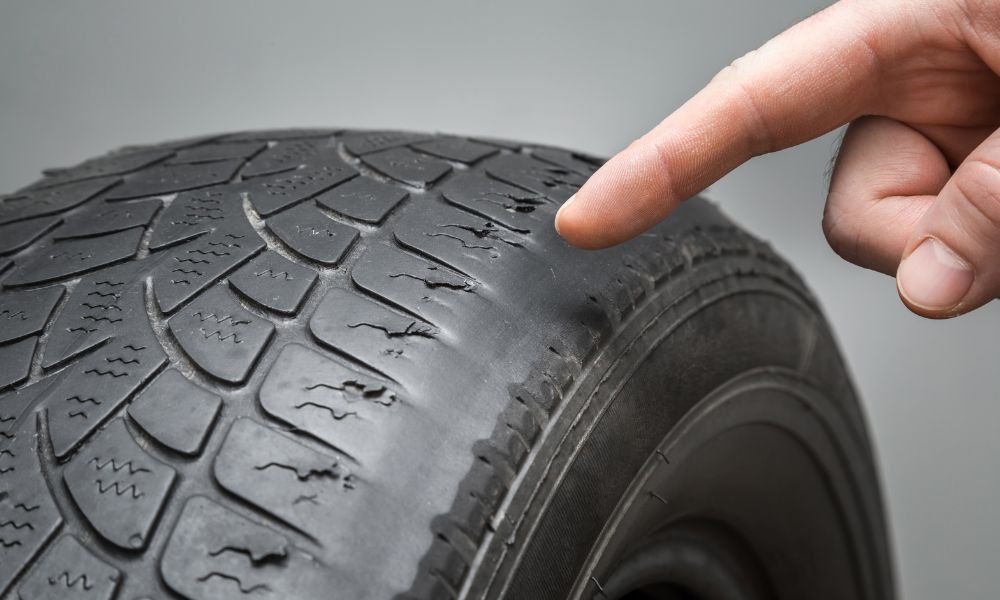
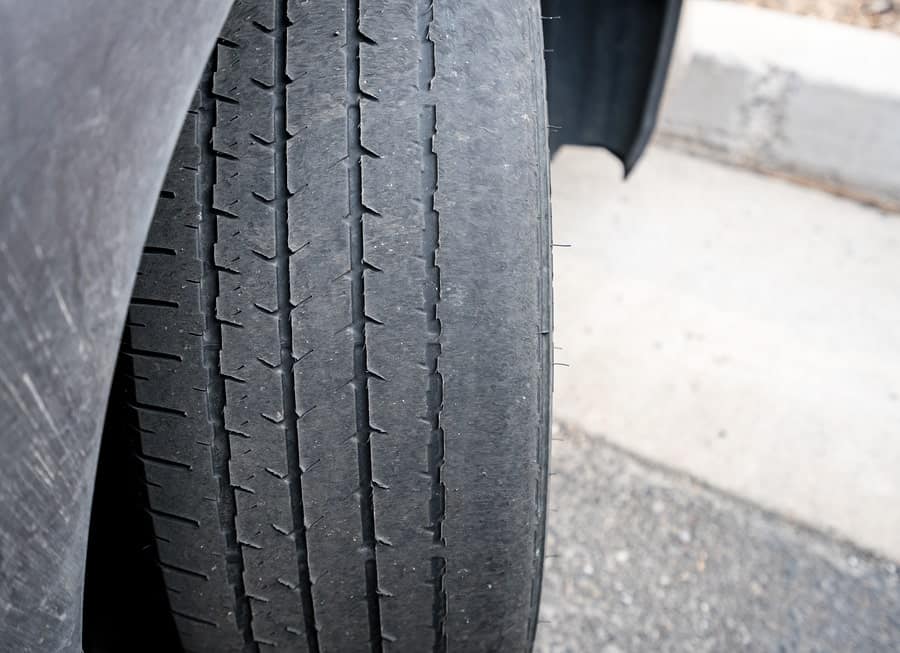
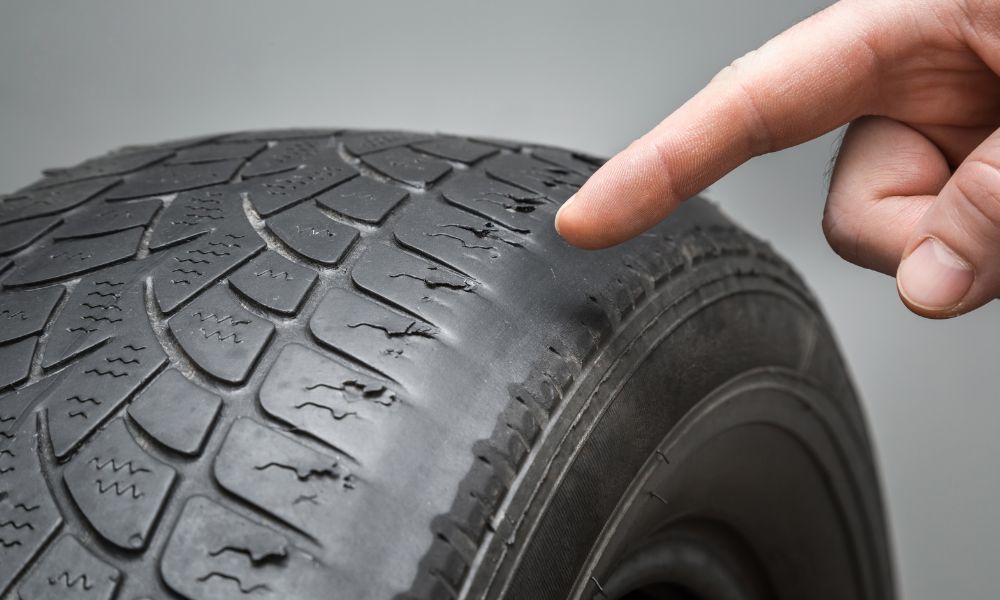
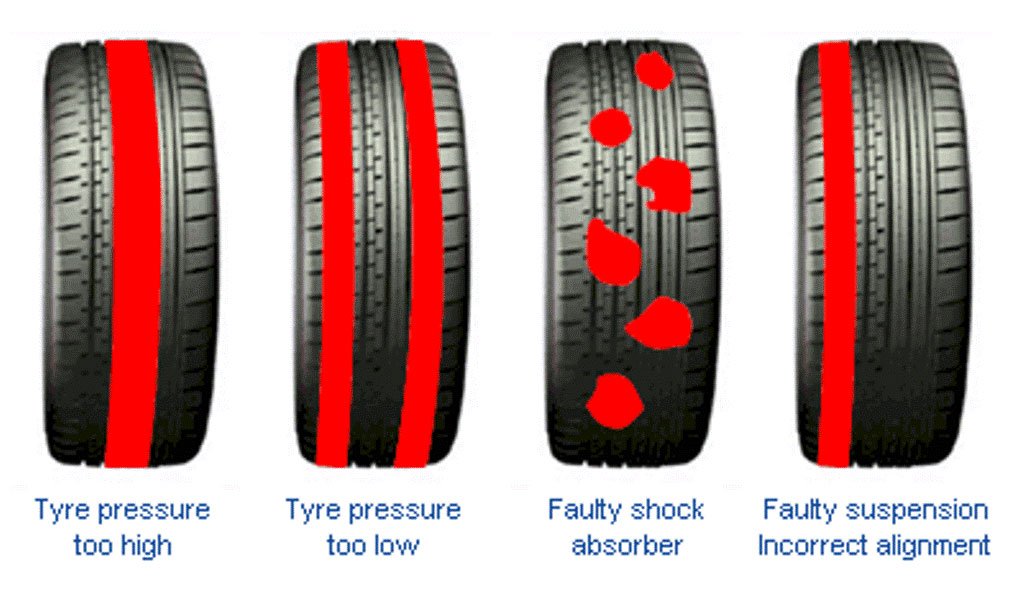
Look for wear on the inner or outer edges. You may see feathering, cupping, or bald strips. This is one of the clearest signs of bad wheel alignment because the tread is being dragged, not rolled.
Tip from the bay: I once checked a commuter sedan with fine tread up top but cords showing on the inner edge. One week later it would have been a tow. A quick alignment and rotation saved the owner two new tires.
Car pulls left or right
On a flat road, relax your hands. If the car drifts, you may have toe or camber out of spec. A steady pull is among the top signs of bad wheel alignment, though a stuck brake caliper can also mimic it.
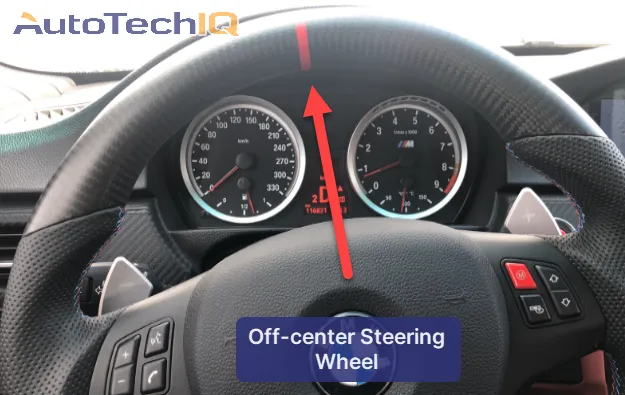
Steering wheel off-center
If the logo is not level while you go straight, toe or thrust angle is likely off. After a proper four-wheel alignment, the wheel should sit dead straight.
Vibration in the steering wheel
Vibration at certain speeds can mean tire balance. But alignment can add a shake when worn edges slap the road. Check for cupping or feathering if you feel a buzz and see other signs of bad wheel alignment.
Squealing tires in slow turns
Low-speed turns should be quiet. A squeal points to scrub from bad toe or camber. It is a small noise with a big hint.
Loose or wandering steering
If the car feels floaty and needs constant small fixes, alignment may be off. Worn tie rod ends or control arm bushings can add to this feel too.
Poor straight-line stability
You should not fight the lane. If wind-free roads still feel twitchy, have the angles checked. This trait often shows up with other signs of bad wheel alignment.
Causes of Wheel Misalignment
Most cars do not go out of alignment by chance. There is a reason behind the signs of bad wheel alignment you see.
- Potholes and curbs: A sharp hit can bend a rim or shift a strut.
- Speed humps and rough roads: Repeated shocks wear bushings and ball joints.
- Suspension work: New struts, springs, or tie rods change angles and need a reset.
- Body repairs: A subframe shift will change the thrust angle.
- Aftermarket wheels or lift/level kits: Ride height changes camber and toe.
- Heavy loads and towing: Added weight changes ride height and angles over time.
If your roads are rough or you park by bumping curbs, check alignment more often. That is how you stay ahead of the signs of bad wheel alignment.

How to Diagnose at Home Safely
You can spot early signs of bad wheel alignment without tools. Keep it simple and safe.
- Flat-road test: On a calm, flat road, hold the wheel light. Note any steady pull or twitch.
- Steering wheel check: Is the wheel centered when you go straight? If not, note how far it is off.
- Tire inspection: Run a hand over the tread. Feathering feels like saw teeth. Check inner and outer edges with a flashlight.
- Chalk or string check: Mark the tire tread and roll the car a few feet. Uneven scuff can hint at toe out.
- Driveway camber peek: Stand back and look at the wheel tilt. If one leans in more, get a shop check.
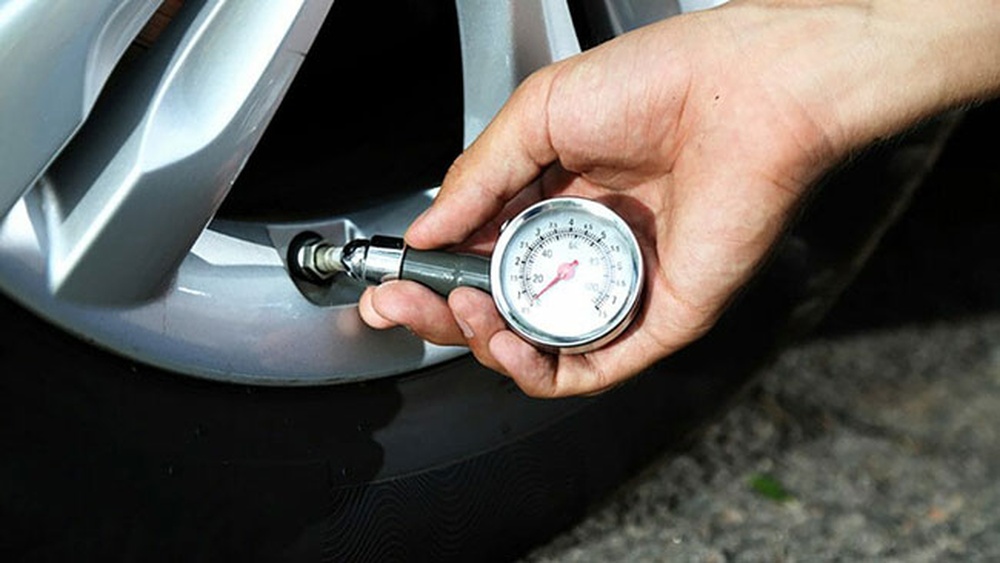
- Rule out basics: Set tire pressures to the door placard. A low tire can fake some signs of bad wheel alignment.
Never loosen suspension bolts at home. Alignment racks with lasers or cameras are the right tools for final checks.
Risks of Ignoring Misalignment
Ignoring signs of bad wheel alignment costs more than tires. It hurts safety and comfort too.
- Reduced tire life: Edge wear can ruin a set long before the tread depth is done.
- Longer stops: Small contact patches from bad camber lower grip in wet or panic stops.
- Poor fuel economy: Scrub adds drag. You pay for it at the pump.
- ADAS issues: Lane-keep and steering angle sensors assume the car tracks straight. Misalignment can confuse them.
- Stress on parts: Tie rods, bushings, and bearings take extra load and wear out early.
I have seen fresh tires die in a few thousand miles due to severe toe out. Catch the signs of bad wheel alignment early and you will avoid that bill.

How Pros Fix Alignment (What to Expect in a Shop)
A full alignment sets all four wheels to factory spec. Here is what a solid visit looks like.
- Inspection: Tech checks tire wear, wheel play, and bent parts first.
- Mounting targets: Sensors go on each wheel. The car sits level on an alignment rack.
- Readings: The system shows camber, caster, toe, and thrust angle in real time.
- Adjustments: Toe comes from tie rods. Camber and caster adjust at struts, arms, or subframe slots where designed.
- Steering angle sensor reset: Modern cars need this after the wheel is centered.
- Printout: Ask for before-and-after specs. Keep it with your records.
A proper four-wheel alignment takes 45 to 90 minutes if no parts are seized. You should leave with a straight wheel, even tracking, and no lingering signs of bad wheel alignment.
Prevention and Maintenance Tips
You can stop most signs of bad wheel alignment with simple habits.
- Rotate tires every 5,000 to 7,500 miles or as the maker says.
- Set tire pressures monthly and before trips.
- Slow for potholes and take speed humps at an angle.
- Align after new tires, suspension parts, or a curb strike.
- Inspect suspension yearly for loose bushings and joints.
- Keep loads even. A sagging rear can change front angles.
Do a quick tire and steering check at every fuel fill. Small steps keep the signs of bad wheel alignment away.
Cost, Time, and When to Align
Most shops charge between $80 and $200 for a four-wheel alignment, based on vehicle type and region. Expect more if parts are seized or if cams need kits.
Book an alignment when you see any signs of bad wheel alignment. Also align after new tires, major pothole hits, or suspension work. As a rule, check at least once a year or every 12,000 miles, even if you see no signs of bad wheel alignment yet.

Frequently Asked Questions
What are the first signs of bad wheel alignment?
Uneven tire wear and a steering wheel that sits off-center are early clues. A steady pull on a flat road is another common hint.
Can bad alignment cause vibration?
Yes, worn or feathered tread from misalignment can add a shake. But pure vibration at one speed often points to balance, so check both.
How often should I get an alignment?
Do it yearly or every 12,000 miles. Go sooner if you hit a curb, see uneven wear, or notice signs of bad wheel alignment.
Do I need a two-wheel or four-wheel alignment?
Most modern cars need four-wheel alignment to set the thrust angle and toe. Trucks with solid rear axles may only need front, but four-wheel checks still help.
Will a new alignment fix my pull right away?
If angles were the cause, yes. If a tire is damaged or a brake is dragging, the pull may remain until that is fixed.
Is alignment needed after new tires?
Yes. Aligning protects the new set and keeps the wheel centered. It also prevents old wear patterns from printing onto fresh rubber.
Can I drive with bad alignment?
You can, but it is not smart. You risk fast tire wear, poor control, and longer stops.
Conclusion
You now know the classic signs of bad wheel alignment and why they matter. Watch for uneven wear, a crooked wheel, a steady pull, and odd tire sounds. Act early, and you save tires, fuel, and time while keeping your car safe and calm on the road.
Do a quick driveway check this week, book an alignment if needed, and keep notes of your results. If you found this helpful, share it with a friend, subscribe for more smart car care tips, or drop your questions in the comments.