

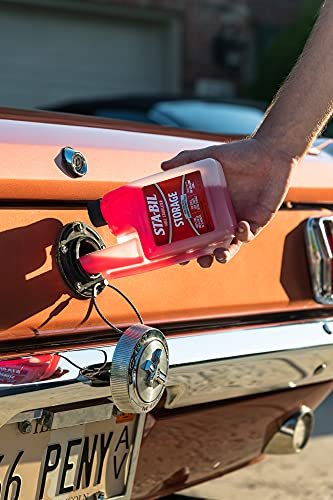
STA-BIL Storage is my top pick for most small engines, year-round.
You know the drill. The lawn mower sputters after winter. The generator coughs during a storm. The snow blower refuses to start on the first cold day. Old gas is almost always the culprit. Ethanol blends attract water and form gum. Carb needles stick. Starting turns into a chore. The right stabilizer fixes this. I’ve spent years testing and comparing. In this guide, I’ll help you pick the best fuel stabilizer for small engines so your tools fire up fast and run clean every time.
STA-BIL Storage Stabilizer 16 oz

This is the classic red-bottle formula most people picture. I keep the 16 oz size in my garage because it is easy to store and dose. It is made for gasoline small engines. Think lawn mowers, generators, trimmers, chainsaws, and snow blowers. It helps stop oxidation, gum, and varnish. That means fast starts after months of rest.
I like this bottle for seasonal yard tools. The cap seals well. The dosing is clear and simple. It mixes fast in E10 pump gas. Add it before you fill the tank, run the engine a few minutes, and you are set for storage. I have pulled mowers out after winter. They fired in one or two pulls. That is the power of a proven stabilizer.
Pros:
- Trusted formula that keeps gas fresh during storage
- Great for carbureted and fuel-injected small engines
- Helps prevent gum, varnish, and hard starts
- Easy to measure; no mess when dosing
- Works with ethanol blends common at the pump
Cons:
- Not a deep cleaner for severe deposits
- Smaller bottle may run out fast for big fuel cans
- Some users expect instant fixes on stale gas; it cannot restore badly spoiled fuel
My Recommendation
If you want the best fuel stabilizer for small engines for typical home use, start here. It suits most people who store gas tools over winter. It shines with lawn mowers, portable generators, and two-stroke gear. It prevents the most common fuel issues and supports easy spring starts. I trust it for my mower and inverter generator every season.
| Best for | Why |
|---|---|
| Seasonal yard tools | Simple dosing and strong storage protection |
| Portable generators | Keeps gas fresh so power is ready in storms |
| Everyday E10 pump gas | Formulated to fight ethanol-related gum and rust |
STA-BIL Storage Stabilizer 8 oz, 12-Pack
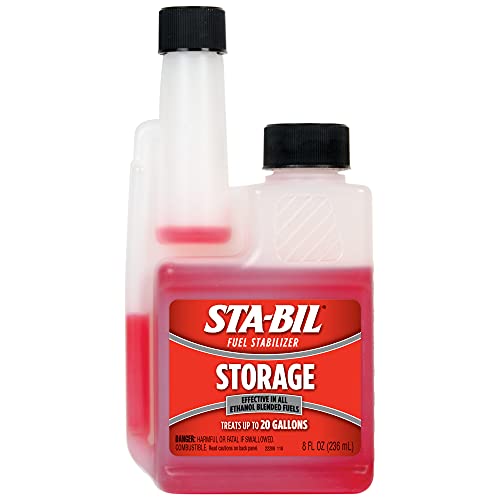
This bulk 12-pack is smart for shops, landlords, or heavy users. The 8 oz bottle size is easy to carry and pour. If you maintain many small engines, you will save time. Keep a bottle in each tool cabinet or truck. You will not hunt for your stabilizer when you need it.
The formula is the same proven storage blend. It helps keep fuel stable and parts clean. You can treat cans and tanks before a long off-season. I like this pack for HOAs and small engine repair pros. It is also great for families with many tools. It helps you build a simple, repeatable routine.
Pros:
- Bulk value for fleets, shops, and property teams
- Convenient size for on-the-go dosing
- Reduces risk of varnish in carb bowls and jets
- Consistent results across many engine types
- Helps engines start fast after months of rest
Cons:
- Higher upfront cost than a single bottle
- Extra storage space needed for the 12-pack
- Not a repair in a bottle for neglected engines
My Recommendation
Choose this 12-pack if you manage many tools. It is the best fuel stabilizer for small engines when you need consistency and supply on hand. You can set a schedule and stick to it. Each bottle covers many gallons, and the workflow stays clean and fast. Bulk packs cut costs and downtime.
| Best for | Why |
|---|---|
| Shops and maintenance crews | Bulk stock ensures every tool is treated |
| Landlords and property managers | Many engines across sites need steady care |
| Families with lots of tools | Keep a bottle where each tool lives |
STA-BIL Storage Stabilizer 32 oz

This 32 oz bottle is ideal if you treat large fuel cans. I use it to dose 5-gallon and 6-gallon containers. It is easier to measure larger volumes with fewer pours. The same reliable storage protection applies. It guards against oxidation and keeps carbs and injectors cleaner.
If you own a whole set of gas tools, go bigger. The cost per ounce is often better. You cut down on reorders and half-used bottles. Add it to the can, fill with fresh gas, and label the date. That simple habit prevents bad fuel surprises and keeps engines running strong all year.
Pros:
- Great value per ounce for frequent users
- Perfect for treating large gas cans
- Helps engines start on the first pull after storage
- Stable formula for E10 fuel common in the U.S.
- Backed by decades of user trust
Cons:
- Big bottle takes more shelf space
- Over-pouring risk if you rush dosing
- Not a fix for severely corroded fuel systems
My Recommendation
Pick the 32 oz if you maintain many cans or gear. It is the best fuel stabilizer for small engines when you have several mowers, blowers, and a generator. It simplifies your routine. It builds a cushion for busy seasons. With fresh, treated fuel on hand, you avoid most start and surge issues.
| Best for | Why |
|---|---|
| Large gas cans | Economical and easy to dose for bulk fuel |
| Homeowners with many tools | One bottle supports a full season |
| Preppers and storm readiness | Keep a stable fuel reserve for emergencies |
STA-BIL Fast Fix Treatment 8 oz

Fast Fix is a different tool in your kit. It is a treatment that targets rough running and hard starts in small engines. It helps clean light deposits in jets, needles, and injectors. It also handles water in the fuel system. If your mower surges or stalls, this is a smart first step.
I have used Fast Fix on a trimmer that sat with old gas. After a fresh fill and a short run, the idle steadied. The engine felt crisper. It is not magic for severe neglect, but it helps. Use it as a recovery move. Then switch to a storage stabilizer so the problem does not return.
Pros:
- Targets light deposits that cause surging and stalling
- Helps with water in gas, a common ethanol issue
- Good first step before taking a carb apart
- Works in both two- and four-stroke engines
- Simple add-to-tank use with fresh fuel
Cons:
- Not a heavy-duty cleaner for severe varnish
- Results depend on how bad the fuel and deposits are
- Not designed for long-term storage by itself
My Recommendation
Grab Fast Fix if an engine runs rough after sitting. It is the best fuel stabilizer for small engines when you need quick help and a light clean in one bottle. Use it to stabilize and clean. Then keep using a storage stabilizer to prevent new deposits. It can save you a teardown when issues are mild.
| Best for | Why |
|---|---|
| Engines that surge or stall | Light cleaning agents smooth idle and throttle |
| Recovering after bad gas | Helps address moisture and mild gum |
| Quick tune-up aid | Easy add-to-tank fix before major work |
STA-BIL 360 Marine Treatment 32 oz
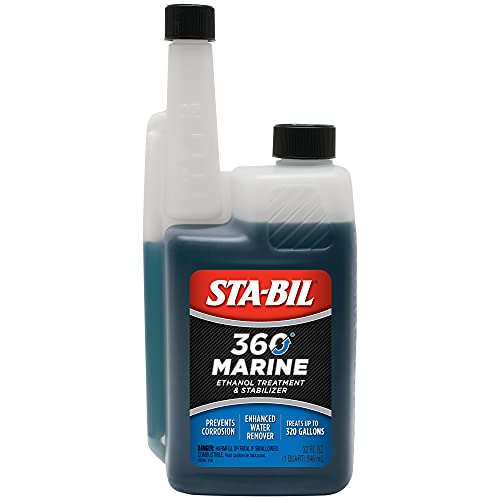
Marine-grade fuel treatment brings extra corrosion protection. That matters near water, humidity, and salt air. The “360” name points to vapor-phase protection above the fuel line. Corrosion can start there on exposed steel and alloys. This formula helps guard both the liquid and vapor space.
I recommend 360 Marine if you run small engines by the coast or on a lake. It is also great for ethanol gas that sits in hot sheds. I have seen fewer rusted bowls and stuck floats when I use it. It is a smart pick for outboards, but also for generators, mowers, and ATVs in damp zones. It adds a safety net where normal storage conditions are tough.
Pros:
- Enhanced corrosion inhibitors for damp or salty air
- Vapor-phase “360” protection above the fuel line
- Helps fight ethanol-related moisture and phase issues
- Good for seasonal storage and everyday protection
- Works across small engines, not only boats
Cons:
- Costs more than standard storage stabilizers
- Overkill if you live in a dry inland climate
- Not a heavy cleaner for thick varnish
My Recommendation
This is my go-to in wet or coastal areas. It can be the best fuel stabilizer for small engines when humidity is high and rust risk grows. If your shed sweats in summer, pick the marine blend. Your small engines will thank you with smoother starts and cleaner internals.
| Best for | Why |
|---|---|
| Coastal and lakeside users | Extra corrosion protection in humid, salty air |
| Hot sheds and boathouses | Vapor-phase defense above the fuel line |
| Seasonal storage with ethanol gas | Helps reduce moisture issues and phase risk |
How I choose the best fuel stabilizer for small engines
I test the basics first. I look for easy starts after storage. I check idle quality and throttle pickup. I note how the engine behaves in the first five minutes. If it surges or stalls, the stabilizer did not do enough.
I also look inside. I pull carbs and inspect bowls and jets during annual service. I watch for gum, film, and rust. I check float operation. A good stabilizer slows all that down. I keep notes by date, fuel source, and dose. Clear notes drive clear picks.
Fit for use matters. Most people store small engines for months. A storage formula makes sense. If the engine already runs rough, I try a cleaner blend like Fast Fix first. In damp areas, I pick the marine formula for added corrosion protection. That is how I tailor the best fuel stabilizer for small engines to the user and the climate.
How to use a fuel stabilizer the right way
Start with fresh gas. A stabilizer cannot revive fuel that is already bad. Add the dose to your can, then fill with gas to mix it well. Label the can with the date and product used. That simple step helps you track freshness.
Run the engine for a few minutes after filling the treated fuel. This pulls stabilized fuel into the carb, pump, and lines. Top off the tank to reduce air space where moisture can form. Store the tool in a cool, dry place. Close the vent if your tank has one.
For long storage, shut off the fuel valve and run the engine until it stalls. Not all small engines have a valve, but use it if you do. This helps clear the bowl. Many modern users also keep tanks full with stabilized gas to stop rust. Both methods can work if you use quality fuel and the best fuel stabilizer for small engines.
Signs your fuel needs help
Hard starts and many pulls are the first clue. Surging at idle is next. A sweet, varnish smell from the tank is a big red flag. You may also see dark fuel or small flakes.
If the engine only runs on choke, the idle jet may be clogged. A cleaner like Fast Fix could help. If the problem is severe, the carb may need a strip and soak. But most people can avoid this with fresh gas and a good stabilizer plan.
Common myths about stabilizers
Myth one: stabilizers fix all bad gas. They do not. They slow the bad changes in fresh fuel. They cannot rebuild fuel that has broken down. Myth two: you can skip stabilizer if you start the engine now and then. Short, rare starts can make things worse. You add water and leave new fuel half-treated.
Myth three: all stabilizers are the same. They are not. Storage blends, cleaners, and marine blends have different jobs. Pick the best fuel stabilizer for small engines based on need. Use it the right way. Your results will show it.
FAQs Of best fuel stabilizer for small engines
How often should I use a fuel stabilizer?
Use it every time you fill a storage can or before seasonal downtime. For small engines that sit, dose fresh gas right away.
Can I mix different fuel stabilizers?
I do not mix brands or types. Use one product per tank. If you need cleaning, run a cleaner first, then use a storage stabilizer on fresh gas.
Does stabilizer work with ethanol gas?
Yes. The best fuel stabilizer for small engines is designed for E10. It helps reduce moisture and gum that come with ethanol blends.
Will a stabilizer fix stale fuel?
No. It slows breakdown in fresh gas. If fuel smells sour or looks dark, replace it. Then treat new fuel at once.
Is marine stabilizer only for boats?
No. Marine formulas add corrosion protection. They work well for generators, mowers, and ATVs in humid or coastal areas.
Final Verdict: Which Should You Buy?
STA-BIL Storage (16 oz or 32 oz) is the best fuel stabilizer for small engines for most people. It is simple, proven, and keeps gas fresh for easy starts.
If you face humidity, pick STA-BIL 360 Marine. If an engine runs rough now, add Fast Fix first. Treat fresh fuel, label cans, and enjoy fast starts and clean running.