
Tire balancing reduces vibration; wheel alignment sets angles for straight, even wear.
You care about a smooth ride and long tire life. So let’s settle tire balancing vs wheel alignment the right way. I’ve spent years diagnosing shakes, pulls, and odd wear. Below, I’ll explain tire balancing vs wheel alignment with clear signs, simple tests, costs, timing, and pro tips you can use today.
Understanding tire balancing vs wheel alignment
Tire balancing fixes shake. It evens out heavy spots in a wheel and tire. Small weights offset the imbalance so the assembly spins true.
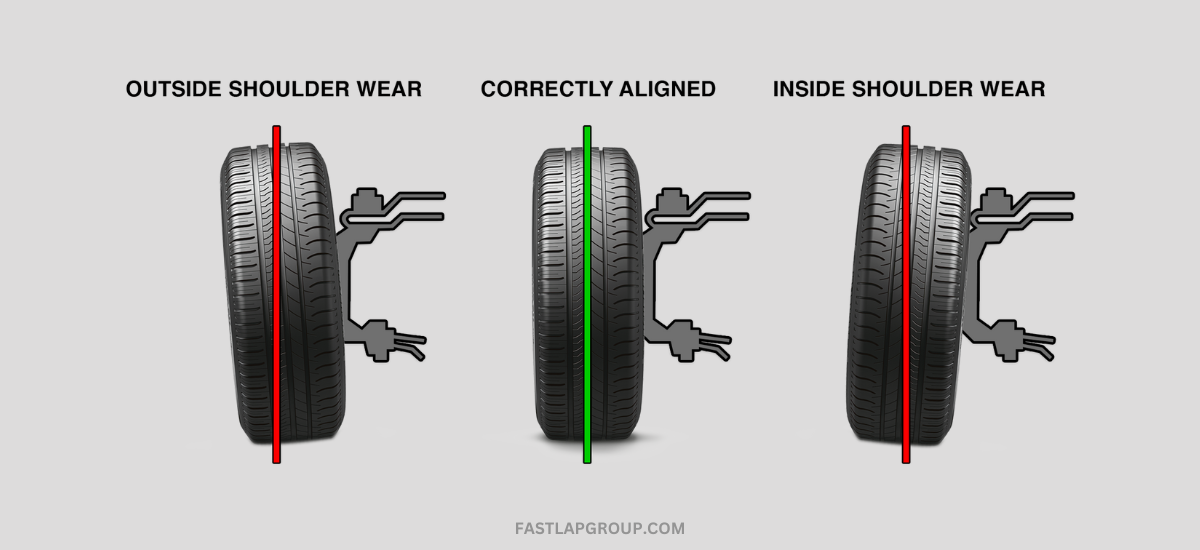
Wheel alignment sets angles so your tires point straight and meet the road flat. It adjusts toe, camber, and sometimes caster. Proper alignment keeps the car tracking straight and your steering wheel centered.
Think of balancing like tuning a fan blade so it spins smooth. Alignment is like setting the legs of a table so it sits flat.
Key differences you will feel:
- Balancing addresses vibration that changes with speed.
- Alignment addresses pulling, crooked steering wheel, and uneven edge wear.
When people compare tire balancing vs wheel alignment, they often need both. New tires are balanced at install. Alignment protects that investment.

How each service works
Tire balancing
- The wheel and tire go on a spin balancer.
- The machine reads where weight is needed.
- The tech adds clip-on or stick-on weights.
- Results are shown in ounces or grams. The goal is near zero.
Road force balancing is a premium step. It simulates load with a roller to find stiff spots in the tire. It can solve tough, high-speed shakes.
Wheel alignment
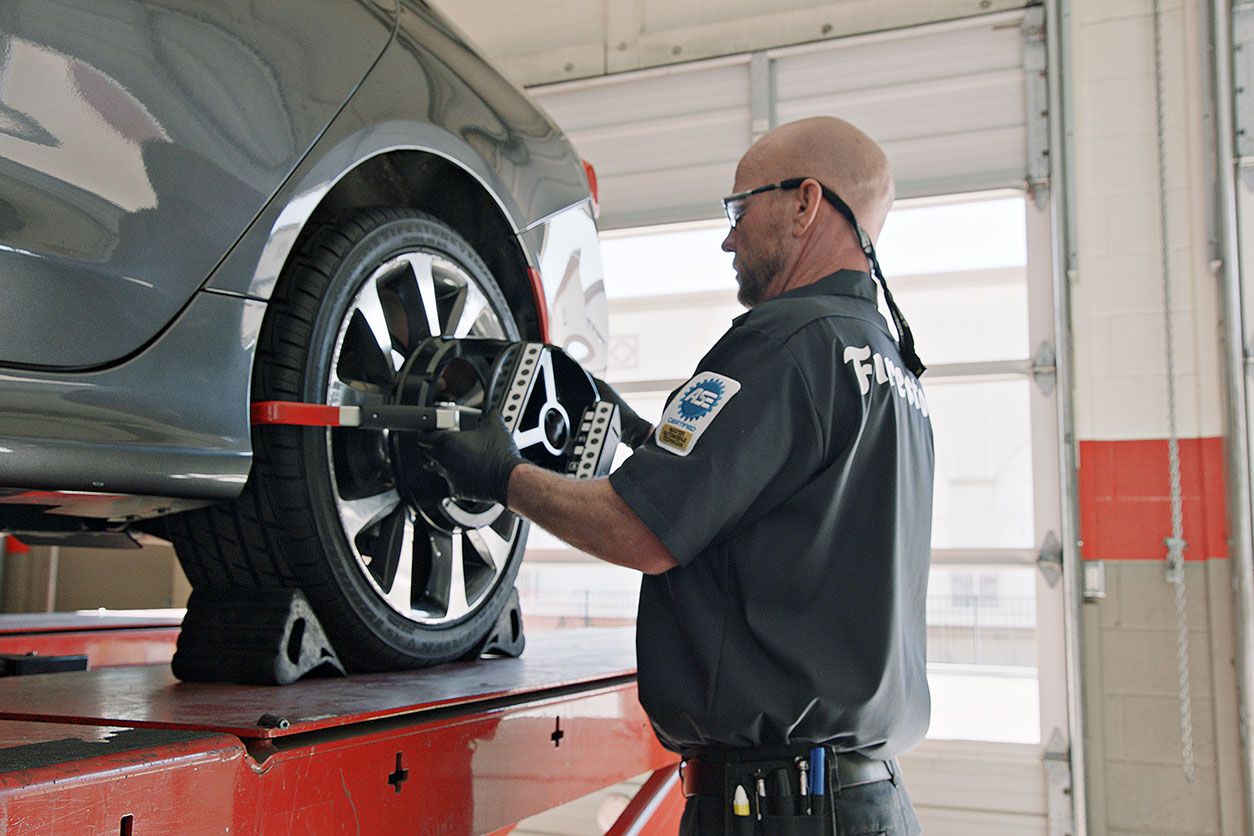
- The car goes on an alignment rack.
- Sensors or cameras read wheel angles.
- The tech adjusts tie rods for toe, and sometimes camber and caster.
- You get a before-and-after printout with green specs when done right.
If you are sorting tire balancing vs wheel alignment, know that balancing uses weights. Alignment uses chassis adjustments.

Symptoms and quick checks
Likely needs balancing
- Steering wheel shakes between 50 and 70 mph.
- Vibration comes and goes with speed.
- Seats or floor buzz at highway speeds.
Simple check: Drive at 60 mph on smooth pavement. If the wheel shudders and then smooths out above or below that speed, suspect balance.
Likely needs alignment
- Car pulls left or right on a level road.
- Steering wheel is off-center when driving straight.
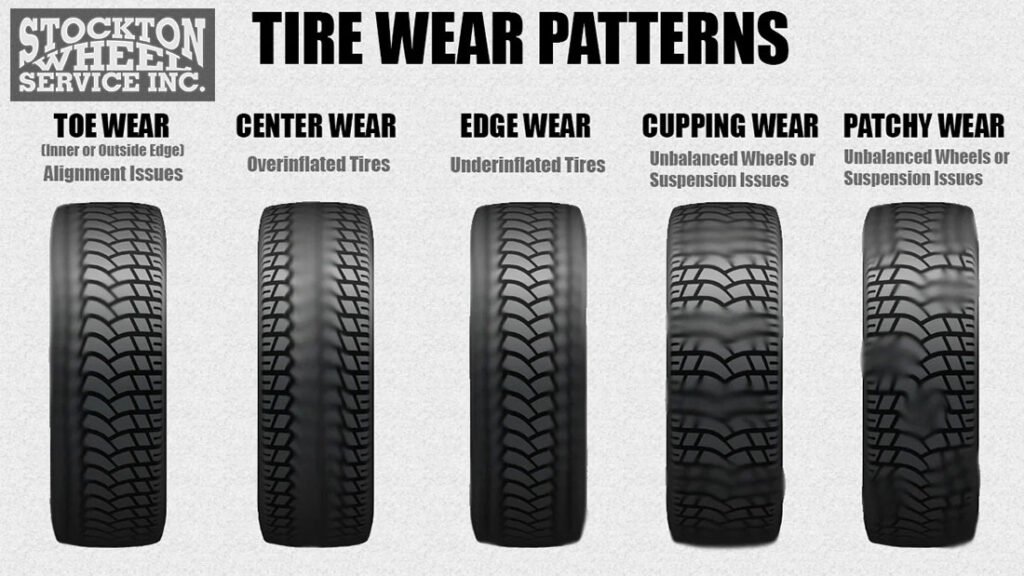
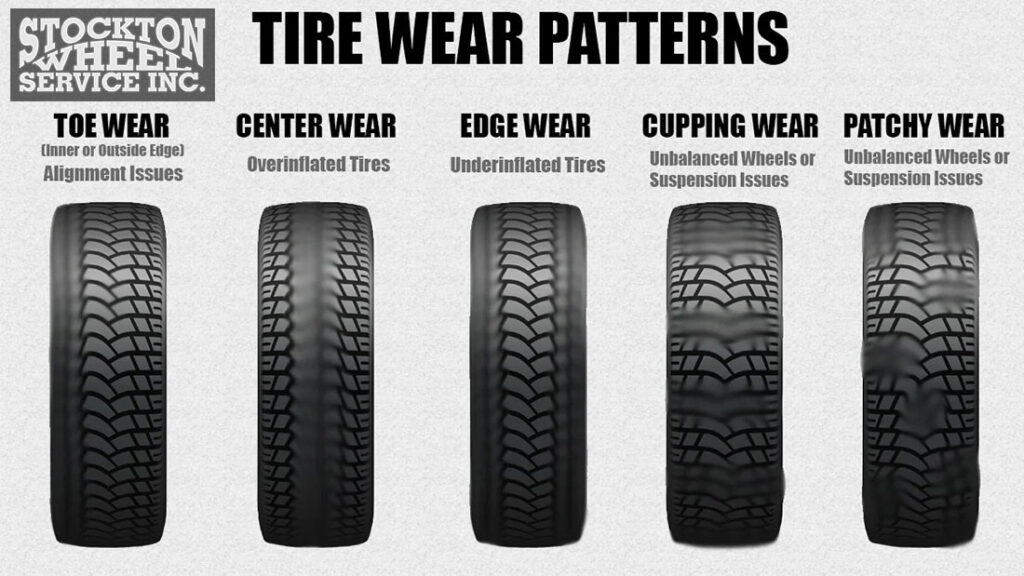
- Inner or outer shoulder of tires wears faster.
Simple check: On a flat, empty lot, ease off the wheel. If the car drifts fast to one side, or the wheel is not level, book an alignment.
If you are still unsure about tire balancing vs wheel alignment, look at the tread. Feathering or one-sided wear points to alignment. Cup marks or scallops often point to shock issues, but rebalancing can still help.

Benefits, risks, and limitations
Balancing benefits:
- Smooth ride and less driver fatigue.
- Less stress on shocks, struts, and bushings.
- Protects tire belts from heat and damage.
Limits of balancing:
- It will not fix a bent wheel or a tire with a broken belt.
- It will not fix a car that pulls or drifts.
Alignment benefits:
- Straight tracking and even tire wear.
- Better braking stability and steering feel.
- Helps advanced driver aids work as designed.
Limits of alignment:
- It cannot fix a tire vibration caused by imbalance or a bent rim.
- Some cars have limited camber or caster adjustability without extra parts.
When you weigh tire balancing vs wheel alignment, remember they solve different problems. Many cars need both after a pothole hit or new tires.
Service intervals, timing, and cost
When to balance:
- With every new tire install.
- After a tire repair or rotation.
- If you feel a new vibration.
- Every 5,000 to 7,500 miles is a safe rhythm for sensitive vehicles.
When to align:
- When you install new tires.
- After a curb or pothole impact.
- If the wheel is off-center or the car pulls.
- At least once a year, or twice if roads are rough.
Typical costs in the US:
- Balancing: about 15 to 30 dollars per tire, more for road force.
- Four-wheel alignment: about 100 to 200 dollars, more for performance cars or trucks.
Tire balancing vs wheel alignment is not either-or when timing changes. Pair balancing with rotations. Check alignment yearly or with any handling change.

Real-world lessons from the shop
I once chased a highway shake on a crossover that had brand-new tires. Standard balancing helped, but the wheel still buzzed at 72 mph. Road force balancing found one tire with a stiff spot. We matched that spot to the light point on the wheel. The shake vanished.
Common mistakes to avoid:
- Chasing a pull with balancing. If it pulls, think alignment first.
- Ignoring bent wheels. No amount of weight will fix a flat spot.
- Skipping the test drive. Always verify at the speeds where the issue shows.
Pro tips you can use:
- Ask for a balancing printout if the shop has it.
- Mark wheel positions at rotations. Changes help you track a new shake.
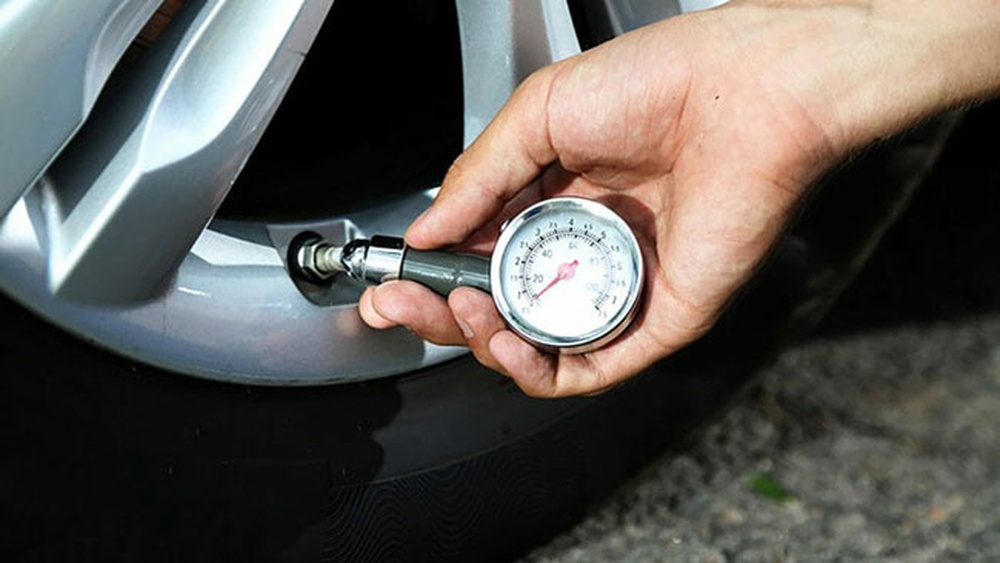
- Keep tires at the door sticker pressure before any alignment.
These habits make tire balancing vs wheel alignment easier to diagnose and fix on the first try.
How tire balancing vs wheel alignment affects wear, comfort, and fuel use
Ride comfort: Balancing reduces steering shake and seat buzz. You feel calmer on long drives. Alignment makes the car track straight with less steering correction.
Tire wear: Correct alignment spreads load across the full tread. That slows down shoulder scrub and feathering. Consistent balancing prevents heat spots that lead to early belt wear.
Fuel use: Proper alignment lowers drag from tires that scrub. The gain is modest but real over time. Good balance also reduces rolling losses from bouncing.
For most drivers, the smart play in tire balancing vs wheel alignment is to do both with new tires, then maintain on a schedule.
Choosing the right shop and questions to ask
Pick a shop that is clean, busy, and transparent. Ask for an alignment printout and a road test.
Smart questions:
- How often is your balancer and alignment rack calibrated?
- Do you offer road force balancing for tough vibrations?
- Will I get a before-and-after alignment report?
- Can you check wheels for bends and tires for out-of-round?
- Do you torque lug nuts to spec and recheck after a few miles?
If the team can explain tire balancing vs wheel alignment in plain words, you are in good hands.
Common myths about tire balancing vs wheel alignment
- Myth: If the car pulls, it needs balancing. Fact: Pulls are alignment, tires, or brakes, not balance.
- Myth: New tires never need balancing. Fact: Every new tire needs balancing. Manufacturing tolerances vary.
- Myth: Alignment is set for life. Fact: Potholes, curbs, and worn parts push angles out of spec.
- Myth: You can eyeball alignment. Fact: Modern cars need precise measurements for safety systems.
- Myth: Adding more weights always fixes shake. Fact: Bent wheels or damaged tires will still shake.
Use these truths to decide on tire balancing vs wheel alignment with confidence.
Frequently Asked Questions of tire balancing vs wheel alignment
Do I need alignment or balancing first?
If you feel a vibration, start with balancing. If the car pulls, the wheel is crooked, or the edges wear fast, start with alignment.
How long does each service take?
Balancing takes about 15 minutes per tire. A full alignment takes 45 to 90 minutes, depending on the car and seized bolts.
Can bad alignment cause vibration?
Mildly. Alignment can add a shake by scrubbing the tires, but pure high-speed vibration is usually balance or a bent wheel.
How often should I check alignment?
Check it yearly, or any time you hit a big pothole, see uneven wear, or install new tires. Frequent highway drivers may benefit from checks twice a year.
Is road force balancing worth it?
Yes, when standard balancing fails or you have a stubborn highway shake. It can pinpoint stiff spots and improve ride on sensitive vehicles.
Will rotating tires fix a vibration?
Rotation can move the vibration but rarely fixes it. If the shake follows a tire, that tire needs rebalancing or inspection.
Do all cars need four-wheel alignment?
Most modern cars do. Some pickups with solid rear axles only adjust the front, but the rear still needs to be measured.
Conclusion
Tire balancing vs wheel alignment are different jobs that work best together. Balancing cures speed-based shake. Alignment keeps the car straight and tires wearing even. Use symptoms to choose the next step, then keep both on a steady schedule.
Act now. If you feel a shake, book a balance. If the wheel is crooked or the car drifts, book an alignment. Want more tips like this? Subscribe, share your experience in the comments, and keep your car rolling smooth.