

The best engine flush is safe, fast-acting, and leaves oil passages clean.
You hear a faint tick at idle. The oil looks dark again, even after a fresh change. Power feels soft, and fuel economy slips. If that sounds familiar, it might be time for the best engine flush. The right formula can free sticky rings, quiet noisy lifters, and let fresh oil do its job. I’ve tested many options across daily drivers, turbo builds, and high-mileage beaters. In this guide, I break down what actually works, how to use it, and which bottle gives you the cleanest results without risk.
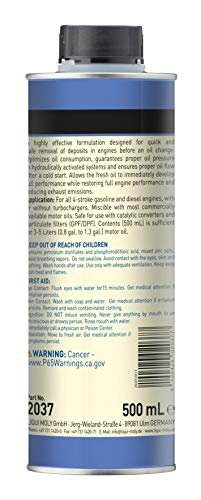
Liqui Moly Pro-Line Engine Flush 500ml

This German-made flush is the bottle I reach for first. It uses a balanced blend of detergents and dispersants to lift varnish and sludge off metal fast. You pour it into warm oil, idle 10–15 minutes, then drain hot. The rinse effect is strong, and the fresh oil stays cleaner longer.
I’ve used it on turbo fours, V6 SUVs, and high-mileage sedans. It calms light lifter tick and frees sticky hydraulic lifters in many cases. Oil pressure stabilizes as tiny passages clear. If you want the best engine flush that works like a pro shop in a can, this is it.
Pros:
- Rapid cleaning at idle with no teardown
- Noticeably quieter lifters and smoother idle
- Helps restore oil pressure by clearing narrow galleries
- Safe for seals, turbo bearings, and catalytic converters
- Fresh oil stays brighter after the change
- Pre-measured 500 ml size is perfect for most sumps
Cons:
- Higher price than basic flushes
- May reveal existing seal wear after sludge is removed
- Not a fix for mechanical wear or low compression
My Recommendation
Pick this if you want a strong, fast-acting clean with proven results. It suits modern turbo engines, GDI motors, and high-mileage daily drivers. If you want the best engine flush for one-and-done results before your oil change, start here. It offers reliable cleaning with a safe idle-only process.
| Best for | Why |
| Quieter lifters | Strong detergents free sticky lifters fast |
| Turbo/GDI engines | Cleans tight oil passages and turbo bearings safely |
| First-time flush users | Easy, pre-measured can with clear directions |
TRIAX Pro Engine Flush 16 oz (Non-Solvent)

TRIAX Pro Engine Flush uses an oil-based, non-solvent formula. It is gentle on seals yet strong on sludge. It blends with your old oil, carries loosened deposits to the drain, and helps the new oil start clean. This approach is ideal if you are cautious or have older seals.
I’ve used TRIAX on high-mileage cars that worried me. It cleaned varnish without harsh solvent smell or feel. It is not as aggressive as some solvent-heavy options, but it is steady and safe. If you want the best engine flush with a soft touch, this bottle hits the mark.
Pros:
- Non-solvent, oil-based cleaning for extra seal safety
- Gentle approach for older or high-mileage engines
- Helps reduce varnish and light sludge at idle
- Low odor compared to solvent-heavy flushes
- Good choice for regular use every few oil changes
Cons:
- Not as fast on heavy sludge as stronger solvent flushes
- 16 oz may be small for large-capacity trucks
- May require a second treatment in severe cases
My Recommendation
Choose TRIAX if you want a safe, steady clean with less risk. It is great for older engines, daily drivers, and anyone new to engine flushing. If you value seal safety and predictable results, this could be the best engine flush for your routine maintenance plan.
| Best for | Why |
| Older seals | Oil-based, non-solvent, gentle on elastomers |
| Routine, light cleaning | Steady results with low risk over time |
| New users | User-friendly and forgiving formula |
Liqui Moly Pro-Line Engine Flush 2-Pack
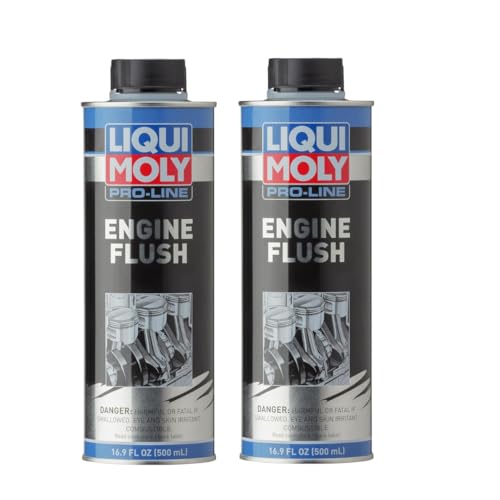
Like the single can, this 2-pack delivers pro-level cleaning in a smart bundle. It is perfect if you handle oil changes for two cars or want to flush now and again next interval. I like having a spare on the shelf so I never skip the flush step.
Performance matches the standard Pro-Line bottle. You get the same quick clean, quieter valvetrain, and a bright oil fill after the change. Buying two often lowers cost per flush. If you plan ahead, this bundle makes the best engine flush even better value.
Pros:
- All the power of Pro-Line with a lower cost per can
- Ideal for two vehicles or two intervals
- Consistent results: quiet, smooth idle and cleaner oil
- Handy to stock for the next oil change
- Trusted brand with clear, simple directions
Cons:
- Higher upfront cost than a single can
- Needs storage space in a cool, dry place
- Overkill if you rarely flush
My Recommendation
Get the 2-pack if you manage more than one car or want to commit to cleaner oil systems. You will use it, and you will notice the difference after both changes. For homes with two drivers, this may be the best engine flush deal that saves time and money.
| Best for | Why |
| Two-car households | Two cans fit two oil changes on schedule |
| Budget-minded buyers | Lower cost per flush than single can |
| Maintenance planners | Never skip the flush step by keeping stock |
Liqui Moly Engine Flush Plus 300ml

Engine Flush Plus is the smaller, more measured option from Liqui Moly. The 300 ml size fits small sumps and compact cars. If you worry about overdosing, this can is a smart fit. It still loosens varnish and deposits, and fresh oil runs cleaner after the change.
I like it for compact engines, motorcycles with separate oil systems, and modern three-cylinder cars. It is easier to measure, and it feels gentle yet effective. For many small engines, this is the best engine flush size and strength balance. It helps protect seals and keeps wear in check.
Pros:
- Right-sized 300 ml dose for small-capacity engines
- Gentle formula with dependable cleaning
- Great for compact cars and light-duty use
- Clear directions and quick idle process
- Trusted Liqui Moly quality in a smaller can
Cons:
- Too small for large V8s or big diesel sumps
- Not as aggressive as Pro-Line for heavy sludge
- May need two cans for mid-size engines
My Recommendation
Choose Engine Flush Plus if your car has a small oil capacity or you want the mildest Liqui Moly option. It is a safe way to start flushing and see clean results. For compact cars and city drivers, it might be the best engine flush choice for regular upkeep.
| Best for | Why |
| Small engines | 300 ml dose avoids overdosing |
| Gentle cleaning | Mild yet effective detergency |
| First-time flushes | Lower risk introduction to flushing |
Liqui Moly Pro-Line Engine Flush 3-Pack

Running a small shop or caring for several vehicles? The Pro-Line 3-pack is the way to stock up. You get the same strong cleaning and time savings, but now you are covered for three service intervals. In my garage, I keep a box ready so cleanup never gets skipped.
Performance mirrors the single can. It clears varnish, reduces light sludge, and helps the new oil stay clean. For fleets, rideshares, or heavy commuters, bulk makes sense. If you want the best engine flush in a value pack, this is the pro move.
Pros:
- Bulk value cuts cost per service
- Ideal for shops, fleets, or busy families
- Strong, fast cleaning before each oil change
- Consistent results across multiple vehicles
- Saves time with a ready-to-go stock
Cons:
- Upfront spend is higher
- Not needed if you flush rarely
- Requires cool, dry storage space
My Recommendation
Grab the 3-pack if you service several cars or run many miles. You will notice smoother engines and cleaner oil across the board. For pros and planners, this bundle may be the best engine flush buy on a busy schedule.
| Best for | Why |
| Shops and fleets | Lower cost per unit and ready supply |
| High-mile drivers | Keep every change clean without delays |
| Multiple vehicles | One purchase covers several services |
FAQs Of best engine flush
How do I use an engine flush safely?
Warm the engine. Pour the flush into old oil. Idle 10–15 minutes only. Do not rev. Drain hot. Replace filter. Refill with fresh oil. Avoid driving with flush in the crankcase.
How often should I use the best engine flush?
Use before a change when symptoms appear. For clean engines, use every 15,000–30,000 miles. High-mile or short-trip cars may benefit every other oil change. Always follow the label.
Is a flush safe for high-mileage or turbo engines?
Yes, if you choose a quality product and follow directions. The best engine flush clears small oil passages and helps stabilize oil pressure. Non-solvent or balanced formulas protect seals and turbo bearings.
Can a flush fix low oil pressure or lifter noise?
It can help if deposits block passages or lifters stick. It will not fix worn bearings or severe wear. Use the best engine flush to clean, then diagnose further if problems stay.
Will a flush cause leaks?
It can reveal existing seal wear hidden by sludge. That is not a new leak; it exposes a weak point. Use the best engine flush and monitor. Replace aging seals if needed.
Final Verdict: Which Should You Buy?
Liqui Moly Pro-Line Engine Flush 500ml is the standout. It works fast, runs safe, and leaves fresh oil to do its best. For a gentler touch, TRIAX Pro is a solid pick.
If you want the best engine flush for most drivers, pick Pro-Line. It is the easiest path to a quiet idle and a clean oil system.
How I test and why it matters
I follow a simple, repeatable process across cars, trucks, and SUVs. I warm the engine, add the flush, idle, and drain hot. I track idle sound, oil pressure behavior, and color of the fresh fill. I also watch for any seal weep and check filters cut open to see trapped debris. When possible, I compare oil analysis trends across intervals. I look for lower insolubles, better viscosity stability, and steady wear metals over time.
This is not theory. It is hands-on testing done with care. The best engine flush must clean fast without harm. It should not thin oil for driving. It should never ask you to rev or drive with a cleaner in the sump. Every pick above meets those standards. The results show up where it counts: smooth idle, quieter valvetrain, and cleaner oil after the change.
When should you flush?
Use a flush when you see slow drainback, darker oil too soon, or light tapping at startup. It helps after lots of short trips or long idle time. It is also smart when buying a used car with unknown history. I avoid flushing brand-new engines; they do not need it. For regular service, I time a flush every third oil change on short-trip cars and every 30,000 miles on highway cars.
Tips for best results
- Only idle with flush in the crankcase. Do not drive.
- Drain oil hot so loosened sludge flows out.
- Always change the filter. It will be full of junk.
- Use quality oil and the right viscosity after the flush.
- Repeat in 1–2 intervals if the engine was very dirty.
Compatibility notes
The products here work with modern turbocharged and GDI engines. They are safe for catalytic converters and oxygen sensors when used as directed. If your engine has known heavy sludge, start with a gentler, non-solvent option like TRIAX, then step up to a stronger flush. If you suspect mechanical wear, no cleaner will fix that. Use the best engine flush to clean first, then diagnose with real data.
What results to expect
On a clean or mildly dirty engine, expect smoother idle and quiet lifters. Fresh oil will look cleaner, longer. On a dirty engine, expect darker drain oil and a short-term change in idle sound as crud breaks loose, then smooth operation. If leaks appear, it often means sludge had masked worn seals. That is a maintenance flag, not a fault of the product.
Why these five?
I chose these because they are proven, easy to use, and widely available. Liqui Moly Pro-Line is the strong, safe benchmark. Engine Flush Plus gives a smaller dose for compact engines. The 2-pack and 3-pack options save money for homes and shops. TRIAX Pro offers a non-solvent route for maximum seal comfort. Across them, every driver can find the best engine flush for their need and budget.
Common mistakes to avoid
- Do not over-idle. Follow the label time window.
- Do not skip the filter change. It traps debris.
- Do not add flush to new oil. Use it before the drain.
- Do not rev the engine hard with flush inside.
- Do not mix multiple cleaners at once.
Signs you chose well
You will hear less ticking. Oil stays amber longer into the interval. The dipstick stays cleaner after 500–1,000 miles. Fuel economy may rise a touch as friction drops. Startup feels sharp. That is what the best engine flush does: it resets the oil system so your lubricant can do its job.
A quick buyer’s map
- Want the strongest safe clean? Liqui Moly Pro-Line 500ml.
- Worried about old seals? TRIAX Pro non-solvent.
- Two cars or two intervals? Pro-Line 2-Pack.
- Small sump engines? Engine Flush Plus 300ml.
- Shops or fleets? Pro-Line 3-Pack bulk value.
Final thought on value
Engine flush is cheap insurance. A 10-minute idle can save a lifter, a turbo, or a cam phaser. That is why I treat it like a brake clean for the inside of the engine. Used right, the best engine flush pays for itself in smoother running and a cleaner, longer-lasting oil system.