
You can drive on a slightly bent rim for a short distance, but it’s risky.
If you hit a pothole and feel a shake, your first thought is safety. As a technician who has inspected thousands of wheels, I will explain can you drive with a bent rim in clear steps. You will learn the dangers, the signs, the quick checks, and safe next moves. Stay with me and you will know when to limp to a shop and when to stop at once.
What a Bent Rim Actually Is
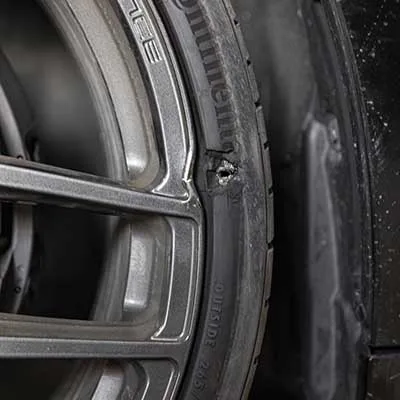
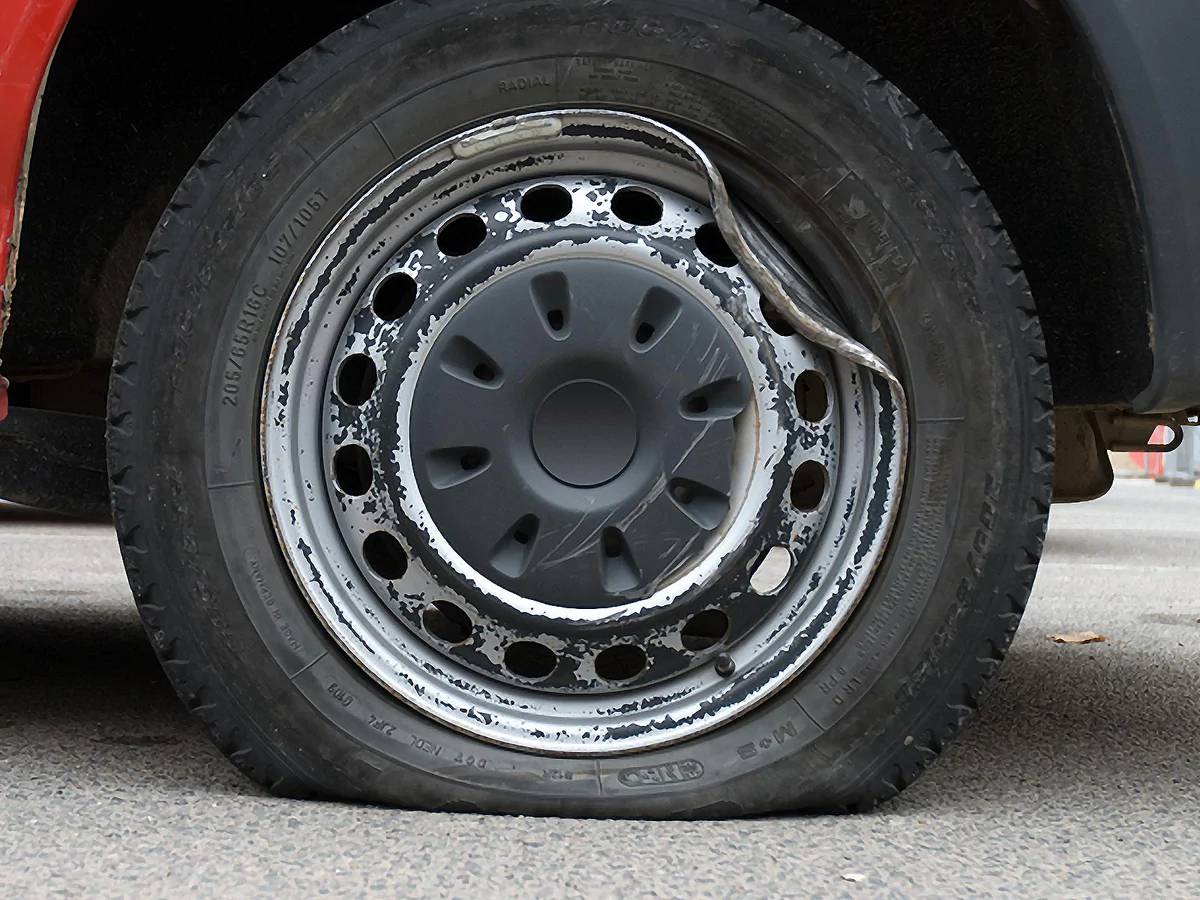
A bent rim is a wheel that is out of round or deformed. It often happens after a pothole hit, curb strike, or road debris. Alloy wheels bend more easily than forged wheels. Steel wheels can bend too, but they are easier to repair.
Common signs include:
- Vibration in the steering wheel or seat
- Slow air loss or a tire that will not hold pressure
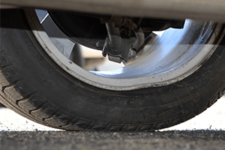
- Visible flat spots, dents, or a lip that looks wavy
- A wobble at low speed or a shake at highway speed
- A tire pressure light that keeps coming back
A bend at the inner lip is the most common. The tire bead may not seal well. That can cause leaks. A crack is worse. A cracked wheel can fail without warning.
The Real Risks of Driving on a Bent Rim
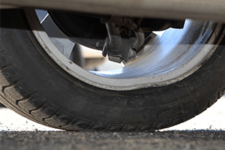
A bent rim puts extra stress on the tire. The bead can lose its seal. Air can leak. A slow leak can turn into a blowout when the wheel heats up.
The shake also hits other parts. Bearings, tie rods, ball joints, and shocks wear faster. Your brake pads can glaze. ABS and TPMS can read wrong due to vibration.
I have seen this in the bay many times. One client drove on a bent rear wheel for a week. The tire wore to cords on the inner edge. The repair grew from a rim fix to a tire, alignment, and rear hub.

Can You Drive With a Bent Rim? Practical Guidance
Here is the straight answer. Can you drive with a bent rim? Yes, but only for a short hop at low speed. Can you drive with a bent rim to the next exit or a nearby shop? Yes, if the tire holds air and the car feels stable. Can you drive with a bent rim on the highway or for days? No. That choice risks a blowout and bigger bills.
Use this simple rule:
- Safe enough to limp: The tire holds pressure. There is no wobble. The bend is small and only on the edge. The steering stays straight. Drive 5 to 10 miles at city speeds.
- Unsafe to drive: Fast air loss, a crack, a large flat spot, strong vibration, or a hot tire smell. Stop. Install the spare or call roadside help.
Red flags that mean do not drive:
- A visible crack or a split that reaches the face or spoke
- A tire that drops more than 2 psi per hour
- Vibration that makes the mirror blur at 30 to 40 mph
- A clunk or grind from the corner with the damage
If you must move the car, choose local streets. Keep speeds under 40 mph. Avoid sharp turns and hard stops. Can you drive with a bent rim for a long commute? No. Swap on the spare and save the wheel, the tire, and your suspension.

How to Check a Rim at Home
You can do a fast check with basic tools. This helps you decide your next move.
Quick steps:
- Inspect the tire and wheel visually. Look for dents, flat spots, or a bead that looks lifted.
- Spray soapy water on the rim-tire edge. Watch for bubbles. That shows a bead leak.
- Spin test each wheel. Jack the car with a jack stand. Spin the wheel by hand. Hold a pencil near the rim edge. If the gap changes, the rim is out of round.
- Feel for heat. After a short, slow drive, touch near the hub. A bent rim can run hotter due to extra load.
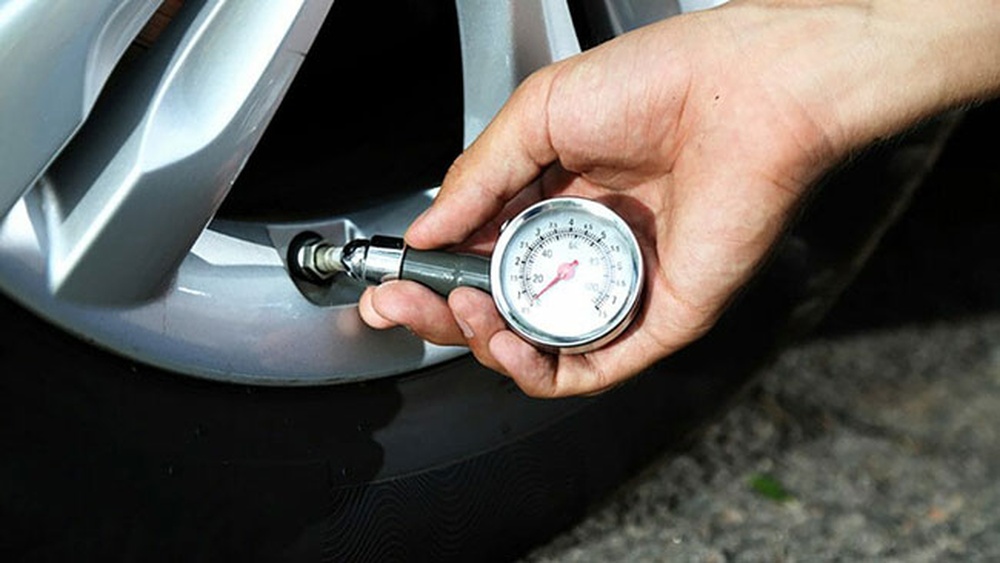
- Check pressure. Note any drop over one hour. A fast drop is a stop sign.
If you have a dial indicator, measure runout. More than about 1 to 2 mm on the lip is a problem. Side-to-side wobble is more risky than a small flat spot.
Repair or Replace? Costs, Methods, and When to Walk Away
A small bend at the lip can often be straightened by a wheel specialist. They use heat control and a hydraulic press. The goal is to restore roundness and maintain structure. Many shops also refinish the clear coat to stop corrosion.
Plan for these ranges:
- Straightening a minor bend: 80 to 150 dollars per wheel
- Straightening and refinishing: 150 to 250 dollars per wheel
- Replacement alloy wheel: 200 to 600 dollars for OEM grade, more for premium sizes
- New tire if damaged: 120 to 300 dollars each, based on size and brand
When to replace:
- Any crack on the face or spoke area
- Severe bends that affect mounting pad or hub bore
- Repaired more than once and still not true
- Structural alloy fatigue from past hits
Be careful with cheap weld fixes. A welded crack on a stressed area can fail. Forged wheels are stronger, but do not ignore damage. Ask for a before-and-after runout report.

Emergency Roadside Playbook
If the rim is bent and you are stuck, use this plan.
Do this first:
- Move to a safe spot with hazard lights on.
- Check pressure. If low, add air within the tire’s rated max on the sidewall.
- If you have a safe spare, install it and store the bent wheel.
- If you must drive, choose the shortest, smoothest route. Stay under 40 mph.
Do not do this:
- Do not hammer the rim to “fix” the bend. You can crack it.
- Do not use pliers on the lip. You will ruin the bead seat.
- Do not drive on a flat or near flat tire. That can shred the sidewall and the rim.
While you drive, listen for new noises. Recheck tire pressure after a mile. If the wheel or tire smells hot or the shake gets worse, stop at once.
Preventing Bent Rims
You can lower the odds with a few habits.
Smart habits:
- Keep tires at the door placard pressure. Check monthly and before trips.
- Slow down for potholes, rail tracks, and broken asphalt.
- Avoid low-profile tires if your roads are rough. A taller sidewall adds cushion.
- Do not overload the car. Extra weight kills wheels and tires.
- In winter, use smaller diameter wheels with higher profile tires when possible.
Quality matters. Use wheels that match your car’s load and size specs. Ask for hub-centric fit and the right offset. After any hit, inspect the inner barrel. That is where most bends hide.
Frequently Asked Questions of can you drive with a bent rim
Is it safe to drive to work if my rim is bent?
It depends on air pressure, shake, and size of the bend. If the tire holds air and the car feels stable, you can drive a short distance at low speed.
Can you drive with a bent rim on the highway?
It is not wise. High speed adds heat and stress, and a small problem can become a blowout fast.
How far can you drive with a bent rim?
Keep it to a few miles if you must. Choose local roads, avoid bumps, and stop if the shake grows or the tire loses air.
Will a bent rim ruin my tire and suspension?
Yes, over time. The tire can wear in spots, and the shake can harm bearings, tie rods, and shocks.
Can you drive with a bent rim if the tire holds air?
You can, but treat it as a short, careful trip to a shop or to install a spare. Watch for new vibration, heat, or pressure loss.
Can you drive with a bent rim if there is no vibration?
Lack of vibration does not mean it is safe. A hidden bend can still leak air or weaken the wheel, so have it checked soon.
What does a bent rim feel like at low speed?
You may feel a thump or wobble that comes and goes. The mirror or dash may shake more as speed rises.
Conclusion
You asked can you drive with a bent rim. The honest answer is yes, but only for short and safe moves. The risks grow fast with speed, heat, and distance. A small bend can lead to a big bill if you ignore it.
Act now. Check pressure, inspect the lip, and choose a short route or use your spare. Book a visit with a trusted wheel specialist and ask for a runout report. If you found this useful, share it with a friend, subscribe for more car care guides, or drop your question in the comments.