
Can you drive with low tire pressure? Only briefly and slowly, and it is risky.
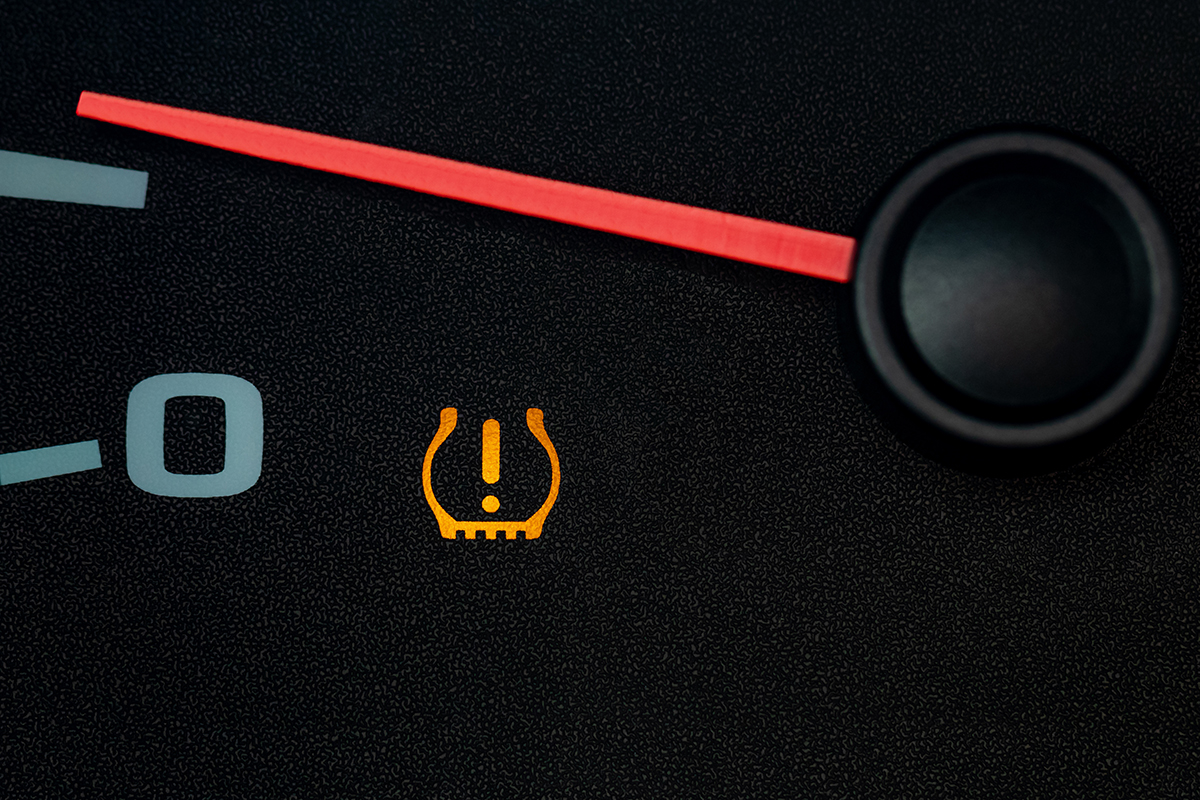
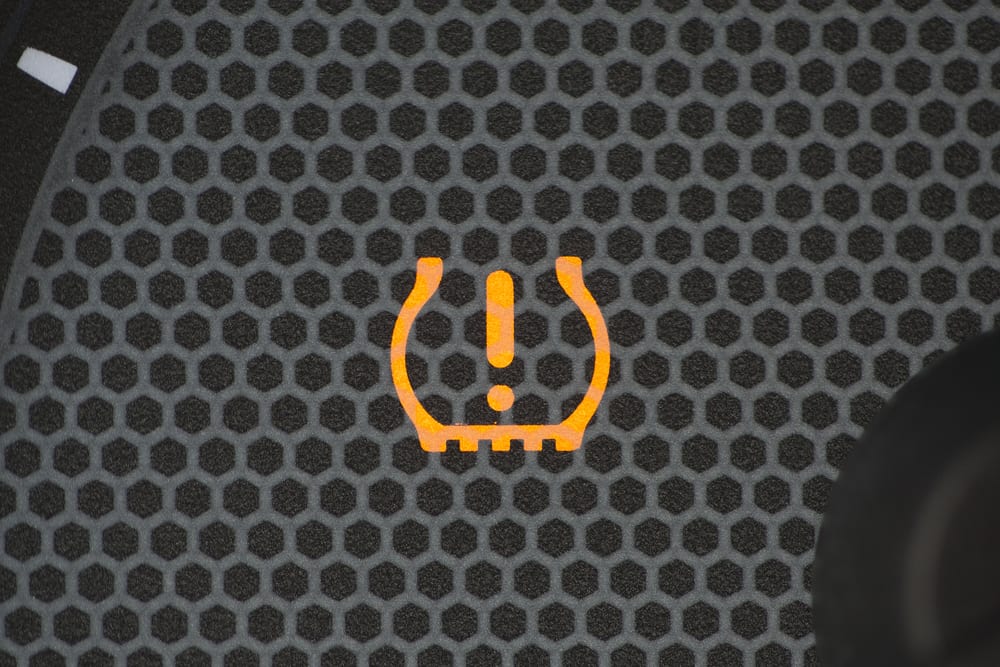
If you have ever seen the TPMS light pop on, you have asked the same thing: can you drive with low tire pressure. I have tested this on cold mornings, busy freeways, and dirt lots. I know what happens when pressure drops, and what it does to handling, brakes, and fuel use. This guide gives clear steps, real numbers, and pro tips so you can act fast and stay safe.
What low tire pressure really means
Low tire pressure means your tires hold less air than the maker recommends. The number on the driver door label is your cold inflation target. Most cars sit near 32 to 36 psi. SUVs and trucks can be higher. The sidewall max is not your target.
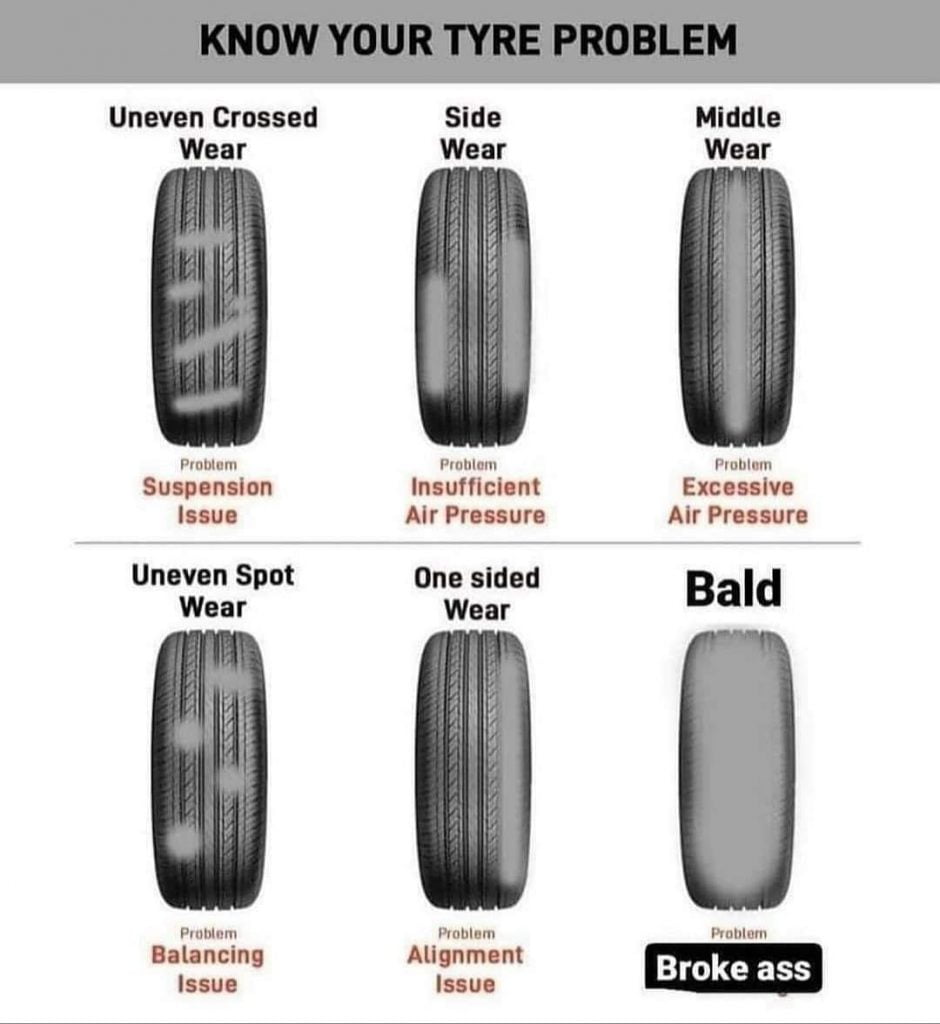
Underinflation reduces the air cushion inside the tire. The sidewalls flex more. Heat builds up. The contact patch grows, but grip does not improve. Stopping can get worse. The tire wears on the edges.
Watch for these signs:
- TPMS light on or a low-pressure warning in the dash
- A soft or sluggish feel when turning
- The car pulls to one side
- More road noise or a thump at low speed
Many drivers ask, can you drive with low tire pressure on city streets. The best plan is to add air first, then drive.

Can you drive with low tire pressure? Risks you take
Here is the honest view: can you drive with low tire pressure for a short hop to air up. Yes, but each mile adds risk. Heat and damage rise fast as psi falls.
Key risks include:
- Poor handling. The car feels loose and slow to turn.
- Longer stops. Braking distance grows on wet and dry roads.
- Blowouts. Heat can separate layers inside the tire.
- Wheel damage. The rim can hit potholes and bend.
- Tire wear. Edges scrub and tread life drops.
- Hydroplaning. Shallow center tread holds water and slides sooner.
- Higher fuel use. More flex means more rolling drag.
Ask yourself, can you drive with low tire pressure without hurting the tire. The answer depends on how low, how far, and how fast. Slower is safer. Shorter is safer.
How low is too low to drive
There is no single number for every car. But these guide rails work well in the real world. They align with common TPMS trigger points and tire maker advice.
- Within 10 percent low. Example: target 35 psi, current 31 to 32 psi. You can drive to add air at low speed.
- 15 to 20 percent low. Example: 35 psi target, 28 to 30 psi actual. Treat as urgent. Drive only a short distance, under 45 mph.
- Near 25 percent low or 20 to 25 psi on most cars. Unsafe. Park and inflate or change the tire.
- Below 20 psi or a visibly flat tire. Do not drive. Use a spare or get roadside help.
Signs you should stop now:
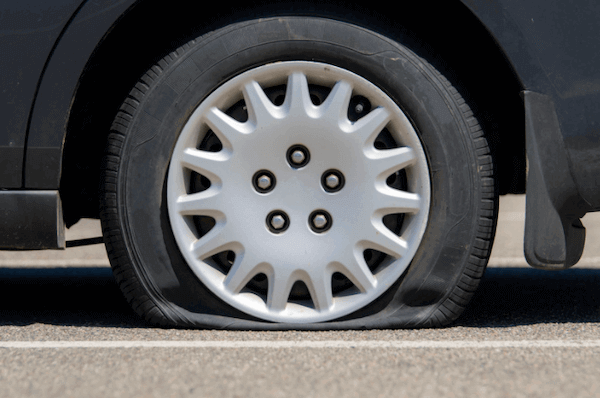
- The tire looks squashed at the bottom
- The wheel rim is close to the road
- The steering pulls hard or the car wanders
- You hear a flapping sound or smell hot rubber
People often ask, can you drive with low tire pressure to a nearby shop. Yes, if above about 28 to 30 psi, at slow speed, and for a short hop. Never assume can you drive with low tire pressure when the reading is near 20 psi or less.

What to do if you must drive with low tire pressure
If you cannot add air where you are, use this safe plan. Keep calm. Small choices make a big difference.
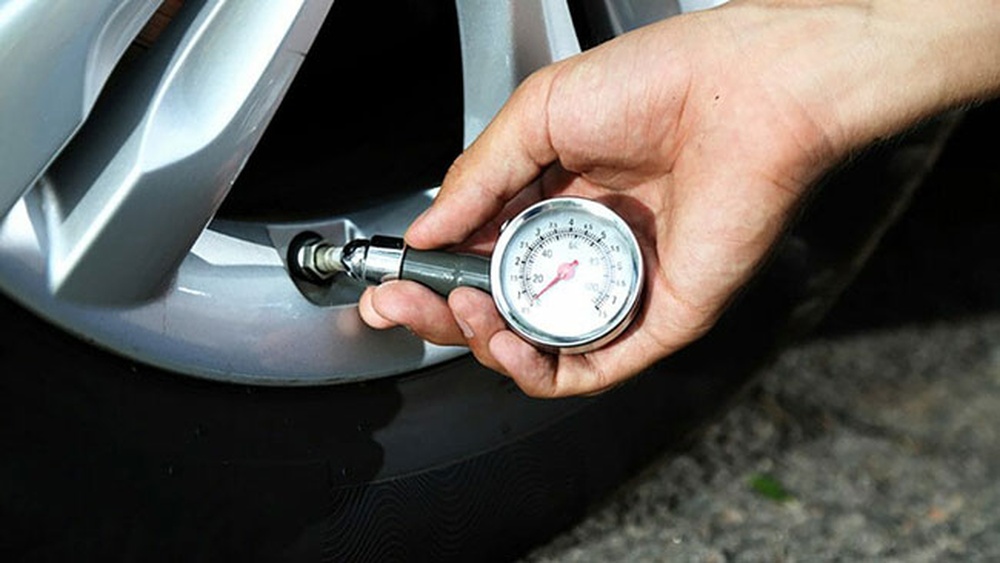
- Check pressure with a gauge at each wheel. Note the lowest one.
- Remove heavy cargo if you can. Less load helps the tire.
- Turn on hazard lights in busy traffic.
- Choose the nearest air source. Avoid highways if possible.
- Keep speed under 40 mph and turn gently.
- Avoid potholes, curbs, and hard braking.
- Drive the shortest route. Park to cool the tire if it feels mushy.
- Add air to the door label number. Recheck after 10 minutes.
- If pressure falls again, you have a leak. Install a spare or call for help.
It is smart to ask, can you drive with low tire pressure until morning. If it is 25 psi or lower, the safe answer is no. Air up now or swap to the spare.

Common causes and how to prevent low tire pressure
Tires lose pressure for many reasons. Some are slow and normal. Others need a fix at once. Prevention saves money and time.
Common causes:
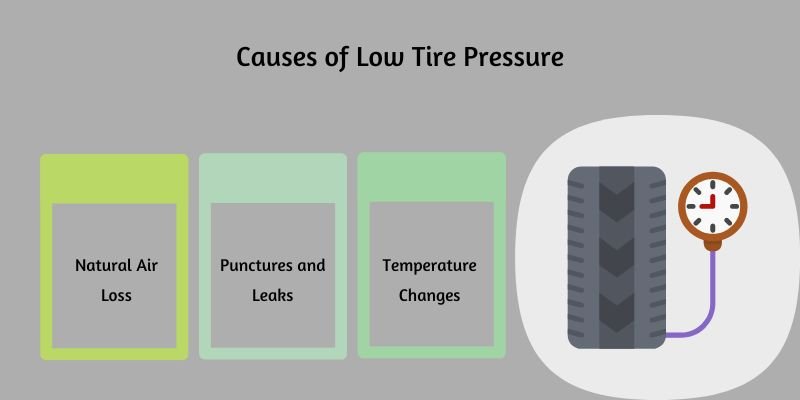
- Temperature drops. About 1 psi for every 10°F drop.
- Small punctures from nails or screws.
- Leaking valve cores or cracked valve stems.
- Bead leaks where the tire meets the rim.
- Bent or corroded wheels.
- Old tires with dried rubber.
- Impact damage from potholes or curbs.
Prevention tips:
- Check psi monthly, and before road trips.
- Use a quality digital gauge you trust.
- Set pressures cold, first thing in the morning.
- Rotate tires and inspect tread and sidewalls.
- Replace valve stems with new tires.
- Fix punctures with a proper plug and patch from the inside.
- Keep caps on valves to block dirt and moisture.
When friends ask me, can you drive with low tire pressure if it is only a few psi low. I say check all four, add air, then drive. It takes five minutes and avoids trouble.

How to check and inflate tires the right way
A quick and clean routine helps you hit the right number. It also protects TPMS sensors and the tire.
- Find the door label psi. Front and rear may differ.
- Measure pressure cold, before driving far.
- If you must add air warm, aim 1 to 2 psi higher and recheck cold.
- Use a reliable gauge. Gas station gauges can be off.
- Add air in short bursts. Tap the gauge each time.
- Do not exceed the sidewall max.
- Refit valve caps. Listen for leaks.
- Recheck after 24 hours. If it drops, seek a repair.
A better plan than asking can you drive with low tire pressure is to air up first. The car will steer better at once.

Run-flats, temporary spares, and sealant kits
Run-flat tires can carry the car with zero pressure for a short time. Most allow up to about 50 miles at up to 50 mph. Read your owner’s manual for the exact limit. The ride will feel firm. Service the tire as soon as you can.
Temporary spares, often called donuts, are for short hops only. Follow the speed label, often 50 mph max. Keep a bit extra space and avoid long trips.
Sealant kits can get you moving. They can also foul TPMS sensors. Use only as directed, and tell the tire shop you used sealant.
On run-flats, people ask, can you drive with low tire pressure without damage. Yes for a short time within the limits. Past that, the tire may be scrap.
The real costs of driving on low tire pressure
Low pressure hits your wallet from many angles. The damage grows fast as psi falls.
- Fuel use rises. Tests show about 1 percent worse mpg for every 3 to 4 psi low.
- Tire life drops. Running 10 psi low can cut tread life by 15 to 25 percent.
- Repairs add up. A bent wheel or ruined tire costs far more than a portable inflator.
- Safety margin shrinks. Stopping distance and control suffer most in rain and heat.
If you still wonder, can you drive with low tire pressure to save time, remember this math. Five minutes at an air pump can save a tire, a rim, and a tow.
Experience from the road: what I’ve learned
Years ago, I tried to limp home on a soft rear tire at night. I told myself, can you drive with low tire pressure for ten minutes. The sidewall overheated. The tire failed two blocks from my driveway. The rim took a hit, and the bill stung.
What I do now:
- I keep a small compressor and a plug kit in the trunk.
- I check psi at each fuel fill. The habit is easy.
- I scan for nails and sidewall cuts when I wash the car.
- If I see 25 psi or less, I do not drive. I air up or swap to the spare.
I learned that asking can you drive with low tire pressure is the wrong first step. Check, inflate, and protect the tire first.
Seasonal and environmental factors that affect pressure
Cold weather lowers pressure. Expect about 1 psi drop for every 10°F. Many TPMS lights wake up on the first cold snap. Add air before winter hits to the higher end of the range on your label. Heat does the opposite and raises psi, so set it cold.
Altitude changes can also move readings a bit. The change is small for daily drivers but can show up on long trips in the mountains. A quick check at your destination is smart.
If you are thinking, can you drive with low tire pressure in winter. Be careful. Cold rubber is stiff, grip is lower, and roads can be slick.
Frequently Asked Questions of can you drive with low tire pressure
How far can I drive with the TPMS light on?
If pressure is only slightly low, you can go a short distance to add air. Keep speed down, avoid highways, and recheck pressure as soon as possible.
Is 25 psi safe to drive on?
It is borderline for most cars and unsafe for long trips. Treat it as urgent, drive slowly to a nearby air source, or install the spare.
Can I drive on a tire that looks flat but still moves?
No. A tire that looks flat is often below 20 psi and at risk of damage. Driving on it can ruin the tire and the wheel.
Does cold weather alone cause the TPMS light to turn on?
Yes. Pressure drops about 1 psi for every 10°F fall in temperature. Add air to reach the door label number when the tires are cold.
Will tire sealant damage my TPMS sensors?
Some sealants can foul sensors. Use only products labeled as TPMS-safe and let the shop know you used sealant.
Should I overinflate a bit to avoid the light?
Do not exceed the door label by more than 1 to 2 psi when cold. Overinflation hurts grip and ride and can cause uneven wear.
Conclusion
Low pressure steals safety, money, and peace of mind. You asked, can you drive with low tire pressure. Now you know when a short, slow trip is acceptable, and when to stop and fix it. Check monthly, carry a portable inflator, and treat the TPMS light as a prompt to act, not to wait.
Take one action today. Check your tires cold and set them to the door label. Want more tips like this? Subscribe, share this guide, or leave a comment with your tire questions.