
Most donut spares are safe for about 50 miles at speeds under 50 mph.
If you want clear, expert advice on how long can you drive on a spare tire, you are in the right place. I’ve changed hundreds of flats on the roadside and in shops. I know the limits, the risks, and the tricks that keep you safe. This guide breaks down real numbers, simple steps, and pro tips so you can get from “oh no” to “all set” with confidence.
Spare tire types and why they matter
Not all spares are equal. The type of spare on your car sets your speed and distance limits.
Here are the common types you will see:
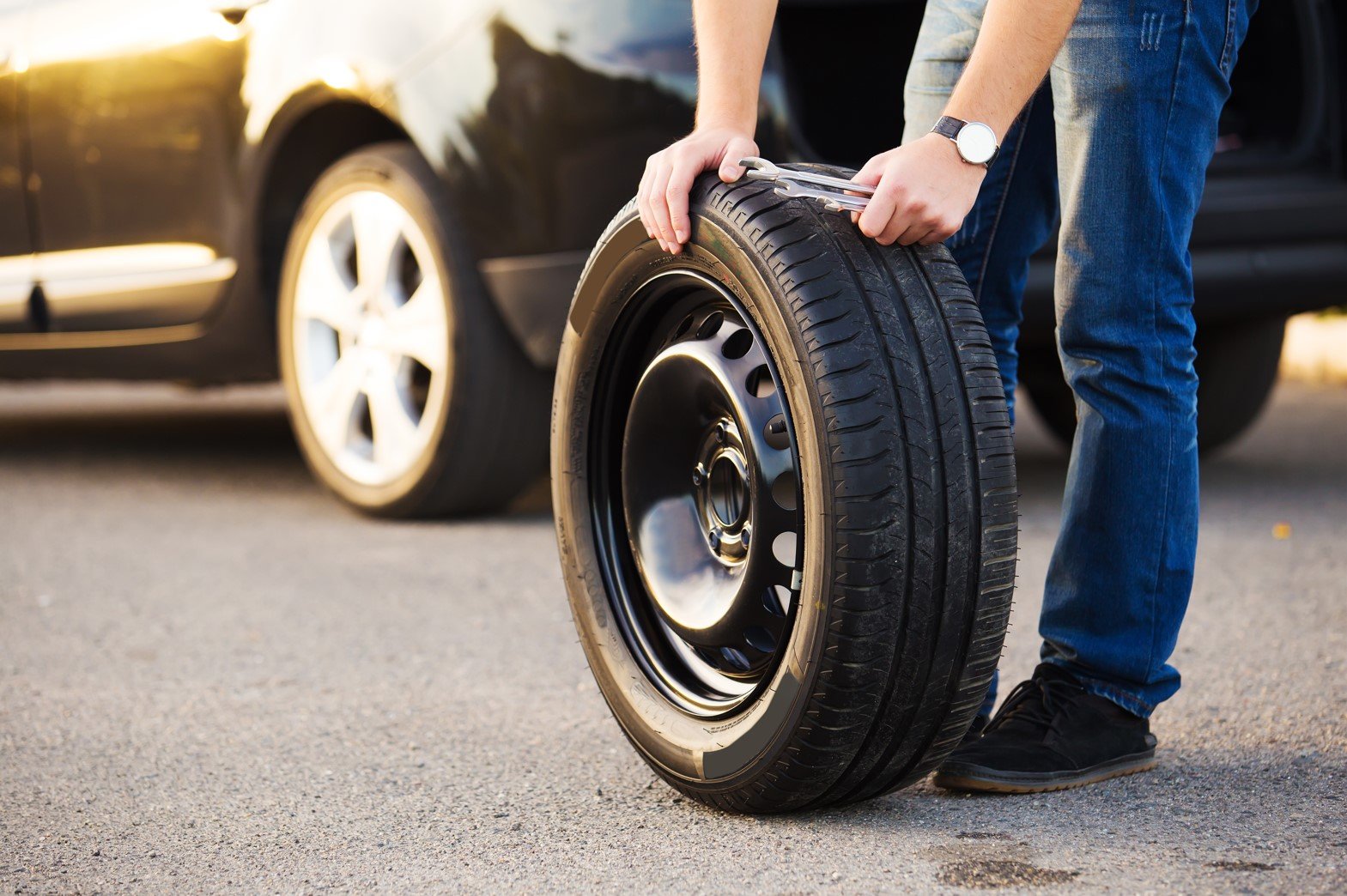
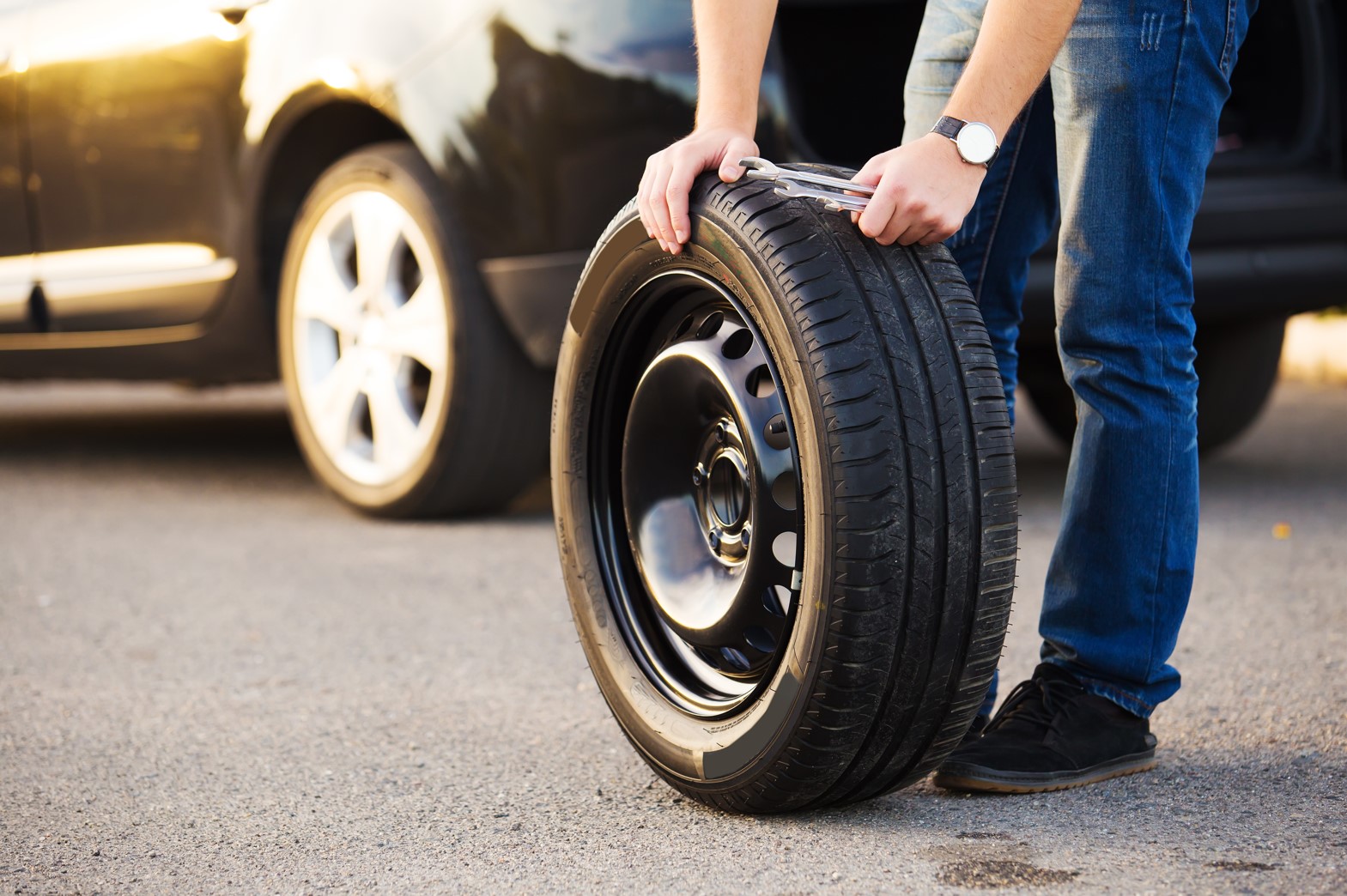
- Space-saver donut spare. Small, narrow, and light. Made only to get you to a shop.
- Full-size matching spare. Same size and type as the other tires. Best for long trips, if in good shape.
- Full-size non-matching spare. Same size but older or a different tread. Works in a pinch but has limits.
- Run-flat tires. You can drive after a loss of air, for a short time, on the tire itself.
- Tire repair kit. Sealant and a small compressor. No spare at all on some cars.
Each type has a different answer to how long can you drive on a spare tire. The label on the spare and your owner’s manual are the final word for your car.

How long can you drive on a spare tire: real-world limits
Here is the clear, simple guide most drivers need. It matches what major tire makers and automakers advise.
- Donut spare (space-saver). Limit speed to 50 mph. Limit distance to about 50 miles. Some list 70 miles on the sidewall, but less is safer. Heat and wear rise fast.
- Run-flat tire. Most allow 50 miles at up to 50 mph after a full air loss. Light loads and cool temps can help. Heavy loads, heat, or damage can cut that to far less.
- Full-size matching spare. You can drive like normal if the tire is in good shape and close in tread depth to the others. Still, fix or replace the damaged tire soon.
- Full-size non-matching spare. Drive with care and avoid long trips. On all-wheel drive, a big tread mismatch can harm the drivetrain.
- Time on the road. Ask yourself not only how long can you drive on a spare tire by miles, but also by hours. Aim to reach a shop in one to two hours, tops.
As a simple rule, plan a direct route to the nearest tire shop. Skip errands. Short and slow wins.

Why the limits exist
The limits are there to protect you and your car. Here is what is going on behind the scenes.
- Heat buildup. Donut spares have thin tread and less air. They run hot. Heat kills tires fast.
- Handling and braking. The small size cuts grip. Stopping takes longer. Cornering is worse.
- Stability systems. ABS and traction control read wheel speed. A small spare can throw them off.
- Drivetrain stress. On AWD, a smaller or larger rolling size can strain the center diff. That can get costly.
- Load rating. Donuts have lower load limits. A full car adds risk.
This is why a simple answer to how long can you drive on a spare tire always comes with speed and distance caps.

How to drive safely on a spare
Once the spare is on, keep it simple and safe. Here is the checklist I give drivers on the roadside.
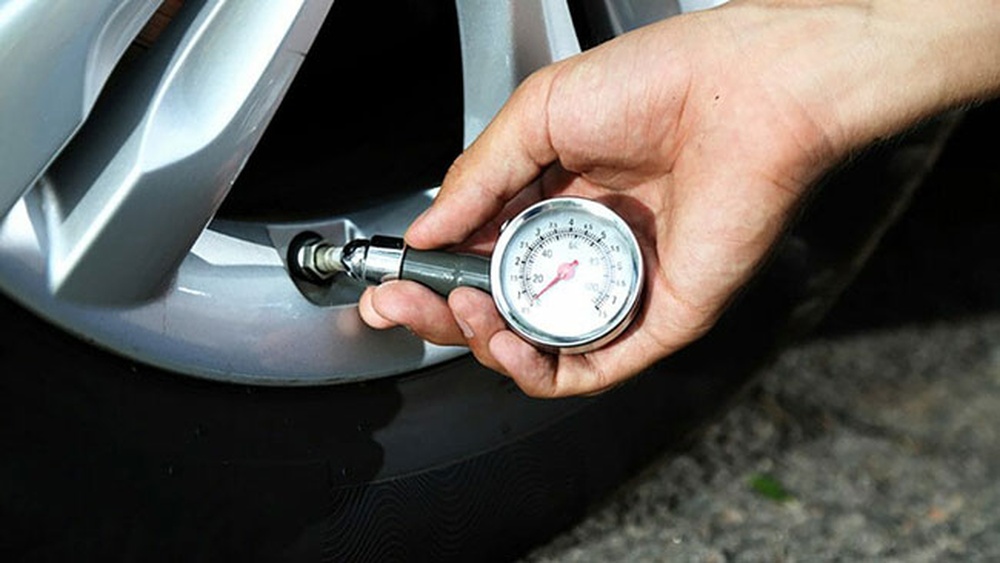
- Check pressure before you roll. Many donuts need 60 psi. It is on the sidewall.
- Keep speed at or below 50 mph. Slower in rain, snow, or heat.
- Leave a big gap to the car ahead. Braking will be longer.
- Avoid sharp turns, hard stops, and potholes. Smooth inputs cut heat and stress.
- Keep loads light. Remove heavy gear from the trunk if you can.
- Put the spare on the rear axle if safe to swap. Front tires steer and brake. If a front tire fails, move a rear good wheel to the front and mount the spare at the rear.
- Re-torque lug nuts after about 25–50 miles. Nuts can settle.
From my own work: the worst failures I see are people who push a donut 100+ miles at highway speeds. The tread peels or the tire cooks. Do not be that driver. If you ask how long can you drive on a spare tire in heat or with a load, the safe answer is even less than the standard limit.

Repair or replace: your next move
A spare is only a bridge. Your next step is to fix the real tire or buy a new one.
- Repair the tire if the hole is small and in the tread. A proper patch-plug from inside is the gold standard.
- Do not repair sidewall or shoulder damage. Replace the tire.
- If tread is worn or the tire is old (around 6–10 years), replace it.
- On AWD, a big tread depth mismatch can harm the system. You may need to replace in pairs or all four, or shave a new tire to match.
Costs vary by size and brand. A pro repair is low cost and quick. A new tire may take longer if it needs to be ordered. When you weigh how long can you drive on a spare tire against a tow fee, remember a tow can be cheaper than drivetrain damage.

Maintenance and storage tips for your spare
A good spare beats a tow. Keep it ready.
- Check spare pressure every month. Donuts lose air over time.
- Learn the jack points, tool spots, and lug key spot on your car.
- Read the spare’s sidewall for speed and load notes. Take a phone photo.
- Check the age code on the tire. Very old spares should be replaced.
- If you have a full-size matching spare, rotate it in with your tire rotations.
These small habits remove the guesswork the day you ask how long can you drive on a spare tire.

Cost, timing, and roadside planning
When a flat hits, think like a planner.
- Map the closest tire shop with good reviews. Call to confirm stock and hours.
- If you are far, compare the risk of a long spare drive with the cost of a tow.
- Avoid sealants unless you must. Some sealants can harm TPMS sensors and make pro repairs harder.
- Keep a flashlight, gloves, and a knee pad in the trunk. They help at night and in rain.
One more tip: if you still wonder how long can you drive on a spare tire during a holiday or late at night, the best play is often to park safe and wait for a shop to open.

Frequently Asked Questions of how long can you drive on a spare tire
How long can you drive on a spare tire if it is a donut?
Most donut spares are for about 50 miles at up to 50 mph. Go slower and stop sooner if it is hot, loaded, or wet.
Can I use a spare on the front wheels?
You can, but it is not ideal. If safe, move a good rear wheel to the front and put the spare on the rear for better control.
How long can you drive on a spare tire with all-wheel drive?
Keep the trip very short and slow. A mismatch in tire size can stress the center differential, so reach a shop or tow.
Is it safe to drive on a spare in the rain?
Yes, but be gentle. Leave a larger gap, avoid standing water, and keep speed low.
How long can you drive on a spare tire if it is a full-size match?
If tread depth is close to the others and the tire is healthy, you can drive normally. Fix or replace the damaged tire soon to restore your full set.
What pressure should a donut spare have?
Most donuts call for 60 psi, but check your sidewall. Use a gauge before you roll.
How long can you drive on a spare tire if the car is loaded?
Less than standard limits. Extra weight adds heat and strain, so unload what you can and head straight to a shop.
Can I repair a puncture and keep using the spare?
You can repair the original tire if the puncture is in the tread and within size limits. The spare should go back to storage once the main tire is fixed.
How long can you drive on a spare tire with run-flats?
Most run-flats allow up to 50 miles at 50 mph after air loss. Heavy loads, heat, or big damage can cut that to far less.
Will driving on a spare affect ABS or traction control?
A small spare can change wheel speed readings. You may see warning lights or feel different braking and grip behavior.
Conclusion
A spare is a short-term safety net, not a travel plan. For donut spares, think 50 miles at 50 mph, then stop. Run-flats and full-size spares give you more room, but they still call for care and quick follow-up. The smart move is to plan your route, drive gently, and fix the main tire fast.
Use this guide to decide your next step, from pressure checks to shop visits. If you learned something helpful, share this article or leave a comment with your question. Your next flat will feel a lot less stressful when you already know what to do.