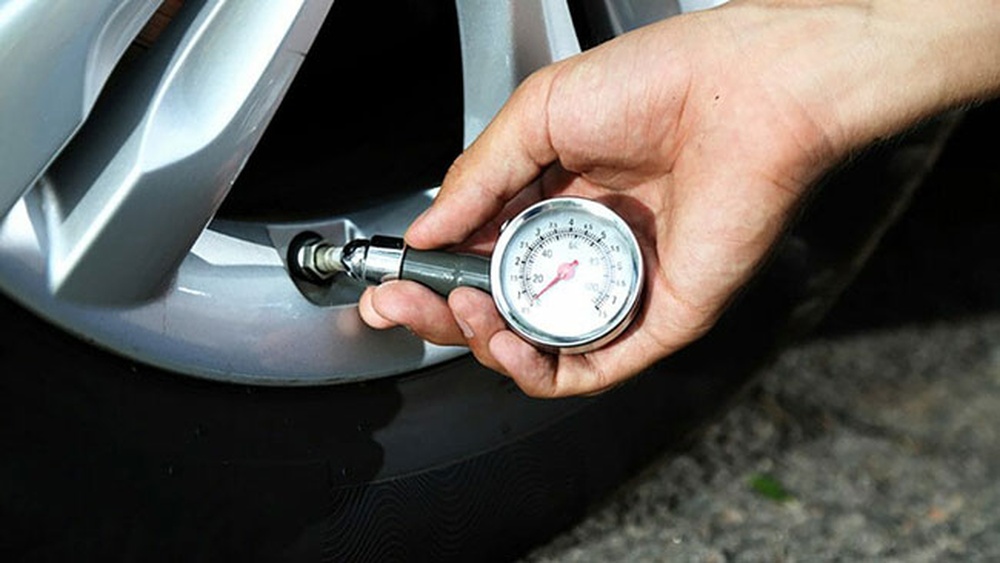

Most cars can handle up to 3% more overall diameter and 0.5–1 inch more width.
If you want a simple and safe answer to how much bigger tires can I put on my car, this guide has you covered. I’ll show you proven limits, how to measure clearances, and how to calculate sizes that fit. You’ll get clear steps, real shop tips, and honest trade-offs so you can size up with confidence without wrecking your ride, speedometer, or wallet.

Tire size basics you need before changing anything
To decide how much bigger tires can I put on my car, start with your current size. You can find it on the sidewall, door jamb, or owner’s manual. It looks like 225/50R17.
- Section width is the first number. It is the width in millimeters.
- Aspect ratio is the second number. It is the sidewall height as a percent of width.
- Wheel diameter is the last number in inches.
Overall tire diameter is what changes your speedometer and gearing. You can estimate it fast.
- Convert width to inches by dividing by 25.4.
- Multiply width by aspect ratio to get sidewall height.
- Double the sidewall height, then add the wheel diameter.
Example with 225/50R17
- Width 225 mm is 8.86 inches.
- Sidewall height is 8.86 × 0.50 = 4.43 inches.
- Overall diameter is 17 + 4.43 + 4.43 = 25.86 inches.
This baseline helps you answer how much bigger tires can I put on my car without guessing.

The safe limits most cars can handle
How much bigger tires can I put on my car without issues? Use these common shop limits I trust on daily drivers.
- Overall diameter change up to 3 percent without reprogramming is usually safe for most cars.
- Width increase of 0.5 to 1.0 inch often fits on stock wheels and in the fenders.
- Wheel offset change within 3 to 5 mm is usually fine. More than 10 mm needs careful checks.
- Load index must meet or beat stock. Never go lower.
- Speed rating should meet or beat stock. This helps at highway speeds.
Why these limits matter
- More diameter changes speedometer and ABS behavior.
- More width affects clearance at the strut, fender liner, and control arms.
- Offset shifts the tire inward or outward. That changes scrub radius and steering feel.
- Lower load index risks heat build-up and failure.
Industry practice backs this. Tire and wheel standards from bodies like the Tire and Rim Association and ETRTO guide these fitment rules. Shops follow them for reliability and safety.
How much bigger tires can I put on my car by vehicle type
Different cars and trucks have different room. These are real-world ranges I see most.
Sedans and hatchbacks
- Diameter: up to 2 to 3 percent.
- Width: plus 0.5 to 1.0 inch.
Crossovers and small SUVs
- Diameter: up to 3 percent stock. Up to 5 percent with a small lift or recal.
- Width: plus 1.0 inch common.
Trucks and body-on-frame SUVs
- Diameter: 3 percent stock. 5 to 10 percent with lift or trimming and a recal.
- Width: plus 1.0 to 1.5 inches with the right offset.
Sports cars
- Diameter: within 1 to 2 percent to protect handling and ABS tuning.
- Width: plus 1.0 to 2.0 inches is common with staggered setups and correct offset.
These are starting points. You still need to measure clearances on your own car to confirm how much bigger tires can I put on my car.
Step-by-step to find your maximum tire size
Use this simple process. It answers how much bigger tires can I put on my car with proof, not hope.
- Capture stock data
- Note your current tire size, wheel width, and offset.
- Confirm load index and speed rating.
- Measure clearances at full lock and full bump
- Turn the wheel left and right to the stops.
- Use a straightedge and ruler to check these gaps.
- Inner clearance to strut or spring perch.
- Outer clearance to fender lip and liner.
- Front and rear clearance to body and brake lines.
- Do the math
- Set a diameter limit of 3 percent unless you plan to recalibrate.
- Set a width gain goal based on your gaps, usually 0.5 to 1.0 inch.
- Keep offset changes small. Target within 3 to 5 mm if possible.
- Build candidate sizes
- Try plus-one or plus-two sizing to keep diameter close while adding width.
- Example from 225/50R17.
- 235/50R17 is about 26.25 inches. That is a 1.5 percent gain. Often fine.
- 245/45R18 on an 18-inch wheel is about 26.68 inches. That is a 3.2 percent gain. Borderline, check speedo.
- Verify load, speed, and pressure
- Match or exceed stock load and speed ratings.
- If the tire is XL, use the correct higher pressure.
- Test fit or use a trusted calculator
- Many shops will test fit one corner.
- You can also use reliable tire size calculators to compare diameters and widths.

What gets affected when you size up
When you ask how much bigger tires can I put on my car, know the trade-offs.
Speedometer and odometer
- Larger diameter reads slower than actual speed.
- A 3 percent larger tire makes 60 mph on the dash about 61.8 mph real.
ABS and stability control
- These systems compare wheel speeds.
- A big change in diameter can alter thresholds.
- Small, even changes on all four corners are best.
Acceleration and braking
- Taller tires act like a higher gear.
- You may feel softer launch and longer stopping if you also add weight.
Ride, noise, and MPG
- More sidewall can add comfort and grip on rough roads.
- Wider tread may raise rolling resistance and road noise.
- Heavier tires can cut fuel economy a bit.

Wheels, offset, spacers, and suspension tips
The wheel matters as much as the tire. It answers how much bigger tires can I put on my car without rubbing.
Wheel width
- Match the tire’s approved rim width range.
- A 245 tire often wants an 8 to 8.5 inch wheel.
Offset
- Positive offset pulls the wheel inward.
- Lower offset pushes it outward.
- Small changes help center the tire in the well.
Spacers
- Use hub-centric spacers only if needed to clear struts or arms.
- Longer, proper grade studs or bolts are a must.
Suspension and body
- Mild lifts on SUVs open room for taller tires.
- Rolling or trimming fender lips can stop rub on compression.
- Fresh bushings and shocks keep geometry true.
Legal, insurance, and warranty checkpoints
It is smart to check rules before you buy. This keeps the answer to how much bigger tires can I put on my car inside the law.
- Local codes may restrict tire poke beyond the fender.
- Your insurer may ask about non-stock sizes after a claim.
- Some warranties can be denied if a failure links to the tire change.
- TPMS must work. In many states, it is part of inspection.
Good shops document load index, speed rating, and clearances. That record helps if questions come up later.
Common mistakes that cause rubbing or damage
I see the same errors again and again. Avoid them and you can fit more tire with less drama.
- Ignoring inner clearance at the strut or spring perch.
- Lowering the car, then adding wider tires without offset changes.
- Dropping load index below stock to save money.
- Mixing old and new diameters across axles.
- Skipping a test drive over bumps and at full lock.
Fixes that work
- Add a few millimeters of offset or a thin spacer if inner rub is light.
- Choose a tire with a rounder shoulder profile for tight fenders.
- Raise spring rate or roll fenders if you bottom out.
From my bay: what actually works
In my shop, people ask how much bigger tires can I put on my car almost every week. Here are quick wins I trust.
- Commuter sedans: plus-one wheel size with a slight drop in aspect ratio. Keep diameter within 2 percent. You get sharper steering and no rub.
- Crossovers: add 0.5 to 1.0 inch width and up to 3 percent diameter. Ride stays smooth and stance looks right.
- Trucks: if you tow, keep diameter within 3 percent and raise load index. Stability stays solid.
- Sports cars: keep diameter to 1 percent. Go wider with the correct offset. Turn-in stays crisp.
Lessons learned
- Cheap tires with low load index heat up on long drives. I have seen sidewall bubbles from that.
- A 3 percent diameter rule is safe for most owners. Go beyond only if you can recalibrate and trim.
- Real measurements beat forum guesses every time.
Frequently Asked Questions of how much bigger tires can I put on my car
Will larger tires hurt my transmission or engine?
Small changes under 3 percent are generally fine. Very tall tires raise the effective gear ratio and can stress parts on hills or while towing.
Do I need to reprogram my speedometer after upsizing?
If you stay within 2 to 3 percent, many drivers skip it. Past that, a recal helps keep your speed, ABS, and odometer honest.
Can I use wider tires on my stock wheels?
Yes, within the tire’s approved rim width range. Check the tire’s spec sheet to match your wheel width so the sidewalls seat and wear right.
Will bigger tires improve grip and braking?
Wider tread can add grip in dry conditions. Wet and snow grip depends on tread design, compound, and contact pressure, not size alone.
How do I know if a size will rub?
Measure inner and outer clearances at full lock and on compression. Compare section width and diameter changes to those gaps, or test fit one corner.
Conclusion
You now have a clear, proven path to answer how much bigger tires can I put on my car. Keep overall diameter within about 3 percent unless you plan to recalibrate. Add 0.5 to 1.0 inch of width with the right offset and load rating. Measure clearances, match ratings, and test fit if you can.
Ready to size up with confidence? Use the steps above, build a short list of sizes, and talk to a trusted shop for a quick check. Share your setup and results in the comments so others can learn from your fitment win.