
A dirty mat can mask an otherwise spotless interior, and a quick clean can restore that showroom shine in under an hour. This guide walks you through every step – from pulling the mats out to the final reinstall – so you avoid lingering smells and stubborn grime. You’ll learn which tools really move dirt, how to treat rubber versus fabric, and what to do when stains refuse to budge.
How to clean car floor mats: Remove the mats, vacuum both sides, scrub with a suitable cleaner, rinse thoroughly, and let them dry completely for 24‑48 hours before putting them back. Using a 680‑watt vacuum, a mild detergent, and a soft‑bristle brush yields a fresh, non‑slippery surface without damaging the material.
Key Takeaways
- Start with a vacuum. A 680‑watt (or higher) vacuum pulls loose debris before any liquid touches the mat.
- Match cleaner to material. Rubber mats need a gentle soap solution; fabric mats benefit from a carpet‑friendly detergent.
- Treat stains promptly. Apply undiluted cleaner for 5‑10 minutes, then scrub to break down grime.
- Dry completely. Allow 24‑48 hours of airflow; any residual moisture invites mildew and odor.
- Reinstall only when dry. Damp mats cause slipperiness and can damage interior carpeting.
How to Clean Car Floor Mats for a Showroom Finish
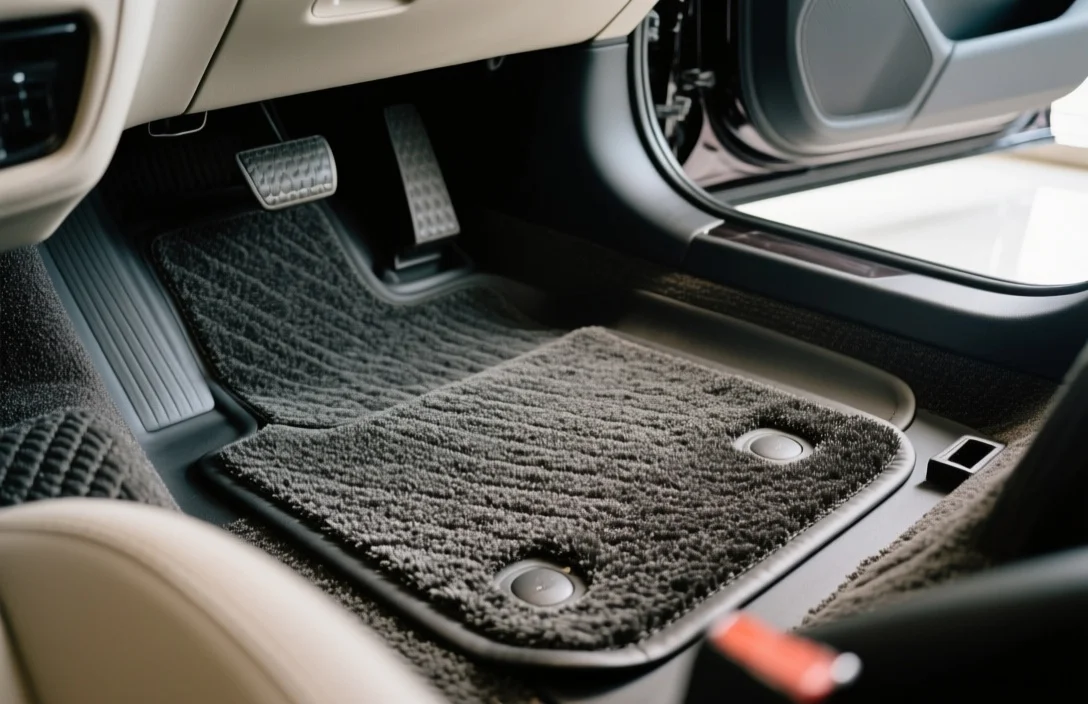
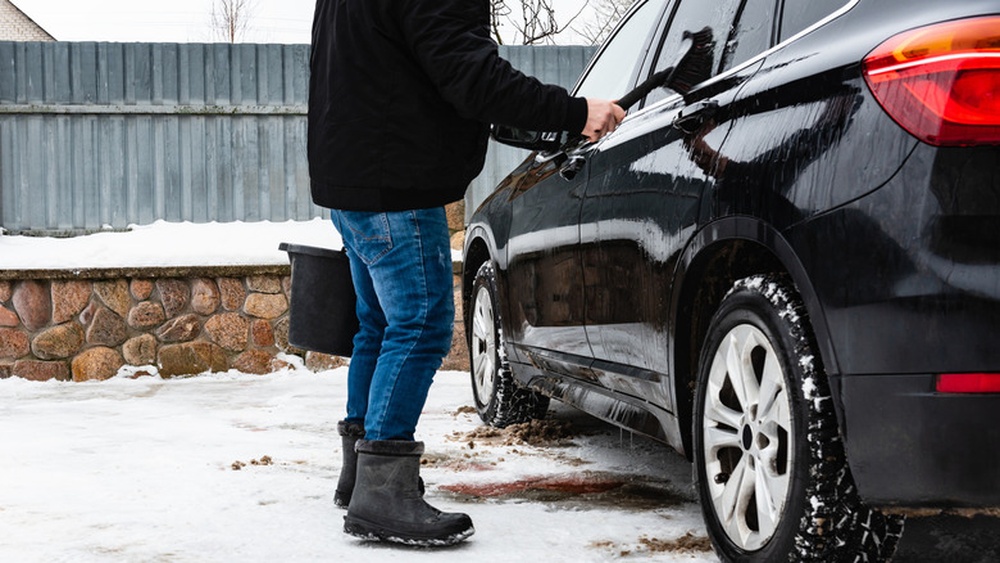
Removing the mats first gives you full access and prevents water from seeping into the vehicle’s carpet. Open each car door, lift the mat out, and give it a quick shake to loosen surface dust. A portable 680‑watt vacuum with a thin hose attachment pulls out sand, pet hair, and road salt, setting the stage for a deeper clean.
Next, prepare a cleaning bucket with warm water and a few drops of mild dish soap or an all‑purpose cleaner. Dip a stiff‑bristle brush into the solution and work in circular motions, covering every corner and the underside of the mat. Rinse the mat with a garden hose or a low‑pressure washer, making sure all soap suds disappear; any residue can make the surface slippery.
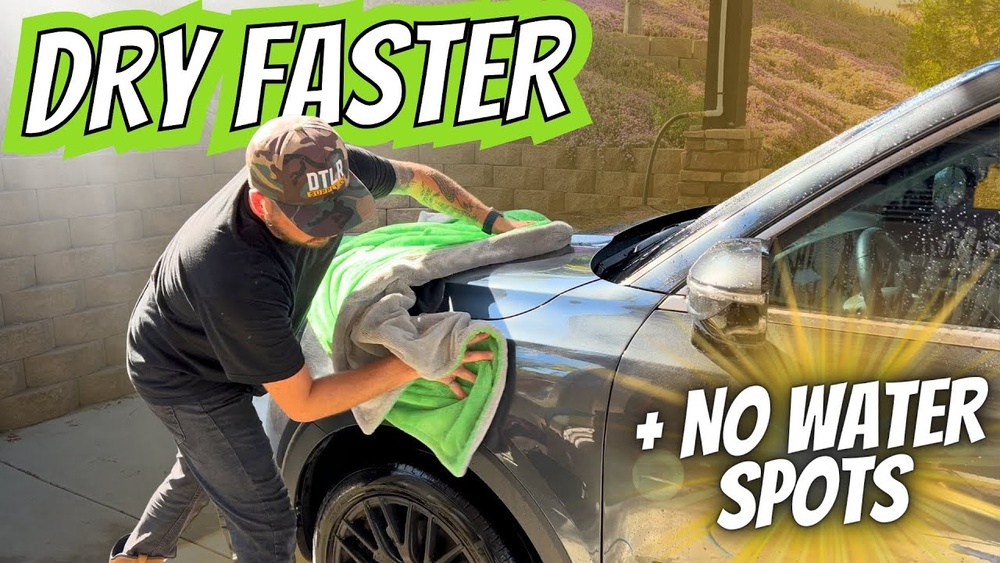
Finally, position the mat in a well‑ventilated area, preferably under direct sunlight or near a fan, and let it dry for at least 24 hours. Check the edges and folds for lingering moisture before sliding the mat back into the car. This complete cycle restores the mat’s appearance and eliminates hidden odors.
Essential Tools for Vacuuming and Scrubbing Mats
A reliable vacuum is the cornerstone of mat cleaning; models with at least 680 watts of suction power and interchangeable hose attachments deliver the best results. Pair the vacuum with a soft‑bristle brush for light debris and a stiff‑bristle brush for stubborn grime.
A bucket, a mild detergent (such as dish soap), and a garden hose or low‑pressure washer complete the toolkit. Optional accessories include a spray bottle for spot treatment, rubber gloves to protect your hands, and a microfiber towel for drying.
| Tool | Recommended Specs | Best For |
|---|---|---|
| Vacuum | 680 W+ suction, hose attachment | All mat types |
| Stiff brush | 3‑inch, synthetic bristles | Rubber & all‑weather mats |
| Soft brush | 3‑inch, nylon bristles | Fabric & carpet mats |
| Garden hose | Adjustable spray, low pressure | Rinsing rubber mats |
| Spray bottle | 16 oz, trigger‑lock | Spot stain pretreatment |
Using the right combination keeps the process efficient and prevents damage to delicate fibers or rubber edges.
Cleaning Rubber and All-Weather Floor Mats
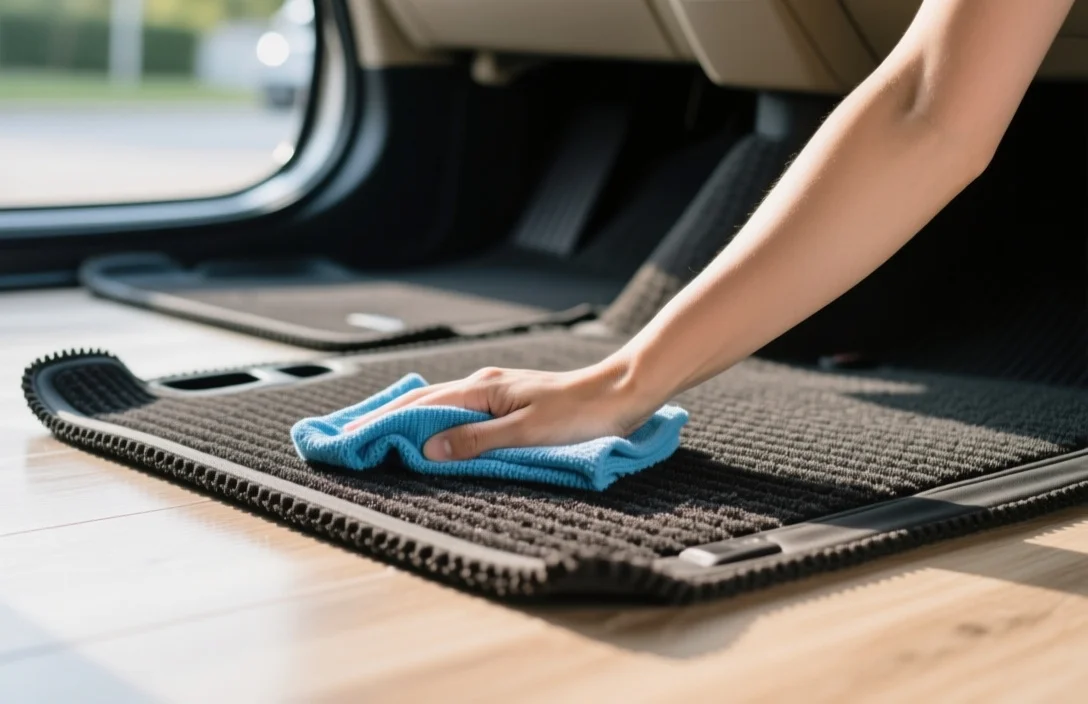
Rubber mats tolerate a more aggressive approach; a simple soap‑water mix and a firm scrub usually restores them to near‑new condition. Begin by hosing off loose dirt, then apply the soapy solution with a stiff brush, focusing on the tread and any creases where mud may hide.
For heavily soiled mats, a low‑pressure washer set no higher than 1,500 psi works well – keep the nozzle at least 12 inches away to avoid tearing the rubber. After washing, rinse thoroughly until the water runs clear, then shake the mat to remove excess water before drying.
If a rubber mat develops a lingering odor, spritz it with a mixture of equal parts water and white vinegar, let it sit for five minutes, then rinse again. This neutralizes the smell without harming the material.
Cleaning Fabric and Carpet Floor Mats
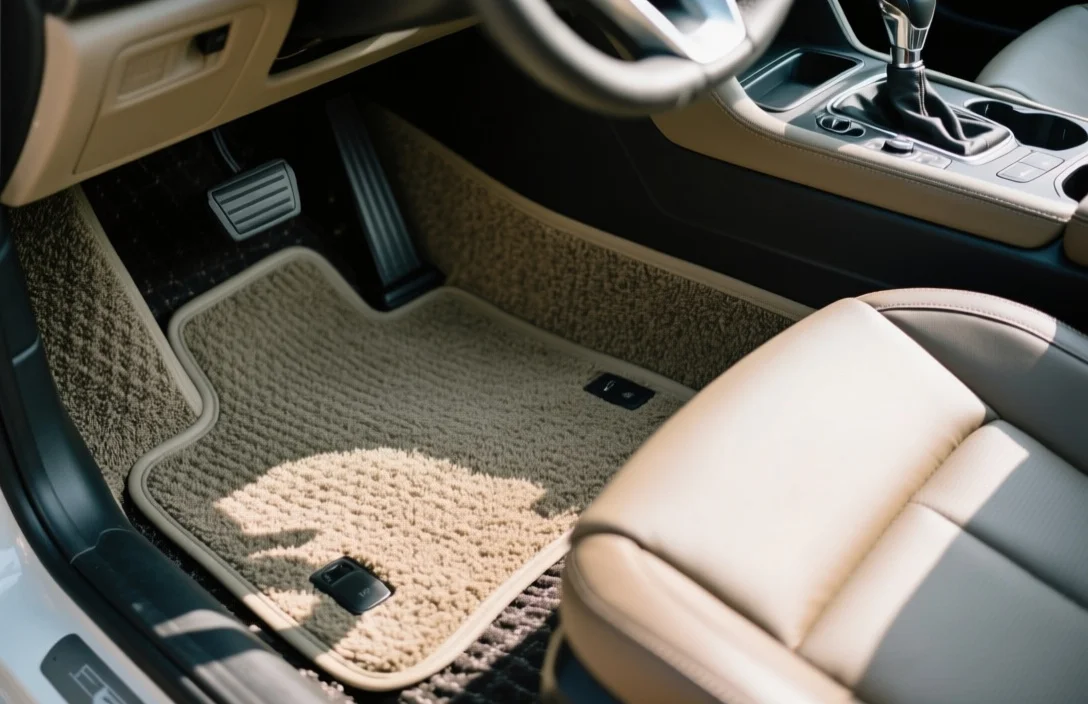
Fabric mats demand gentler handling; excessive water can saturate fibers and cause mildew. Start with a thorough vacuum on both sides, then apply a carpet‑safe detergent diluted according to the label – usually one tablespoon per quart of water.
Using a soft brush, work the solution into the fibers using light, overlapping strokes. For stubborn stains, apply undiluted cleaner directly, let it sit for three to five minutes, then gently agitate with the brush. Rinse by dabbing with a clean, damp microfiber cloth rather than flooding the mat; this limits moisture absorption.
After cleaning, press the mat between two towels and apply light pressure to extract remaining water. Hang the mat in a shaded, breezy spot to finish drying.
Removing Deep Stains and Odors from Mats
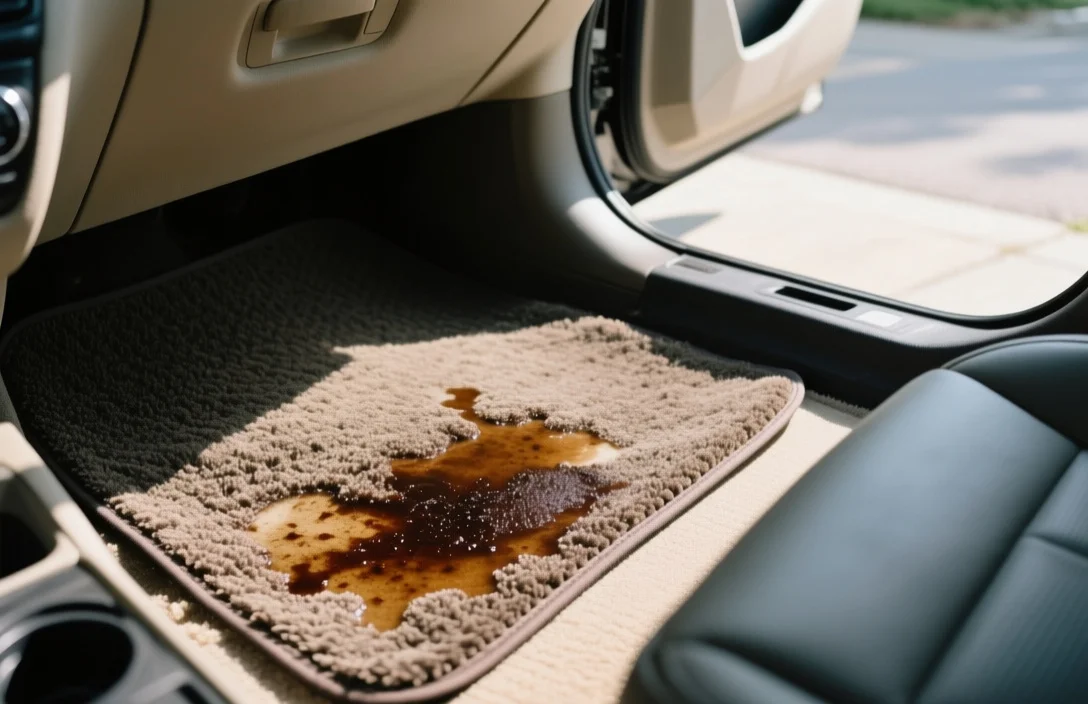
Deep stains often contain oil, grease, or road salt that resist basic soap. Apply a dedicated degreaser or a paste of baking soda and water directly to the spot, allowing it to sit for five to ten minutes. Scrub with a stiff brush, then rinse thoroughly.
Odors linger when moisture remains trapped; a 50/50 solution of water and white vinegar sprayed onto the mat can neutralize bacterial growth. Let the mixture sit for a few minutes before wiping with a damp cloth. For persistent smells, sprinkle baking soda over the dry mat, let it sit overnight, then vacuum it up the next morning.
Always test any cleaner on a hidden area first to ensure it does not discolor or weaken the material.
Drying and Reinstalling Your Clean Floor Mats
Drying is the most overlooked step; a mat that feels dry on the surface can still hold moisture inside. Position the mat near a fan or place it in direct sunlight for at least 24 hours; thicker carpet mats may need up to 48 hours.
Before reinstalling, inspect the mat for any cracks or soft spots that could affect pedal operation. If the mat is completely dry, slide it back into its original slot, ensuring it sits flat and snug against the floor pan. A properly installed mat prevents slippage and maintains the vehicle’s safety standards.
Regular maintenance – vacuuming weekly and a full clean every two to four weeks – keeps mats looking fresh and extends their lifespan.
FAQ
How often should I clean my car floor mats?
Every 2-4 weeks is sufficient for most drivers; increase frequency to weekly if you frequently drive in mud, snow, or rainy conditions.
Can I put car floor mats in the washing machine?
Carpet mats may tolerate a gentle cycle, but rubber, vinyl, and plastic mats should not be machine‑washed; always follow the manufacturer’s instructions.
What is the best vacuum power for removing dirt from mats?
A vacuum with at least 680 watts of suction power and a thin hose attachment provides the most effective debris removal.
How do I prevent mildew after cleaning rubber mats?
Allow the mat to air‑dry for 24-48 hours in a well‑ventilated area, and avoid storing it while still damp.
Which cleaner works best for oil stains on fabric mats?
A dedicated carpet degreaser or a paste of baking soda and water applied for five minutes, then gently scrubbed, removes oil without harming the fibers.