
Outside tire wear usually comes from misalignment, low pressure, hard cornering, or worn suspension.
If you have asked what causes outside tire wear, you are in the right place. I inspect tires every day, and I can read wear like a map. In this guide, I break down what causes outside tire wear, how to diagnose it at home, and the fixes that save money and keep you safe. Read on to spot the real issue fast and avoid buying tires twice.

What outside tire wear looks like and why it matters
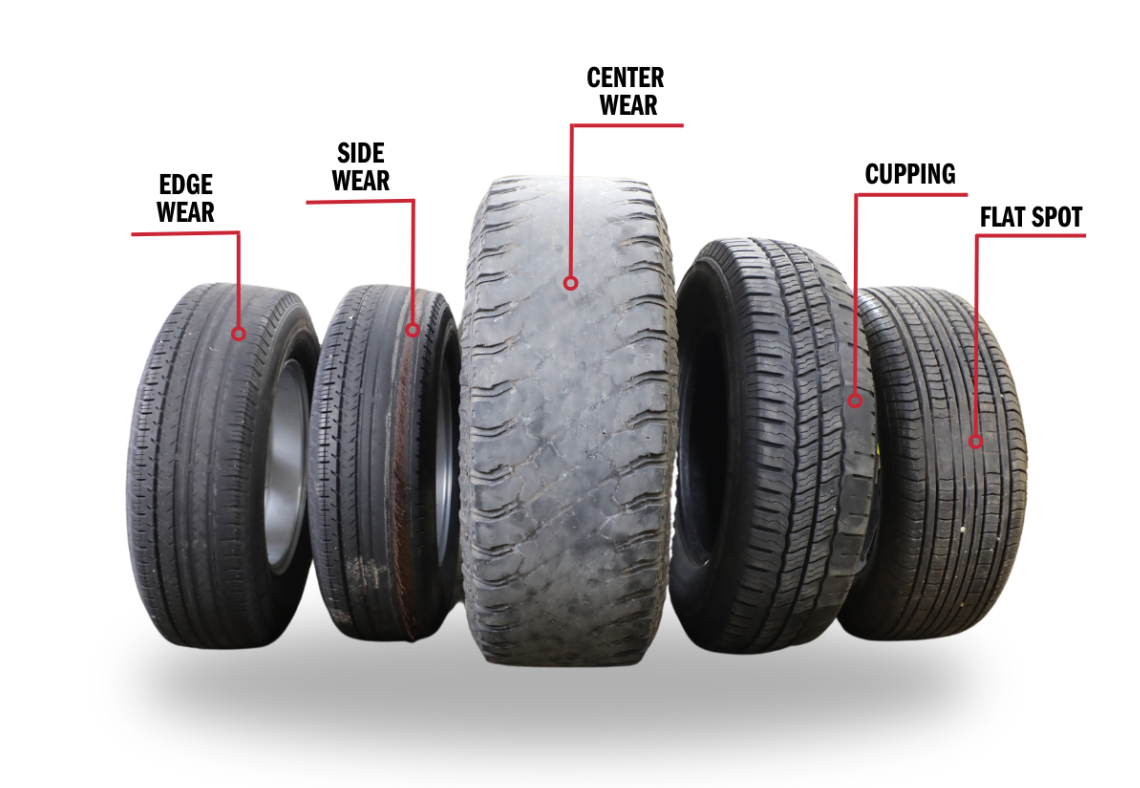
Outside tire wear shows up as a smooth, rounded shoulder on the outer edge. The rest of the tread can look fine. Sometimes you will feel a slight feathering if you run your hand over the blocks.
This pattern means the tire is scrubbing. That scrubbing makes heat. Heat kills tread life and can hurt handling and braking. If you are wondering what causes outside tire wear, it is often a mix of alignment and habit.
You should act early. Edge wear can cut tire life in half. It also points to problems that can affect steering parts and your safety.

The real reasons behind outside tire wear
When people ask me what causes outside tire wear, I look at five things first: pressure, alignment, suspension, load, and driving style. Each one leaves clues.
Incorrect tire pressure (underinflation)
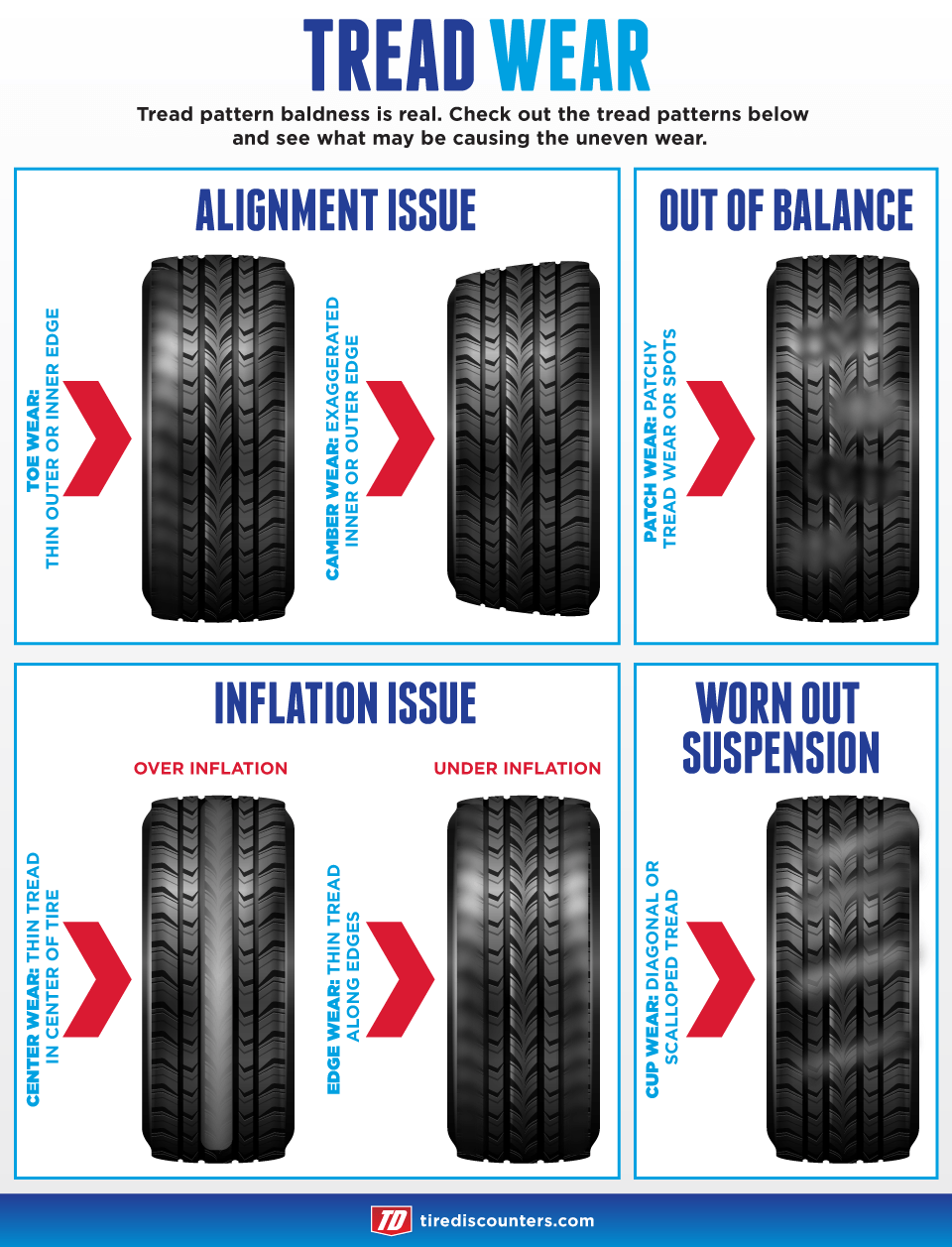
Underinflation makes both shoulders wear faster than the center. On many cars, the outer shoulder wears first because of cornering loads.
What to check:
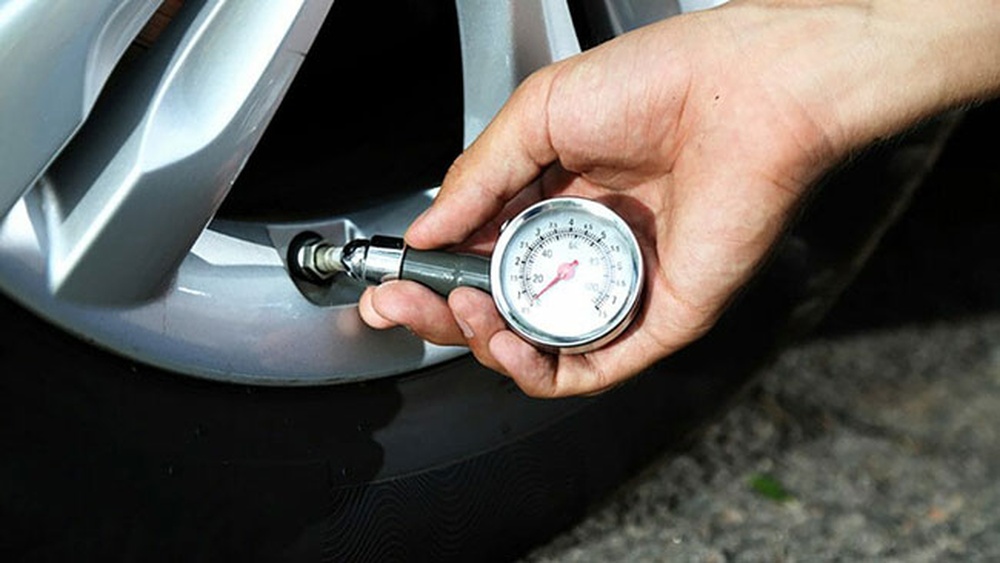
- Use a quality gauge when tires are cold.
- Compare to the door-jamb spec, not the sidewall max.
- Look for wear on both edges.
Quick fix:
- Set pressure to the factory spec and recheck monthly.
- Expect better fuel economy and steadier steering.
Positive camber or camber out of spec
Camber is the tilt of the tire. Too much positive camber leans the tire outward. That presses the outside shoulder into the road.
Clues:
- Outside edge is worn smooth; inside edge looks fine.
- Car may pull or feel vague on center.
Fix:
- Get a four-wheel alignment and request a printout.
- On cars with limited camber adjustment, worn struts or bent parts may need replacement.
Toe misalignment
Toe is the inward or outward angle of tires when viewed from above. Excess toe-out can scrub the outside shoulder during turns, especially on the front axle.
Clues:
- Fine feathering across tread blocks.
- Steering wheel off-center, or the car wanders.
Fix:
- Align to factory toe settings.
- Replace worn tie rods before setting toe.
Worn suspension components
Loose or tired parts let wheels change angles while moving. That causes uneven contact and edge wear.
Usual suspects:
- Ball joints, control arm bushings, strut mounts.
- Worn shocks or struts that allow body roll.
Fix:
- Inspect with the car lifted and wheels free.
- Replace the worn part, then align.
Aggressive cornering and fast ramps
Hard cornering loads the outer shoulders. Think freeway cloverleafs taken fast, or tight city turns every day.
Tell-tales:
- Outside wear worse on front tires.
- Track-day use or mountain driving with lots of heat cycles.
What to do:
- Rotate more often.
- Add a degree of negative camber if your car allows it.
- Slow slightly into turns; be smooth on exit.
Overloading or towing
Extra weight increases body roll and shoulder load. This is common with crossovers full of gear or pickups towing.
What to try:
- Set tire pressure for load per the owner’s manual.
- Consider load-rated tires if you tow often.
- Align with a typical load in the vehicle.
Skipped tire rotations
Front tires do more work on most cars. If you never rotate, the fronts develop outside wear first.
Plan:
- Rotate every 5,000 to 7,500 miles, or at each oil change.
- Use a tread depth gauge and rotate sooner if one axle is 2/32 inch lower.
Bent wheels, hubs, or knuckles
Curb hits can bend parts. Even a small bend can move camber or toe.
Red flags:
- Vibration, steering shimmy, or a wheel that will not balance.
- Visible rim damage, wheel sitting off-center in the well.
Remedy:
- Check wheel runout on a balancer.
- Replace bent parts and align.
Aftermarket lifts, leveling, or lowering
Ride height changes alignment. If not corrected, outside edges suffer.
What to watch:
- Lifted trucks often show outside wear from positive camber and toe shift.
- Lowered cars need camber kits or slotted bolts.
Action:
- Align right after any suspension change.
- Request custom specs that suit your setup and tires.
A quick real-world example from my bay
A customer came in with outside wear on the front left only. He swore his pressure was perfect. The alignment showed positive camber on that corner. We found a bent strut from a pothole. New strut, fresh alignment, and the new tire wore even from then on. If you ask what causes outside tire wear in cases like this, the hidden hit is often to blame.

How to diagnose outside tire wear at home
You can find most root causes with a few simple checks. When people ask me what causes outside tire wear, I start with these steps before touching an alignment rack.
Step-by-step:
- Check pressure cold with a digital gauge and set to the door-jamb spec.
- Measure tread depth across the tire: inner, center, outer. Note any 2/32 inch or more difference.
- Feel for feathering by sliding your hand along the tread in both directions.
- Look for cupping, bulges, or cords. If you see cords, stop driving.
- Bounce each corner. If the car keeps oscillating, your shocks or struts are tired.
- Check for play by rocking each wheel at 12 and 6 o’clock, then 3 and 9 o’clock.
When to see a pro:
- Steering wheel is off-center or the car pulls.
- You hit a curb or deep pothole recently.
- You replaced suspension parts and have not aligned yet.

Fixes and prevention that actually work
What causes outside tire wear is not always one thing. Tackle the basics first, then lock them in with a plan.
Do this now:
- Set tire pressures to spec and recheck monthly.
- Book a four-wheel alignment and ask for before/after printouts.
- Replace any loose ball joints, bushings, or tie rods before alignment.
Build a simple routine:
- Rotate every 5,000 to 7,500 miles.
- Inspect tread edges at every fuel fill while the car is parked.
- Keep loads reasonable; adjust pressure for towing or trips.
If you drive hard:
- Ask for a touch more negative camber within spec.
- Choose tires with stronger shoulders.
- Warm up tires before pushing on twisty roads.
What I’ve learned:
- The cheapest tool is a good gauge. It saves tires and fuel.
- Alignment fixes do not stick if parts are worn.
- Smooth inputs beat brute speed. It is kinder to tires and brakes.
Costs, timelines, and when a tire is done
People often ask what causes outside tire wear to turn into a full tire replacement. The answer is depth and damage.
Typical costs:
- Four-wheel alignment: 90 to 200 dollars.
- Suspension parts: 100 to 800 dollars per corner depending on parts and labor.
- New tire: 100 to 300 dollars each, more for performance fitments.
Timelines:
- If the outer edge is 2/32 inch or less, replace that tire now.
- If cords show, park the car. Do not risk a blowout.
- After the fix, recheck wear at 500 and 1,500 miles to confirm the pattern is stable.
Safety impact you should not ignore
Outside shoulder wear reduces cornering grip most when you need it. In wet turns, the worn edge hydroplanes first. Stopping distances can grow, and the car may understeer. If you wonder what causes outside tire wear to become a safety issue, it is the mix of heat, thin rubber, and water.
I have seen ABS kick in early on cars with thin shoulders. The fix was not new brakes. It was proper alignment and fresh rubber.

Road, climate, and seasonal factors
Hot climates soften tread and speed edge wear. Rough city streets, crowned roads, and gravel also chew at shoulders. Snow tires with soft compounds can show outside wear fast if run in warm spring weather.
Tips:
- Swap seasonal tires on time.
- Raise pressure a touch within spec for heavy highway travel with heat.
- If most of your miles are city corners, rotate more often.
If you still ask what causes outside tire wear after you fix alignment and pressure, look to your roads and habits. The surface you drive on every day writes the story of your tread.
Frequently Asked Questions of what causes outside tire wear
What causes outside tire wear on front tires only?
Front tires steer and carry engine weight, so they see more cornering load. Misalignment, underinflation, and quick turn-ins make the outer shoulders wear first.
Can bad shocks cause outside tire wear?
Yes. Worn shocks allow extra body roll and uneven contact. That loads the outer shoulder in turns and amplifies existing alignment issues.
Does toe or camber cause more outside wear?
Positive camber is the usual driver of outside edge wear. Excess toe-out adds scrub that makes it worse, especially during turns.
Will an alignment fix my already worn outer edge?
An alignment stops further abnormal wear but cannot regrow rubber. If the edge is thin, replace the tire and then align to protect the new one.
How often should I rotate to prevent outside wear?
Every 5,000 to 7,500 miles is a safe rule. Rotate sooner if the front tires drop 2/32 inch faster than the rears.
Is outside tire wear dangerous in the rain?
Yes. A thin outer shoulder loses contact first in wet turns, raising hydroplane risk. Braking and steering response both suffer.
Can driving with low tire pressure cause outside wear fast?
It can, sometimes within a few thousand miles. Low pressure flexes the sidewall and pushes both edges into the road, heating and wearing them out.
Conclusion
Outside tire wear has clear causes: pressure, alignment, suspension health, load, and the way you drive. Learn the pattern, check pressure often, fix worn parts, and align with proof. A small habit change today is cheaper than a full tire set tomorrow.
Take five minutes this week to gauge each tire, look at the edges, and book an alignment if needed. Want more hands-on guides like this? Subscribe for updates or drop a question in the comments, and I will help you sort it out.