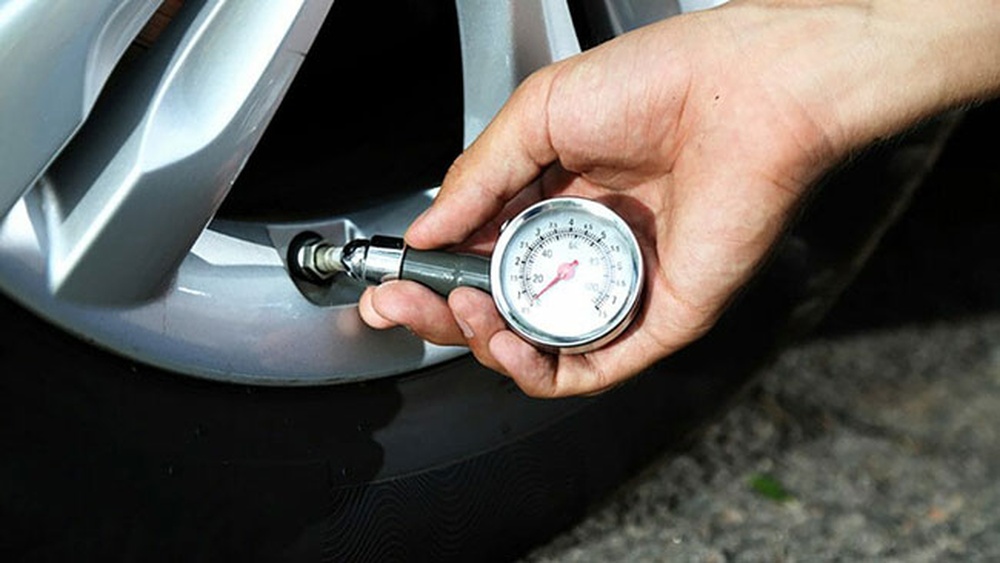

Most center tread wear comes from overinflation, sometimes worsened by rim or size mismatch.
If you’re asking why is my tire wearing in the middle, you’re in the right place. I’ve spent years diagnosing odd wear patterns, and middle tread wear is one of the most common and preventable. Below, I break down why is my tire wearing in the middle, how to confirm the cause, how to fix it fast, and how to stop it from coming back. Expect clear steps, real shop examples, and expert-backed guidance you can trust.

What “middle tire wear” actually means
Middle wear is a pattern where the center ribs or blocks lose tread faster than the shoulders. The tire looks crowned. You may notice the center is slick while the edges still have decent depth.
Key signs:
- Center grooves are shallow compared to the outer grooves.
- The tire feels skittish on wet roads.
- No strong feathering or cupping on the edges.
Why is my tire wearing in the middle? In most cases, air pressure is the culprit. Too much air shrinks the contact patch to the center, so the center does all the work and wears out first.

The main causes of middle tread wear
If you’re wondering why is my tire wearing in the middle, start with these common reasons:
-
Overinflation
- Filling to the sidewall number instead of the door placard pushes the center into the road.
- Hot inflation after driving adds pressure and can tip you into overinflation.
- TPMS does not warn for overinflation, so you can be high and never see a light.
-
Wrong rim width for the tire
- A tire on a rim that is too narrow can “crown” the tread.
- This compresses the shoulders and loads the center.
-
High sustained speed with high pressure
- At highway speed, pressure and tire growth rise.
- If you already start high, the center gets extra load and heat.
-
Lightly loaded vehicle on high-load tires
- LT or XL tires at commercial-style pressures on a light SUV can ride on the middle.
- Use the door placard, not the max on the sidewall.
-
Aggressive straight-line driving
- Hard launches on powerful RWD cars can add some center wear.
- This usually shows up with overinflation too.
Worth noting: Classic alignment problems usually eat the inner or outer edges, not the center.

How to diagnose the exact reason at home
If you still ask yourself why is my tire wearing in the middle, confirm it with a quick, clean check. You need a good tire gauge and a simple tread depth gauge.
- Check cold inflation pressure
- Park overnight. Measure before driving.
- Compare to the door placard, not the sidewall.
- More than 2–3 psi over placard? That alone can explain center wear.
- Measure tread depth across the tire
- Take depth at inner shoulder, center, and outer shoulder.
- If the center is at least 1/32 inch lower than both shoulders, you have true center wear.
- Record all four tires. Patterns tell a story.
- Check rim and tire size match
- Look up the approved rim width range for your tire size.
- If your wheel is narrower than the range, the tread can crown.
- Review your driving and load
- Do you tow or haul? Do you run highway miles at high speed?
- Did you add pressure “for better MPG”? That can backfire.
- Rule out other wear types
- Cupping or scallops point to shock or balance issues.
- Feathering points to toe misalignment, not center wear.
If after these checks you still ask why is my tire wearing in the middle, it’s almost always pressure-related, with wheel width a close second.

Fixes that actually work
You do not need guesswork. Do the simple things first. This is what I do in the shop when a customer asks why is my tire wearing in the middle.
-
Set pressure to the placard
- Use a quality digital gauge.
- Adjust cold. Recheck after a week.
-
Reset or relearn TPMS if needed
- Some cars need a reset after pressure changes.
- Note: TPMS will not alert you if you are overinflated.
-
Rotate tires now
- Follow your owner’s manual pattern.
- Directional tires usually go front-to-back on the same side.
- This helps even out the center wear that already started.
-
Inspect alignment
- Alignment will not cause center-only wear, but a check is cheap peace of mind.
- Correct toe can prevent new uneven patterns.
-
Replace if worn out
- At 2/32 inch, the tire is done. At 4/32 inch, wet grip drops fast.
- Replace in pairs on the same axle at minimum. All four is best for AWD.
-
Correct tire and wheel match
- If your wheel is too narrow for the tire, choose a proper rim width or a better tire size.
When customers ask, “why is my tire wearing in the middle,” 8 out of 10 times we fix it by setting pressure to the placard and rotating on time.

Prevention checklist you can follow every month
If your main concern is why is my tire wearing in the middle, build this simple routine.
-
Check tire pressure monthly
- Measure cold and after big weather swings.
- Expect about 1 psi change for every 10°F swing in temperature.
-
Use the placard number
- The placard reflects your vehicle’s weight and balance.
- Only raise pressure for specific loads if the manual says so.
-
Rotate every 5,000 to 7,500 miles
- Tie it to oil changes so you never forget.
-
Choose the right tire size and rim width
- Use the tire maker’s approved rim width range.
- Avoid “stretched” or “pinched” setups for daily use.
-
Inspect tread across the width
- Look for trends early.
- Catching it at 1/32 inch difference saves a set of tires.
-
Be cautious with nitrogen claims
- Nitrogen can slow pressure change, but you still need monthly checks.
Follow this and you will not have to ask why is my tire wearing in the middle again.
Safety and cost risks of ignoring middle wear
Center wear is not just a cosmetic issue. If you keep driving while asking why is my tire wearing in the middle, these are the real downsides.
-
Reduced wet traction
- The center grooves move water. If they are gone, hydroplaning risk jumps.
-
Longer stopping distances
- Less rubber on the road means less grip, especially in rain.
-
Higher blowout risk with heat
- Overinflation plus heat is hard on the casing.
-
Wasted money
- You will replace tires thousands of miles early.
- Any small fuel gain from higher pressure is not worth the cost or risk.

Real-world example from my bay
A small SUV rolled in with 40 psi in all four tires. The door placard called for 32 psi. The owner asked me why is my tire wearing in the middle. The front centers measured 4/32 inch, while the edges showed 6/32 inch. No alignment issues. We set pressure to 32 psi, rotated front to back, and the wear stabilized. The owner avoided a full set of tires and got another season out of them.
I’ve seen the same pattern after quick oil-stop visits where techs “top off” to the sidewall max. If you are still wondering why is my tire wearing in the middle, check who last touched your tires and verify the numbers yourself. A $20 digital gauge can save hundreds.

Frequently Asked Questions
Does middle tire wear always mean overinflation?
Not always, but it is the top cause. A tire on a rim that is too narrow or a heavy-load tire on a light car at high pressure can also cause center wear.
Can a bad alignment cause the center to wear out first?
Classic alignment issues eat inner or outer shoulders, not the center. Still, an alignment check is smart to rule out toe or camber issues that can stack with pressure mistakes.
Should I run below the placard to fight center wear?
No. Running low can overheat the tire and wear the shoulders. Use the placard pressure and confirm it cold with a good gauge.
Is a tire with center wear safe to drive?
It depends on tread depth, road conditions, and speed. If the center is under 4/32 inch and you drive in rain, replace soon to avoid hydroplaning.
How often should I check tire pressure?
Check monthly, before road trips, and after big temperature swings. Tires can lose about 1 psi per month and 1 psi for each 10°F drop.
Can EVs or hybrids show center wear more often?
They can if owners chase range with extra pressure. Follow the placard, which already accounts for vehicle weight and balance.
Do I need to replace tires in pairs if only the centers are worn?
Yes, replace at least in pairs on the same axle for balanced grip and braking. AWD systems may require four at once; check your manual.
Conclusion
If you keep asking why is my tire wearing in the middle, the answer is usually right on your door placard. Set pressure cold to the recommended number, rotate on time, and match tires to proper wheel widths. Do those three things and you will save money, grip better in rain, and drive safer every day.
Take five minutes today to check your pressures and measure tread across the width. If you found this helpful, share it with a friend, subscribe for more practical car care tips, or drop your questions in the comments.