

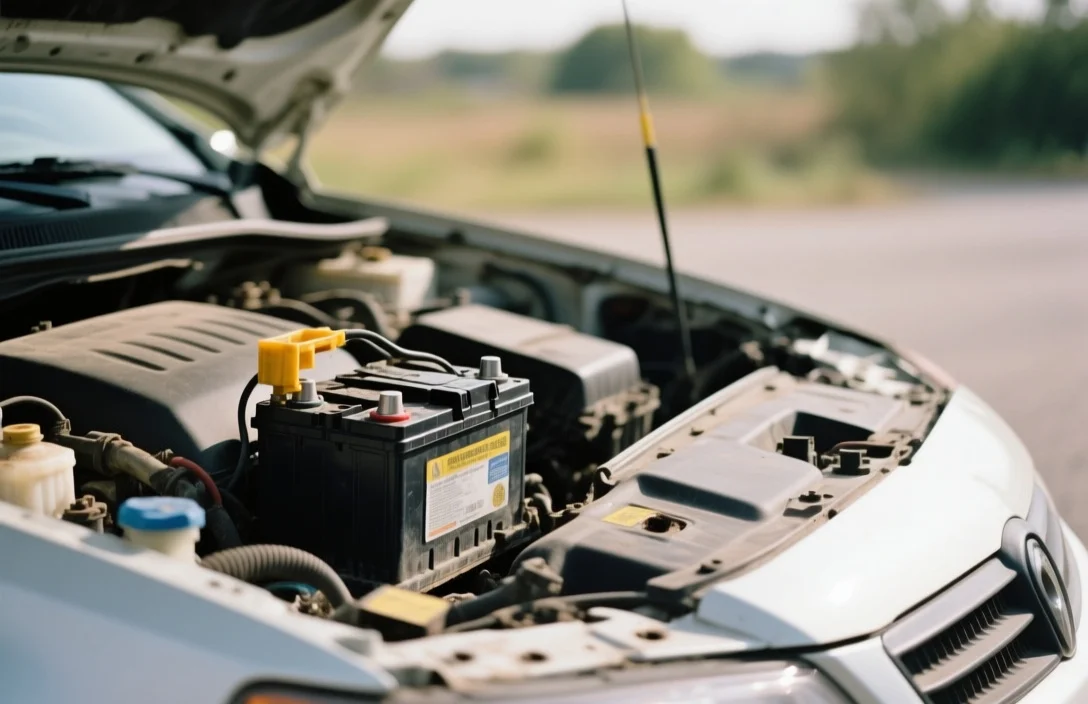
Your car battery dying is a frustrating way to start the day, but it is rarely a mystery. A dead battery usually means age, a bad alternator, or a parasitic drain. Replace it if it is older than 3 to 4 years or if the resting voltage is under 12.4 volts. A car battery keeps dying because it cannot hold a charge, cannot be charged while driving, or is being drained by something left on while the car is off.
Check battery age – Replace units older than 3-4 years.
Inspect alternator output – It must recharge the battery while driving.
Test for parasitic draw – Look for drains over 50 milliamps.
Clean corrosion off terminals – Residue blocks electrical flow.
Avoid short trips – They don’t give the battery time to recharge.
Why Does My Car Battery Keep Dying Find Root Causes?
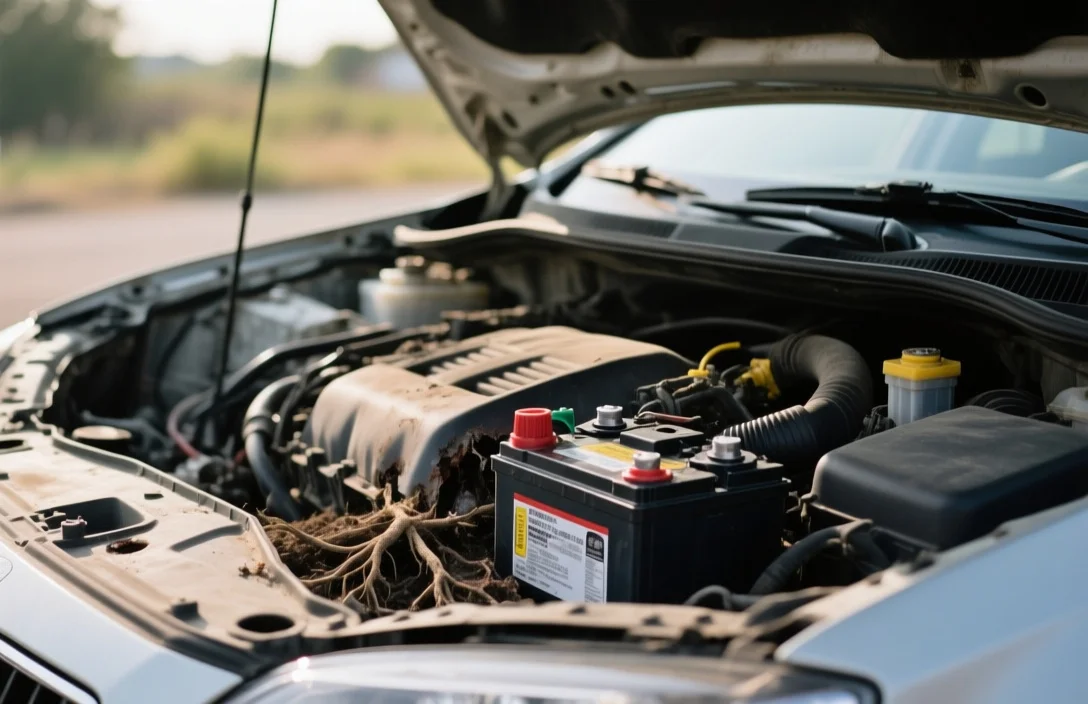
Leaving lights on, corrosion buildup, and loose cables are all common reasons that a battery will repeatedly fail. The root causes usually fall into three buckets: a charging system failure, an internal battery fault, or an external power drain. If your battery dies out mid-ride, your alternator is likely the main culprit since the alternator is responsible for recharging your battery as you drive.
The alternator is the battery’s only charging source while the engine runs. It takes mechanical energy from the belt and turns it into electrical energy to power your vehicle’s systems and recharge the battery. If this system fails, the battery has no way to recover the energy used to start the car or run the radio. A simple test involves turning on the headlights with the engine off. If the lights dim when you crank the starter, the charging system is likely not doing its job.
Old Battery Age and Sulfation Explained
A car battery older than 3 or 4 years is more likely to die repeatedly due to internal sulfation. Lead-acid batteries contain lead plates submerged in sulfuric acid. When the battery discharges, lead sulfate crystals form on those plates. If the battery remains discharged for too long, these crystals harden and make the plates unable to accept a charge. Sulfation is the leading cause of battery failure in older units.
Batteries naturally weaken and die over time, regardless of how well you treat them. Most auto parts stores have battery testers that measure voltage under an electrical load to simulate how the battery performs while starting a car. This is the best way to determine if the battery has lost the capacity to hold a charge. If your battery is over 4 years old and keeps dying, sulfation is unlikely to be reversible, and replacement is the only solution.
Diagnosis Table by Age and Condition
| Condition | Battery Age | Recommended Action | Notes |
|---|---|---|---|
| Discharged, known external cause | Under 3 years | Slow recharge + retest | Fix root cause before recharging |
| Discharged, no clear cause | Under 3 years | Full diagnostic before any action | Parasitic draw is the likely culprit |
| Any discharge pattern | 3-4 years | Recharge + conductance test | Replace if CCA is under 75% of rated |
| Any discharge pattern | Over 4 years | Replace | Sulfation is unlikely to be reversible |
| Resting voltage under 10.5 V | Any age | Replace immediately | Deep-discharge damage is permanent |
Faulty Alternator or Voltage Regulator Issues
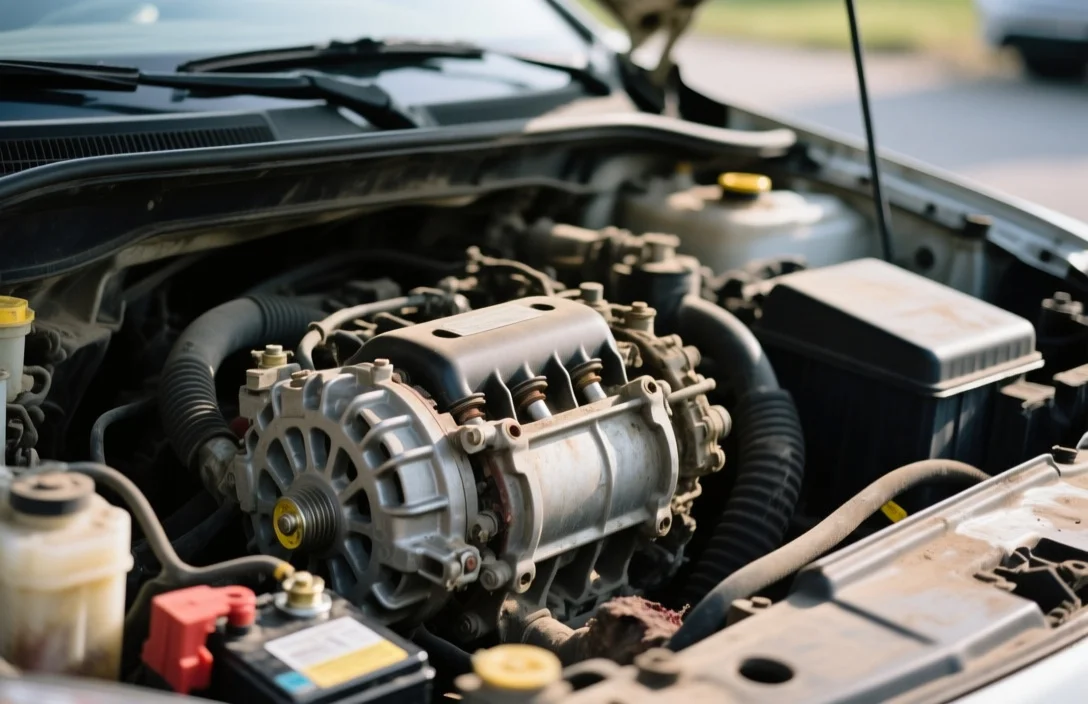
A faulty alternator prevents the battery from recharging while you drive. The alternator is driven by a belt connected to the engine, and it must maintain a specific voltage range, typically between 13.5 and 14.5 volts, to charge the battery properly. If the voltage regulator fails, the alternator might overcharge the battery, boiling the electrolyte, or undercharge it, leaving the battery dead after a short drive.
Diode failure inside the alternator rectifier creates another problem. A failed diode allows electricity to flow backward, acting like a drain on the battery even when the car is off. Our team has measured parasitic draws as high as 300 mA from a single failed alternator diode. This reverse current can empty a battery in a few hours. You should test the alternator output with a multimeter whenever a battery dies repeatedly after a short drive.
Corroded or Loose Terminals Causing Power Drain
Corroded or loose battery terminals create resistance that prevents proper charging and starting. The corrosion you see on the battery posts usually looks like a white or greenish powdery substance. This is caused by hydrogen gas escaping the battery and reacting with the metal terminals. This buildup creates a gap that blocks the flow of electricity from the battery to the rest of the car.
Loose cables can vibrate loose over time, especially if the battery is not secured tightly in its tray. A loose connection means the alternator cannot push current into the battery effectively. Cleaning the terminals involves disconnecting the cables, removing the corrosion with a wire brush or baking soda and water solution, and tightening the clamps until they are snug. This is one of the most common and easiest fixes for a car that will not hold a charge.
Extreme Cold Weather Effects on Battery Performance
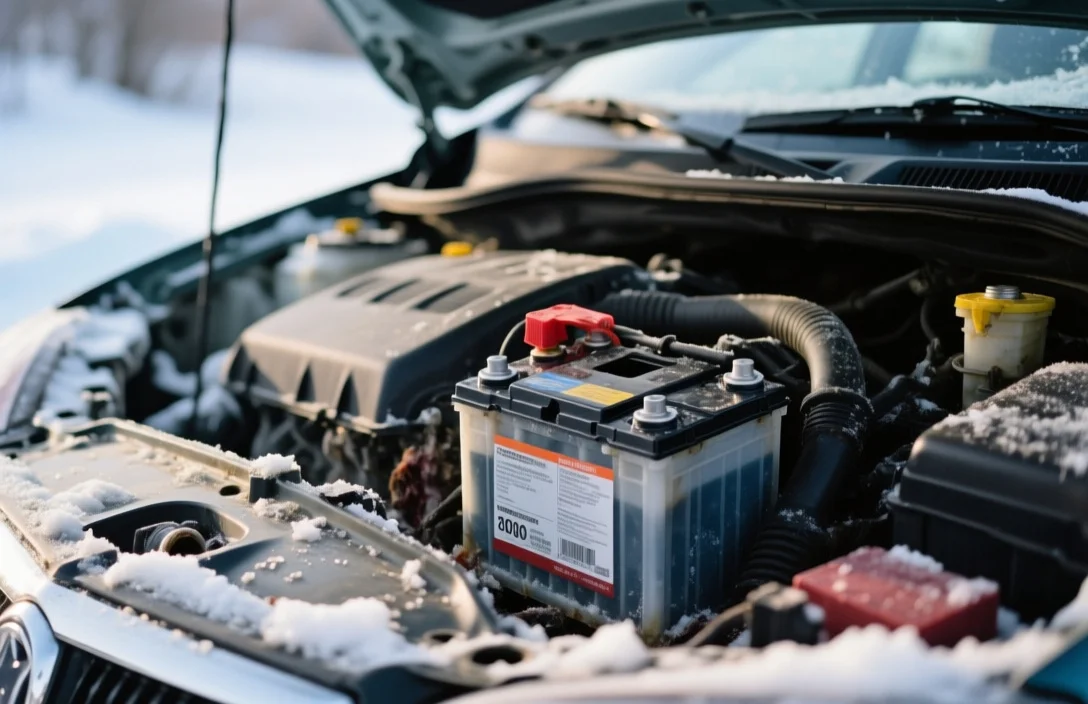
Extreme cold weather reduces a battery’s chemical reaction rate and cranking power. The electrolyte inside the battery becomes thicker in low temperatures, making it harder for the chemical reaction to produce electricity. A battery might show 12.6 volts on a meter when the car is off, but that voltage can drop below 10 volts when you try to start the engine in freezing conditions.
If it is incredibly cold, drive your vehicle every day for at least 20 minutes to keep the battery from dying. You should also ensure your oil is fully tipped off, as thick oil makes the engine harder to turn, placing a heavier load on the battery. If it is extremely hot, park in the shade or in a garage and avoid running the radio or other accessories while the car is off. Heat kills batteries faster than cold, accelerating the evaporation of water from the cells.
Short Trips and Parasitic Drain Impact
Short trips often fail to recharge a battery that has been discharged by a previous drain. When you drive, the alternator generates electricity to power the car and recharge the battery. A 20-minute drive in city traffic might generate enough power to run the lights and radio, but it may not produce enough surplus energy to restore the charge used to start the engine. This pattern leads to a slow, steady decline in battery health.
Parasitic drain is the most common reason a battery dies overnight or after a few days sitting in a driveway. Every vehicle draws a small standby current – typically 20 to 50 milliamps – to maintain ECU memory, the clock, and anti-theft systems. When that draw climbs above 50 mA due to a stuck relay, a module that never enters sleep mode, or a faulty body control module, the battery will go dead over time. Advanced testing requires pulling fuses one by one to identify the circuit causing the drain.
Wrong Battery Size or Physical Damage Risks
Using a battery that is the wrong size or group number can lead to vibration damage and poor connections. Batteries are designed to fit specific battery trays and hold-downs. If a battery is too small, it can rattle around, damaging the internal plates. If it is too large, it might not make full contact with the terminals, causing arcing and heat.
Vibration breaks the internal lead plates inside the battery, which shortens its life significantly. Physical damage can also occur if the battery is dropped or if the casing is cracked, allowing acid to leak. Batteries are surprisingly robust, but they are not immune to impact. If you recently had your battery replaced and the problem started shortly after, check that the new battery is the correct size and is secured tightly.
FAQ
How do I test if my car battery is dead?
You can test a car battery with a simple multimeter set to the DC voltage setting. A fully charged battery should read 12.6 volts. If the reading is below 12.4 volts, the battery is discharged. If it drops below 10.5 volts, the battery has suffered deep-discharge damage and should be replaced immediately.
Does a bad alternator make a car battery die quickly?
Yes, a bad alternator will make a car battery die quickly. The alternator is responsible for recharging the battery while the engine runs. If the alternator fails, the battery will only have the charge it had when you parked the car, and it will die after the car sits for a short period.
Can a car battery die in one day?
A car battery can die in one day if there is a parasitic drain or a faulty alternator. A parasitic drain pulls power from the battery even when the car is off. A failed alternator diode can also drain the battery in a few hours by allowing electricity to flow backward out of the battery.
Is it better to jump-start or replace the battery?
It is better to test the battery before deciding whether to jump-start or replace it. If the battery is under 3 years old and holds a charge after a slow recharge, you can save money by fixing the root cause. If the battery is over 4 years old or fails a load test, replacement is the most reliable solution.
Why does my battery die when I leave the car sitting?
Your battery dies when you leave the car sitting because of parasitic drain or an old battery. The car draws a small amount of power to keep systems like the clock and security module running. If the battery is old and cannot hold a charge, this small drain will eventually deplete it completely.