

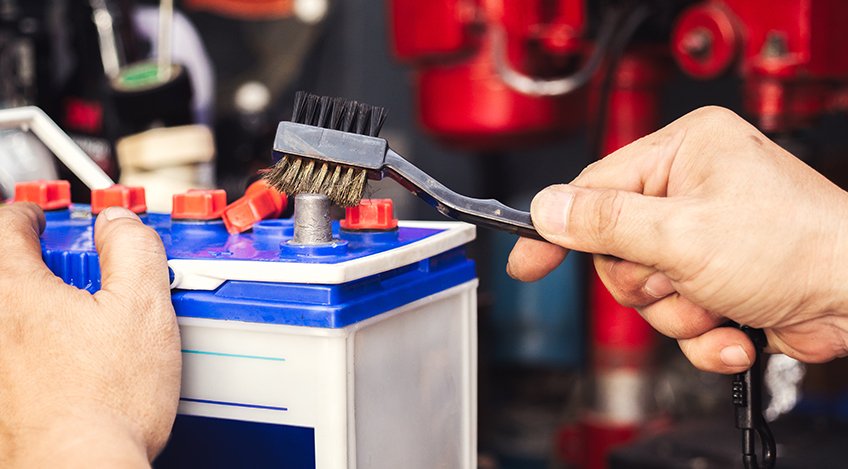
Maintaining a car battery involves regular cleaning, checking fluid levels, monitoring voltage, securing it properly, and preventing deep discharges to extend its lifespan and ensure reliable starting.
As someone who’s spent years under the hood, navigating everything from classic muscle cars to the latest hybrids, I can tell you firsthand that the car battery is often the most overlooked component until it suddenly decides to quit on you. There’s nothing quite as frustrating as turning the key and hearing nothing but a disheartening click, especially when you’re already running late. This article will thoroughly guide you on how to maintain a car battery, transforming it from a mysterious black box into a reliable power source you understand and care for. By the end, you’ll possess the expertise to significantly extend your battery's life, saving you time, money, and unexpected headaches.
Understanding Your Car Battery: The Heartbeat of Your Ride
Think of your car battery as the unsung hero, the vital organ that kickstarts your vehicle's engine and powers its complex electrical systems when the engine isn't running. It's a critical component, quietly working behind the scenes, and its health directly impacts your vehicle's reliability. Understanding its basic function and how it works is the first step in learning how to maintain a car battery effectively. Without a well-maintained battery, your car simply won't go.
What is a Car Battery?
At its core, a car battery is an electrochemical device designed to convert chemical energy into electrical energy. Most modern car batteries are 12-volt lead-acid batteries, comprising six cells, each producing about 2.1 volts. These cells contain lead plates immersed in an electrolyte solution of sulfuric acid and water. When you start your car, this chemical reaction provides the burst of electricity needed to turn the starter motor. Once the engine is running, the alternator takes over, powering the electrical systems and recharging the battery for the next start.
Types of Car Batteries
While the traditional flooded lead-acid battery remains common, battery technology has evolved. We now have several types, each with its own characteristics:
- Flooded Lead-Acid Batteries (SLA): These are the conventional batteries, requiring occasional maintenance to check and top off electrolyte levels. They are generally the most affordable.
- Absorbed Glass Mat (AGM) Batteries: AGM batteries use a special fiberglass mat to absorb the electrolyte, making them spill-proof and maintenance-free. They offer better performance in extreme temperatures and are more resistant to vibration.
- Enhanced Flooded Batteries (EFB): A step up from standard flooded batteries, EFBs offer improved cyclic durability and are often found in vehicles with start-stop technology.
- Gel Cell Batteries: Similar to AGM, gel batteries use a silica-based gel to suspend the electrolyte. They are very resistant to vibration and deep discharge but are less common in standard automotive applications.
Why Battery Maintenance Matters
Proper car battery maintenance isn't just about avoiding a dead battery; it's about optimizing your vehicle's overall performance and longevity. A healthy battery ensures efficient starting, consistent power delivery to all electronic components, and even contributes to the longevity of your alternator by reducing its workload. Neglecting how to maintain a car battery can lead to premature failure, leaving you stranded, and incurring unexpected replacement costs. It truly is an investment in your peace of mind and your vehicle's future.
.jpeg)
Essential Steps to Maintain a Car Battery
Taking proactive steps to maintain a car battery is far less hassle than dealing with a sudden breakdown. Over the years, I've seen countless drivers save themselves trouble by simply adhering to a few basic, yet incredibly effective, maintenance routines. These practices not only extend the battery's life but also ensure consistent, reliable performance every time you turn the key.
Regular Cleaning of Terminals
Corrosion is the arch-nemesis of your car battery. It appears as a white, blue, or green powdery substance around the terminals, and it's essentially a resistance point that hinders the flow of electricity.
- Why it's crucial: Even a thin layer of corrosion can significantly impede your battery's ability to deliver power, leading to slow starts or even a complete failure to crank. It acts like a bottleneck in the electrical circuit.
- How-to steps:
- Always wear safety glasses and gloves.
- Disconnect the negative (-) cable first, then the positive (+) cable.
- Create a paste using baking soda and water, or use a specialized battery terminal cleaner.
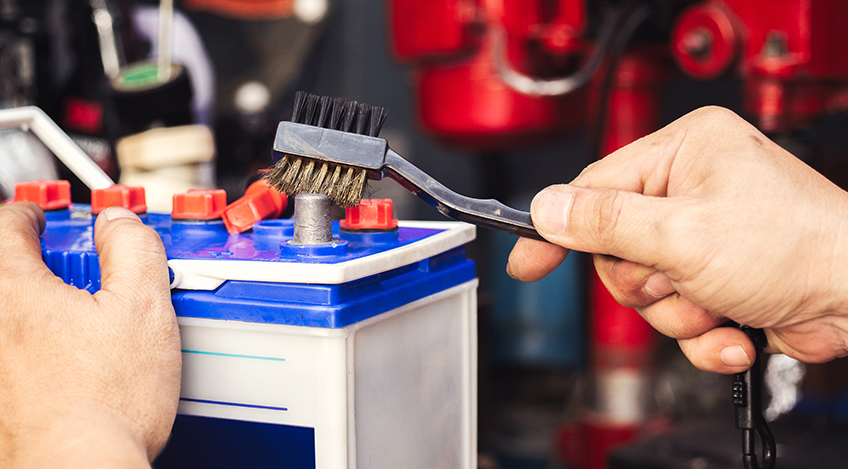
- Apply the paste to the terminals and cable clamps, then scrub with a wire brush until all corrosion is removed.
- Rinse thoroughly with water and dry completely.
- Reconnect the positive cable first, then the negative cable.
- Apply a thin layer of dielectric grease or an anti-corrosion spray to the terminals to prevent future buildup.
- Personal insight: I once spent hours troubleshooting a persistent starting issue on a client's SUV, only to find a nearly invisible film of corrosion on the battery terminals. A quick clean, and it fired right up. It’s a simple fix often overlooked! This illustrates how to maintain a car battery with minimal effort.
Checking Electrolyte Levels (for conventional batteries)
This step is primarily for conventional flooded lead-acid batteries, as AGM and gel batteries are sealed and maintenance-free. The electrolyte solution can evaporate over time, especially in hot climates.
- Importance: If the electrolyte level drops below the lead plates, those exposed plates can become damaged, reducing the battery's capacity and overall lifespan. Maintaining proper levels ensures the chemical reaction can occur efficiently.
- Procedure:
- Ensure the engine is off and the battery has cooled down.
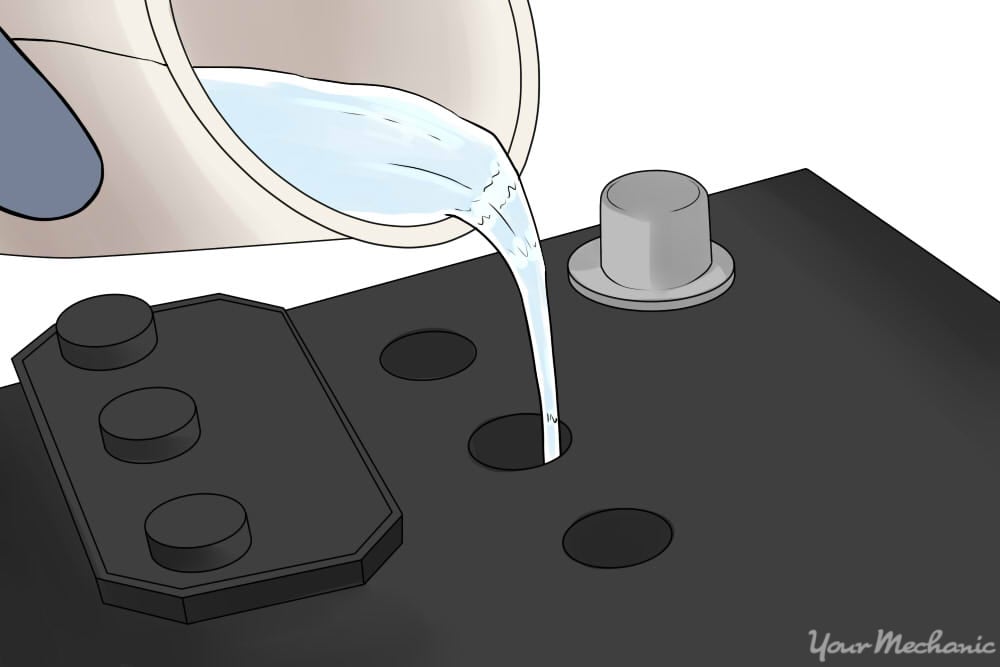
- Carefully remove the vent caps (usually located on top of the battery).
- Visually inspect the electrolyte level in each cell. It should be just above the top of the plates (there's often a fill line indicator).
- If low, add distilled water (never tap water, as minerals can contaminate the battery).
- Fill each cell to the appropriate level, then replace the caps securely.
- Safety notes: Battery acid is corrosive. Avoid skin and eye contact. If contact occurs, flush immediately with plenty of water.
Monitoring Battery Voltage
A healthy car battery maintains a specific voltage range. Regular checks can give you an early warning sign before a problem escalates. This is a crucial aspect of how to maintain a car battery effectively.
- Tools needed: A digital multimeter or a specialized battery tester.
- Optimal readings: A fully charged 12-volt car battery should read between 12.6 to 12.8 volts when the engine is off and has rested for a few hours. When the engine is running, the alternator should maintain a voltage between 13.7 and 14.7 volts, indicating it's properly charging the battery.
- What low voltage indicates: A reading below 12.4 volts suggests the battery is undercharged and might need charging, or it could be nearing the end of its life. Consistent low readings are a strong indicator that you need to investigate further.
Securing the Battery
Vibration is another silent killer for car batteries. A loose battery can suffer internal damage, short circuits, and reduced lifespan.
- Impact of vibration: Constant shaking can break down the internal lead plates and connections, leading to premature failure. It’s akin to constantly rattling a delicate piece of machinery.
- Proper fastening: Ensure your battery is held firmly in place by its battery tray and hold-down clamp. These components are designed to absorb vibrations and protect the battery's internal structure. Periodically check that the clamp is tight but not overtightened, which can crack the battery casing.
Avoiding Deep Discharges
A deep discharge occurs when a battery is drained significantly, often below 20% of its capacity. This is particularly damaging for standard car batteries, which are designed for short bursts of high current (starting) rather than sustained power delivery.
- How they harm the battery: Each deep discharge cycle reduces the battery's overall capacity and shortens its lifespan. It can lead to sulfation, a buildup of lead sulfate crystals on the plates, making the battery less efficient and harder to recharge.
- Tips to prevent:
- Avoid leaving headlights, interior lights, or accessories on when the engine is off.
- If your car sits for extended periods, disconnect the battery or use a battery maintainer.
- Don't rely solely on short trips, as they may not fully recharge the battery.
Using a Battery Tender or Maintainer
For vehicles that aren't driven frequently, a battery tender or maintainer is a game-changer. It's an indispensable tool for how to maintain a car battery through periods of inactivity.
- When and why it's beneficial: If your car sits for weeks or months (e.g., a classic car, RV, or motorcycle), its battery will naturally self-discharge. A battery tender provides a low, continuous charge, preventing sulfation and keeping the battery at optimal voltage.
- Types of maintainers:
- Trickle chargers: Provide a constant low-amp charge, but can overcharge if left connected indefinitely.
- Battery tenders/smart chargers: These are more sophisticated, monitoring battery voltage and switching to a float charge mode once the battery is full, preventing overcharging. They are generally the preferred option for long-term storage.
- My experience: I’ve seen countless classic cars start flawlessly after months of storage, all thanks to a reliable battery tender. It’s a small investment that truly pays off in battery longevity and hassle-free starts.

Recognizing Signs of a Failing Battery
Even with the best maintenance, car batteries don't last forever. Knowing the warning signs of a failing battery can help you replace it before you're stranded. Catching these cues early is a key part of how to maintain a car battery proactively.
Slow Engine Crank
This is perhaps the most common indicator. When you turn the key, does the engine turn over sluggishly, as if struggling? It sounds like "rrr… rrr… rrr" instead of a quick "vroom." This often means the battery isn't delivering enough power to the starter motor.
Dim Lights or Electrical Issues
Before you even start the car, try turning on your headlights. If they appear dim, or if other electrical components like the radio or power windows seem sluggish, your battery might be weak. This is especially noticeable if these issues clear up once the engine is running.
Warning Light on Dashboard
Many modern vehicles have a battery warning light (often shaped like a battery icon) that illuminates on the dashboard. While this can indicate an issue with the charging system (alternator), it can also signal that the battery itself is not holding a charge effectively.
Corrosion or Swelling
While some corrosion is normal and can be cleaned (as discussed above), excessive corrosion that returns quickly, or a swollen battery case, are serious red flags. Swelling often indicates internal damage or overcharging, making the battery unsafe and requiring immediate replacement.
Age of the Battery
Car batteries typically last 3-5 years, depending on climate and usage. If your battery is approaching or beyond this age range, even if it seems to be working, it's wise to have it tested, especially before winter or a long trip. Knowing the age helps you anticipate replacement needs, a crucial aspect of how to maintain a car battery over its lifespan.
Common Mistakes to Avoid When Maintaining Your Car Battery
While learning how to maintain a car battery, it’s equally important to understand what not to do. Some common errors can actually shorten your battery's life or even pose safety risks. Avoiding these pitfalls will ensure your maintenance efforts are truly beneficial.
Ignoring Corrosion
As mentioned, corrosion significantly impacts performance. A common mistake is simply wiping it away without a proper cleaning and protective application. Ignoring persistent corrosion allows it to eat away at terminals and cables, eventually leading to permanent damage and poor conductivity. Always clean thoroughly and use anti-corrosion spray or grease.
Overfilling Electrolyte
When topping off electrolyte levels in flooded batteries, it's tempting to fill them to the brim. However, overfilling can lead to acid leakage, which can corrode other engine components and create a hazardous environment. Always fill only to the indicated fill line.
Not Securing the Battery Properly
Many people overlook the battery hold-down. A battery that bounces around, even slightly, experiences internal plate damage and can even crack its casing. Always ensure the battery is snugly secured in its tray with the appropriate clamp to absorb vibrations.
Jumping a Frozen Battery
Attempting to jump-start a frozen battery is extremely dangerous. The freezing electrolyte can cause the battery to explode, spraying corrosive acid and shrapnel. If your battery is frozen, allow it to thaw completely in a safe, well-ventilated area before attempting any diagnosis or charging. If it was frozen, it likely needs replacement regardless.

The Lifespan of a Car Battery: What to Expect
Understanding the typical lifespan of a car battery helps set realistic expectations for when to replace it, rather than waiting for it to fail. When considering how to maintain a car battery, factoring in its age is as important as any physical maintenance.
Average Lifespan
Generally, a car battery can last anywhere from 3 to 5 years. However, this is a broad average, and several factors can significantly influence how long your battery truly serves you.
Factors Affecting Lifespan
- Climate: Extreme temperatures, both hot and cold, are brutal on car batteries. Excessive heat accelerates the evaporation of battery fluid and internal corrosion, while severe cold reduces its capacity and makes it harder to start. A battery in Arizona might only last 2-3 years, whereas one in a temperate climate could easily hit 5-6 years with good care.
- Driving Habits: Frequent short trips prevent the alternator from fully recharging the battery, leading to a state of perpetual undercharge. Conversely, long periods of inactivity also lead to self-discharge and sulfation, unless you employ a battery maintainer.
- Battery Type: As discussed earlier, AGM batteries often offer a longer lifespan and better performance under demanding conditions compared to standard flooded batteries.
- Vehicle Electronics: Modern cars are packed with electronics that draw power even when the engine is off. This parasitic drain can slowly deplete a battery, especially if the car sits for long periods.
How often should I check my car battery? You should visually inspect your car battery's terminals for corrosion and ensure it's secure every few months, or at least twice a year during your routine oil changes. Testing its voltage with a multimeter annually, especially before winter, is also a good practice.
Can I overcharge my car battery with a maintainer? No, a good quality battery tender or smart charger is designed to prevent overcharging. It monitors the battery's voltage and switches to a "float" mode once fully charged, supplying just enough current to counteract self-discharge without causing damage.
What are the signs of a completely dead car battery? A completely dead car battery will typically result in no lights, no dashboard illumination, and absolutely no sound (not even a click) when you try to start the vehicle. Sometimes, there might be a faint clicking sound, but the engine won't crank at all.
When to Consider Replacement
Beyond the 3-5 year mark, it's wise to have your battery professionally tested annually. If tests show declining capacity or cold-cranking amps (CCA), or if you notice any of the failing signs frequently, it’s time to replace it. Don't wait for a complete failure to address how to maintain a car battery; be proactive.
Frequently Asked Questions
What is the best way to clean car battery terminals?
The best way is to disconnect the negative then positive cables, scrub the terminals and clamps with a baking soda and water paste and a wire brush, rinse with water, dry thoroughly, and then apply dielectric grease or anti-corrosion spray.
How often should I test my car battery's voltage?
You should test your car battery's voltage at least once a year, ideally before the winter season, using a digital multimeter after the car has been off for a few hours to get an accurate resting voltage reading.
Can extreme weather affect my car battery's life?
Yes, extreme temperatures significantly impact battery life; heat accelerates internal damage, while cold reduces its capacity and makes starting more difficult, leading to a shorter overall lifespan.
Is it safe to jump-start my car battery myself?
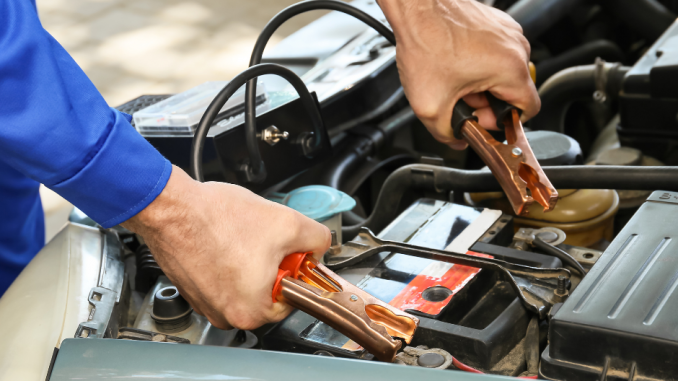
Yes, it is generally safe to jump-start your car battery yourself, provided you follow the correct procedure, ensuring proper cable connections (positive to positive, negative to negative or ground) and wearing appropriate safety gear.
When should I consider replacing my car battery?
Consider replacing your car battery every 3-5 years, or sooner if you notice persistent slow cranking, dimming lights, or if a professional test indicates significantly reduced capacity or cold-cranking amps.
Conclusion
Mastering how to maintain a car battery is a surprisingly simple yet incredibly impactful skill that every car owner should possess. By consistently performing basic tasks like cleaning terminals, checking fluid levels, monitoring voltage, and securing the battery, you not only extend its life but also guarantee the reliability of your vehicle's starting system. Don't let your car battery be an afterthought; empower yourself with this knowledge and enjoy the peace of mind that comes with a well-cared-for ride. Start applying these tips today, and you’ll likely avoid those frustrating moments of a dead battery. For more detailed guides and automotive insights, consider exploring our other resources.