

One oil change produces about five quarts of used motor oil. Dump it down a storm drain or toss it in the trash, and you’ve just poisoned a quarter-million gallons of water. The good news: every U.S. state has free recycling programs that turn that same oil into new lubricant, heating fuel, or even road asphalt. Here’s how to do it right – no environmental fines, no mess, and no guesswork.
Used motor oil must be taken to a certified collection center or participating auto-parts store. Never pour it on the ground, down drains, or into household trash. A single quart can contaminate 250,000 gallons of water. Most states require used oil to be stored in a sealed, leak-proof container and transported upright in your vehicle. Free drop-off is available at over 12,000 locations nationwide, including AutoZone, Advance Auto, and local recycling centers.
Key Takeaways
- Never dump oil. One quart contaminates 250,000 gallons of water.
- Use sealed containers. Original oil bottles or clean plastic jugs with tight lids work best.
- Keep it clean. Avoid mixing oil with coolant, gas, or water – contaminated oil can’t be recycled.
- Find free drop-off. Auto parts stores and municipal centers accept used oil at no cost.
- Transport safely. Place containers upright in a cardboard box or plastic bin to prevent spills.
- Recycling pays off. Every gallon recycled saves energy equal to 42 kilowatt-hours – enough to power a home for a day.
How to Dispose of Used Motor Oil Safely and Legally
Drain the oil into a clean, leak-proof container while the engine is still warm – warm oil flows faster and carries fewer contaminants. Use the original oil bottle, a one-gallon plastic jug (like a milk or water container), or a dedicated oil drain pan with a screw-on lid. Never use containers that held chemicals, food, or beverages; residue can contaminate the oil and make it unrecyclable.
Seal the container tightly and label it “Used Motor Oil.” Store it in a cool, dry place away from kids and pets until you’re ready to transport it. If you’re doing multiple oil changes, keep the containers upright in a cardboard box or plastic bin to prevent spills. Most states cap the amount you can transport at 5 gallons per trip – check your local rules before hauling larger quantities.
Environmental Hazards of Improper Oil Disposal
Used motor oil contains heavy metals like lead, arsenic, and cadmium, along with polycyclic aromatic hydrocarbons (PAHs) – known carcinogens that don’t break down in the environment. When oil is dumped on the ground, rain washes it into storm drains, which empty directly into rivers, lakes, and oceans. A single quart can create an oil slick the size of two football fields, suffocating fish and poisoning drinking water supplies.
Soil contamination is just as destructive. Oil binds to dirt particles, creating toxic zones where plants can’t grow. Remediation costs $50-$200 per cubic yard – often more than the land itself is worth. Wildlife suffers too: birds and small mammals ingest oil while grooming, leading to organ failure and death. Even trace amounts can disrupt ecosystems for decades.
The economic impact is staggering. The U.S. spends over $850 million annually cleaning up improperly disposed oil. Meanwhile, the recycling industry generates $3.2 billion in economic activity and supports 65,000 jobs. Every gallon of used oil that’s recycled instead of dumped saves enough energy to power a home for a day.
Preparing Used Motor Oil for Transport and Recycling
Let the oil cool for at least 30 minutes after draining – hot oil can melt plastic containers or cause burns. Use a funnel to transfer it into a clean, leak-proof container with a screw-on lid. Original oil bottles are ideal because they’re designed to handle petroleum products. If you reuse a plastic jug, make sure it’s labeled “HDPE #2” (the recycling symbol with a “2” inside) – this plastic won’t degrade when exposed to oil.
Avoid mixing oil with other fluids like coolant, gasoline, or brake fluid. Contaminated oil can’t be recycled and may be rejected at collection sites. If you accidentally mix fluids, call your local recycling center to ask how to dispose of it – some centers have special protocols for hazardous waste.
Label the container clearly with “Used Motor Oil” and the date. Store it upright in a cardboard box or plastic bin to prevent spills during transport. If you’re transporting multiple containers, secure them with bungee cords or place them in a larger bin with a lid. Most states limit DIY haulers to 5 gallons per trip – check your local regulations before transporting larger amounts.
Finding Local Collection Centers and Drop Off Sites
Earth911’s recycling search tool (earth911.com) is the fastest way to find nearby oil drop-off locations. Enter your ZIP code and select “Used Motor Oil” from the dropdown menu. The site lists municipal recycling centers, auto parts stores, and even some service stations that accept oil. Results include hours, contact info, and any restrictions (like quantity limits or fees).
Your city or county website is another reliable source. Search for “household hazardous waste” or “used oil recycling” to find local programs. Many municipalities host free collection events 1-2 times per year – these are great for disposing of larger quantities or other automotive fluids like antifreeze and transmission fluid.
If you’re in a rural area, call your local transfer station or landfill. Some accept used oil for free, while others charge a small fee (usually $1-$5 per gallon). Always call ahead to confirm hours and accepted materials – some sites require appointments or have seasonal closures.
Auto Parts Stores and Service Center Recycling Programs
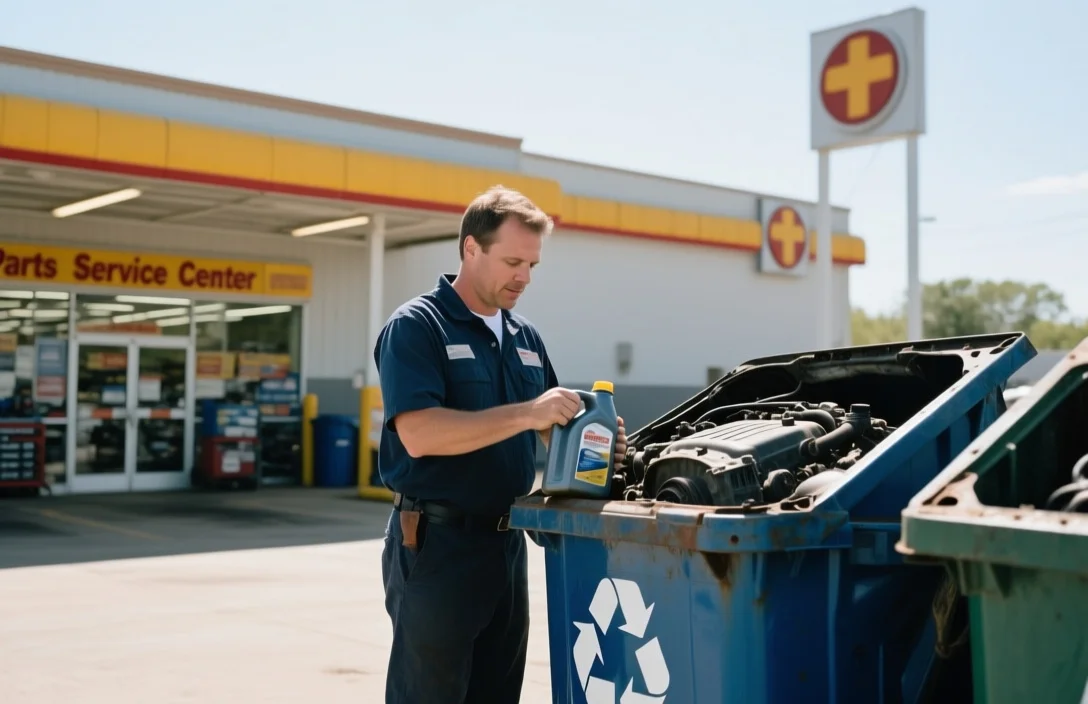
AutoZone, Advance Auto Parts, O’Reilly Auto Parts, and NAPA all accept used motor oil for free, no purchase necessary. Most stores have a designated collection tank near the entrance or service counter. Just bring your sealed container, hand it to an employee, and they’ll pour it into the tank for you. Some locations also accept oil filters, transmission fluid, and antifreeze – call ahead to confirm.
Service centers like Jiffy Lube, Valvoline Instant Oil Change, and Firestone Complete Auto Care also take used oil, but policies vary. Some require you to be a customer, while others accept oil from anyone. Always call first to avoid a wasted trip. Many centers offer a small discount (usually $5-$10) on your next oil change if you bring in your used oil.
Retailers like Walmart and Costco don’t accept used oil, but some of their auto centers (like Walmart’s Tire & Lube Express) do. Check the store’s website or call the service desk to confirm. Never leave used oil outside a store or service center – it’s illegal and can result in fines.
Current Industrial Methods for Oil Refining and Reuse
Used motor oil is cleaned and re-refined into new lubricating oil, a process that uses 85% less energy than refining crude oil. The first step is dehydration: the oil is heated to remove water and light contaminants. Next, it’s distilled to separate heavy metals and additives. Finally, hydrogen is added to break down remaining impurities, producing base oil that meets the same standards as virgin oil.
Re-refined oil is identical to new oil in performance and quality. The American Petroleum Institute (API) certifies re-refined oils with the same “starburst” symbol found on conventional motor oil. Brands like Safety-Kleen and Heritage-Crystal Clean sell re-refined oil to fleets, municipalities, and even retail consumers. A gallon of re-refined oil costs about the same as conventional oil but reduces greenhouse gas emissions by 80%.
Not all used oil becomes new motor oil. Some is filtered and used as fuel for industrial boilers, cement kilns, or asphalt plants. This “burner fuel” is regulated by the EPA to ensure it meets air quality standards. Other oil is processed into road asphalt or used as a lubricant for heavy machinery. Even the sludge left over from re-refining is repurposed into roofing shingles or concrete additives.
FAQ
Can I mix used motor oil with other fluids like coolant or brake fluid?
No. Mixing used motor oil with other automotive fluids makes it unrecyclable. Most collection centers will reject contaminated oil, and some may charge a hazardous waste fee. Store each fluid in a separate, labeled container.
What’s the penalty for dumping used oil on the ground or down a drain?
Fines start at $500 for a first offense and can exceed $10,000 for repeat violations. Some states also impose jail time (up to 6 months) for illegal dumping. The EPA and local environmental agencies actively investigate oil spills and illegal disposal.
Can I throw an empty oil bottle in the recycling bin?
Only if it’s completely empty and rinsed. Most curbside recycling programs accept #1 and #2 plastic bottles (like oil containers) if they’re free of residue. Check your local rules – some areas require you to take them to a hazardous waste facility.
How do I dispose of used oil filters?
Drain the filter for 24 hours, then recycle it with your used oil. Many auto parts stores and recycling centers accept filters for free. Some states require filters to be crushed or punctured before disposal to prevent oil leaks.
What if my local recycling center is too far away?
Call your city or county environmental office – they may offer a free pickup service for household hazardous waste. Some areas also have mobile collection events that visit neighborhoods once or twice a year. If all else fails, check with a local mechanic or service station – they might let you drop off small amounts of oil.