

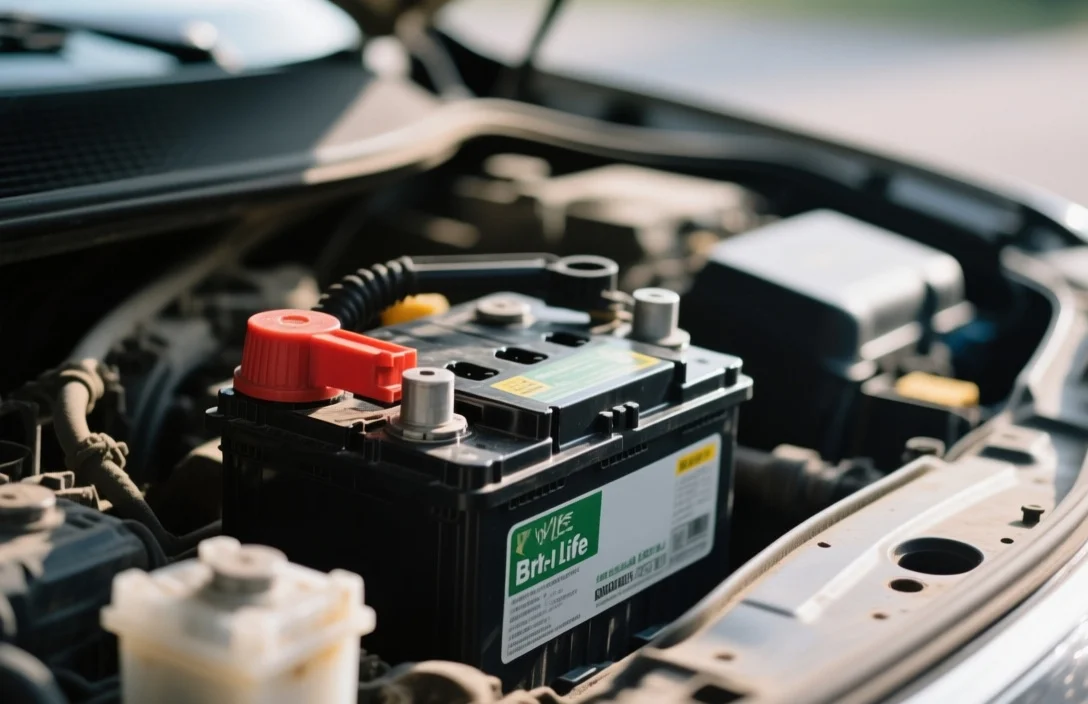
Most car batteries fail prematurely because of chemical breakdown caused by deep discharges and chronic undercharging. Learning how to extend car battery life prevents the frustration of a dead engine and saves you the cost of a replacement, which typically runs between $120 and $250. This guide provides specific maintenance steps, charging habits, and storage techniques to maximize the lifespan of your lead-acid or AGM battery.
Car battery life extends significantly when you keep the battery fully charged and the terminals free of corrosion. A standard lead-acid battery lasts 3 to 5 years, but frequent short trips can shorten this to under 2 years. Driving the car regularly for at least 30 minutes allows the alternator to restore full capacity, while keeping terminals clean ensures efficient current flow.
Key Takeaways
- Drive frequently. Short trips drain power faster than the alternator can replace it.
- Clean terminals. Corrosion increases electrical resistance and prevents starting.
- Limit accessories. Electronics drain power when the engine is off.
- Use maintainers. Trickle chargers prevent discharge during long storage.
- Check water levels. Distilled water keeps plates submerged in flooded batteries.
- Test voltage. Readings below 12.4 volts indicate a need for immediate charging.
How to Extend Car Battery Life Through Regular Charging
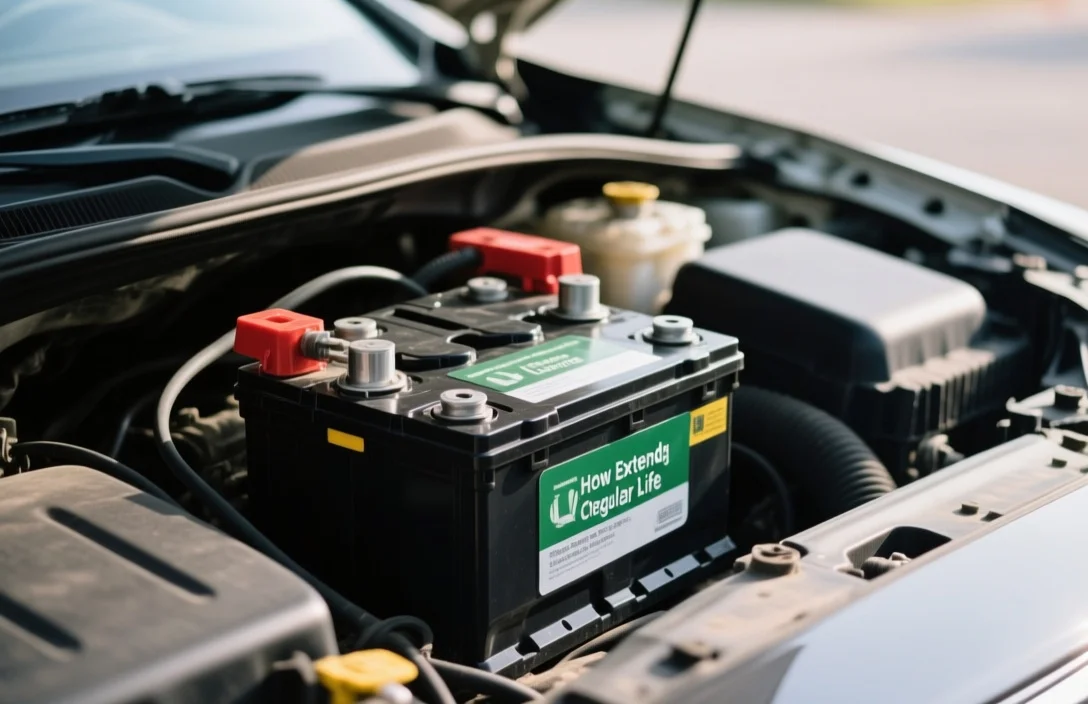
Your car’s alternator is designed to maintain a battery’s charge, not to resurrect a dead one from a deep discharge state. When a battery sits at a low state of charge for too long, lead sulfate crystals form on the internal plates, a process known as sulfation. These crystals harden over time and reduce the battery’s ability to hold a charge, effectively killing the unit years before its time.
The most effective way to prevent sulfation is to drive the vehicle consistently. Short trips of less than 15 minutes are particularly damaging because the starter motor draws a massive amount of current, and the alternator does not have enough runtime to replenish it. If you only drive short distances, the battery slowly discharges a little more each day until it fails.
To maximize battery life through charging habits, follow these steps:
- Drive for 30 minutes minimum. Take the car on the highway or a longer arterial road at least once a week to give the alternator time to top up
Frequently Asked Questions
Does leaving my car parked for long periods damage the battery?
Yes, batteries naturally lose charge over time even when the car is off, a process known as self-discharge. If left for weeks, the battery can drop to a low voltage state that encourages sulfation, which permanently reduces its capacity. Using a trickle charger or battery maintainer is the best way to keep it healthy during long periods of inactivity.
How do I know if my battery terminals need cleaning?
Inspect your battery terminals for a white, blue, or greenish powdery buildup. This corrosion acts as an insulator, creating electrical resistance that prevents your battery from charging properly or delivering enough power to start the engine. You can typically clean this away with a mixture of baking soda and water and a stiff wire brush.
Can I use my car’s alternator to recharge a completely dead battery?
It is not recommended to rely on your alternator to recharge a battery that has been fully drained. Alternators are designed to maintain a charge, not to handle the heavy load of replenishing a deeply discharged battery, which can cause the alternator to overheat and fail. It is better to use a dedicated battery charger to bring it back to full capacity.
Why do short trips shorten the lifespan of my car battery?
Starting your engine requires a significant burst of energy that the alternator must replace. If you only drive for a few minutes, the alternator does not have enough time to replenish that energy, leading to a chronic undercharged state. Over time, this cycle prevents the battery from reaching a full charge, accelerating internal chemical breakdown.
How can I tell if my battery is starting to fail?
A common sign is a sluggish engine crank when you turn the key, indicating the battery is struggling to provide enough cold-cranking amps. You may also notice dimming headlights or interior lights when the engine is idling. If you have a multimeter, a resting voltage reading consistently below 12.4 volts is a strong indicator that your battery is losing its ability to hold a charge.