
You step into the car after work, it feels like an oven, and the AC takes forever to bring it down. If you searched “how to keep car cool in summer,” you probably want a routine that works every day, plus quick checks when the cabin stays warm even with AC on.
Start before driving by parking in shade and cracking windows briefly to dump heat, then use AC ON with the right airflow setting. For fastest cooling, set the fan to medium-high and aim for about 16 to 20°C (60 to 68°F), then switch to comfort settings once the cabin drops.
How to keep car cool in summer: Park in shade, use reflective sunshades, and crack windows for 30 to 60 seconds to vent hot air. Start with AC ON, set 16 to 20°C (60 to 68°F), choose recirculation initially, and run the fan on medium-high. For fogging, switch to defog/defrost temporarily.
How To Keep Car Cool In Summer

Cabin cooling depends on the heat load you bring in (sun and trapped heat), how fast air moves through the system, and whether the A/C can pull heat out of that air. Airflow settings can matter as much as temperature because weak vent flow leaves heat-soaked surfaces to keep warming the cabin.
Quick Cooling Checklist
Most cooling complaints come from one of four issues: too much sun-heat soaked into the interior, wrong HVAC mode, incorrect recirculation choice, or weak A/C performance. Run this checklist before you start blaming the system.
| Time | Action | What to watch |
|---|---|---|
| Before starting | Shade the car, crack windows briefly, ensure vents are not blocked by cargo | Hot air should dump out fast when you start |
| At start-up | Turn A/C ON, set airflow to face/dash, set fan to medium-high, use recirculation if outside air is very hot | Cold air should begin showing within a few minutes |
| While driving | Adjust temp by feel, keep airflow stable, use defog only when windshield needs it | Cabin should stay even, not swing warm to cold |
“If the fan is on but vents barely move air, the cabin will feel warm no matter what temperature you dial in.”
Common mistakes to avoid are running full fresh air in heavy heat, leaving windows cracked too long after the cabin has begun cooling, and selecting a mode that sends most air to the floor or windshield when you want quick personal comfort. Another frequent one is forgetting A/C entirely and driving on fan-only, especially on cars where the button is easy to miss.
For real-world weak cooling signs, notice whether the air feels cold at the dash vents but the cabin still warms, or whether the air is lukewarm and the compressor seems inconsistent. When cooling is slow even after correct settings and a few minutes of A/C run time, plan for the next troubleshooting section.
Park To Cut Heat-soak Fast
Heat-soak is what drives your AC to work overtime after you start the car. Parking choices that cut sun exposure before you leave can drop cabin heat enough that the AC reaches a comfortable temp sooner.
Shade strategy comes down to angle and duration. If you can pick a spot, choose the one that keeps the windshield out of direct sun first, then protect the side windows that take the most sun while you drive. Indoors parking, even partially shaded, beats any “good enough” spot on hot afternoons.
Sunshade And Reflective Covers That Actually Help
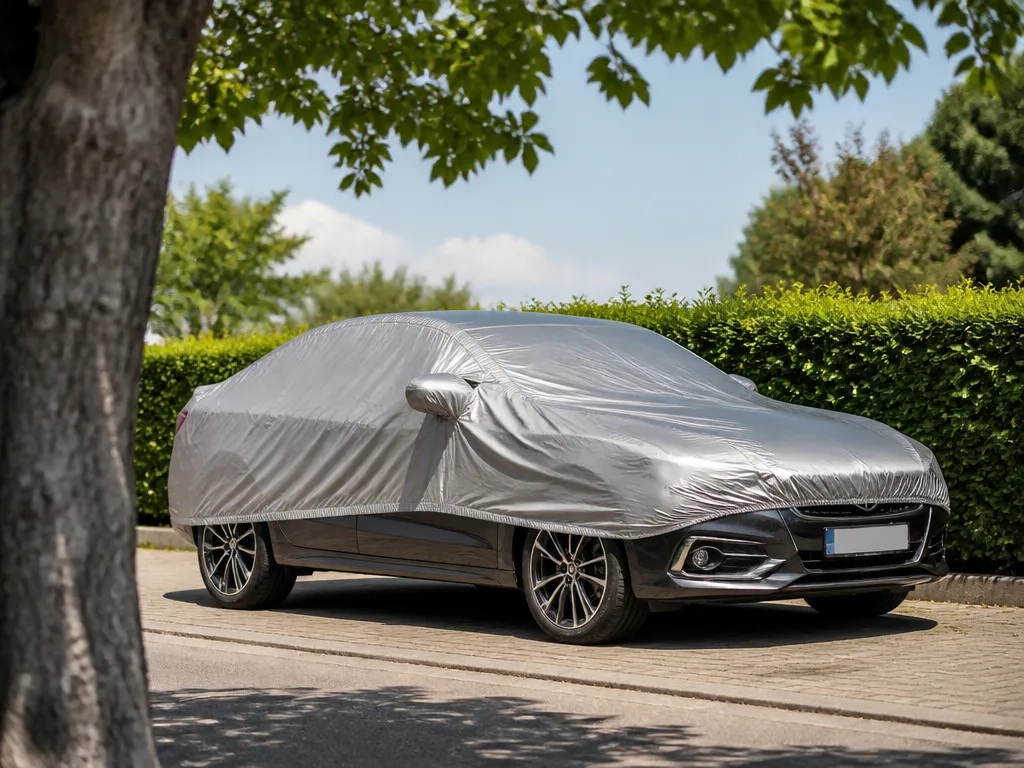
Reflective sunshades help most when the windshield absorbs direct sun, because that glass heats the air inside fast. Dash covers help most when your dash is in full sun and you park for a while, since a hot dash radiates heat into the cabin even after you start cooling.
For example, a parked coupe outside a store at 95°F will often heat the cabin faster than the AC can remove if the windshield stays uncovered. A windshield reflector alone can reduce that initial blast of heat, which makes the first few minutes on the road much more comfortable.
| Parking condition | Best cover choice | When it helps most |
|---|---|---|
| Direct sun on windshield | Windshield reflector | Long stops, bright midday sun |
| Full sun on dash area | Dash cover | Hour-plus heat soak |
| Mostly shaded or garage parking | Either (less critical) | Not as urgent, focus on window habits |
Window Timing And Trapped-heat Habits
Cracking windows helps when the cabin has baked shut and the air inside is trapped. Crack them slightly before leaving or right after you park, then close them when you start the car to prevent hot stagnant air from cycling through the HVAC during your first AC minutes.
For instance, leaving windows cracked all day can invite dust and pollen and can reduce security in some areas. If you park for a short stop, focus on shade and windshield protection first, then just crack the windows briefly when the sun has been blasting the interior.
Insider tip: Park so the sun hits fewer surfaces. A shaded spot that still lets the sun directly roast the windshield is usually worse than a spot with looser overall shading but less windshield exposure.
Start-up Cooling Routine

Turn on the AC and confirm the compressor engages with a solid click and cool air beginning to flow from the vents. If the clutch doesn’t engage or air remains warm after 30 seconds, verify fuses and relays. If still no cooling, there may be a refrigerant leak or faulty compressor that requires service.
Drive Tactics For Steady Cold
Hold cabin comfort by managing heat load while keeping airflow aimed at people. The AC cools air best when it has consistent flow through the HVAC and when hot air from the sun and windows is controlled.
Windshield Heat And After-soak Recovery
Windshield heat is a common “mystery rewarm” because warm glass can leak heat back into the cabin air. When you see the glass starting to creep warmer, use defog/defrost mode briefly if the windshield needs help with fogging, then return to the face vents once visibility is stable.
After a long highway run in heavy heat, the cabin can feel suddenly warmer even with the AC running. Sun-soaked surfaces keep releasing stored heat for 5 to 15 minutes, so lower the temperature a notch, keep recirc on until the cabin air stabilizes, and avoid frequent mode changes that disrupt cooling flow.
Quick reality check: If you feel cold air at the vents but the windshield keeps fogging or warming, your airflow path and air source choice are usually the culprit, not just refrigerant performance.
Mistakes That Kill Cabin Cooling

People lose cabin cooling fast because the AC system never gets the right command from the HVAC controls, or because hot air keeps getting reintroduced into the cabin. Most issues are driver mistakes, and they’re easy to spot once you know what to look for.
AC accidentally OFF or on fan-only is the classic “why is it blowing warm air” moment, especially with button layouts that include recirculation controls. Many cars let you switch fan direction and recirc while the compressor stays disabled if AC (A/C) is off or the system is in a non-cooling HVAC mode.
Wrong mode selection also kills perceived performance. Using defrost or a heavy floor/defrost mix can feel less cold because air distribution changes and some systems blend heat to help defog the glass, even when the temperature knob is turned down.
Using low fan speed right after you start is another common mistake. Low fan reduces airflow across the evaporator, so the AC has less heat removal power to drop cabin temperature quickly. If you get moving in 5 to 10 minutes, you want airflow first, then fine-tune temperature.
Leaving windows open too long after startup defeats the purpose. Hot exterior air dumps into the cabin and forces the AC to remove heat you could have avoided in the first place, especially if you park in direct sun. Close windows once you’re ready to cool, then let the system work.
Recirculation misuse is a big one. Sticking on fresh air when the cabin is already hot means the system keeps cooling incoming outside air. Sticking on recirc after the cabin is cleared can also cause fogging if humidity is high, so switch strategies when conditions change.
Ignoring sunload is where people lose cooling even when the AC is working. Sun-warmed seats, dash glare, and windshield heat raise cabin load, so your vents and shade plan need to match the sun position while you’re driving.
| Mistake | What you feel | Faster fix |
|---|---|---|
| AC is OFF (fan only) | Air is cool-ish at best | Turn A/C ON and confirm cooling mode |
| Defrost / floor mix | Cabin cool-down is slow | Use vent mode for fast cabin cooling |
| Low fan from the start | Temp drops, but takes forever | Run higher fan for the first few minutes |
| Windows stay open | AC feels weak | Close windows, then let recirc help |
For example, if the windshield is baking from sun, aim some airflow to the glass edge and run cooling continuously, then re-route to face vents after visibility is stable.
Diy Checks For Weak Ac
Warm air from the vents usually means the system is not moving enough refrigerant, air, or both. A few quick checks help you sort “easy fix” issues like a dirty cabin filter from problems that need an AC tech.
Quick Airflow Test (Vent Strength And Temperature Consistency)
Start the engine, set AC to MAX A/C (or the coldest temp), fan on medium-high, and choose recirculation. Compare left-to-right vent output and check whether the air feels cold within 2 to 3 minutes.
Weak cooling often shows up as strong airflow but lukewarm air, or inconsistent cooling that swings hotter and colder at the same temp setting.
In practice, inconsistent cooling with steady fan speed points to a refrigerant or control problem more than an airflow issue.
Cabin Air Filter Check (Symptoms, Location, And What “Dirty” Looks Like)
Cabin filters restrict air to the evaporator. Symptoms are usually reduced airflow from vents, a musty smell when you run the fan, and AC that feels weaker even though the compressor is running.
Cabin filters are commonly behind the glove box (many Honda, Toyota, Nissan, Ford layouts) or under the dashboard on the passenger side. Dirt looks like dark gray felt, heavy leaves, and packed debris that blocks the pleats, not just light surface dust.
Condenser Intake Blockage (Safe Visual Inspection Only)
Look at the front of the vehicle from the grille area. Condensers sit in front of the radiator, and the most common blockage is bugs, leaves, and road grime packed into the fins. A quick visual check can save you from guessing, but you should not poke the fins with tools.
Safety boundary: Do not remove sealed components, do not disconnect lines, and do not open refrigerant fittings. The system stays pressurized, and leaks can happen even if you “think it’s empty.”
Low Refrigerant Signs (What Changes When You’re Low)
Low refrigerant usually shows as air that is cooler than outside temperature but never truly “A/C cold,” and it often worsens at idle or in traffic. Another clue is a pattern of weak cooling that does not hold steady even when you leave settings alone.
Low refrigerant can also cause the system to run the compressor differently, which leads to inconsistent cooling and sometimes extended cycling. Refrigerant charging is not a DIY job because you need proper diagnostics, leak detection, and recovery equipment.
Compressor Engagement Clues (What To Notice When Ac Is On)
With the system on, many cars will give a small change you can feel or hear when the compressor clutch engages, or you may notice the engine note drop slightly as load is applied. Belt-driven clutch systems are easier to “sense,” while variable-displacement compressors can sound different, so use this as a clue, not a verdict.
If the compressor never seems to engage and the vent temperature stays warm, the issue is often electrical (AC request signal, pressure sensor, relay, fuse) or refrigerant-related protection. If you get engagement plus poor cooling, low refrigerant or restricted heat exchange (evap or condenser) becomes more likely.
Unusual Smells And Noises (What Points To Common Issues)
Musty odor often comes from a damp cabin filter and evaporator housing. Burning or electrical smells are a different category, especially if you notice smoke, melting plastic smells, or a sharp, hot odor from the dash area.
Squealing, grinding, or loud rattling can point to a failing compressor, belt issues, or a blower problem. Hissing can indicate a leak at fittings, seals, or service ports, and it is a “stop driving and inspect” scenario if you see oily residue.
Safe Vs Not-safe Diy Boundaries
Safe DIY checks include verifying AC mode selection (cooling mode vs defrost), checking cabin filter condition and correct install, and doing limited visual inspection of the condenser intake for obvious blockage. Safe DIY testing also includes the airflow/temperature consistency comparison and listening for normal compressor engagement behavior.
Not safe DIY work includes opening the refrigerant system, adding refrigerant without proper pressure and leak checks, or cracking any sealed lines or fittings. Refrigerant charging requires recovery equipment and the correct refrigerant spec for your vehicle, and the wrong amount or method can damage the compressor and create a bigger leak.
| DIY Safe | Not DIY Safe |
|---|---|
| Cabin filter inspection and replacement | Charging refrigerant or topping off |
| Cabin vent airflow and temperature consistency checks | Opening sealed AC lines or service ports |
| Visual condenser intake blockage check (no poking fins) | Troubleshooting refrigerant pressure by “guessing” |
When to seek pro help: warm air that does not improve, compressor never engaging, hissing with residue, burning smells, or any grinding/rattling noise. Those point to refrigerant, electrical protection, or mechanical failure where a shop’s gauges and leak detection save you time and prevent expensive damage.
Summer Ac Maintenance Schedule
Cabin comfort in summer depends on airflow and clean sealing paths as much as refrigerant. Keep the system performing by staying ahead of cabin filter load, condenser cleanliness, and drain water management.
Timed A/c Upkeep Before The Heat Hits
Plan your A/C tune-up on a simple calendar: start with the cabin filter, then check condenser airflow, then verify door and sunroof drainage. Doing this before peak temperatures usually prevents weak cooling complaints that show up in July.
For many vehicles, the cabin filter is the fastest “bang for your buck” in summer. In hot, dusty climates, it often needs more frequent replacement than the manufacturer interval printed in the glovebox manual.
| Service item | When to do it | Why it matters in summer |
|---|---|---|
| Cabin air filter | Every 4-6 months (dusty, high heat) or sooner if airflow drops | Stops clogging that reduces vent output and makes the blower work harder |
| Condenser/engine bay airflow checks | Start of summer, then only if buildup is visible | Dirty fins restrict heat rejection, which makes the A/C feel weak |
| Door seals and sunroof drains | Pre-summer and after heavy rain | Prevents water intrusion that can create musty odor and interior issues |
Cleaning Cautions That Prevent Expensive Damage
When you clean the condenser or front grille area, you want to remove grime without bending fins. Airflow has to move through those narrow passages, so bent fins reduce performance even if the surface looks “clean.”
Use a gentle approach: avoid high-pressure water directly on the fins and steer clear of aggressive scrapers. On many cars, the condenser is close to the radiator, and forced spray can push dirt deeper or damage plastic end tanks.
“If you can see caked mud or dense debris, loosen it first with low-pressure rinse or a proper cooling-system cleaner, then let it dry before running the A/C.”
Seal And Drain Checks To Control Odor And Window Behavior
Door and window seals can affect cabin temperature by letting hot outside air leak in around the frame. A quick check is to run a hand around the perimeter while the fan is on high and feel for drafts, then inspect for gaps, cracks, or hardened rubber.
For vehicles with a sunroof, confirm the drains are clear so water exits under the car instead of pooling into the headliner area. Typical signs include wet carpeting near the A-pillar or a persistent musty smell after rain, especially with the A/C on recirculation.
After-service Verification At Your Next Drive
After you replace the cabin filter, clean the front area, or check drains, verify performance within the first 10 minutes of driving. Aim for stable cooling, strong vent output, and no new odors or unusual noises.
In practice, weak defrost after maintenance can be airflow-related, such as a restricted cabin filter or a drain issue that impacts system operation. A noticeable change in sound, like new clicking or grinding during blower operation, is a cue to stop and inspect before continuing.
Pre-summer 15-minute Checklist You Can Do Today
Do a quick visual and functional check that catches most summer A/C annoyances before they become breakdowns. This is not a refrigerant test, but it tells you if airflow and sealing are in good shape.
When To See A Professional
Warm air blowing from the vents with the AC set to Max Cool usually means a system fault, not a simple cabin technique. Professional diagnosis is also the right move when you hear abnormal compressor sounds, see refrigerant leakage signs, or smell burning or electrical-related odors.
System Symptoms That Point Past Quick Diy
Some issues can be traced by basic checks, but certain symptoms are strong enough that continuing DIY work tends to waste time and can risk further damage. If the AC is acting wrong in any of the patterns below, plan on shop diagnosis.
For example, many GM, Ford, Toyota, Honda, and Hyundai models use pressure and temperature sensors to protect the compressor. A bad sensor can cause rapid cycling and warm air even if refrigerant amount is close to correct.
What A Pro Should Test (So You Know What You’re Paying For)
Good shops diagnose the system with measurements, not guesswork. Ask for diagnostics that include refrigerant condition checks and confirmation that the control system is commanding cooling properly.
Hard rule: If you see oily residue or you suspect a refrigerant leak, stop and get it inspected. Recharging repeatedly without finding the leak is a waste of money and can damage the compressor.
| Symptom | Most likely category | Why pro diagnosis matters |
|---|---|---|
| Warm air with AC ON | Charge, compressor/control, blend/airflow logic | Pressure and sensor verification prevents chasing the wrong component |
| Loud compressor noise | Mechanical wear or lubrication/pressure abnormality | Running it can worsen damage and contamination |
| Clicking or repeated cycling | Control fault, pressure protection, sensor issue | Scan data and pressure checks reveal what triggers shutoff |
| Oily residue or visible leak signs | Refrigerant leak | Finding the leak is the real fix, not more refrigerant |
If you want the quickest path to cold again, book service while the symptoms are consistent. Intermittent issues can disappear once parts cool down, and that can make diagnosis take longer.
Quick Summary
Keeping a car cool in summer starts before you drive. Park in shade, use reflective sunshades, and crack windows 30 to 60 seconds to purge hot air, then turn the A/C on with the airflow aimed at the dash. For fastest cooling, set the fan to medium-high and target about 16 to 20 C (60 to 68 F), then switch to comfort settings once the cabin drops. Recirculation helps during the initial cool down, and air directed at your face and upper cabin delivers cooling fastest.
Beyond initial cooling, the article emphasizes practical steps and checks. While driving, adjust temperature by feel and keep airflow stable, using defog only when the windshield needs help. Common mistakes include full fresh air, leaving cracked windows too long, or sending most air to the floor.
| Step | Action | Notes |
|---|---|---|
| Shade and vent | Park in shade, crack windows 30 – 60 seconds | to purge hot air |
| A/C start | Turn on A/C, set airflow to face/dash, set fan to medium-high | use recirculation if outside air is very hot |
| Target temp | Set to 16 – 20 C (60 – 68 F) | switch to comfort after cabin drops |
| Airflow strategy | Recirculate during initial cool down, then continue recirculation until the cabin stabilizes; use fresh air if windows fog | fast cooldown; consider odors |
Frequently Asked Questions
What’s The Fastest Way To Cool A Car After It’s Been Sitting In The Sun?
Start by cracking the windows and running the AC on full fan for a couple minutes to dump hot cabin air. Then switch to recirculation and drop the set temperature gradually so the system does not struggle against fresh, hot air.
Should I Use Recirculation Or Fresh Air To Keep My Car Cooler In Summer?
For quick cooling, use recirculation because it keeps the cold air cycling inside. If the windows fog, switch to fresh air or turn off recirc, since recirculation can make fogging more likely.
How Often Should I Check My Car’s Ac Performance In Hot Weather?
At minimum, pay attention to cooling every time it’s 90F plus or during peak summer commutes. If the air gets weak, smells musty, or it takes much longer than usual to cool, get the system checked before the problem gets worse.
What’s The Most Common Mistake That Makes Your Car Feel Less Cool In Summer?
Many people keep the AC on low or leave it in fresh air mode while the car is roasting, so the compressor is fighting hot incoming air. Also make sure the cabin air filter is not clogged, since restricted airflow can make cooling feel poor even with enough refrigerant.
Can Sunshades And Tinted Windows Really Help Keep The Car Cooler?
Yes, sunshades reduce heat soak and make the cabin easier to cool, especially if you park outside for long stretches. Tinted windows can also help, but the biggest immediate win is using a sunshade and getting the cabin to vent before you turn the AC hard.
Does Idling The Engine In The Heat Help Cool The Car, Or Does It Waste Fuel?
It can help if you need fast cabin cooling, because the AC compressor needs engine power, but prolonged idling is unnecessary if you can drive to get airflow and ventilation. If you’re stopped, use AC wisely and avoid setting extreme temperatures right away, since the system cools by removing heat from the cabin.