
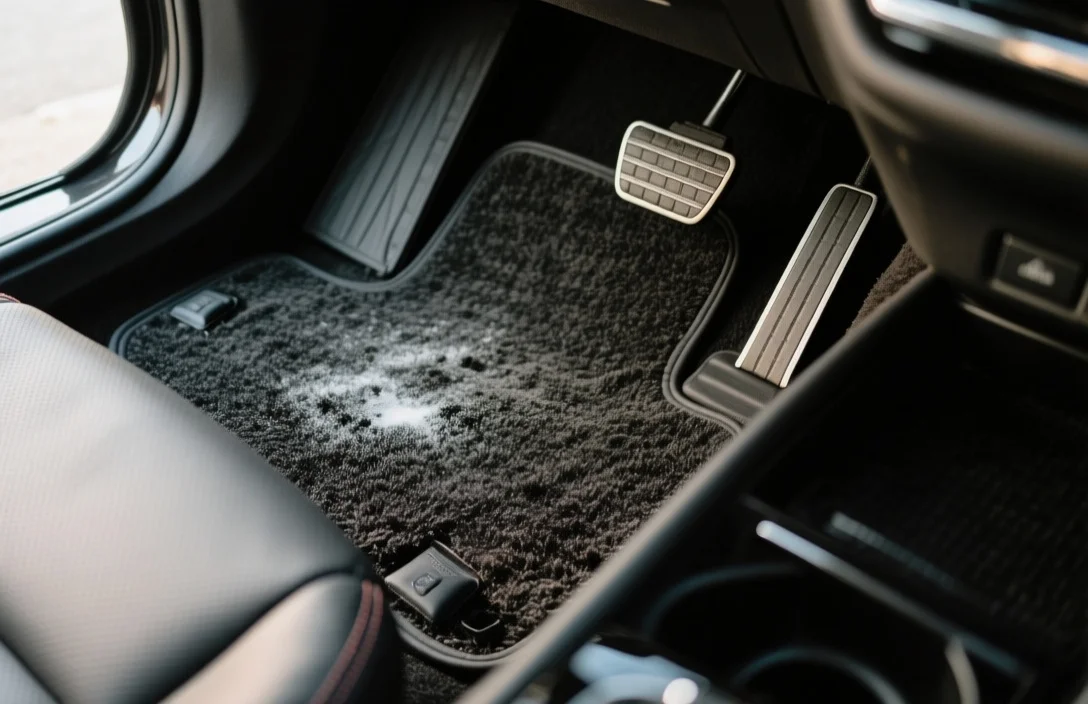
Car floor mats catch everything – mud, coffee, grease, pet hair, and mystery spills that harden into crusty reminders of last week’s road trip. Left alone, those stains set, smell, and make your car feel less like a ride and more like a science experiment. The good news: most stains come out with basic supplies you already own, and the rest respond to a little extra elbow grease.
Stains on car floor mats fall into three categories: fresh, set-in, and stubborn. Fresh stains (under 24 hours old) usually lift with dish soap and water. Set-in stains (1-7 days old) need a degreaser or vinegar solution. Stubborn stains (older than a week) often require a brush, baking soda paste, or a commercial cleaner. Rubber and carpet mats clean differently – rubber handles harsher scrubbing, while carpet needs gentler blotting to avoid fraying fibers.
Key Takeaways
- Act fast. Fresh stains lift easier than set-in ones.
- Match cleaner to stain. Dish soap for grease, vinegar for coffee, baking soda for odors.
- Rubber vs. carpet. Rubber mats can take a stiff brush; carpet mats need blotting.
- Dry completely. Wet mats breed mold and mildew.
- Test first. Spray cleaner on a hidden corner to check for colorfastness.
- Prevent future stains. Use a silicone spray or mat liner to repel dirt.
How to Remove Stains from Car Floor Mats: Complete Guide
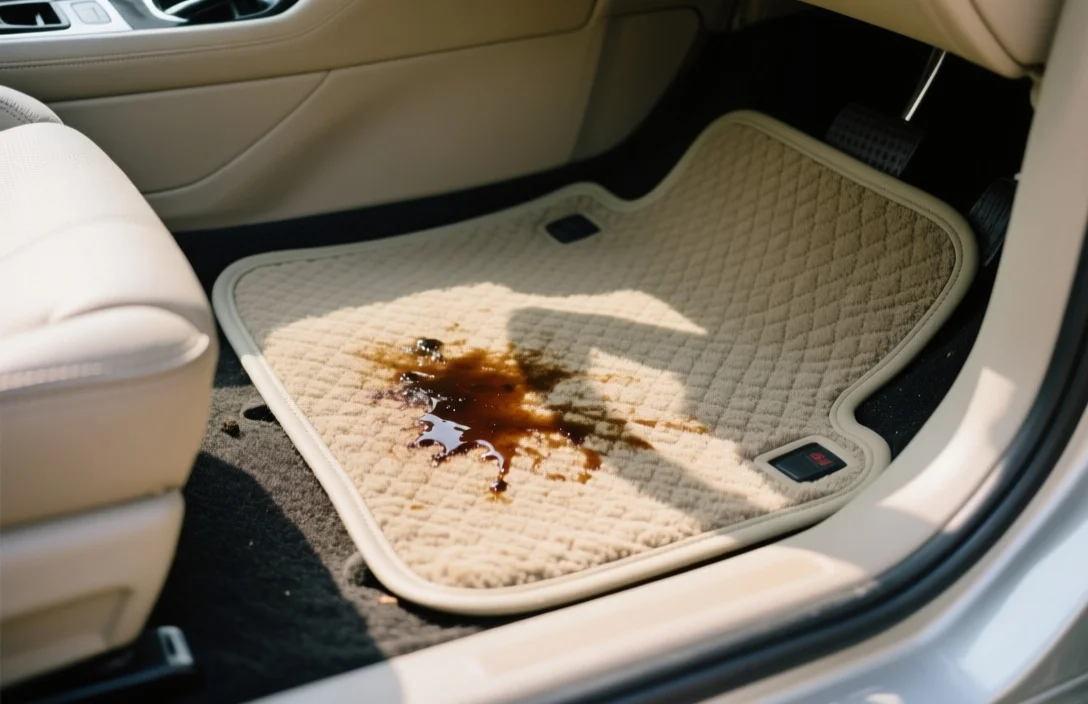
Start by pulling the mats out of the car. Shake off loose dirt, then vacuum both sides to remove sand and debris that could scratch during scrubbing. If the mats are heavily caked, use a plastic scraper or old credit card to scrape off thick layers of mud or dried food. Work outside or on a tarp to avoid making a bigger mess inside.
Next, identify the stain type. Grease and oil respond to dish soap; coffee, soda, and fruit stains need vinegar or a mild detergent; mud and dirt usually come off with water and a brush. Stubborn stains like ink or pet urine may require a specialized cleaner. Always test your chosen cleaner on a small, hidden area first to ensure it doesn’t discolor the mat.
Removing Common Car Mat Stains (Mud, Coffee, Grease)
Mud dries into a gritty crust that scratches if you scrub too hard. Hose it down first, then apply a mix of warm water and a few drops of dish soap. Let it soak for 5 minutes, then scrub with a stiff-bristle brush in circular motions. Rinse and repeat until the water runs clear. For dried mud, soak the mat in a bucket of warm, soapy water for 10 minutes before scrubbing.
Coffee and soda stains contain sugars that attract dirt and leave sticky residue. Blot fresh spills with a microfiber cloth to absorb as much liquid as possible. Mix equal parts white vinegar and water, spray the stain, and let it sit for 10 minutes. Blot again, then scrub with a soft brush. For set-in stains, add a teaspoon of baking soda to the vinegar solution to boost cleaning power.
Grease and oil from fast food or engine leaks require a degreaser. Dish soap works well – apply a few drops directly to the stain, add a splash of warm water, and scrub with a brush. For tougher grease, use a commercial degreaser like Simple Green or Purple Power, following the label instructions. Avoid harsh solvents like acetone or bleach, which can damage rubber and fade carpet fibers.
Preparing Your Car Mats for Deep Cleaning
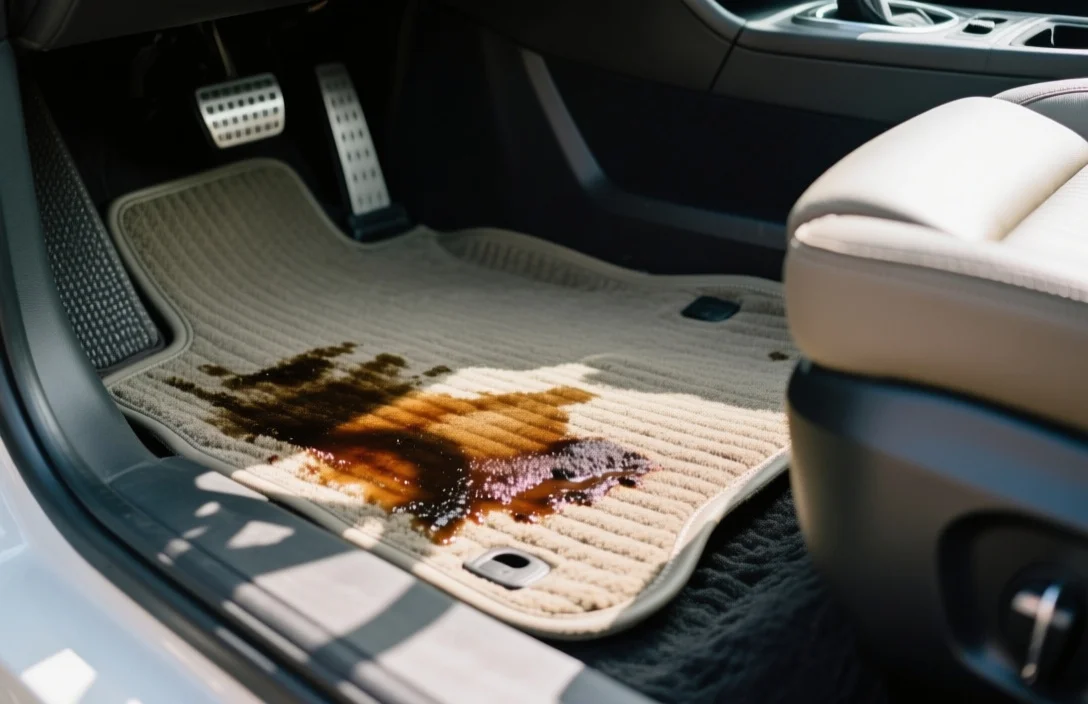
Check the mat’s material before cleaning. Rubber mats (common in all-weather sets) can handle pressure washing, stiff brushes, and strong cleaners. Carpet mats (often in fabric or plush styles) need gentler treatment – aggressive scrubbing frays fibers and can pull the backing loose. Flip the mat over and look for a label or embossed logo; if it says “rubber” or “vinyl,” you’re safe to scrub. If it’s fabric, stick to blotting and soft brushes.
Remove loose debris first. Shake the mats vigorously, then vacuum both sides with a crevice tool to catch sand and crumbs. For embedded dirt, use a stiff brush or a plastic scraper to loosen particles before vacuuming again. Skipping this step turns dirt into mud when you add water, making stains harder to remove.
Pre-treat stains with a spray bottle of your chosen cleaner. Apply it generously to the stained areas and let it sit for 5-10 minutes. This gives the cleaner time to break down oils and sugars before you scrub. For heavily soiled mats, fill a bucket with warm water and a few tablespoons of dish soap or carpet cleaner, then soak the mats for 15 minutes before scrubbing.
Best Cleaning Solutions for Car Floor Mats
Dish soap is the most versatile cleaner for car mats. Mix 1 tablespoon of blue Dawn (or any grease-cutting dish soap) with 1 gallon of warm water. It cuts grease, lifts dirt, and rinses clean without leaving residue. For tougher stains, add ½ cup of white vinegar to the mix – vinegar neutralizes odors and helps dissolve coffee, soda, and fruit stains.
Baking soda tackles odors and light stains. Make a paste with 3 tablespoons of baking soda and 1 tablespoon of water. Spread it over the stain, let it sit for 15 minutes, then scrub with a brush. For carpet mats, sprinkle baking soda directly on the stain, let it sit for 30 minutes, then vacuum it up. The baking soda absorbs odors and lifts surface dirt.
Vinegar and water (1:1 ratio) work well for organic stains like coffee, juice, and pet accidents. Spray the solution on the stain, let it sit for 10 minutes, then blot with a microfiber cloth. Vinegar’s acidity breaks down stains and neutralizes odors, but it can fade colors over time – test on a hidden area first.
For commercial cleaners, opt for products labeled safe for both rubber and carpet. Meguiar’s All-Purpose Cleaner, Chemical Guys InnerClean, and 303 Multi-Surface Cleaner are popular choices. Avoid bleach, ammonia, or abrasive powders – they damage rubber, fade carpet dyes, and leave harsh chemical smells.
Dealing with Tough, Set-In Stains on Mats
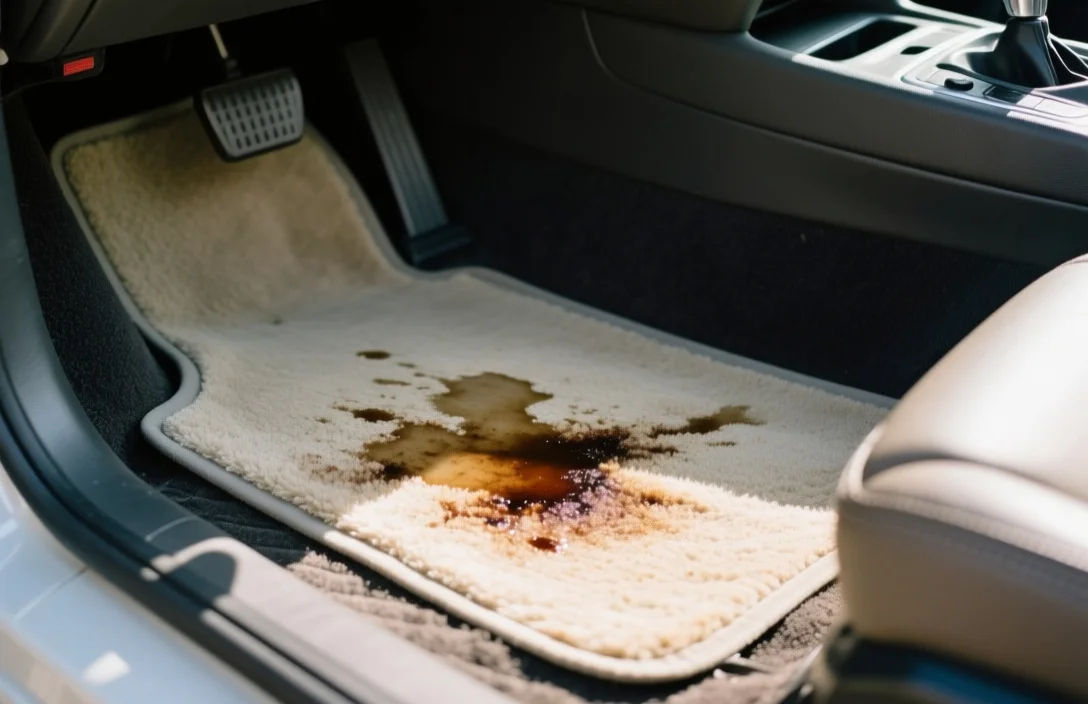
Set-in stains require patience and repetition. Start by soaking the mat in warm, soapy water for 30 minutes to loosen the stain. For rubber mats, use a stiff-bristle brush to scrub in circular motions. For carpet mats, blot with a microfiber cloth to avoid spreading the stain. Repeat the soak-and-scrub process 2-3 times if needed.
For ink, marker, or dye stains, use rubbing alcohol (isopropyl alcohol) or hairspray containing alcohol. Apply a small amount to a cotton ball, dab the stain, and blot with a clean cloth. Avoid rubbing, which can spread the ink. Test on a hidden area first – alcohol can fade some carpet dyes.
Pet urine stains and odors need an enzymatic cleaner like Nature’s Miracle or Rocco & Roxie. These cleaners break down the proteins in urine, eliminating both the stain and the smell. Spray the cleaner generously, let it sit for 10-15 minutes, then blot with a cloth. For old stains, repeat the process 2-3 times.
If the stain persists, try a steam cleaner. The heat and pressure lift deep-set dirt and kill bacteria. Rent a steam cleaner from a hardware store or use a handheld model designed for cars. For carpet mats, avoid over-wetting – excess moisture can loosen the backing or cause mold.
Protecting Your Car Mats from Future Stains
Apply a silicone spray or mat protector to repel dirt and liquids. Products like 303 Aerospace Protectant or Armor All Mat Guard create a barrier that makes stains easier to wipe off. Spray a light coat on clean, dry mats, let it sit for 5 minutes, then buff with a microfiber cloth. Reapply every 3-6 months or after deep cleaning.
Use a mat liner or tray for extra protection. Plastic liners (like WeatherTech or Husky Liners) catch spills and debris, keeping the actual mat underneath clean. They’re easy to remove and hose off, and they fit snugly under your existing mats. For carpet mats, consider a waterproof liner to prevent liquids from soaking through.
Establish a quick-clean routine. Every time you fill up with gas, take 2 minutes to shake out the mats and wipe them down with a damp cloth. This prevents dirt from building up and makes deep cleaning less frequent. For families or pet owners, keep a small handheld vacuum in the car to suck up crumbs and hair between cleanings.
Proper Drying Techniques to Prevent Mold
Air-drying is the safest method for all mat types. Hang rubber mats on a clothesline or lay them flat on a clean surface in direct sunlight. Sunlight helps kill bacteria and speeds up drying. For carpet mats, prop them up on a drying rack or lay them over a fence to allow airflow on both sides. Avoid piling mats on top of each other – trapped moisture leads to mold and mildew.
If you’re in a hurry, use a fan or a wet/dry vacuum to speed up drying. Set up a box fan to blow air over the mats for 1-2 hours. For carpet mats, use the vacuum’s blower function to force air through the fibers. Never use a hairdryer or heat gun – high heat can warp rubber and shrink carpet fibers.
Check for dampness before putting mats back in the car. Press a clean, dry towel onto the mat – if the towel comes away damp, the mat isn’t dry. For carpet mats, flip them over and check the backing. If it feels cool or damp, let them dry longer. Wet mats in a closed car trap moisture, leading to musty smells and mold growth.
Frequently Asked Questions About Car Mat Stain Removal
Can I put my car floor mats in the washing machine?
Only rubber or vinyl mats can go in the washing machine. Use cold water and a gentle cycle with mild detergent. Avoid fabric softener – it leaves a residue that attracts dirt. For carpet mats, machine washing can loosen the backing or fray the fibers. Stick to hand washing or spot cleaning for fabric mats.
How often should I clean my car floor mats?
Clean rubber mats every 1-2 months, or whenever they look dirty. Carpet mats need cleaning every 3-6 months, depending on use. If you have kids, pets, or frequently eat in the car, clean them monthly. A quick vacuum or wipe-down every 2 weeks prevents buildup.
What’s the best way to remove salt stains from winter mats?
Mix equal parts white vinegar and warm water in a spray bottle. Spray the salt stains, let it sit for 5 minutes, then scrub with a brush. Vinegar neutralizes salt and lifts residue without damaging rubber or carpet. Rinse with clean water and dry thoroughly to prevent rust on metal grommets.
Can I use bleach to clean my car mats?
Never use bleach on car mats. It weakens rubber, fades carpet dyes, and leaves a harsh chemical smell. For white rubber mats, use a baking soda paste or a mild oxygen-based cleaner like OxiClean. For carpet mats, stick to vinegar, dish soap, or a commercial carpet cleaner.
How do I get rid of the musty smell in my car mats?
Sprinkle baking soda liberally over the mats, let it sit for 30 minutes, then vacuum it up. For stubborn odors, spray a mix of 1 cup water, ½ cup white vinegar, and 10 drops of tea tree oil. Let it dry completely in the sun. If the smell persists, the mats may have mold – replace them if cleaning doesn’t help.
Frequently Asked Questions
How can I safely clean a fresh coffee spill on a carpet mat without damaging the fibers?
Blot the spill with a microfiber cloth to absorb as much liquid as possible, then spray a 1:1 mixture of white vinegar and water onto the stain. Let it sit for about 10 minutes before gently blotting again and using a soft brush to lift any remaining residue. Rinse with clean water and pat dry with a towel.
What is the best method to remove set‑in grease stains from rubber floor mats?
Apply a few drops of a grease‑cutting dish soap directly to the stain and add a splash of warm water. Scrub with a stiff‑bristle brush in circular motions until the grease lifts. Rinse thoroughly and allow the mat to air‑dry completely.
Can I use a household baking soda paste to eliminate stubborn ink stains on my car mats?
Yes, make a paste with three parts baking soda and one part water, spread it over the ink stain, and let it sit for 15‑20 minutes. Gently scrub with a soft brush, then rinse the area with water. Repeat if necessary, but avoid excessive rubbing to prevent fiber damage.
How do I prevent mold or mildew when drying cleaned mats?
After rinsing, press the mat with clean towels to remove excess water, then place it in a well‑ventilated area or under direct sunlight until fully dry. Avoid stacking wet mats together, as trapped moisture encourages mold growth. For extra protection, you can sprinkle a thin layer of baking soda on the dry mat to absorb residual humidity.
Are there any quick‑step tips for maintaining mat cleanliness to avoid future stains?
Shake or vacuum the mats regularly to remove loose debris before it embeds into the fibers. Apply a silicone‑based spray or a mat liner to create a protective barrier against spills. Promptly blot any new spills and treat them with the appropriate cleaner within 24 hours for the best results.