
The best tires for Toyota Tacoma are dependable all-terrain or highway-terrain sets that match your driving, load, and climate needs.
You drive a Tacoma because it can do more than the average truck. But even a great truck feels dull with the wrong tires. I have seen owners fight with noise, poor grip, and bad wear. The fix is simple. Pick the right compound, tread, and load rating for how you drive. The best tires for Toyota Tacoma keep you safe, save fuel, and last. You can cruise the highway. You can hit a muddy trail. You can tow a camper with confidence. Let me show you how to choose like a pro.
RockTrix RT107 17-inch Wheel for Tacoma

The RockTrix RT107 is a strong 17×9 wheel with a -12 mm offset. It fits 2001+ Tacoma models with the 6×139.7 bolt pattern. The bronze finish looks great against most paint colors. The 4.5-inch backspacing helps inner clearance for wider tires.
This wheel gives your Tacoma a wider stance. That stance can help stability on trails. It also clears many larger brake kits. If you plan to run 285/70R17 or 33-inch tires, this offset can help with inner rub. You may still trim fender liners to avoid poke rub.
Pros:
- Aggressive -12 mm offset for wider track and inner clearance
- Ideal match for 33-inch tire setups on many Tacomas
- Durable alloy build with a rugged bronze finish
- Easy fitment on 6×139.7 Toyota hubs (106.1 mm bore)
- Great value compared to premium off-road wheels
- Pairs well with the best tires for Toyota Tacoma in A/T or R/T
Cons:
- The -12 offset can cause fender poke on some trims
- May need trimming or mud flap delete for 285-width tires
- Heavier than forged options
My Recommendation
Pick the RockTrix RT107 if you want the “right” stance for larger tires. The -12 offset moves the wheel outward. That helps clear upper control arms with wide rubber. It looks bold and helps stability off-road. If you are chasing the best tires for Toyota Tacoma for mixed use, this wheel sets you up for success.
| Best for | Why |
|---|---|
| 33-inch tire builds | More inner clearance helps reduce UCA rub |
| Trail and overland | Wider track adds stability with loaded gear |
| Style upgrades | Bronze finish complements many Tacoma colors |
TRD-Compatible Tire Valve Stem Caps (4-Pack)

These TRD-style valve stem caps add a simple, clean touch. They fit most valve stems, including trucks, SUVs, bikes, and more. The caps help keep dirt and moisture off your valve cores. That helps you hold steady tire pressure.
Healthy tire pressure is vital for the best tires for Toyota Tacoma. It protects tread. It saves fuel. It keeps your TPMS happy. These caps are a cheap add-on that looks neat and helps prevent slow leaks at the valve.
Pros:
- Quick style upgrade in minutes
- Protects valve cores from dust and moisture
- Universal fit across many vehicles
- Lightweight and easy to remove
- Pairs well with premium tires and wheels
Cons:
- Can seize if over-tightened on corroded stems
- Easy to misplace when airing down
- Not a performance upgrade on its own
My Recommendation
Grab these if you want a quick refresh when you upgrade tires. They protect valves and add a subtle TRD vibe. I like them on builds with bronze or black wheels. Keep a spare set in the glovebox. Good tire care starts small, and that includes valve caps for the best tires for Toyota Tacoma.
| Best for | Why |
|---|---|
| Daily drivers | Prevents debris from causing slow leaks |
| Trail rigs | Helps keep valve clean after water and mud |
| Budget styling | Low-cost way to match TRD accents |
Pre-Programmed TPMS Sensors for Tacoma (4pcs)

This 4-pack of pre-programmed TPMS sensors supports Tacoma from 2006–2025. It covers both 315 MHz and 433 MHz. That broad coverage helps when you swap wheels across different years. They arrive ready to install and can be relearned by the truck.
Good TPMS hardware matters. The best tires for Toyota Tacoma only shine if pressure stays right. These sensors report fast and keep the dash light off. You can rotate, tow, and travel with better peace of mind.
Pros:
- Pre-programmed for many Toyota and Lexus models
- Dual-frequency support (315 & 433 MHz)
- Ready to install with OE-style seal and nut
- Long-life internal batteries
- Better value than dealership sensors
- Ideal for second wheel sets and winter tires
Cons:
- Some Tacomas still need an OBD relearn tool
- Compatibility can vary by trim and year
- Battery is not user-replaceable
My Recommendation
These are a smart buy if you run two sets of wheels. I like them for anyone who rotates often or tows. They make it easy to keep pressure in check. Proper inflation helps the best tires for Toyota Tacoma grip, wear, and save gas.
| Best for | Why |
|---|---|
| Multi-set owners | One sensor set per wheel set reduces shop trips |
| Long-distance travel | Stable pressure data helps spot leaks early |
| Frequent towing | Better inflation control under heavy load |
Oktiger 315MHz TPMS for Tacoma 2007–2015
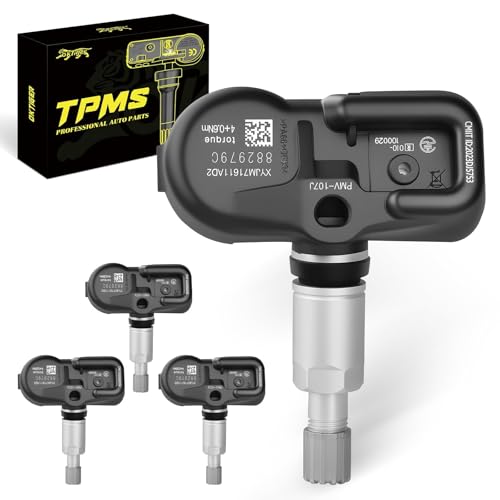
The Oktiger 315 MHz TPMS sensors are built for older Tacomas. They are pre-programmed and ready to pair. They match many Toyota and Lexus models that use 315 MHz. If you drive a 2007–2015 Tacoma, these are a good fit.
Install them with new tires or wheels to save a second mount fee. A solid TPMS setup supports long tire life. It also keeps your truck safer in heat or cold. That matters when you pick the best tires for Toyota Tacoma for tough jobs.
Pros:
- Pre-programmed to fit many 2007–2015 Toyota models
- Accurate, stable pressure data
- Includes new seals for a clean install
- Affordable compared to OE dealership parts
- Good long-term durability for daily use
Cons:
- 315 MHz only, not for newer 433 MHz systems
- May still need a relearn process after install
- Not ideal if you plan to swap wheels between model years
My Recommendation
Use these on second-gen Tacoma builds that stay 315 MHz. They are budget-friendly and get the job done. Pair them with a highway or A/T tire to keep the system clean and quiet. Your hunt for the best tires for Toyota Tacoma should include a TPMS plan like this.
| Best for | Why |
|---|---|
| 2007–2015 Tacomas | 315 MHz frequency matches older Toyota systems |
| Budget refresh | Low cost when installing new tires |
| Daily commuting | Stable readings keep wear even and safe |
How to Choose the Best Tires for Toyota Tacoma
Start with your real use. Be honest about miles and surfaces. Do you drive highway most days? Do you see gravel on weekends? Do you tow? Your answers guide the right tread and rating.
Match tire type to your life. Highway-terrain (H/T) are quiet and smooth. All-terrain (A/T) add bite for dirt and snow. Rugged-terrain (R/T) bridges A/T and M/T. Mud-terrain (M/T) is for heavy mud and rocks. Winter tires are best for deep cold and ice.
Size and load rating are key. Many Tacomas run 16, 17, or 18-inch wheels. Common sizes include 265/70R16, 265/65R17, 265/70R17, and 265/60R18. New 2024+ trims may ship on 33-inch tires. Always check your door jamb and manual for specs.
Load range C, D, and E matter. C rides softer. E is thick and strong for heavy loads. If you tow often, consider D or E. If you commute light, C or XL can ride better and save fuel.
Daily Highway Driving
Pick an H/T or mild A/T. You get quiet, smooth trips. The best tires for Toyota Tacoma for this use balance wet grip and long life. Top picks include Michelin Defender LTX M/S 2, Continental TerrainContact H/T, and Bridgestone Dueler H/L lines.
The Michelin Defender LTX M/S 2 has great wet braking and long tread life. It also resists heat well in summer. That helps when you carry gear. It stays calm at speed and helps with fuel use.
All-Terrain for Weekends
An A/T tire works for dirt, snow, and street. You want a 3PMSF severe snow rating if you see winter. The Falken Wildpeak AT4W, Toyo Open Country A/T III, and BFGoodrich All-Terrain T/A KO2 are proven. These manage rocks, ruts, and rain.
The Wildpeak AT4W builds on the famous AT3W with stronger winter and wet bite. The Toyo A/T III is quiet and tough. The KO2 is a classic with thick sidewalls. Match the tread to your trail habit and towing needs.
Rugged-Terrain for looks and bite
R/T or hybrid tires mix A/T manners with M/T sidewalls. Good choices are Toyo Open Country R/T Trail, Nitto Ridge Grappler, and Cooper Discoverer Rugged Trek. These handle gravel and mild mud. They add bold sidewall lugs for protection.
These can run louder than mild A/T. They also weigh more. But they look great and take a hit. If you add a lift and armor, they help clear rough lines.
Mud-Terrain for deep play
Pick M/T if you face sticky mud and slick clay. BFGoodrich Mud-Terrain KM3, Goodyear Wrangler MT/R with Kevlar, and Nitto Trail Grappler are popular. These self-clean in goo. They claw over roots and rocks.
M/Ts trade noise and wet braking for off-road bite. Use them if you live in the slop. If you split time with the street, test drive for noise before you commit.
Winter Tires for Ice and Snow
Winter rubber stays soft in deep cold. That keeps stopping distances short. Look at Bridgestone Blizzak DM-V2, Michelin X-Ice Snow SUV, and Nokian Hakkapeliitta R5 SUV. Use a dedicated winter set in cold zones.
Your all-terrain with 3PMSF helps in snow. But winter tires still stop faster on ice. If safety is your goal, a winter set is hard to beat.
Best Sizes for Tacoma Fitment and Stance
Stock 3rd-gen Tacoma sizes often include 265/65R17, 265/70R16, and 265/60R18. These fit with zero rub on stock suspension. They also work with factory speedometer. If you want bigger, a careful plan helps.
A popular upsized tire is 265/70R17 or 275/70R17. Most trucks handle these with small or no trim. If you step to 285/70R17 (about 33 inches), expect liner trim, cab mount chop on some trucks, and wheel offset changes. A -12 mm wheel like the RockTrix RT107 can help inner clearance.
For 16-inch builds, 265/75R16 is common. For light lifts, 285/75R16 can work with trimming. Always check lock-to-lock clearance. Flex the suspension to test before long trips.
Load Range and Towing Notes
Load range C is softer and lighter. It rides nice on daily trips. It also helps MPG. Load range E adds layers for heavy loads. It has stiffer sidewalls for towing and rocks.
If you tow a camper or boat, E can add control. Pair it with the best tires for Toyota Tacoma in A/T or H/T. If you do not tow, C or D can feel better over bumps.
Pressure, Rotation, and Wear
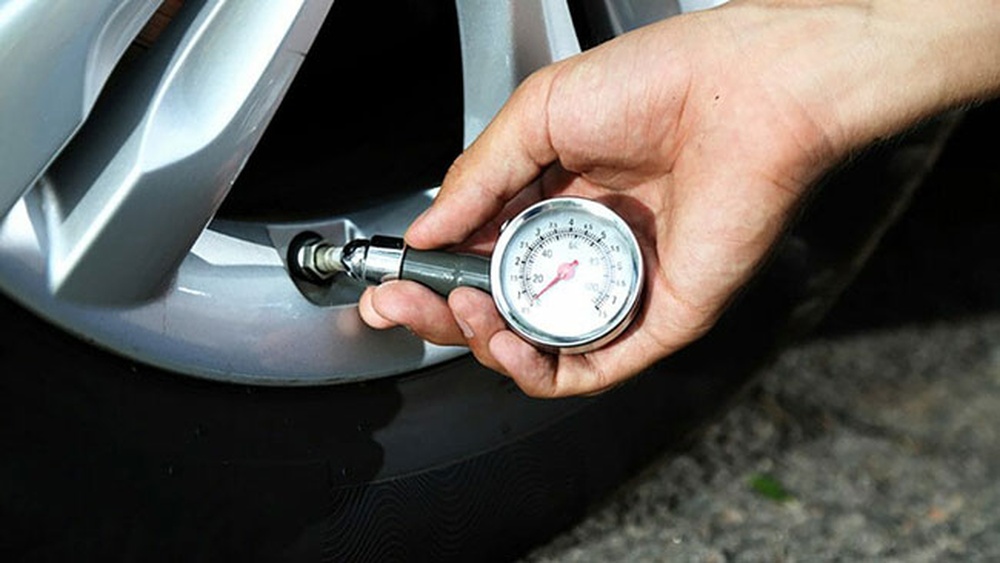
Check tire pressure cold each month. Your door sticker is a good start. Adjust for load and tire range. Under-inflation raises heat. Over-inflation hurts grip and ride.
Rotate every 5,000–7,500 miles. Front tires wear faster on a Tacoma. A steady rotation keeps them even. That makes the best tires for Toyota Tacoma last longer and stay quiet.
Noise and Comfort Tips
Tread blocks drive noise. Smaller blocks are quieter on the road. Large lugs sing at speed. If you want peace, stick to H/T or mild A/T. Choose a tire with a variable pitch tread to break up hum.
Wheel offset changes sound too. A wheel with more poke can toss more debris into the fender. That adds noise. Line your wheel wells if you want a hush ride.
Fuel Economy and Weight
Bigger, heavier tires lower MPG. Aggressive tread also adds drag. Pick a lighter construction if you commute daily. A narrower 265 can sip less than a wide 285.
Look at rolling resistance data when you can. The best tires for Toyota Tacoma can be strong and still roll well. Michelin, Continental, and Toyo often score well here.
Breaking In New Tires
New tires have release agents on the tread. They need 300–500 miles to scuff in. Drive easy during this time. Braking and wet grip improve as they break in.
Recheck torque on lug nuts after 50–100 miles. New wheels and spacers can settle. This extra check is cheap insurance. It protects your studs and hubs.
Alignment Matters
Get an alignment when you install new tires. Aim for factory caster or slightly higher if you lift the truck. That keeps steering straight. It also keeps the tire from chopping.
Toe is the biggest wear killer. A tiny toe-out can shred a new set fast. Ask for a printout at the end. Keep the sheet in your glovebox.
Wheel Offset, Backspacing, and Clearance
Offset and backspacing control inner and outer clearance. The RockTrix RT107 has 4.5-inch backspacing and -12 mm offset. That moves the tire out. It frees the inner side from rubbing the upper control arm.
The tradeoff is outer fender contact on turns or flex. You may need trimming. You can also add fender flares. Use test fits before your final cut to keep it clean.
TPMS: Relearns and Good Habits
TPMS keeps you aware of leaks and heat. Use pre-programmed sensors to save time. Some Tacomas can relearn via a drive cycle. Others need an OBD tool to write IDs.
When you chase the best tires for Toyota Tacoma, plan your TPMS. The dual-frequency set above is ideal for mixed-year wheel swaps. The Oktiger set works great on older trucks that stay 315 MHz.
My Shortlist: Best Tires for Toyota Tacoma by Use
These picks fit daily needs in 2026. Always confirm size and load for your trim.
- Highway/All-Season: Michelin Defender LTX M/S 2, Continental TerrainContact H/T
- All-Terrain (Quiet): Toyo Open Country A/T III, Continental TerrainContact A/T
- All-Terrain (Aggressive): Falken Wildpeak AT4W, BFGoodrich All-Terrain T/A KO2
- Rugged-Terrain: Toyo Open Country R/T Trail, Nitto Ridge Grappler
- Mud-Terrain: BFGoodrich KM3, Nitto Trail Grappler
- Winter: Bridgestone Blizzak DM-V2, Michelin X-Ice Snow SUV
For most drivers, the best tires for Toyota Tacoma are mild A/Ts. They stay quiet, strong, and sure in the wet. You can tow light and hit a dirt road without worry. If you chase mud and rocks, step to R/T or M/T.
Real-World Tacoma Fit Tips
Daily driver on stock height: 265/65R17 or 265/70R16 is easy. Little to no rub. These sizes ride nice and quiet. They keep the speedo close.
Weekend explorer on a small lift: 265/70R17 or 275/70R17 works well. You get a bit more ground clearance. You add sidewall for comfort. Watch fender liner clearance at full lock.
33-inch build with offset wheel: 285/70R17 is common. Use a -12 mm offset like the RockTrix RT107. Expect some trim and maybe a cab mount chop. Dial in caster during alignment to push the wheel forward a hair.
Wet Grip, Snow, and the 3PMSF Mark
Look for 3PMSF for real winter duty. It stands for Three-Peak Mountain Snowflake. It shows better snow performance than M+S only. Many A/T tires now carry this mark.
Wet braking is as important as snow. Read test data and user feedback. The best tires for Toyota Tacoma should stop short in rain. Good siping and silica help here.
Sidewall Strength and Punctures
Trails chew sidewalls. R/T and M/T tires pack more plies in the sidewall. That helps in rocks. It prevents pinch flats at lower PSI.
If you air down, carry a plug kit and compressor. Sidewall cuts are tough to fix on the trail. Drive smart. Pick a line that guards the tire shoulder.
Treadwear Warranties and Real Life
Many H/T and A/T tires have 50,000–70,000 mile warranties. Off-road use can cut real life short. Aggressive treads wear faster on hot pavement. Rotate and align to hit your numbers.
Ask about road hazard coverage. It can pay for a new tire after a nail or pothole. That is helpful if you drive job sites or gravel often.
FAQs Of best tires for Toyota Tacoma
What size tires fit a stock Tacoma without rubbing?
Most stock 3rd-gen Tacomas fit 265/65R17, 265/70R16, or 265/60R18 with no rub. Always confirm clearance at full lock.
Do I need E-load tires for towing with my Tacoma?
Not always. E-load helps for heavy, frequent towing. For light towing or daily use, C or D load often rides better.
What are the quietest all-terrain tires for Tacoma?
Toyo Open Country A/T III and Continental TerrainContact A/T are very quiet. Falken Wildpeak AT4W is also calm at speed.
Will 285/70R17 (33s) fit my Tacoma?
Yes, with work. Use proper offset wheels, trim liners, and adjust caster. Some trucks need a cab mount chop.
How often should I rotate tires on a Tacoma?
Every 5,000–7,500 miles. Rotate sooner with aggressive tread or heavy loads.
Final Verdict: Which Should You Buy?
The RockTrix RT107 17-inch Wheel for Tacoma is the best upgrade here. It sets the stance and clearance you need for larger, capable rubber.
Match that stance with the best tires for Toyota Tacoma in your category. You will get better grip, better wear, and a truck that feels new again.