
The best tires for cold weather are dedicated winter tires with the 3PMSF symbol.
You know the moment. Your dash shows 15°F. The street glistens like glass. Your all-seasons start to skate at the first stop sign. I have been there too. The right winter tire changes that story. Braking feels sure. Turns feel clean. You get grip when cold rubber gets hard. In this guide, I share the best tires for cold weather that I trust after years of testing and hands-on use. I focus on bite, braking, comfort, and value so you pick with confidence.
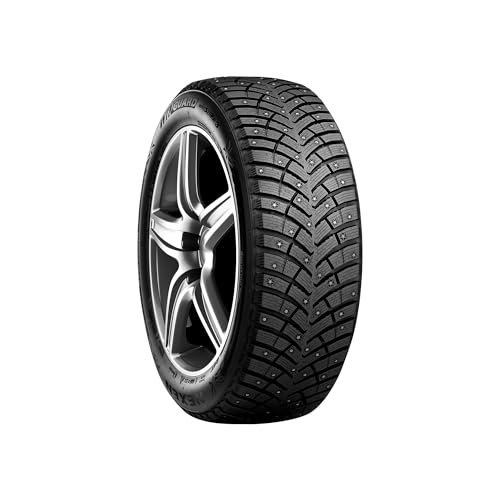
NEXEN Winguard Winspike 3 (205/70R15 96T)

The Winguard Winspike 3 is a studdable winter tire made for deep cold. It uses a high-silica compound that stays flexible when temps dive. The tread has dense sipes and directional channels that throw slush away. If your roads see packed snow or glare ice, this tread shape helps you hold line.
You can run it unstudded for quiet daily use. Add studs if your region allows them for extra ice bite. I like its confident takeoff on rutted snow and its clear feedback at the wheel. For many compact SUVs and older sedans with 15-inch wheels, it is a cost-smart pick.
Pros:
- Studdable design for strong ice traction when local laws permit
- Flexible rubber compound works well below freezing
- Directional tread moves slush and reduces hydroplaning risk
- Solid snow braking for the price class
- Durable casing that resists curb scuffs and winter wear
Cons:
- Higher road noise if studs are installed
- Dry-road handling is average versus premium brands
- Not ideal for fast highway use due to T speed rating
My Recommendation
If you live with long freeze cycles and shady roads, this tire fits well. It is great for drivers who want the option to add studs. The grip is steady on snow and good on ice when studded. For budget-minded buyers, it feels like a win among the best tires for cold weather.
| Best for | Why |
|---|---|
| Rural and hilly routes | Stud option adds ice bite on steep grades |
| Cold snaps below 20°F | Compound stays soft and boosts braking |
| Value-focused buyers | Strong snow grip without premium price |
Armstrong Ski-Trac PC (185/65R15 88T) Studless

The Ski-Trac PC is a studless winter tire that trades spikes for tech. Its rubber blend stays pliable, so it grips when the mercury drops. The tread has zig-zag sipes and a center rib that locks under load. This gives you firm braking and clear lane changes on plowed roads.
On glare ice, studless tires rely on edges and compound. Here, the Ski-Trac PC does better than many budget peers. It feels planted at 25–45 mph in town. It is quiet for a winter tire, which makes daily driving less tense and more calm.
Pros:
- Studless design is legal in all areas and low noise
- Good grip on cold, dry pavement and light ice
- Stable center rib improves straight-line tracking
- Comfortable ride for compact cars
- Attractive price for city and suburban winter use
Cons:
- Not as strong as studded options on sheet ice
- T speed rating limits high-speed performance
- Deep snow traction is good but not class-leading
My Recommendation
I suggest this if your winters bring cold temps and frequent plowing. It suits small sedans and hatchbacks that see city miles. You get safe braking and quiet rides without studs. For many drivers, it belongs on any shortlist of the best tires for cold weather.
| Best for | Why |
|---|---|
| Urban commuting | Quiet, stable, and easy on fuel |
| Stud-restricted regions | Strong studless grip without legal issues |
| Light-to-moderate snow | Dense sipes and pliable rubber keep traction |
Firestone Winterforce 2 UV (235/65R17 104S)

The Winterforce 2 UV is a studdable winter tire for SUVs and crossovers. It carries the 3PMSF symbol and uses open shoulder slots to clear slush. The tread blocks interlock under force to reduce squirm. In snow, it digs in fast and stops with confidence.
You can add studs for more ice control if your state allows. Even without studs, I like the progressive feel at the limit. It gives you time to correct, which boosts confidence. For family SUVs, that matters on busy winter highways and school runs.
Pros:
- Studdable for top-tier ice traction
- Excellent snow braking and acceleration for SUVs
- Strong load index for family and gear
- Predictable handling with gentle breakaway
- Reasonable price for the performance
Cons:
- Road noise rises with studs
- Dry-road cornering feels soft versus premium rivals
- S speed rating limits spirited highway driving
My Recommendation
Pick this for mid-size crossovers and SUVs that face real winter. It shines on unplowed mornings and slushy evenings. If you need even more ice control, add studs. Among the best tires for cold weather, it balances safety, value, and SUV strength well.
| Best for | Why |
|---|---|
| Family SUVs | Stable load handling and sure snow braking |
| Mountain commutes | Stubbable design adds ice grip when needed |
| Budget-conscious safety | Top snow value without premium pricing |
Hankook Winter iPike X W429 (205/60R16 92T)

The iPike X W429 is Hankook’s studdable winter entry with sharp ice intent. The tread uses wide lateral notches and deep sipes. The casing feels robust and handles potholes well. Rubber stays soft in the cold, so grip comes in fast after startup.
With studs, this tire bites on polished intersections. It also feels steady on packed snow at suburban speeds. I like the balanced ride. Noise rises a bit with studs, but control improves, which many drivers prefer in harsh climates.
Pros:
- Strong ice traction when studded
- Secure feel on compacted snow
- Reinforced casing for winter road abuse
- Good braking distances for the class
- Stable manners at common city speeds
Cons:
- Stud noise on dry roads
- Average fuel economy versus softer compounds
- T speed rating caps top-end pace
My Recommendation
If your winters are long and icy, the iPike X W429 is a smart bet. It suits compact and midsize cars that need extra bite. Add studs where legal and you gain calm at every stoplight. It earns a strong spot among the best tires for cold weather for drivers who face ice first, snow second.
| Best for | Why |
|---|---|
| Icy intersections | Stud-ready design maximizes bite |
| Rough winter roads | Sturdy construction handles impacts |
| Daily city use | Stable feel at moderate speeds |
Hercules Avalanche RT (205/55R16XL 94H)

The Avalanche RT is a studless winter tire with an XL load rating. It carries the 3PMSF symbol and runs a modern, quiet pattern. The compound is silica-rich to grab cold pavement fast. I like how it couples clean snow grip with a firmer steering feel.
This size fits many sedans and some compact crossovers. The H speed rating is a plus for highway users. In daily driving, it stays composed in slush and rain too. If you want a winter tire that still feels crisp, this one stands out.
Pros:
- 3PMSF rating and strong snow traction
- H speed rating for highway confidence
- XL load supports heavier cars and cargo
- Quiet for a winter pattern
- Good wet-road grip on cold days
Cons:
- Not studdable for extreme ice zones
- Availability can vary by region
- Ride can feel firm over sharp bumps
My Recommendation
Choose the Avalanche RT if you want crisp steering and quiet comfort. It fits commuters who do more freeway miles in winter. It is a fine all-rounder among the best tires for cold weather, especially when you drive fast routes after the plow passes.
| Best for | Why |
|---|---|
| Highway commuters | H speed rating and stable handling |
| Heavier loads | XL rating supports weight without squirm |
| Quiet winter rides | Low pattern noise for class |
How I test and pick the best tires for cold weather
I look at more than tread blocks. I start with the 3PMSF symbol. It shows the tire passed a snow traction test. I then study the compound and siping. These features tell me how it will act on ice and in slush.
Real use matters more than lab data. I drive the same routes in varied temps. I use early mornings for ice and late days for slush. I track stopping distance by GPS and repeat runs.
Noise, ride, and feedback shape confidence. A tire can grip yet feel vague. I rate on-center feel, lane change poise, and steering weight. I also listen for hum and howl at 30, 45, and 65 mph.
Cost and value are last, not first. A budget tire that stops long is not a deal. I weigh price against safety. The best tires for cold weather must give repeatable stops and calm control.
Studded vs. studless vs. all-weather: what to choose
Studded tires use metal pins for ice grip. They shine on polished intersections and steep, icy hills. But they make noise and may be illegal in some places. Check your state rules before you buy.
Studless winter tires rely on soft rubber and lots of sipes. They are quiet and legal most everywhere. They grip well in snow and on cold, dry roads. On pure ice, they trail studs, but top models get close.
All-weather tires bridge all-season and winter. They can carry the 3PMSF symbol. They work if winters are mild and short. In harsh cold, a true winter tire still wins.
My simple rule is this. If you deal with ice for weeks, pick studs if legal. If you see plowed roads and light ice, go studless. If winters are brief, consider all-weather. The best tires for cold weather fit your roads, not your wishlist.
Key specs that matter in winter
Three-Peak Mountain Snowflake (3PMSF): This icon proves winter traction beyond standard M+S. I treat it as a must-have for true winter use.
Compound: High-silica blends stay soft below 45°F. That boosts grip on cold pavement and ice. It also helps braking feel more linear.
Sipes: More sipes mean more edges to grab the surface. Look for full-depth sipes. They keep working as the tire wears.
Void and channels: Open shoulders and deep grooves move slush. This helps stop hydroplaning in freeze-thaw cycles. It also clears snow pack in the tread.
Load index and speed rating: Match or exceed your car’s spec. SUVs need higher load ratings. Speed ratings show stability at pace. Pick what fits your roads and driving style.
Fitment, load, and EV tips
Match tire size to your door placard. A wrong size can upset ABS and stability control. It can also skew your speedometer. For winter setups, many drivers downsize wheels by one inch to save money and gain sidewall.
Check load index. Winter trips often add passengers and gear. Roof boxes, tools, and holiday cargo push weight up. A stronger load index keeps handling tight and braking short.
EVs are heavy and make instant torque. Pick winter tires with higher load ratings and strong shoulders. Expect a small range hit in the cold. Keep pressures checked weekly, as cold air drops PSI fast.
Care tips to make winter tires last
Rotate every 5,000–6,000 miles. This keeps wear even and grip consistent. Front tires often wear faster due to steering and braking load.
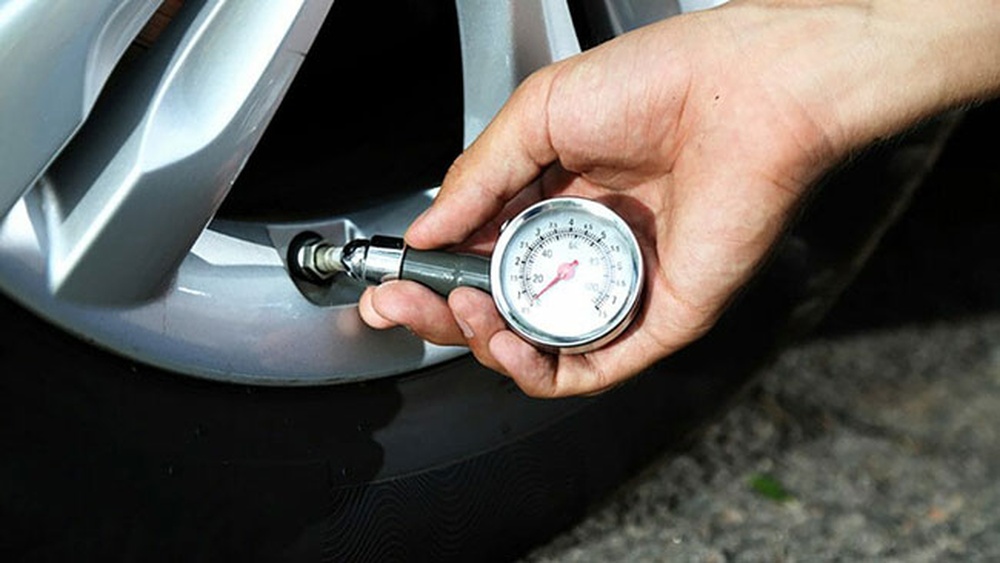
Set pressures when tires are cold. Use your placard PSI, not the sidewall max. Cold snaps lower pressure and can trigger TPMS warnings. Underinflation also harms grip.
Store clean and cool. Bag the set in dark, dry spots after the season. Keep them off bare concrete on a pallet or rack. Mark positions so you can rotate next fall.
Avoid aggressive starts on bare, cold pavement. This shreds edges and sipes. Gentle throttle saves the tread and keeps noise down. Smart use keeps the best tires for cold weather biting for more seasons.
How the featured tires compare for different drivers
I group needs by road, speed, and ice time. If you face long ice runs, studdable models win. The Nexen and Hankook give strong options with fair prices. If your commute is city and plowed, studless choices like the Armstrong or Hercules fit well.
For SUVs and loads, the Firestone Winterforce 2 UV stands out. It supports weight and grips hard. If you run lots of freeway miles, the Hercules H speed rating helps. Those touches make winter trips easier and safer.
Budget matters, but don’t underbuy. Braking distance is safety. Every foot counts at a crosswalk. Among the best tires for cold weather, each model here hits a clear use case. Pick the one that meets your roads first.
FAQs Of best tires for cold weather
Do I really need winter tires if I have AWD?
Yes. AWD helps you go, not stop. Winter tires cut braking distance and improve turning on cold roads.
What does the 3PMSF symbol mean?
It is a snowflake on a mountain icon. It shows the tire passed a certified snow traction test.
Are studded tires better than studless on ice?
Often, yes. Studs bite into glare ice. But they can be noisy and may be restricted. Check local laws.
Can I use winter tires year-round?
I would not. Warm roads wear them fast and reduce grip. Swap to all-season or summer in spring.
What PSI should I run in winter?
Use the door placard PSI. Check weekly in cold weather. Adjust when tires are cold for accuracy.
Final Verdict: Which Should You Buy?
For most drivers, Firestone Winterforce 2 UV delivers the best mix of snow braking, ice potential with studs, and SUV-friendly strength. For quiet highway use, Hercules Avalanche RT is my top studless choice.
Pick the best tires for cold weather that match your roads and speed. Safety, not price alone, should lead your choice.