
The best all weather tires balance wet grip, winter bite, comfort, and value.
You leave for work in the rain, hit slush at lunch, then drive home on cold dry roads. You want one set of tires to do it all. No tire swap. No stress. You need steady grip, a quiet ride, and long life. You also want a fair price. That is where the best all weather tires shine. They bring year-round confidence to daily drives. They handle wet streets, chilly mornings, and light snow with ease. And they help your car feel sure and safe when the weather flips.
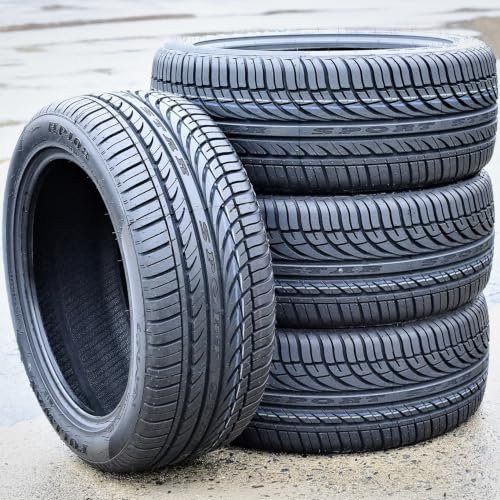
Fullway HP108 215/60R16 99V XL, Set of 4

The Fullway HP108 set is a value play with real day-to-day grip. The tread uses wide grooves that move water away from the contact patch. That helps resist hydroplaning on heavy rain days. The shoulder blocks add bite for quick turns and firm stops. The tire carries an XL load rating, so it suits many crossovers and heavier sedans.
This model is an all-season performance design. It offers stable tracking in cool weather and on wet roads. The ride is firm, yet not harsh on patched city streets. Road noise stays in check at highway speeds when the tread is new and rotated on time.
Pros:
- Great price for a full set of four tires
- Wide circumferential grooves for wet road control
- XL load rating for added carrying capacity
- Confident cornering due to solid shoulder blocks
- Works as budget-friendly daily tires in mild winter zones
Cons:
- Not designed for deep snow or severe ice
- Road noise can rise as tread wears
- Treadlife depends a lot on rotation and alignment
My Recommendation
This set fits drivers who want the best all weather tires feel on a tight budget in mild climates. You drive a sedan or small SUV. You see rain, cool temps, and maybe a dusting of snow. You want stable handling, a fair ride, and decent life for the money. This set checks those boxes if you care for it.
| Best for | Why |
|---|---|
| Budget-minded commuters | Low cost per tire with steady wet grip |
| Small SUVs and sedans | XL load rating and stable shoulders |
| Mild winter zones | All-season design handles light snow and cold |
Overall value is strong if you rotate on time and keep the pressure set. Stock can move fast in peak seasons, so check size and availability before you need a swap.
Fullway HP108 205/55R16 91V SL, Set of 2

This pair makes sense if you only need two tires now. The Fullway HP108 uses the same tread idea in a popular 205/55R16 size. That size fits many compact cars and older sedans. The tire offers quick steering response and good wet control for city runs.
The SL load rating fits most light-duty needs. The tread pattern sheds water and keeps grip in cool rain. The tire rides firm and keeps the car stable on highway ramps. It can act as a stop-gap if you plan to replace the other two tires soon.
Pros:
- Good fit for many compact cars
- Budget way to replace two worn tires
- Confident wet traction with wide grooves
- Responsive feel for daily turns and lane changes
- Easy to balance with routine install
Cons:
- Mixing old and new tires can affect balance
- Not a pick for harsh winter roads
- Firm ride may amplify on rough pavement
My Recommendation
Choose this pair if you need a quick fix and plan to match the set soon. It is a smart short-term step toward the best all weather tires experience on a budget. Put the new pair on the rear axle for stability if only buying two. Align the car to protect tread life and ride comfort.
| Best for | Why |
|---|---|
| Two-tire replacements | Budget-friendly and size fits many cars |
| Urban daily driving | Fast steering feel and wet traction |
| Short-term upgrades | Bridge to a full set without a big bill |
If stock is tight, set alerts and buy when your size appears. Keep records of install dates so you can plan for a full set later with ease.
Kenda Kenetica Touring A/S 205/55R16 91H

The Kenda Kenetica Touring A/S targets comfort and control. The tread uses many sipes to hold the road in rain and light snow. The footprint aims for even wear. That can help reduce noise over time. The 91H load and speed rating fits many small and mid-size cars.
Touring all-season tires like this favor a quiet ride. They also aid fuel economy with low rolling drag. On wet roads, the tread channels work well to push water out. That gives you a calm, steady feel in a downpour.
Pros:
- Comfort-first touring design with steady road feel
- Strong wet grip due to siping and channels
- Even wear focus for a quieter long-term ride
- Good match for compact and mid-size sedans
- Backed by a manufacturer treadwear warranty
Cons:
- Not a replacement for true winter tires
- Sporty drivers may want firmer sidewalls
- Performance drops in heavy snow and deep slush
My Recommendation
Pick the Kenetica Touring A/S if you value comfort, quiet, and wet grip. It is a strong fit for commuters who want the best all weather tires feel without harshness. Pair it with regular rotations to keep noise down as miles add up. It suits drivers in regions with rain, cool temps, and only light winter days.
| Best for | Why |
|---|---|
| Quiet highway cruising | Tread aims for even wear and low noise |
| Wet-weather commuters | Deep channels and dense siping |
| Fuel-conscious drivers | Touring build helps reduce rolling drag |
It offers broad availability in popular sizes. If your local weather is mild, this tire can be your set-and-forget daily pick for many seasons.
How to Choose the Best All Weather Tires
I test tires with one simple goal. Do they keep you in control when the weather flips? That is the core of the best all weather tires. A good pick must handle heat, rain, chill, and some snow. It should also ride smooth and last well. Here is how I judge them in 2026.
Wet grip is first. Rain is the most common hazard. Look for wide grooves and many sipes. These let water escape fast. That keeps more rubber on the road. The car stops shorter and tracks true.
Cold road traction is next. Rubber can stiffen in the cold. Good all-season compounds fight that. They use silica and other blends. The tread stays pliable as temps drop. You keep grip on frosty mornings.
Light snow control matters too. A smart tread uses zig-zag sipes. The edges bite into packed snow. You get less slip on starts and stops. But note this key point. All-season does not mean a deep-snow tire. If you face storms and ice, use winter tires.
Ride and noise are daily needs. Touring designs use varied tread block sizes. That breaks up tones and hum. A more even footprint also helps. It spreads load across the tread. The result is a calmer cabin over time.
Steering feel makes the drive. A firm shoulder and solid center rib help here. The car turns in quick. It holds an arc well. You gain trust in curves and on ramps. That trust is huge in bad weather.
Tread life is a cost issue. It depends on many things. Rotation keeps wear even. Proper inflation reduces heat and scrub. A fresh alignment protects the edges. Do those three and you add months, even years.
Size and rating must match your car. Look at the placard in the driver door. Match the tire size, load index, and speed rating. You can move up in load rating if you carry more weight. Do not go down below the maker spec.
Price is a trade-off. Premium tires add tech for grip and quiet. Budget tires still work well for daily drives. The best all weather tires for you balance your use, your roads, and your wallet. A fair mid-tier often hits the sweet spot.
All-Season vs All-Weather vs Winter: What to Know
People use “all-season” and “all-weather” as if they are the same. They are close, but not always equal. All-season tires aim for dry and wet grip with mild cold use. Some “all-weather” models add extra winter features. A few earn a severe-snow symbol. That is the three-peak mountain snowflake mark.
The products above are all-season designs. They handle rain and cool temps well. They can move in light snow at slow speeds. But they are not a match for heavy snow or sheet ice. If you see storms each winter, buy true winter tires. Then swap back when spring comes.
Trying to force any tire to do a job it is not built to do adds risk. Braking grows longer. Control drops. Pick the right tool for your roads. That is the path to safe miles.
How I Test Tires for Year-Round Use
I look at real-world use first. I drive on city streets, highways, and back roads. I seek rain, puddles, and cold mornings. I track wet stops from common speeds. I listen for hum and harsh impacts. I measure fuel use on repeat routes.
I also inspect the tire itself. I study the tread pattern and siping. I note the groove depth and spacing. I check the sidewall build and bead area. I look for stone ejectors and rim protectors. I scan for even wear after a few hundred miles.
Rotation is part of the test. I rotate at 5,000–6,000 miles. I watch how the noise changes. I also look at edge rounding and heel-toe wear. Good patterns resist that kind of scrub.
I use a precise gauge for tread depth. I keep logs of temps and road types. Short, simple tests will not tell the full story. You need miles, months, and varied weather. That is how I find the best all weather tires for common drivers.
Care Tips to Get the Most from Your Tires
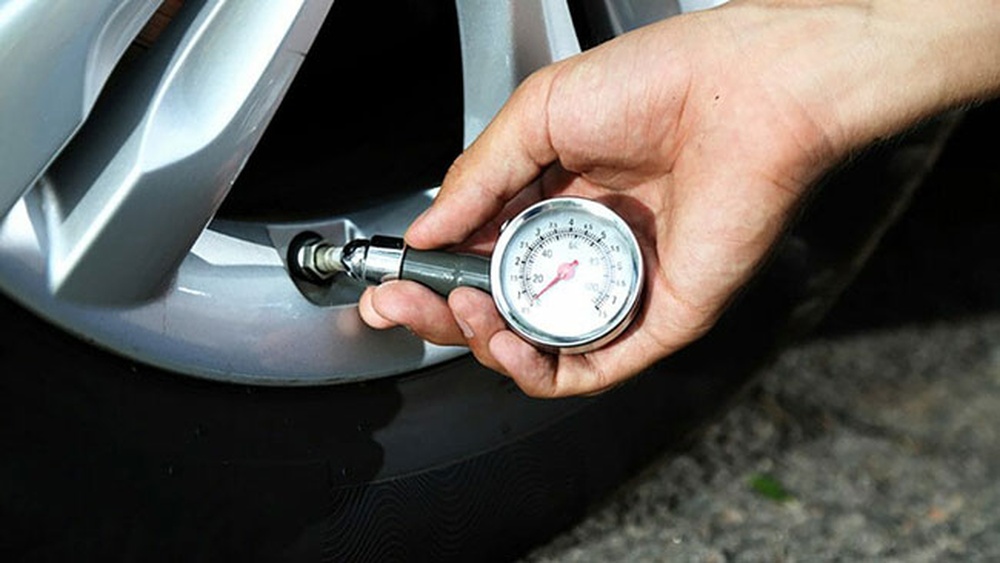
Check pressure each month. Do it in the morning when tires are cold. Set it to the door placard, not the sidewall. Low pressure kills tread life and wastes fuel. High pressure can reduce grip and comfort.
Rotate on schedule. Front tires wear faster on many cars. A cross-rotation pattern helps even things out. Ask your shop to mark the pattern on your invoice.
Get an alignment once a year, or after a big pothole hit. If the car pulls or the wheel is off-center, check sooner. Alignments pay for themselves in saved tread.
Balance matters too. If you feel a shake at a set speed, get a balance check. It is fast and not costly. It keeps the ride smooth and the suspension happy.
Clean the tires and wheels. Brake dust and grime hold heat. A soft brush and mild soap work fine. Check for nails or cuts while you clean. Catching damage early saves a tire.
Signs You May Need New Tires Soon
Shallow tread is a warning. Use a quarter test for a quick look. If you see the top of Washington’s head, grip in the wet is fading. Do a pro check before the wet season starts.
Cracks and bulges are urgent. Sidewall bubbles need instant action. Replace the tire. It is not safe to drive.
Odd wear tells a story. Cupping may mean worn shocks. Inside-edge wear points to bad alignment. Solve the cause and then replace the tire. That stops a repeat.
Noise and vibration can grow with age. If a tire once rode quiet and now hums, it may be near the end. A rotation may help. If not, plan a new set.
Choosing Between a Pair and a Full Set
A full set is best. Your car then handles as one. But life happens. If you must buy two, put the new pair on the rear. That gives more rear grip. It helps keep the car stable in the wet.
Match brand, model, and size when you can. If you cannot, match at least the size and load rating. Keep the same rolling diameter front and rear. That saves the ABS and traction systems from hard work.
Plan your budget a season ahead. Prices jump during the first cold snap. The best all weather tires often sell out in top sizes. Buy early and store them in a cool, dry place until install.
Regional Advice for Picking the Best All Weather Tires
Coastal and rainy zones need strong wet grip. Pick a tread with wide channels and dense sipes. A touring design suits long, smooth miles on highways.
Dry and hot areas need heat resistance. Look for a sturdy shoulder and even wear design. A performance all-season adds steering feel and quick stops.
Cold, mild-winter regions need pliant compounds. Silica-rich treads keep grip in the chill. Look for many small edges for light snow days. For heavy snow, use winter tires from late fall to early spring.
Rural roads throw in gravel and dirt. Pick a tire with thicker sidewalls. A rim protector is a plus. Check the tread for stone ejectors. They help keep grooves clear.
What Makes a Tire “Feel Safe” Year-Round
Short stops in the rain. Calm tracking in wind and ruts. Predictable drifts on slick corners. A tire that warns you before it lets go. These traits define safety in feel.
The best all weather tires share these traits. They give feedback through the wheel. They hold a line, then ease off with grace. That gives you time to adjust. Small moments like that prevent big problems.
When to Step Up to Premium
Buy premium if you drive hard, tow, or face storms. Premium models add layers of tech. They resist heat. They grip on cold wet roads. They run quiet as they wear. They often last longer, which can offset the price.
Budget models, like the picks above, are fine for gentle use. They shine in city and light highway miles. If your routes are calm, your wallet will thank you. The best all weather tires for you are the ones that match your case, not your neighbor’s.
FAQs Of best all weather tires
Are all-season tires the same as the best all weather tires?
Not always. All-season covers mild winter use. Some all-weather tires add winter-focused features. For deep snow and ice, use winter tires.
How long do all-weather or all-season tires last?
It depends on driving, roads, and care. With rotations and proper pressure, many last several years. Hard use shortens life.
Can I run the best all weather tires year-round in snowy areas?
For light snow, yes. For heavy snow or ice, no. Swap to winter tires in harsh seasons.
Should I replace two tires or four at a time?
Four is best for balance. If you replace two, mount them on the rear. That improves wet stability.
How do I know which size to buy?
Check the driver door placard. Match size, load index, and speed rating. Do not go below factory specs.
Final Verdict: Which Should You Buy?
The Kenda Kenetica Touring A/S offers the best blend of comfort, wet grip, and quiet. If you want soothing rides and steady rain control, start there.
If you need a low-cost set now, the Fullway HP108 delivers value. For many drivers, these are the best all weather tires to run in mild climates year-round.