
Most wheel noises come from tires, brakes, or bearings, often due to wear or loose parts.
If you have asked yourself why are my wheels making noise, you are in the right place. I have spent years diagnosing squeals, hums, and clunks in daily drivers and track cars. This guide explains why are my wheels making noise, how to pinpoint the cause, and what to fix first. You will get clear steps, simple checks, and pro tips you can use today.

What the sound is telling you
If you are wondering why are my wheels making noise, start by naming the sound. The type of noise is a strong clue. Think of it like a doctor using a stethoscope. Each tone points to a system.
- Squeal or chirp that rises with speed: Often brake wear indicators or light pad drag.
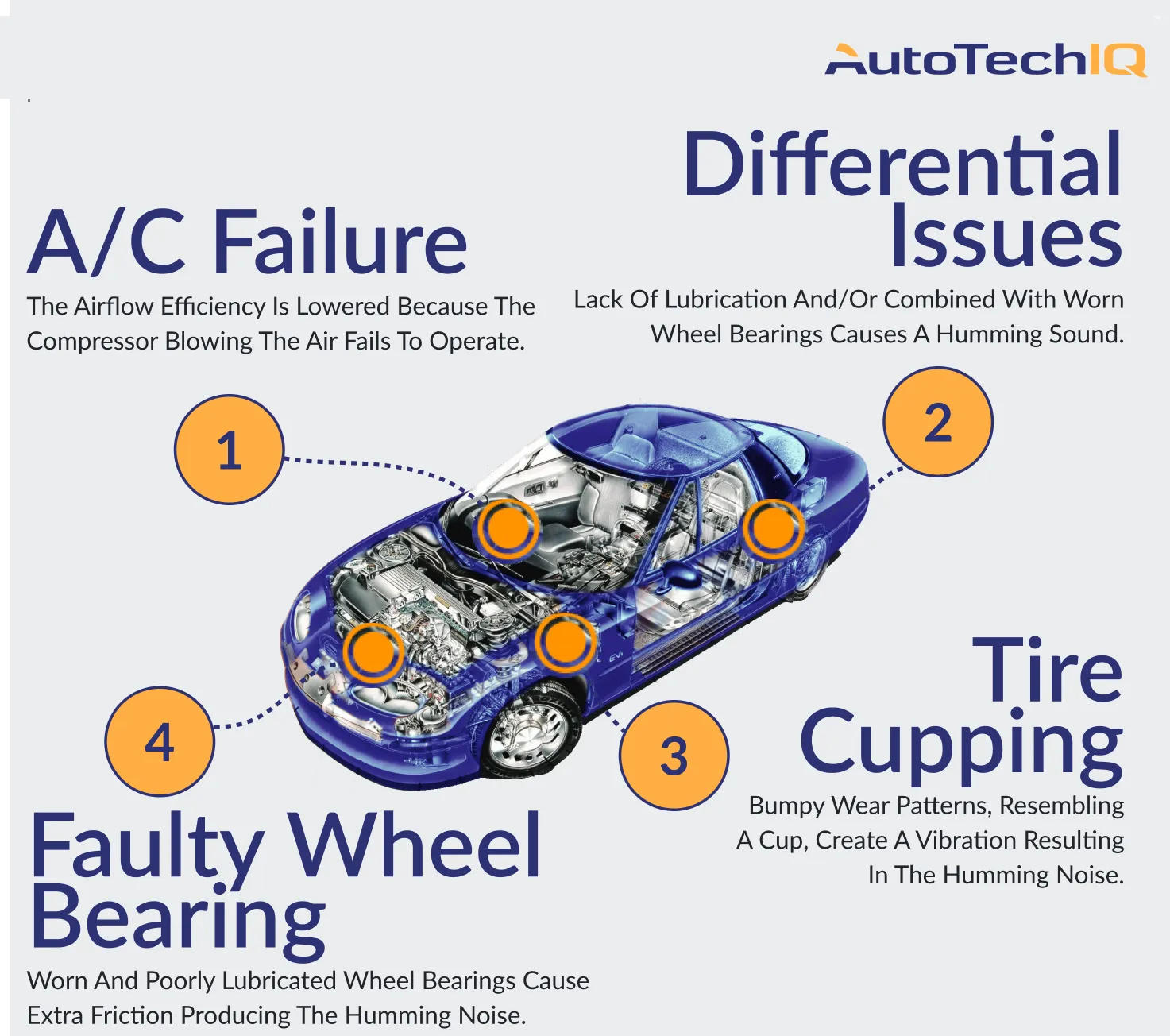
- Humming or droning that changes with speed: Often a worn wheel bearing or cupped tires.
- Clicking that speeds up with the car: Often a bad CV joint, loose lug nut cap, or debris.
- Grinding or growling: Often metal-on-metal brakes or a failing bearing. Do not delay.
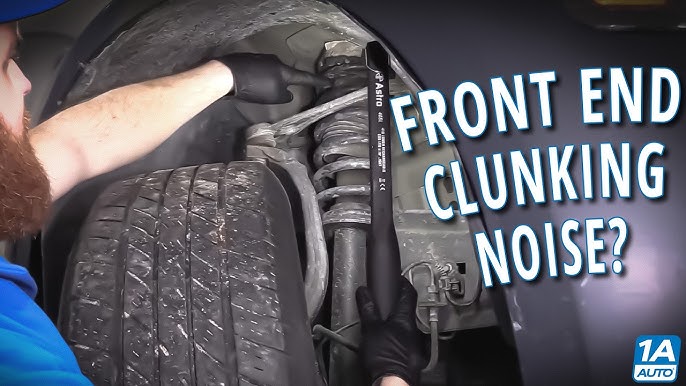
- Clunk over bumps: Often a loose suspension joint or worn bushing.
- Thump or rhythmic slap: Often a tire bulge, flat spot, or separated tread.
- Whoosh or air-like roar: Often aggressive tread, misalignment, or low tire pressure.
Match the sound, then match the symptom. This tightens your search and saves time and money.
Diagnose by when it happens
You can answer why are my wheels making noise by noting when it starts and stops. Time the noise with your actions. Small patterns reveal big issues.
Only when braking
- Likely causes: Glazed pads, worn pads hitting wear tabs, rust on rotors, stuck caliper slide.
- Try this: Do a few firm stops in a safe area. If the squeal fades, it may be surface rust or glaze.
Only when turning
- Likely causes: Outer CV joint click (front-wheel drive), wheel bearing hum that gets louder when loading that side, tire rubbing a liner.
- Try this: In an empty lot, do gentle S-turns at 20–25 mph. Noise louder when turning left often means right-side bearing, and the reverse.
At highway speed
- Likely causes: Bearing drone, cupped tires, out-of-balance wheels, feathered tread from bad alignment.
- Try this: Coast in neutral on a safe road. If the noise stays the same, think tires or bearings. If it changes, think drivetrain.
After a tire change or rotation
- Likely causes: Loose lugs, new tire tread pattern noise, missing wheel hub ring, bent dust shield.
- Try this: Re-torque lugs to spec. Inspect the thin metal dust shield behind the rotor. Bend it back if it rubs.
First drive in the morning or after rain
- Likely causes: Light rotor rust causing a brief scrape or squeak. This often clears in a mile.
- Try this: A few smooth stops often clean the rotors. If it stays, inspect pads and rotors.

The main culprits explained
If you ask why are my wheels making noise, the answer often sits in one of six systems. Here is how each sounds, why it fails, and what to do next.
Tires and wheels
- Sounds: Hum, roar, thump, slap, rhythmic whomp.
- Causes: Cupping from worn shocks, feathering from bad toe, out-of-round, separated belts, uneven wear, low pressure.
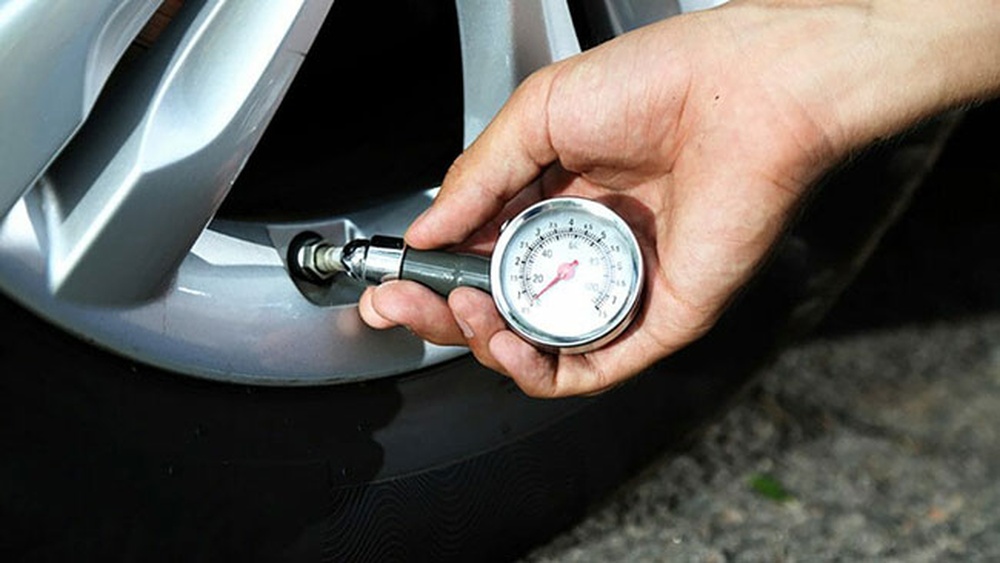
- Checks: Run your hand over the tread. Feel for sharp edges or scallops. Check pressure cold. Spin the wheel on a lift and watch for wobble.
- Fix: Balance, rotate, or replace. Align if wear is uneven. Replace damaged wheels.
- Risk: A bad tire can fail at speed. Do not ignore bulges or cords.
Brakes
- Sounds: Squeal, chirp, grinding, light scrape.
- Causes: Wear indicator tabs, glazed pads, stuck caliper, warped or rust-pitted rotors, cheap pad materials.
- Checks: Look through the wheel. Pad material should be more than 3 mm thick. Spin wheel off the ground and listen for drag.
- Fix: New pads and rotors as a set. Clean and lube slides. Use quality parts.
- Risk: Metal-on-metal grinding can cut rotor faces fast. Stopping distance grows.
Wheel bearings and hubs
- Sounds: Low hum, growl, or airplane-like drone that grows with speed. Changes when you turn.
- Causes: Wear from age, water intrusion, impact from potholes or curbs.
- Checks: With the wheel off the ground, grasp at 12 and 6. Rock for play. Spin and listen. A bad bearing can feel rough.
- Fix: Replace the hub or bearing set. Always torque axle nuts to spec.
- Risk: A failed bearing can seize or let the wheel wobble. This is a safety issue.
CV joints and axles
- Sounds: Repetitive clicking when turning and accelerating.
- Causes: Torn boot that lost grease, age, harsh angles from lowered cars.
- Checks: Look for split boots and sling grease near the inner fender. Do tight circles in a lot to reproduce the click.
- Fix: Replace the joint or the full axle. Replace boots early to save the joint.
- Risk: A failed CV can strand you. Clicking grows worse over time.
Suspension and steering
- Sounds: Clunk, knock, creak over bumps or while parking.
- Causes: Worn ball joints, tie rods, control arm bushings, sway bar links, strut mounts.
- Checks: Pry gently on joints with the car lifted. Look for torn boots and leaking struts.
- Fix: Replace worn parts in pairs left and right. Align after steering or suspension work.
- Risk: Loose joints affect control and tire wear.
Drivetrain and other sources
- Sounds: Whine on throttle or coast, scrape from a bent dust shield, stone in the splash guard.
- Causes: Differential wear, low gear oil, heat shields or guards rubbing, loose center caps.
- Checks: Listen for change when you feather the gas. Inspect shields and caps.
- Fix: Service fluids, secure shields, repair worn gears as needed.

DIY checks you can do today
You can often settle why are my wheels making noise with a few safe tests. Take it step by step and note what changes.
- Walk around the car. Check tire pressure cold. Look for bulges or cords.
- Re-torque lug nuts to factory spec. Loose lugs can click or clunk.
- Spin each wheel by hand with the car safely lifted. Listen for scrape or grind.
- Inspect pads and rotors through the wheel. Look for rust lips and thin pads.
- Check dust shields behind rotors. Bend them away if they touch.
- Do a slow drive with windows down. Turn left and right. Brake gently and then hard.
- Try a smooth road and a rough road. Note when the sound shows up.
If a test changes the sound, you found a lead. That is how pros isolate a fault.
When to stop driving and call a pro
If you still ask why are my wheels making noise after basic checks, watch for red flags. Do not push through a safety risk.
- Grinding under braking or a hot, smelly wheel.
- A drone that gets loud fast, plus steering vibration.
- A tire bulge, exposed cords, or a wheel that feels loose.
- A loud click when turning with a torn CV boot.
- Warning lights for ABS or stability control tied to wheel speed sensors.
Park the car. Tow it if needed. A short delay can prevent a big bill and a crash.

Prevention and maintenance tips to keep wheels quiet
Ask why are my wheels making noise less often by keeping key parts in shape. Quiet wheels come from steady care.
- Check tire pressure monthly and before trips.
- Rotate tires every 5,000–7,500 miles. Align once a year or after impacts.
- Inspect brakes at every tire rotation. Replace pads before they grind.
- Listen after tire work. Re-torque lugs after 50–100 miles.
- Wash wheels and rotors to remove salt and dust. This prevents early rust.
- Replace worn shocks and struts. They prevent cupping and noise.
These small habits add up to a calm, quiet ride.

Cost, time, and difficulty guide
Drivers who wonder why are my wheels making noise also want to know what it may cost. Here are common fixes and what to expect. Prices vary by car and region.
- Tire balance and rotation: Low cost. About 30–60 minutes.
- Wheel alignment: Mid cost. About 60–90 minutes.
- Brake pads and rotors, front axle: Mid to high cost. About 1.5–3 hours.
- Wheel bearing and hub: Mid to high cost. About 1.5–3 hours per wheel.
- CV axle replacement: Mid to high cost. About 2–3 hours per axle.
- Suspension links or ball joints: Mid cost. About 1–3 hours with alignment.
Get a written estimate. Use quality parts. Cheap fixes often make more noise later.

Real-world stories from the shop
I meet many drivers who ask why are my wheels making noise and fear the worst. Here are a few cases that show simple roots and clear wins.
- The highway hum: A small SUV had a loud drone at 60 mph. The right rear tire had cupped from weak shocks. New rear shocks, balance, and a rotation made the road go quiet.
- The morning squeal: A commuter car squealed for the first mile each day. Light rust formed on the rotors overnight. New coated rotors and ceramic pads fixed it. The owner also washed the wheels more in winter.
- The click on turns: A hatchback clicked in tight parking lots. The outer CV boot was torn and dry. A new axle and fresh grease stopped the click for good.
Each case began with a clear note of when the sound showed up. Small clues point to big answers.

Frequently Asked Questions of why are my wheels making noise
Why are my wheels making noise only when I brake?
That is often pad wear tabs or glazed pads. It can also be a stuck caliper or rust on the rotors.
Why are my wheels making noise after a tire rotation?
Lugs may not be torqued evenly, or the new tire position exposed cupping. Re-torque and balance to confirm.
Can a bad wheel bearing make my wheels sound like an airplane?
Yes. A worn bearing makes a steady drone that changes with speed and when you turn. It often grows louder over weeks.
Why do I hear a clicking sound when I turn?
That is a classic sign of an outer CV joint. A torn boot leaks grease, and the joint clicks under load.
Is it safe to drive with a grinding noise from a wheel?
No. Grinding can mean metal-on-metal brakes or a failing bearing. Park the car and get it inspected.
Could low tire pressure cause wheel noise?
Yes. Low pressure lets the tire flex and roar. It also causes edge wear that hums.
Why are my wheels making noise after driving through rain?
Light rotor rust can cause a short squeal or scrape. It should clear after a few stops; if not, inspect the brakes.
Conclusion
Wheel noises are messages. When you ask why are my wheels making noise, listen for the tone and note when it happens. Most issues trace to tires, brakes, or bearings. Simple checks can spot them fast, and quick fixes prevent bigger costs.
Use the steps in this guide today. Write down what you hear, when you hear it, and what changes it. Then act on the likely cause. If you found this helpful, share it with a friend, subscribe for more car care guides, or drop your question in the comments.