
Choose highway tires by matching size, speed rating, load, tread, and climate.
If you want a quiet, safe, and fuel-smart commute at 70 mph, your tires matter more than you think. In this guide, I show you how to choose tires for highway driving with a clear, step-by-step method built on years of testing, real-world trips, and hard data. You will learn what to check, what to skip, and how to shop with confidence.

What highway driving really demands
Highway miles create steady heat, long wear, and high-speed stress. You need stability, predictable grip, and low noise. Wet braking and hydroplaning resistance also rank high because storms can hit without warning.
If you want a simple way to learn how to choose tires for highway driving, start with your daily route, speeds, climate, and load. Map those needs to tire type and ratings. That one step can save money and reduce risk.
On my own 300-mile weekly commute, touring all-season tires cut noise, boosted range, and kept braking short in summer rain. The right match changed the drive from tiring to calm.
The key tire specs that matter
Use your owner’s manual or the driver-side door jamb as the baseline. Then verify these specs:
- Size code, example 225/55R17: width, aspect ratio, and wheel diameter must match or be an approved alternative.
- Load index: pick equal or higher than stock to support weight at speed.
- Speed rating: choose the same or higher than OEM. H, V, or W are common for highway use.
- UTQG: treadwear number suggests lifespan; traction grade (AA to C) shows wet grip; temperature grade (A to C) shows heat resistance.
- Inflation range: higher max pressure does not mean you should run higher daily. Follow the vehicle placard.
If you are learning how to choose tires for highway driving, get these specs right first. Everything else builds on them.

Tire types for highway use
Choose a type that fits comfort, speed, and weather:
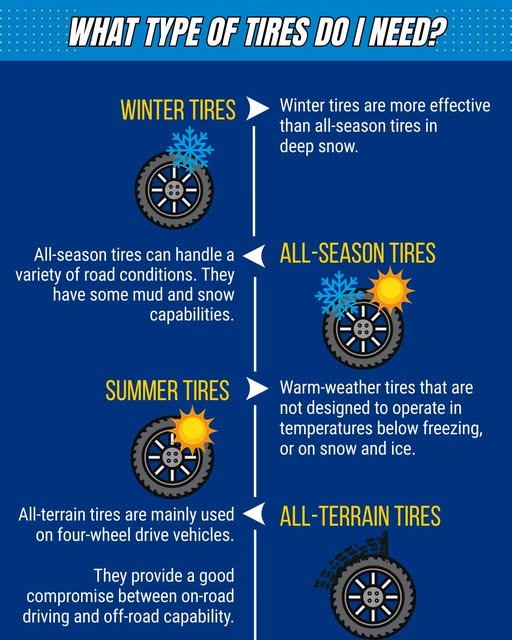
- Touring all-season: best blend of quiet, comfort, long tread life, and solid wet grip.
- Grand touring: a bit more handling and higher speed ratings, still calm and quiet.
- Performance all-season or summer: sharper steering and shorter dry stops, often more noise and faster wear.
- All-weather with 3PMSF: real winter traction with year-round use. Slightly more noise and rolling resistance.
When I help clients figure out how to choose tires for highway driving, touring or grand touring wins most daily commutes. Performance lines fit drivers who prize steering feel and dry grip.
Tread design and compound choices
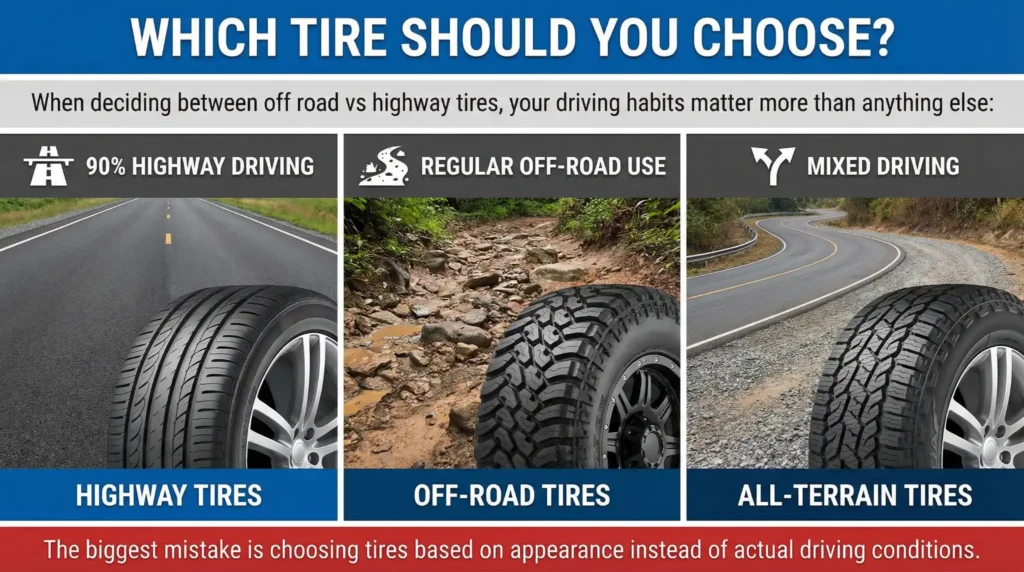
Tread is more than looks. It shapes water flow, grip, and sound.
- Asymmetric designs: outer shoulder for cornering, inner ribs for water evacuation.
- Symmetrical ribs: smooth, quiet rolling, easy rotations, often best for steady highway use.
- Directional V-shapes: strong water clearing and high-speed stability, rotation is more limited.
- Compounds with silica: improve wet grip and lower rolling resistance.
If you ask how to choose tires for highway driving in rain-prone areas, look for wide circumferential grooves, many sipes, and high silica content to resist hydroplaning.

Comfort, noise, and fuel economy
Noise comes from tread block size, pitch, and casing design. Comfort comes from sidewall flex and construction. Rolling resistance affects fuel or EV range.
- Look for low rolling resistance labels and smooth rib patterns for highway hum control.
- Foam-lined tires can lower cabin drone but cost more and may complicate repairs.
- A slightly taller sidewall can ride softer, but stay within approved sizes.
Drivers who master how to choose tires for highway driving often gain a few percent in fuel savings, plus a calmer cabin on long trips.

Wet and dry safety at speed
Highway safety rides on stopping distance and control during evasive moves. Independent tests often show large gaps between models in wet braking. A quality touring tire can stop many feet shorter from 60 mph than a budget option.
- Check traction grade and third-party wet braking results where available.
- Seek strong hydroplaning resistance with deep channels.
- If you drive fast, pick a higher speed rating and a stable center rib for lane-change control.
Understanding how to choose tires for highway driving means putting wet grip first. Most crashes on highways start with limited time and slick pavement.

Size and fitment: OE, plus-size, or downsize
Staying with original size is safest. If you adjust, do it with care.
- Plus-sizing to a wider, lower-profile tire can sharpen handling but may add noise and reduce ride comfort.
- Downsizing one wheel diameter for winter or rough roads can add sidewall cushion and protect wheels.
- Keep overall diameter close to stock to protect ABS, speedometer accuracy, and gearing.
- Match tire width to wheel width for proper support.
Shoppers who ask how to choose tires for highway driving should avoid aggressive plus-sizing unless they value steering feel over comfort and range.
Climate and seasonal choices
Climate sets the rules. Heat, rain, snow, and ice all change needs.
- Warm and wet: touring or grand touring all-season with strong wet ratings.
- Hot and dry: summer tires deliver grip but need temps above about 45°F.
- Mixed four-season with real winter: all-weather 3PMSF or a dedicated winter set plus a summer or touring set.
A big part of how to choose tires for highway driving is admitting how often you see severe weather. A true winter set can save your day more than once.

Buying checklist and red flags
Use this quick list in the store or online cart:
- DOT date code: pick tires within the last 1–2 years when possible.
- Warranty terms: treadwear mileage, road hazard, and trial period details.
- Service support: rotation, balancing, flat repair policy, and nationwide help if you travel.
- TPMS compatibility and new valve stems.
- Run-flat vs standard: run-flats add convenience but may ride firmer and cost more.
- EV-rated options: stronger load, low noise foam, and reduced rolling resistance.
Anyone learning how to choose tires for highway driving should check the date code and the return policy. It protects you from old stock and fitment surprises.
Care and maintenance for long highway life
Good care protects your investment and safety.
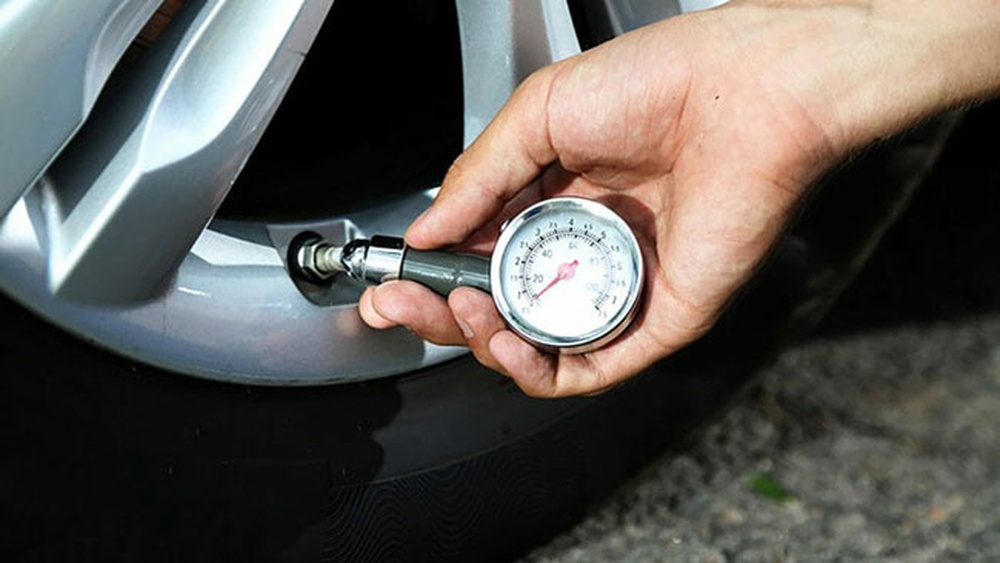
- Set pressure cold to the placard value. Recheck monthly and before trips.
- Rotate every 5,000 to 7,500 miles, front to back or cross per pattern allowed.
- Align yearly or when you see uneven wear or feel pull.
- Balance at install and whenever you sense vibration.
- Measure tread depth. Replace around 4/32 inch for reliable wet grip.
I have stretched a touring set past 60,000 miles with pressure checks and strict rotations. That simple routine is part of how to choose tires for highway driving that stays safe and quiet.
Common mistakes and myths
Avoid these easy traps.
- Chasing the longest treadwear only. Ultra-long life can trade away wet grip and comfort.
- Ignoring load index. Under-rated load overheats at speed.
- Picking the cheapest set. Poor compounds lengthen wet stops.
- Skipping wheel alignment. It eats new tires fast.
I once mounted a bargain set for a fleet test. The wet braking gap was a full car length. That changed how I choose tires for highway driving forever.
A simple step-by-step process
Follow this flow to buy with confidence:
- Define your route, speeds, climate, and typical load.
- Confirm OE size, load index, and speed rating from the door placard.
- Pick a type: touring, grand touring, performance, or all-weather.
- Prioritize wet braking, noise scores, and rolling resistance.
- Check UTQG, warranty, DOT date, and service terms.
- Verify fitment and schedule proper install, balance, and alignment.
If a friend asks me how to choose tires for highway driving, this is the exact checklist I share.
Frequently Asked Questions of how to choose tires for highway driving
What speed rating should I choose for highway use?
Match or exceed the rating on your door placard. H or V is common for most cars, while performance models may need W or Y.
Are touring tires better than performance tires for long trips?
Touring tires usually ride quieter and last longer. Performance tires steer sharper but can wear faster and make more noise.
How much does tire pressure affect fuel economy?
Under-inflation hurts range and adds heat. Set pressure to the vehicle placard when tires are cold for best economy and safety.
Do I need all-weather or winter tires if I see snow a few times a year?
If roads get icy or snowy, all-weather with 3PMSF or dedicated winter tires are safer. They stop shorter and keep control when temps drop.
How old is too old when buying new tires?
Aim for a DOT date within 1–2 years. Proper storage matters, but fresher stock gives you a full service life.
Conclusion
Highway driving rewards calm, stable, and efficient tires that match your car and climate. Start with load, speed rating, and size, then choose tread and compound that deliver quiet rolling and strong wet braking. A short checklist and steady maintenance turn every trip into a smoother, safer ride.
Use this guide to pick your next set with confidence. If you found this helpful, share it with a friend, subscribe for more practical car care advice, or drop your questions in the comments.